By Adam Douglas | August 18, 2026

Executive Overview
Vocal samples have long been the lifeblood of electronic music production. Whether it’s a soulful acapella, a rhythmic vocal stem, or a sharp, evocative line of dialogue lifted from classic cinema, a well-timed human voice adds unmatched depth, narrative, and emotional resonance to a track. Yet, producers have historically wrestled with an uncompromising trade-off: capturing character often meant sacrificing audio fidelity. Ripping dialogue from low-resolution YouTube streams, pulling audio from rough vinyl bootlegs, or extracting vocals from dense, reverberant live recordings routinely introduced undesirable sonic artifacts—hiss, hum, distortion, crackle, and muddy room acoustics.

Enter LALAL.AI, a platform globally recognized for its advanced AI stem separation tools. The company has officially rolled out its latest technological leap: Lynx, a dedicated voice isolation neural network engineered specifically to eradicate noise and sonic dirt from human vocal recordings. Following a rigorous year-long training cycle designed to teach the algorithm how to discern and surgically excise unwanted artifacts without compromising the integrity of the vocal cord frequencies, Lynx represents a major step forward for sampling workflows.

This review puts Lynx through its paces. By testing the algorithm across three distinct, challenging audio scenarios—old-school public domain movie dialogue, heavily degraded simulated vinyl acapellas, and live rock performance stems—we evaluate how effectively Lynx cleans up the "sonic dirt" and how seamlessly those salvaged samples integrate into professional Digital Audio Workstation (DAW) environments.

Detailed Chronology: The Evolution of Vocal Extraction and Cleanup
The journey from hardware-based audio restoration to modern machine learning models like LALAL.AI’s Lynx reflects a massive shift in music production technology. Understanding this evolution helps contextualize just how powerful current neural networks have become.

The Analog Era and Bootleg Culture
For decades, producers seeking exclusive acapellas or rare spoken-word samples faced significant logistical hurdles. In the 1990s and early 2000s, underground dance music culture relied heavily on "bootleg" vinyl pressings found in specialist DJ record stores. These compilations were often multi-generational transfers—audio recorded from an original commercial release, pressed to acetate or vinyl, and stamped onto limited runs.

The resulting audio was notoriously flawed. Producers had to contend with surface noise, inner-groove distortion, persistent pops, and low-frequency rumble. Cleaning these tracks required hardware rack units or early software plugins like Cedar Studio or primitive multi-band expansion tools. More often than not, the heavy-handed processing resulted in phase smearing, making the vocals sound thin, watery, or heavily artifacted.
The Digital Revolution and Mid-Era AI
As digital audio workstations (DAWs) matured, tools like iZotope RX revolutionized audio restoration with spectral repair. Producers could visually inspect waveforms in a time-frequency display, highlighting and painting out individual clicks, hums, and transient noises. While immensely powerful, spectral editing remained a painstaking, manual process—ideal for restoring a priceless cinematic recording, but inefficient for rapid, experimental beat-making workflows.

When machine learning-based stem separators first emerged onto the market, they transformed the landscape by allowing producers to split full mixes into drums, bass, vocals, and other instruments. However, early stem separators were primarily built for isolation rather than forensic cleanup. If a vocal was pulled from a muddy mix, a live concert, or an old movie, it carried the ambient noise, crowd cheers, or room reverb right along with it.

The Birth of Lynx (2025–2026)
Recognizing a persistent gap in the market—the need for hyper-focused vocal purification rather than simple stem splitting—LALAL.AI dedicated a full year to developing and training the Lynx neural network. Unlike generalized models, Lynx was trained specifically on massive datasets of human speech and singing voices layered against various types of ambient interference. The goal was simple: build a tool that understands the micro-nuances of vocal articulation, allowing it to peel away unwanted noise with surgical precision. Lynx is now accessible across multiple ecosystems, including web browsers, dedicated desktop applications, native iOS apps for iPhones and iPads, and as a plugin format for Pro-tier DAW integration.
Supporting Context & Metrics: Navigating the LALAL.AI Lynx Ecosystem
To utilize Lynx effectively, producers must understand its structural design and the configuration settings available within the software interface.

Interface and Processing Modes
Upon launching the LALAL.AI desktop application, users encounter two primary processing pipelines:

- Vocal & Instrumental: The classic stem-separation algorithm used to carve out acapellas or instrumental backing tracks from a fully mixed master recording.
- Voice & Noise: The dedicated cleanup module housing the new v7 Lynx neural network. This mode is explicitly engineered for artifact removal, de-noising, and speech enhancement.
Customization Parameters
When working within the Voice & Noise pipeline, Lynx provides three crucial controls to tailor the processing to the source material:
- Neural Network Selection: Users must ensure that v7 Lynx is selected to leverage the latest machine learning model.
- Noise-Canceling Level: Ranging across Mild, Normal, and Aggressive, this parameter dictates how fiercely the algorithm hunts down and eliminates background noise. Through our testing, Normal consistently strikes the optimal equilibrium, effectively cleaning up problematic recordings while preserving the natural high-end air and warmth of the human voice.
- De-Echo Control: A toggleable feature designed to combat room reflections, slapback delays, and reverberant environments. This is particularly valuable when processing field recordings, poorly treated vocal booths, or live performance audio.
Financial and Tier Structure
LALAL.AI offers scalable pricing models to accommodate hobbyists and commercial studios alike:
- Free Starter Tier: Allows users to test functionality with limited processing minutes.
- Lite Tier ($7.50/month): Caters to independent producers needing regular processing capacity.
- Pro Tier ($15.00/month): Unlocks advanced features, higher processing limits, and direct DAW plugin integration.
- One-Time Top-Ups: Flexible credit options for producers who require occasional bursts of heavy processing without subscribing monthly.
Official Testing Scenarios: Putting Lynx Through Its Paces
To rigorously evaluate Lynx, we subjected the algorithm to three distinct real-world production challenges.
Scenario 1: Vintage Movie Dialogue Cleanup
- The Source: A dramatic spoken-word snippet extracted from a 20th-century public domain horror film found on YouTube. The audio suffered from heavy high-frequency hiss, low-end crackle, and a thin, horn-like frequency response characteristic of optical sound tracks from early cinema.
- The Processing: Loaded into LALAL.AI with the Voice & Noise mode enabled, using the v7 Lynx network set to Normal noise cancellation.
- The Result: Lynx successfully stripped away the pervasive background hiss without introducing the robotic artifacts or phasing side-effects typical of older noise-reduction plugins.
- DAW Integration: After minor audio editing—including time-stretching to fit a target tempo, precision EQ carving, and subtle optical-style compression—the dialogue was dropped into a high-energy speed garage production built with loops sourced from Splice. The resulting track gained an instant cinematic grit and dramatic tension without sounding washed out.
Scenario 2: Simulated Bootleg Vinyl Acapella
- The Source: To replicate the notorious bootleg vinyl compilations of the house and garage golden era, we grabbed a digital copy of Fingers Inc. and Chuck Roberts’ legendary spoken-word anthem "My House" (ripped at a modest 240p from YouTube) and ran it through iZotope’s freeware Vinyl plugin. We injected deliberate scratches, surface pops, and low-frequency electrical hum.
- The Processing: Given the extreme density of the added artifacts, we initially tested the Aggressive noise-canceling setting. While effective at killing the noise, it proved slightly too abrasive on Roberts’ vocal transients, prompting us to dial the setting back to Normal. Additionally, we engaged the de-echo filter to tame the natural slapback delay baked into the original recording.
- The Result: Lynx outputted two distinct files: the cleaned vocal track and a separate audio file containing only the subtracted noise. This separation allowed us to verify precisely what the neural network removed. The cleaned vocal retained its commanding baritone weight while shedding the distracting vinyl crackle.
- DAW Integration: Integrated into a UK garage track alongside Splice loops, the vocal was seasoned with parallel saturation, multiband compression, and a lush send-effect chain of reverb and delay. The result was a club-ready weapon that honored classic house heritage while meeting contemporary mixdown standards.
Scenario 3: Live Performance Stem Extraction and Remixing
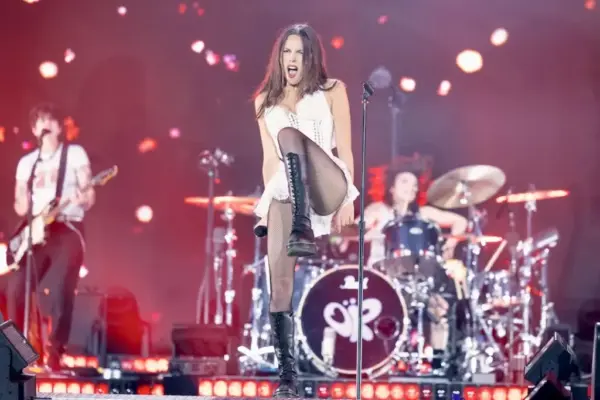
- The Source: Replicating a challenging remix workflow, we targeted a live concert recording featuring the iconic 1970s rock band Kiss, specifically pulling a snippet of "Do You Love Me?" from their live album Kiss Destroys Anaheim 76. Live recordings present a notoriously difficult test due to pervasive crowd cheering, overdubbed applause, clapping, and wide-stage acoustic reflections.
- The Processing: First, the raw audio snippet was processed using the Vocal & Instrumental stem separation algorithm. Because this initial pass left behind residual crowd noise and clapping, we routed the resulting vocal stem back into the app using the Voice & Noise pipeline, applying Normal noise cancellation and de-echo.
- The Result: The secondary pass dramatically tightened the vocal stem, cleanly attenuating the ambient crowd roar and bringing the lead vocal forward in the stereo field.
- DAW Integration: The isolated rock vocal was imported into an acid house framework. Backed by squelchy 303 basslines and punchy drum loops, the raw energy of the live rock vocal—bolstered by modern saturation, precise EQ notch filtering, and aggressive transient shaping—transmuted into a bizarre yet compelling genre-blending hybrid track titled “Limosine Acid.”
Future Outlook: The Road Ahead for AI Audio Restoration
The successful deployment of neural networks like LALAL.AI’s Lynx points toward a fascinating future for music production and sound design. As machine learning models continue to shrink in latency and grow in computational efficiency, several key trends are emerging:

- Real-Time DAW Integration: While Pro-tier users currently benefit from plugin-based workflows, the future will likely see zero-latency, real-time AI cleaning algorithms running natively on host machine CPUs and specialized neural processing units (NPUs). Producers will be able to monitor a scratchy mic feed or an external hardware line in real-time, completely stripped of room noise before the audio even hits the recording buffer.
- Context-Aware Genre Tailoring: Future iterations of voice isolation networks may incorporate genre-specific profiles—allowing algorithms to recognize whether a user wants lo-fi warmth and grit preserved for a hip-hop boom-bap beat, or hyper-sterile vocal clarity for modern pop and EDM productions.
- Democratization of Archival Sampling: By drastically lowering the technical barrier required to salvage degraded historical audio, tools like Lynx empower independent bedroom producers to pull high-grade source material from obscure, decaying analog media that would have previously been deemed completely unusable.
Final Verdict
LALAL.AI’s Lynx proves that AI audio restoration has moved past mere novelty and into the realm of indispensable studio utility. For electronic music producers, crate-diggers, and sound designers who live for the thrill of the unexpected sample, Lynx offers a reliable, time-saving safety net that turns audio trash into pristine sonic treasure.

Follow Attack Magazine & Essential Resources
To further elevate your music production workflow, explore Attack Magazine’s curated collection of industry-leading books and tools:

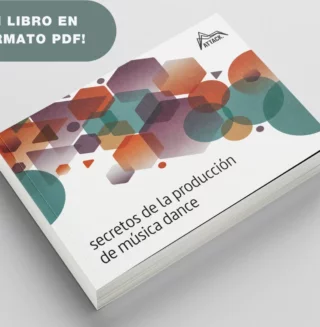
- The Secrets of Dance Music Production Book: The definitive global guide to electronic music creation, complete with exclusive sample packs.
- The Producer’s Manual: Everything you need to take a mix from initial recording to final master.
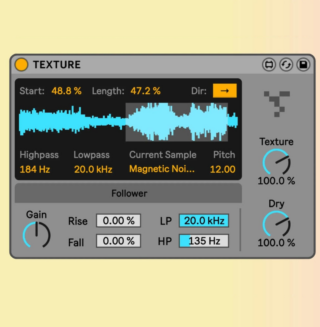
- Max for Live: Texture: Add simple, effective organic texture to any sound in Ableton Live.
Stay tuned to Attack Magazine for more in-depth hardware reviews, software breakdowns, and masterclasses.