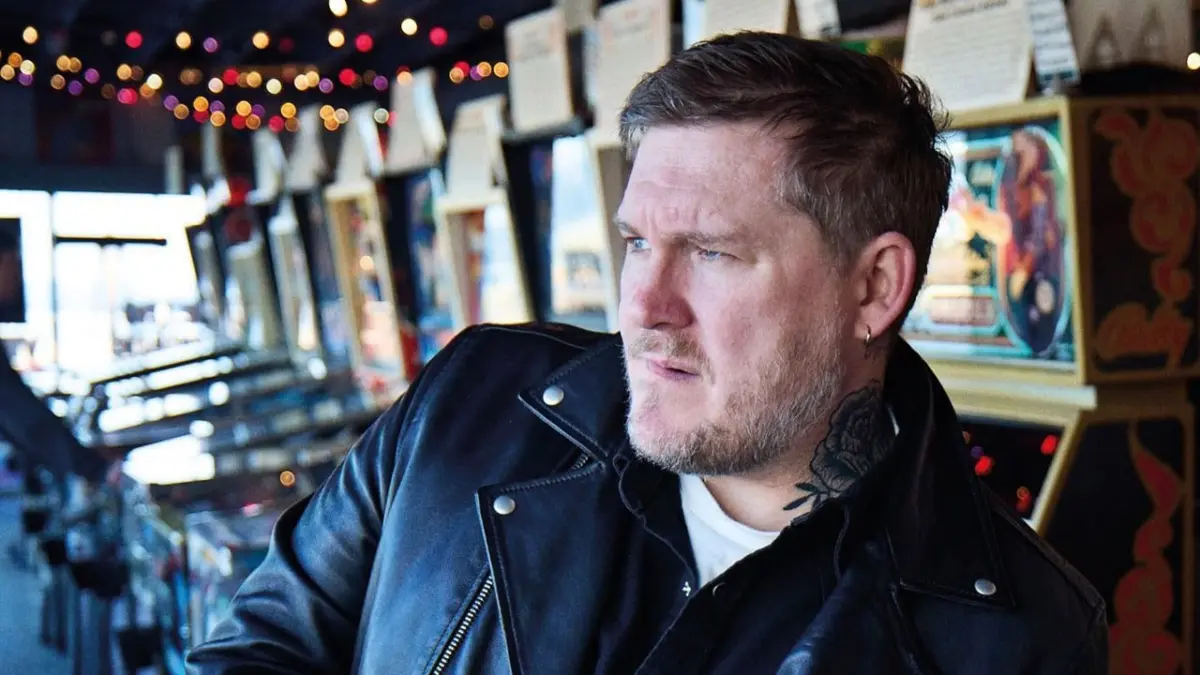
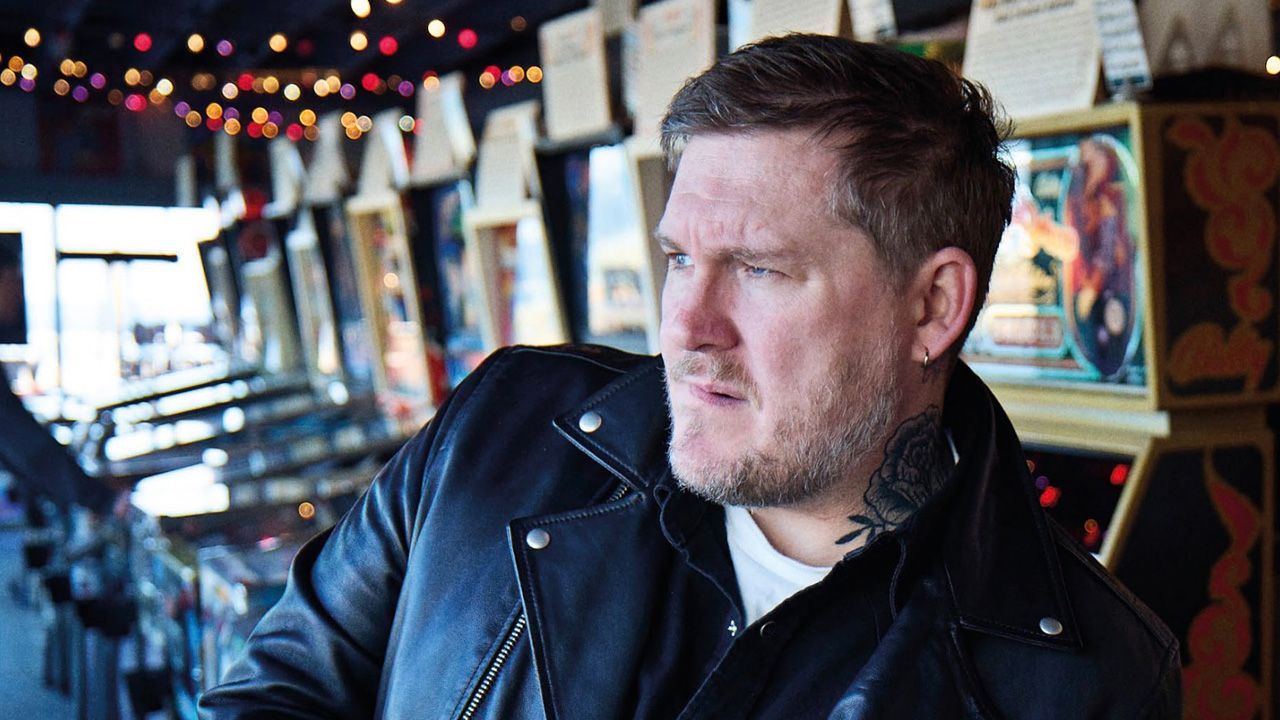
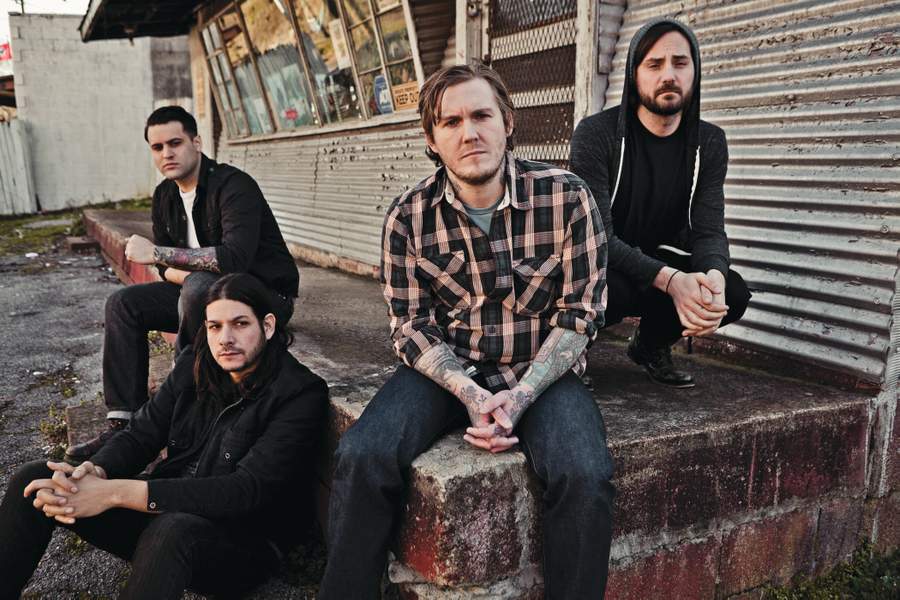
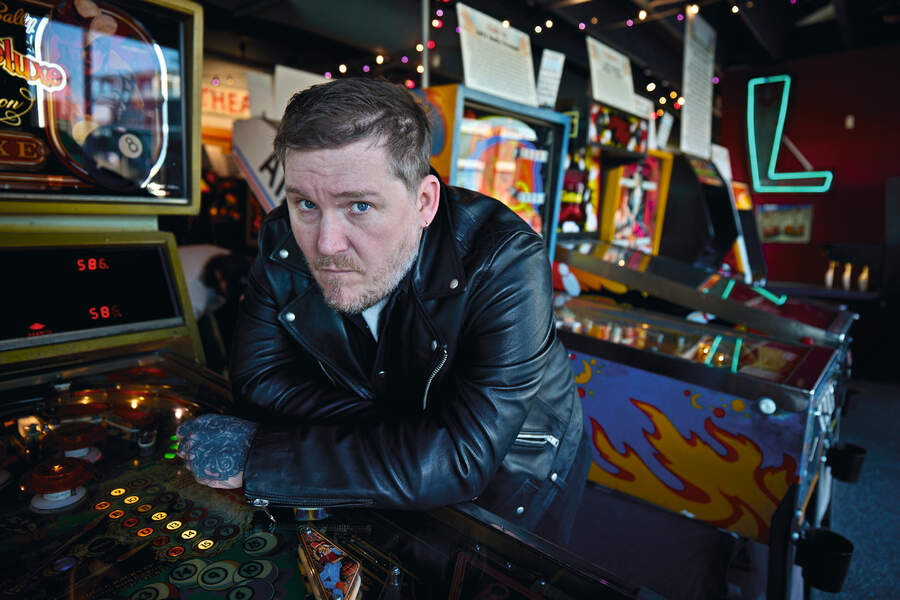
For over two decades, Brian Fallon has stood as one of modern rock music’s most evocative chroniclers of working-class romance, existential anxiety, and quiet resilience. Best known as the frontman for the acclaimed New Jersey rock outfit The Gaslight Anthem, Fallon’s music has long bridged the raw, kinetic energy of mid-2000s punk rock with the grand, narrative storytelling of traditional American heartland rock.
With the release of his solo effort, Not Bad For New Jersey, Fallon turns his lens directly inward, taking stock of a career defined by unlikely triumphs, profound mentorships, and an unshakeable connection to his home state. Framed by a title that embraces Garden State self-deprecation, the project encapsulates Fallon’s trajectory from a blue-collar construction worker pretending to be his own booking agent to performing before tens of thousands alongside Bruce Springsteen at London’s Hyde Park.
This comprehensive profile explores Fallon’s formative years, his rise through the punk subculture, the legendary backing of rock royalty, and the grounded philosophy that keeps him rooted as an outsider in an industry built on illusion.
Detailed Chronology
===================================================================================
                               CAREER TIMELINE
===================================================================================

 [1980s–1990s]  Early Life in New Jersey
                • Raised by a single mother; faces childhood adversity.
                • Attends a high school plagued by the regional opioid epidemic.
                • Absorbs punk aesthetics (The Clash) and takes up blue-collar trades.

 [2006]         Formation of The Gaslight Anthem
                • Established in New Brunswick / Asbury Park, NJ.
                • Melds punk rock urgency with heartland storytelling.

 [2007–2008]    Breakthrough Era
                • Releases debut album *Sink or Swim* (2007).
                • Releases critically acclaimed *The '59 Sound* (2008), capturing national
                  and international attention.

 [June 2009]    The Springsteen Cosign & European Breakthrough
                • Glastonbury Festival: Bruce Springsteen makes a surprise appearance in
                  Gaslight's dressing room and joins them on stage for "The '59 Sound."
                • Hyde Park (London): Fallon joins Springsteen during his headlining set
                  before tens of thousands of fans.

 [2011]         Global Tours & Near-Disaster
                • Tour band faces severe injuries (drummer Benny Horowitz).
                • Experienced the 8.9-magnitude Great East Japan Earthquake while on a
                  bullet train to Tokyo.

 [2015–Present] Hiatus, Solo Evolution, and *Not Bad For New Jersey*
                • The Gaslight Anthem announces an indefinite hiatus (reconvening periodically).
                • Fallon builds a solo discography (*Painkillers*, *Sleepwalkers*, *Local Honey*).
                • Releases *Not Bad For New Jersey*, reflecting on blue-collar identity and faith.
===================================================================================
1. Formative Years and the Crucible of Blue-Collar Jersey (1980s–2005)
Born and raised in the rural and suburban pockets of New Jersey, Fallon grew up in a single-parent household. Without a father figure present, he looked to his mother—who balanced multiple jobs to cover household bills—for life lessons grounded in endurance and quiet sacrifice.
During his teenage years, Fallon attended a high school heavily impacted by the early waves of the American opioid crisis, earned the grim moniker "Heroin High" among locals. Seeing peers fall victim to addiction instilled in him an early terror of hard drugs, steering him away from substance abuse. Instead, he channeled his energy into punk rock, customizing denim jackets to emulate bands like The Clash and learning the electrical and carpentry trades to make ends meet.
2. The Rise of The Gaslight Anthem and Glastonbury (2006–2009)
Formed in 2006, The Gaslight Anthem rapidly carved out a niche within the indie and punk scenes. Their second studio album, The ’59 Sound (2008), became a major critical success.
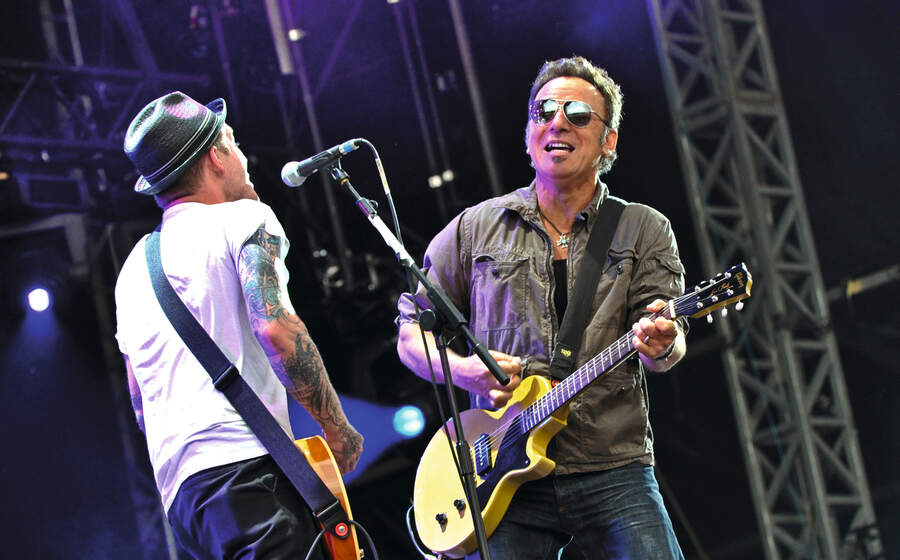
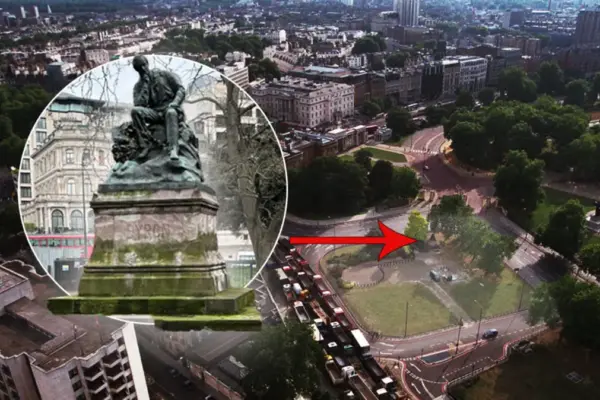
The band’s momentum culminated in June 2009 at the Glastonbury Festival in England. Moments before their performance, a police vehicle arrived at their dressing room. Expecting trouble, Fallon was instead greeted by Bruce Springsteen. The Boss had become an admirer of the young Jersey band, asking to join them onstage to play the title track of The ’59 Sound. Weeks later, Springsteen invited Fallon to join him during his headlining set at London’s Hyde Park before a vast crowd—a iconic image now framed on Fallon’s wall at home.
+-----------------------------------------------------------------------------------+
|                        GLASTONBURY 2009: A TURNING POINT                          |
+-----------------------------------------------------------------------------------+
|  Location: Worthy Farm, Somerset, UK                                              |
|  Pre-Show Event: Bruce Springsteen arrives via police escort at Gaslight trailer  |
|  On-Stage Collaboration: Springsteen performs "The '59 Sound" live with the band |
|  Follow-Up Event: Hyde Park, London – Fallon sings during Springsteen's headline  |
+-----------------------------------------------------------------------------------+
3. Touring Hardships, Trauma, and Solo Transition (2010–Present)
The years following The ’59 Sound brought commercial successes alongside the physical and psychological strains of relentless touring. In 2011, while touring Japan, Fallon and his bandmates were aboard a bullet train traveling through the mountains when the 9.1-magnitude Great East Japan Earthquake struck, leaving the band stranded without power as the train swayed dramatically on the tracks.
Physical injuries were also common on the road. Drummer Benny Horowitz suffered a severe laceration from sharp scaffolding while walking onstage, playing through a blood-soaked set before requiring emergency room stitches.
Following a hiatus announcement by The Gaslight Anthem in 2015, Fallon turned his focus toward a solo career. His solo works showcase an acoustic-driven, contemplative side of his songwriting, leading up to Not Bad For New Jersey.
Supporting Context & Metrics
The New Jersey Music Legacy & Underdog Complex
New Jersey has long produced iconic figures across music and pop culture, yet it remains culturally overshadowed by neighboring metropolises like New York City and Philadelphia. Fallon argues that this underdog status creates a distinct psychological advantage: a necessity to work harder and keep one’s talent hidden until it counts.
+-----------------------------------------------------------------------------------+
|                    NEW JERSEY CULTURAL HEAVYWEIGHTS MATRIX                        |
+-----------------------------------------------------------------------------------+
|  Category                | Prominent Figures                                      |
+--------------------------+--------------------------------------------------------+
|  Music Legends           | Frank Sinatra, Bruce Springsteen, Jon Bon Jovi         |
|  Modern Innovators       | Jack Antonoff (Bleachers), Brian Fallon                |
|  Film & Screen           | Jack Nicholson, Bruce Willis, Scarlett Johansson       |
|  Cultural Perception     | Overlooked "Underdog" State vs. NYC / Philly           |
+--------------------------+--------------------------------------------------------+
Industry Positioning: Outsider vs. Insider
Fallon explicitly contrasts his career trajectory with artists who navigate mainstream industry circles. While peers like Jack Antonoff or indie rock acts like The Strokes adapted well to major-label networks and high-profile social circles, Fallon aligns himself with historical "outsiders" such as The Replacements, Tom Waits, and Nick Cave.
+-----------------------------------------------------------------------------------+
|                     THE ARTISTIC SPECTRUM: INSIDER VS. OUTSIDER                   |
+-----------------------------------------------------------------------------------+
|  INSIDER MODEL (Mainstream / Pop)     |  OUTSIDER MODEL (Heartland / Punk)        |
+---------------------------------------+-------------------------------------------+
|  • High Industry Integration          |  • Self-Managed / DIY Ethos               |
|  • Mainstream Pop Crossovers          |  • Cult Followings & Blue-Collar Appeal   |
|  • Global Stardom & Media Exposure    |  • Grounded Lifestyle & Local Ties        |
|  • Primary Focus: Pop Production      |  • Primary Focus: Narrative Storytelling  |
|  • Example: Jack Antonoff             |  • Example: Brian Fallon / Paul Westerberg|
+---------------------------------------+-------------------------------------------+
Official Statements & Direct Reflections
Throughout his career, Fallon has reflected on his upbringing, work ethic, and experiences alongside rock royalty. Below are key statements from Fallon detailing the pivotal elements of his personal and professional journey.
On New Jersey’s Identity and the State’s Underdog Mentality
"People talk about New York and Boston and Philadelphia, but we don’t even have a major city that people reference. We get tossed aside, yet we have a pretty good track record here for talent—Sinatra, Springsteen, Bruce Willis, Scarlett Johansson… even Jack Nicholson was born in New Jersey. But people never give it credit. They’ll go: ‘Oh, that’s not bad for New Jersey.’ So I turned that on its head for this album."
"People from Jersey keep a little back. It ties in with the underdog thing. We’ll never show you everything we’re good at. It makes people underestimate what you can do, so when it comes match time you have an edge. When you underestimate people long enough, they start to use that to their advantage."
On Bruce Springsteen and the 2009 Breakthrough
"Right before we were about to go on stage [at Glastonbury], this cop car pulls up outside our dressing room. I thought: ‘Great, one of the guys has snuck weed over here and we’re going to jail.’ Then Bruce gets out of the police car and walks into our dressing room and just starts casually chatting about music… He came out and played with us in that tent. That moment just overtook me."
"There’s a photo on the wall of my house from Hyde Park… It’s taken from the back, and all you see is the microphone, me and Bruce and this sea of people. I just walked past it, and I’m still amazed that it happened."
+-----------------------------------------------------------------------------------+
|                        SPRINGSTEEN & FALLON: THE HYDE PARK IMAGE                  |
+-----------------------------------------------------------------------------------+
|  Visual Composition : Shot from behind the amplifiers looking outward             |
|  Subject            : Brian Fallon and Bruce Springsteen sharing a single microphone|
|  Foreground/BG      : Studio monitors, mic stands, and a sea of 50,000+ spectators |
|  Location in Home   : Framed on Fallon's hallway wall in New Jersey               |
+-----------------------------------------------------------------------------------+
On Ambition, Fame, and Blue-Collar Work Ethics
"I’ve spent a lot of time talking to guys like Springsteen and Jon Bon Jovi, and they have an intense drive. I love punk rock and Tom Waits and Nick Cave—I’m comfortable with a level of fame where you can still have a normal life. But those guys really wanted to take on the world. I just wanted to maybe take on a couple of countries. I had something to prove, but not that much."
"I worked in construction for a long time, and for me it was the fear of having to go back into that that kept me going. Construction sucked. Some people are great at it, but I hated it… But I can still do that stuff. Electricity is my specialty. You never know when that stuff will come in useful."
On Faith, Family, and Avoiding Rock ‘n’ Roll Pitfalls
"It was just my mom and me growing up. My mom taught me lessons about life by what she did rather than what she said. She was always working, but when she came home, she really sat with me and focused just on me… Seeing that example taught me not to let whatever gets in your way stop you."
"Where I come from, almost everybody is Irish Catholic or Christian… Not having a father affected me deeply as a kid, and the idea of a heavenly father really impacted on me. I believe in God and Jesus because I need it to be true. Whether it is true or not, I’m not going to argue with anyone about it. But for me, I need it to be true."
"The nickname for the school I went to in New Jersey was Heroin High. A lot of kids died. When you’re thirteen years old and people around you are dying, it scares you enough to say: ‘Okay, that’s not for me.’"
Future Outlook
As Brian Fallon navigates the latest chapter of his career, his trajectory offers a blueprint for sustaining longevity in an unstable music industry.
===================================================================================
                             FUTURE HORIZONS
===================================================================================

  [Solo Discography]  • Continued expansion of acoustic/folk storytelling.
                      • Deepening explore of New Jersey heritage & local histories.

  [Gaslight Anthem]   • Selective touring and anniversary performances.
                      • Balancing high-energy rock shows with family commitments.

  [Personal Ethos]    • Rejection of political posturing and industry elitism.
                      • Commitment to working-class authenticity and craft.
===================================================================================
Fallon remains unbothered by the pressure to chase mainstream pop stardom. By embracing his roots as a tradesman, song craftsman, and New Jersey outsider, he has built a durable career supported by a dedicated international fanbase.
Reflecting on his journey—from sleeping on top of tour vans in the humid heat of New Orleans to exchanging supportive text messages with Jon Bon Jovi following major surgeries—Fallon maintains a quiet humility about his place in American rock music.
"For a kid from New Jersey, my life has been kind of unbelievable," Fallon reflects. "Getting to know Bruce Springsteen—that kind of thing is never supposed to happen. It feels like I’ve won the lottery."