Executive Overview
The past decade in contemporary music can be understood as an era of profound transition, defined by paradoxical cultural pulses: the mournful closure of generational chapters, the violent birth of grassroots scenes, the aggressive dissolution of genre boundaries, and the astonishing resurgence of physical media in a hyper-digitized world. At the heart of this landscape stands Rough Trade. Celebrating its landmark 50th anniversary, the iconic independent record store and label has functioned not merely as a commercial retailer, but as an indispensable cultural archive, a tastemaking institution, and an active incubator for the underground movements that have shaped the modern sonic identity.
From the twilight days of 2016—marked indelibly by the passing of David Bowie and the arrival of his parting masterwork, Blackstar—to the mid-2020s dominance of world-building hyperpop and seismic legacy reunions, the music industry has undergone a radical decentralization. Grassroots venues in Brixton birthed a hyper-literate, sprechgesang-inflected post-punk movement; independent rap expanded its boundaries via visionary artists like Little Simz; and physical vinyl sales defied digital saturation to cement an unprecedented commercial and cultural renaissance.
As part of its golden jubilee, Rough Trade has curated 50 Records for 50 Years, rolling out exclusive anniversary vinyl pressings complete with rare liner notes, exclusive interviews, and first-hand reflections from the staff who lived through the counter-culture shifts. This retrospective dives deep into the decade of 2016–2025, charting how independent music reinvented itself, how physical spaces expanded from London and New York to Bristol, Berlin, and Nottingham, and why the simple act of a record store recommendation remains as potent as ever.
Detailed Chronology: A Decade in Sound (2016–2025)
2016: The Twilight of Icons and the Roots of Revival
The decade opened with a profound moment of reflection. Released on his 69th birthday just two days prior to his passing from cancer, David Bowie’s 26th studio album, Blackstar, transformed overnight from a thrilling new frontier into a monumental final statement. It served as a stark reminder that even after five decades of relentless reinvention, the Starman was still looking forward.
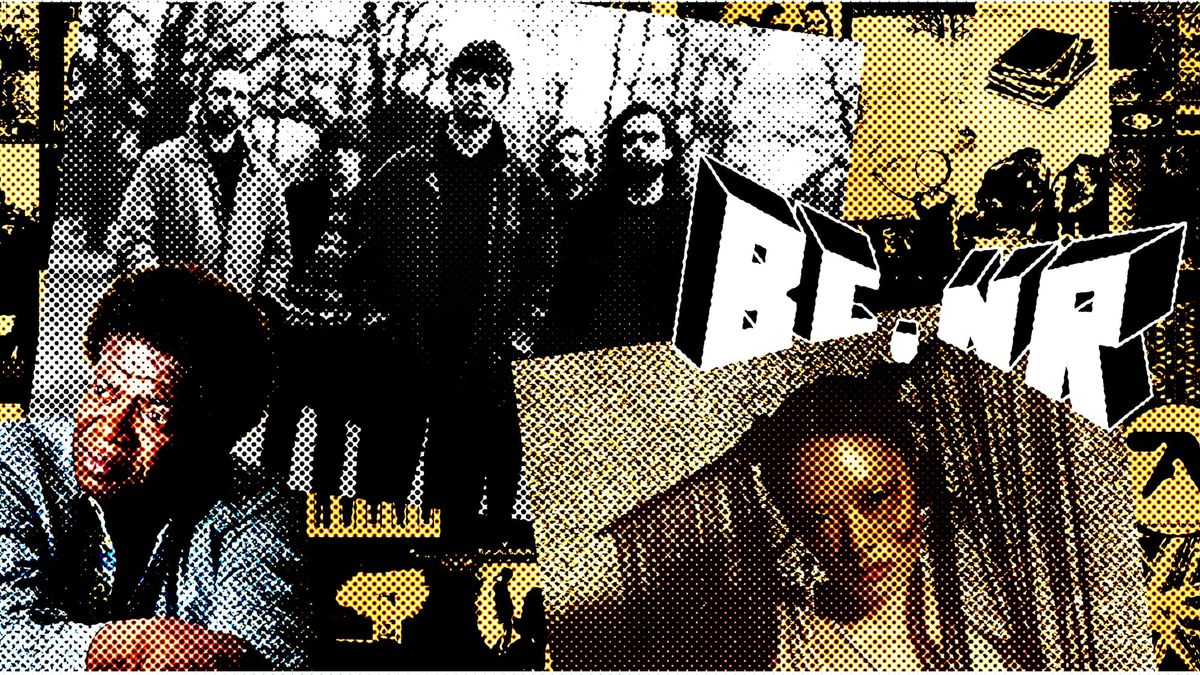
Yet, as legends departed, new scenes were quietly taking root. In South London, the fertile ecosystem surrounding Brixton’s Windmill venue began bubbling over. Bands like Goat Girl, Shame, black midi, Squid, Jockstrap, and Black Country, New Road emerged from a community where experimentation, collaboration, and the sweat of the live experience mattered above all else.
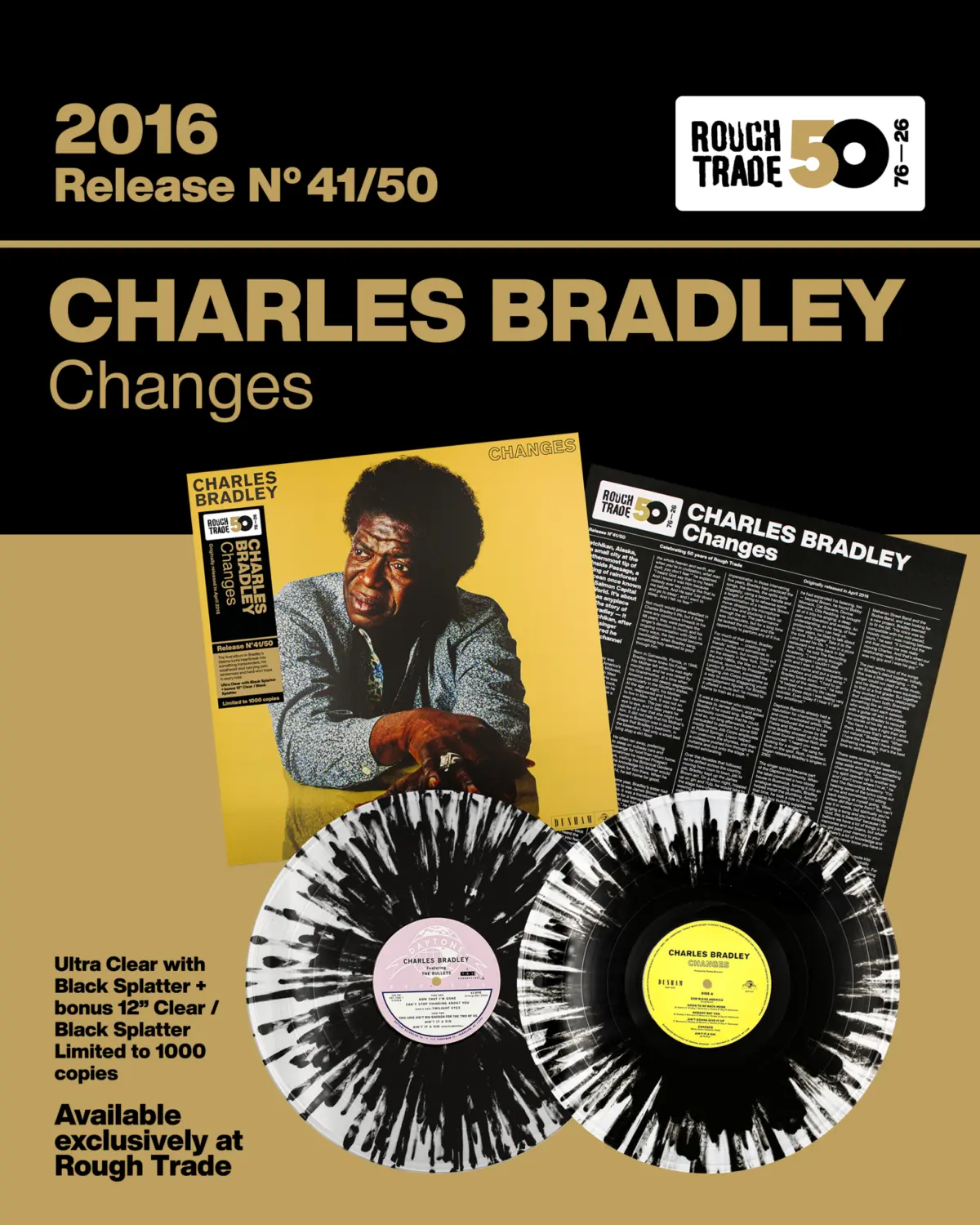
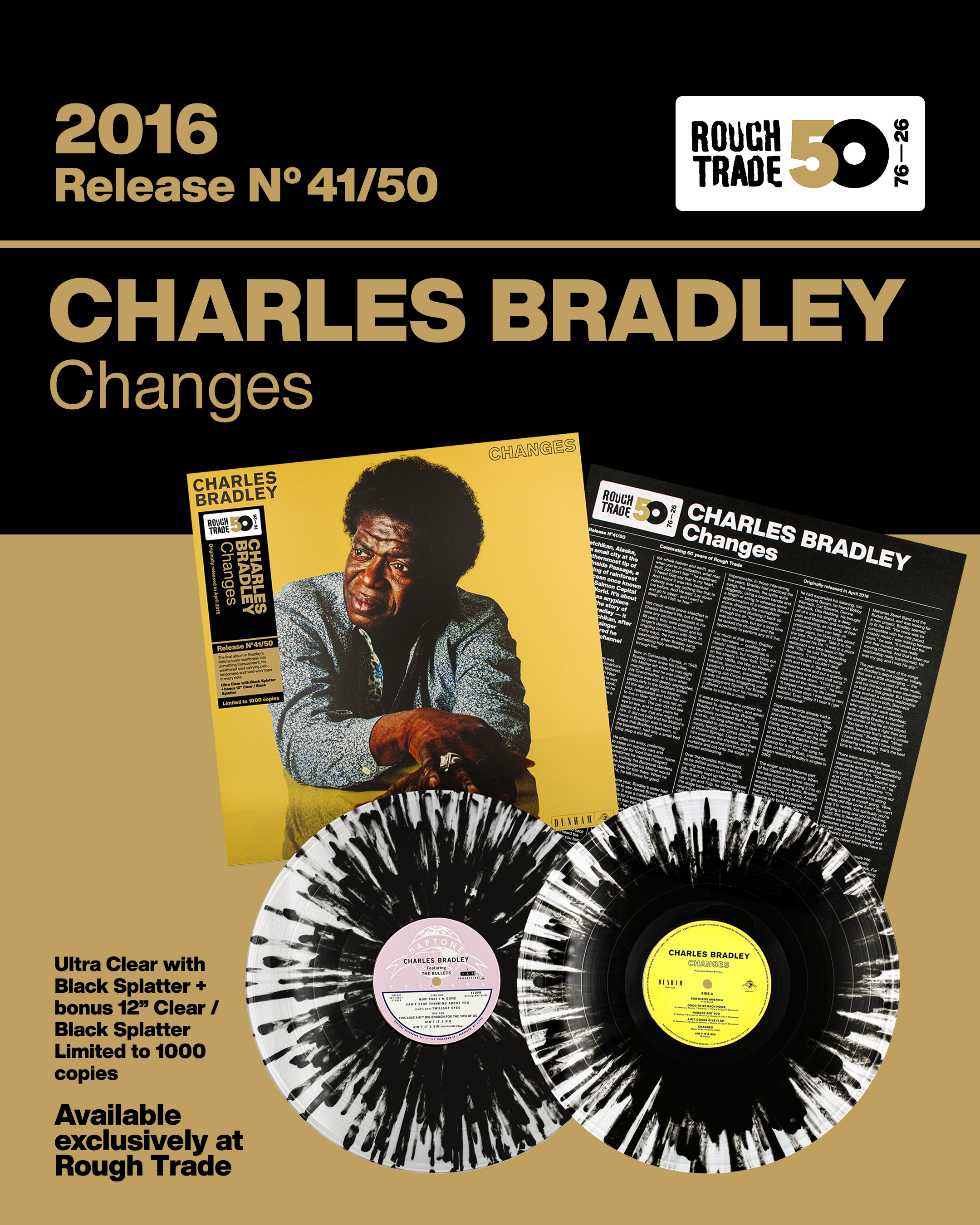
Simultaneously, the late soul singer Charles Bradley delivered his transcendent album Changes. Nicknamed "The Screaming Eagle of Soul," Bradley overcame a life marked by homelessness, the drafting of his first bandmates into the Vietnam War, and the tragic murder of his brother before being discovered at age 62 by Daptone Records co-founder Gabriel Roth. Transforming Black Sabbath’s heavy metal lament into a devastatingly personal soul masterpiece, Bradley’s Changes cemented his legacy as one of modern soul’s most vital and visceral voices.
2017–2018: A Clenched Fist and Dancefloor Deconstruction
As the post-Brexit political climate intensified, guitar music took an increasingly abrasive, urgent turn. In 2017, Bristol quintet IDLES detonated onto the scene with their debut album, Brutalism. Delivered into record store racks like a clenched fist, the record addressed grief, toxic masculinity, class disparity, and existential frustration with uncommon directness, announcing a band with plenty to say and zero interest in whispering.
By 2018, the pendulum swung toward hedonistic escapism. Brisbane-formed Confidence Man burst forth with Confident Music For Confident People, a vibrant, sardonic fusion of 1990s Ibiza danceability, camp lyricism, electro-punk synths, and driving disco beats. It served as a masterclass in tongue-in-cheek irony that compelled listeners to surrender to the dancefloor. Internationally, the global underground was thriving: Bodega brought wiry New York art-punk, Viagra Boys channeled Stockholm absurdity, and Amyl and the Sniffers delivered Melbourne pub rock at full throttle.

2019–2020: Poetic Brawls and Maximalist Pop Explosions
The year 2019 belonged unequivocally to Fontaines D.C. and their urgent, poetic debut, Dogrel. Rising from the pavements of Dublin and London, the record captured a romantic, gritty, and fiercely intelligent strain of post-punk that resonated deeply with the Rough Trade community, eventually topping the store’s Albums of the Year list.
As the world ground to a halt in 2020 due to the global pandemic, pop music underwent a radical, maximalist mutation. Rina Sawayama’s self-titled debut, SAWAYAMA, exploded existing templates by fusing 2000s bubblegum dance-pop, nu-metal guitars, R&B, and avant-garde electronic music. Exploring identity, capitalism, and the immigrant experience as a Japanese-British artist, Sawayama redefined the boundaries of modern pop, proving that commercial accessibility and artistic extremity could coexist.

2021–2022: Meditative Spaces and Generation-Defining Break-Ups
Amidst the collective exhaustion of 2021, electronic producer Floating Points, legendary free-jazz saxophonist Pharoah Sanders, and the London Symphony Orchestra achieved the impossible with Promises. Comprising nine connected, minimalist movements, the record offered slow, meditative soundscapes that anchored a thriving contemporary jazz revival alongside artists like Shabaka Hutchings and Yussef Dayes. Tragically marking a final career masterpiece for Sanders, Promises became an instant classic.
In 2022, the South London post-punk scene reached its emotional zenith with Black Country, New Road’s Ants From Up There. Pair Isaac Wood’s devastatingly vulnerable vocals with the band’s orchestral grandeur, and the result was one of the most powerful break-up records of the modern era—compounded by Wood’s departure from the band just days before its release. It remains the Windmill scene’s undisputed magnum opus.

2023–2025: Folk Tradition, Alt-Country Wit, and Legendary Returns
The subsequent years saw indie music plumb new depths of tradition and wit. In 2023, Irish folk experimentalists Lankum released False Lankum via Rough Trade Records, marrying centuries-old tradition with heavy, droning distortion and Radie Peat’s haunting, ancestral vocals. By 2024, MJ Lenderman’s Manning Fireworks established him as a generational alt-country songwriting talent, blending the mundanity of everyday life with wry humor, Catholicism, and isolation.
The decade culminated in 2025 with a wave of monumental legacy returns. Slowdive completed a miraculous second act; The Cure delivered the long-awaited Songs of a Lost World; and Britpop heavyweights Blur and Pulp returned to both stages and record racks. Jarvis Cocker’s More, Pulp’s first album of new material in nearly 24 years, proved that observational songwriting could age with grace, humor, and razor-sharp relevance.

Supporting Context & Metrics: The Physical Renaissance
While the digital streaming economy continues to dominate mass consumption—with TikTok capable of catapulting decades-old tracks back into global charts overnight—the past ten years have witnessed an astonishing, counter-intuitive boom in physical music.
- The Vinyl Ascent: Vinyl records have transitioned from a nostalgic niche market to a primary cultural currency. Music fans increasingly demand tangible artifacts that exist beyond algorithms and compressed digital files.
- Global Footprint Expansion: Rough Trade has expanded its physical presence to meet this growing demand, opening new flagship destinations in Bristol, Liverpool, London, and Berlin, establishing roots in Nottingham, and relocating Rough Trade NYC from Brooklyn to Manhattan.
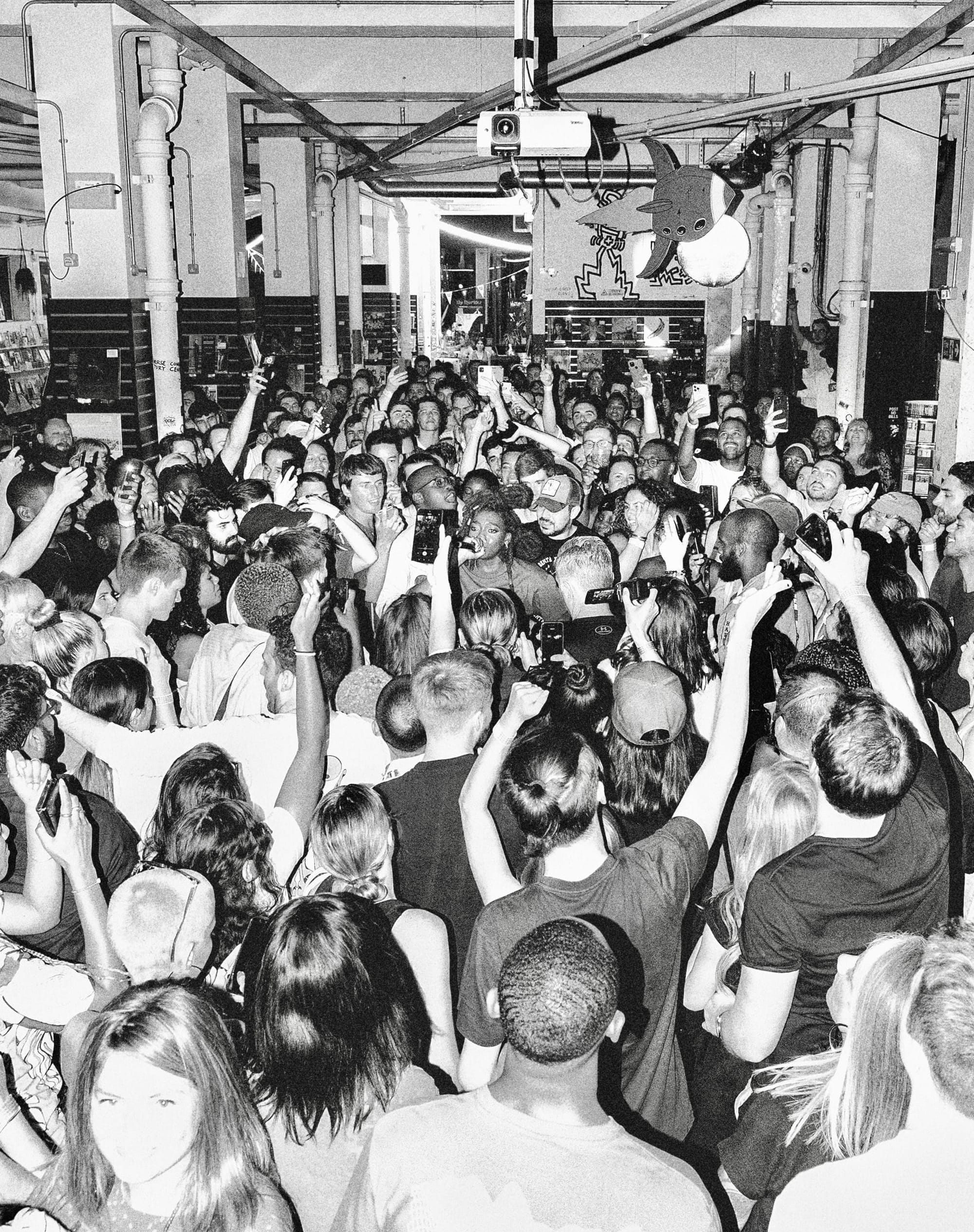
- Community Hubs: Stores like Rough Trade East have evolved into vital cultural melting pots where fans, independent labels, and international touring artists converge for intimate in-store performances, exclusive vinyl drops, and community events.
Official Statements & Staff Reflections
Running an independent record store over the past decade has required resilience, vision, and an unwavering passion for discovery. The staff at Rough Trade have documented these seismic shifts from behind the counter:

- On Grassroots Development: "There are few better pleasures in running a record store than seeing something genuinely exciting flourish. The venues get bigger, the crowds wilder, and the records more ambitious, but that first spark of discovery remains much the same."
- On IDLES’ Impact (Brutalism, 2017): "The debut album from the Bristol five-piece arrived into the racks like a clenched fist. Songs about grief, masculinity, class, and frustration delivered with uncommon directness…" — Emily, Rough Trade East
- On Fontaines D.C. (Dogrel, 2019): "An urgent, insistent, and powerful debut album. A poetic brawl, a slick-witted masterpiece. A self-assured, perfectly structured set of songs from five guys who knew exactly when to pull you close and when to let you loose." — Emily, Rough Trade Office
- On Black Country, New Road (Ants From Up There, 2022): "Undoubtedly the pinnacle of 2022. Isaac Wood’s vulnerable vocals paired with the band’s grandeur make for one of the most powerful and bitterly beautiful break-up records of a generation…" — Cammy, Rough Trade Office
Future Outlook: The Next Fifty Years
As Rough Trade celebrates its 50th anniversary, the landscape of independent music looks both vastly different and reassuringly familiar. The rigid genre borders that once divided pop, electronic music, rap, and the avant-garde have largely dissolved, championed by boundary-pushing artists like Charli xcx—whose BRAT redefined modern cultural world-building—and genre-fluid innovators like Little Simz, Arca, and Vince Staples.
Yet, despite the omnipresence of the cloud and the algorithmic convenience of modern streaming platforms, the foundational mission of the independent record store remains unchanged: to create a physical space where artists and audiences can meet, where curiosity is rewarded, and where a simple recommendation across a counter can send somebody home with a record they never knew they needed.

Fifty years after Rough Trade first opened its doors, physical music is not merely surviving; it is ascending. And as the crates are restocked for the next half-century, one truth remains self-evident: there has never been more music left to discover.