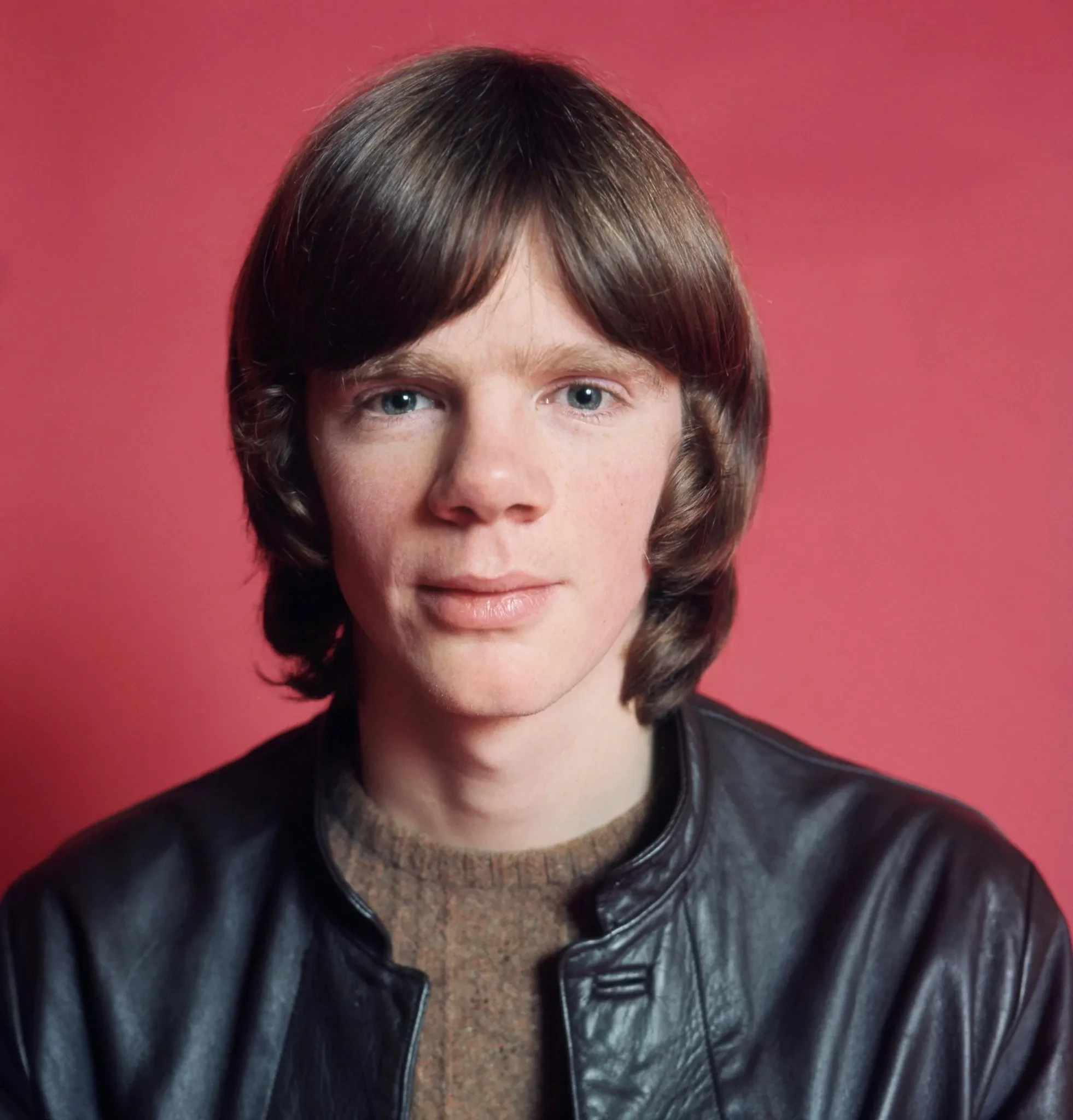
If rock history were mapped out using the spindly, hand-drawn connective threads of Pete Frame’s legendary Rock Family Trees, few individuals would occupy as central and densely populated a nexus as Derek “Blue” Weaver. To trace Weaver’s career is to follow a masterclass in musical ubiquity. His trajectory connects the Welsh valleys of Amen Corner to the quintessential English folk-rock of the Strawbs, the swaggering art-rock of Mott the Hoople, and the global disco domination of the Bee Gees.
Stir in a studio discography that reads like a pantheon of modern music—ranging from Alice Cooper and Lou Reed to the Pet Shop Boys—and you begin to realize that conventional music histories have barely scratched the surface of his contributions.
Now, at 79 years young, operating out of his studio in northern Germany, Weaver remains as active, reflective, and fiercely dedicated to his craft as ever. His latest project brings full circle a life spent in service to great songs: the release of Grave New World Live, capturing the Strawbs’ landmark 1972 transition album performed in New Jersey in 2019.
In this comprehensive exploration of his life and times, we examine how a working-class kid from Wales became the secret weapon of the world’s most iconic musicians, holding the keys to six consecutive US number-one hits, accidentally stepping into Lou Reed masterpieces, and refusing to slow down.
Detailed Chronology: From Minigabs to Monumental Stages
1. The Amen Corner Roots and the Strawbs Transition (Late 1960s–1972)
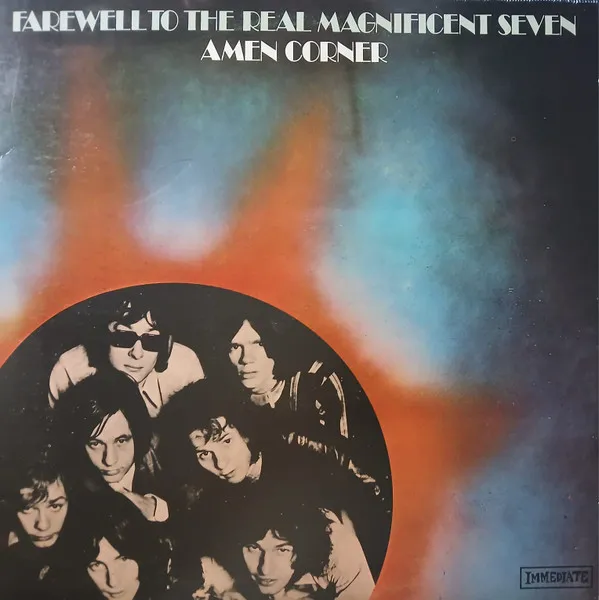
Weaver’s musical education was forged in the white-hot crucible of late-1960s pop and rock. Alongside drummer Dennis Bryon, Weaver cut his teeth in the Welsh pop-soul outfit Amen Corner, experiencing the whirlwind of chart success before the group fractured.
Following the demise of Amen Corner, Weaver found his true creative spiritual home when he joined the Strawbs. While many musicians drifted in and out of lineups, Weaver maintained a lifelong bond with the band and its visionary leader, Dave Cousins. Looking back, Weaver reflects simply:
"Strawbs was the only group I never left."
The band’s evolution culminated in the 1972 masterpiece Grave New World, a record that marked their definitive shift from acoustic folk traditionalists to major-league rock dynamos—particularly in the United States.
2. Hard Times and the Morgan Studios Miracle (1973)
Like many artists, Weaver experienced periods of financial precarity. Following an initial departure from the Strawbs, he found himself driving a minicab in London just to pay the rent. Music, for a brief moment, felt miles away.
Then came a twist of fate at Morgan Studios. Having previously contributed memorable Mellotron work to Alice Cooper’s 1973 classic Billion Dollar Babies—work that had earned quiet acclaim among producers—Weaver bumped into American producer Bob Ezrin.
As Weaver recalls, the meeting quickly escalated into an audition of the highest order:
"We were sitting there talking, and then, suddenly, Steve Winwood walks over. He had to leave for another gig. So, Bob said, ‘Oh, shit, we haven’t got a keyboard player.’ And then he’s sort of looking at me…"
Ezrin swiftly opened the studio door, ushered Weaver onto a still-warm piano stool, and introduced him to a backing ensemble featuring Jack Bruce, Aynsley Dunbar, and Steve Hunter. After a brief warm-up jam, Lou Reed walked into the room. Chord charts were quickly scribbled down, and the resulting session birthed the transcendent piano work on Reed’s "Men of Good Fortune."
3. The Bee Gees and Global Supremacy (1975–1980s)
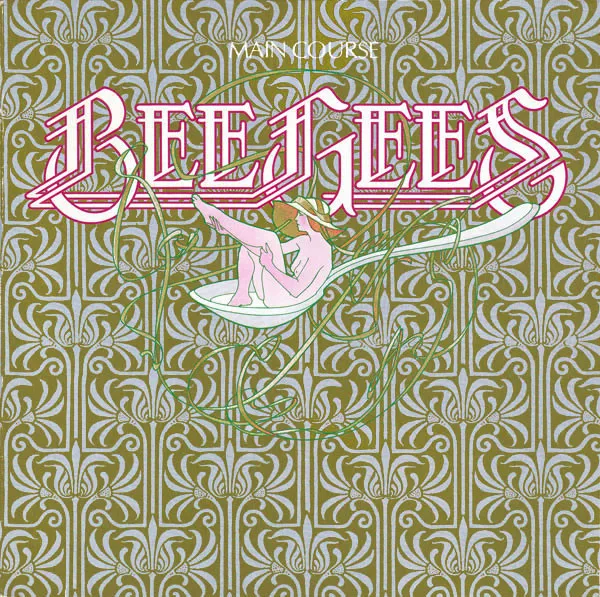
In 1975, Weaver joined the ranks of the Bee Gees, embarking on a run of commercial success that few artists in history could ever dream of matching. Reuniting with former Amen Corner drummer Dennis Bryon, Weaver became a core component of the Gibb brothers’ legendary rhythm section.
His contribution to the Saturday Night Fever soundtrack and the subsequent string of chart-topping singles cemented his status as a hit-making machine. The sheer scale of this era defined late-1970s pop culture, transforming Weaver from a respected session player into an architect of global radio dominance.
4. The Fairlight Era and the Pet Shop Boys (1985)
As musical technology shifted in the 1980s, Weaver proved himself as adept at adapting to digital innovations as he was at mastering analog organs and pianos. When the revolutionary Fairlight CMI synthesizer became the defining sound of the decade, Weaver’s technical expertise positioned him at the cutting edge.
Through manager Tom Watkins, Weaver was introduced to a nascent duo called the Pet Shop Boys, who were fresh off the release of "West End Girls." Weaver helped the duo re-record tracks for television and radio performances using the Fairlight, ultimately performing at their historic debut live outing at the ICA in London in August 1985, introduced by the semi-animated television character Max Headroom.
"There was just Chris [Lowe], Neil [Tennant] and myself onstage and two Fairlights," Weaver remembers. "Chris played trombone: I’d got him to play it on the record I produced [‘I Want A Lover’] as well. It’s never happened since. I’d love to see a video."
Supporting Context & Metrics: The Statistics of a Legend
To quantify Derek “Blue” Weaver’s impact on popular music, one must look at the unique milestones and statistical achievements that distinguish his career from his peers:
The US Chart Record: Weaver proudly holds the distinction of being the only keyboard player to have played on six consecutive US Number One hits, a feat achieved during his tenure with the Bee Gees at the height of the disco era.
A Trans-Atlantic Discography: His studio and live credits span genres that typically repel one another. From shock-rock (Alice Cooper) and proto-punk/art-rock (Lou Reed, Mott the Hoople) to British folk-rock (Strawbs) and synth-pop pioneers (Pet Shop Boys), Weaver’s versatility bridges nearly every major musical movement of the late 20th century.
Academic Recognition: In a delightful twist for someone who famously "hardly went to school," Weaver was appointed Honorary Professor of Music at Bangor University, where he now utilizes deep cuts from the Strawbs’ catalog as pedagogical tools for the next generation of musicians.
The 79-Year-Old Road Warrior: Rather than resting on his laurels, Weaver continues to tour Europe, performing in a specialized stage show celebrating the history and songs of the Bee Gees.
Official Statements and Reflections
Speaking candidly from his professional sanctuary in northern Germany, Weaver remains deeply philosophical about his journey, his peers, and the enduring legacy of the Strawbs.
On the Live Resurrection of Grave New World
Discussing the long-overdue vinyl and digital release of the Strawbs’ 2019 performance in Lakeside, New Jersey—organized in part due to the city mayor’s fervent fandom—Weaver beams with enthusiasm:
"It was a fantastic week. We did three or four days in the hall, and one evening was taken up with Grave New World Live, with Wesley Stace doing a commentary. It was funny. Dave [Cousins] went onstage beforehand and said, ‘Look, we’ve organised this with a linking narrative, so we would appreciate it if you saved the applause to the end and not between numbers.’ So, we went through the album tracks in order and opened up with Benedictus. We finished, and the whole audience started cheering and clapping. Then they remembered, they calmed down…"
On the Genius of Dave Cousins
Following the passing of Strawbs frontman Dave Cousins in July of last year, Weaver paid tribute to a man he considers profoundly underrated:
"He was the one who had the least recognition for the quality of his musicianship and songwriting. He’s not just a songwriter, a lyricist, he’s a poet—in every one of his songs, you can take the music away and there’s a story there."
On What Might Have Been: The Moody Blues
Reflecting on missed connections across the rock pantheon, Weaver shares a revelation discovered only after the passing of Moody Blues drummer Graeme Edge:
"I found out afterwards… that he’d said in an interview, ‘Oh, we considered getting Blue Weaver in, asking Blue to join The Moody Blues.’ And I thought, ‘Graeme, you never told me.’ I remember listening to [1967’s] Days Of Future Passed when we were driving in the van with Amen Corner and thinking it was incredible. Had it happened, I’d have been Moody Blue Weaver…"
Future Outlook: The Endless Journey
As the music industry prepares for the official release of Strawbs’ 50th Anniversary – Grave New World Live on October 9, 2026, Derek "Blue" Weaver shows no signs of slowing down his relentless creative pace.
Far from viewing himself as a nostalgic relic, Weaver is actively touring Europe with the Massachusetts show—a production dedicated to the history of the Bee Gees, performed alongside the Egiziano brothers and featuring special guests like former Bee Gees guitarist Vince Melouney.
Insistent on the integrity of the project, Weaver clarifies:
"We’re the one band that doesn’t pretend to be the Bee Gees. The show is called Massachusetts, and it’s with the Egiziano brothers."
From a minicab in London to the apex of the US charts, from the folk halls of England to university lecture halls in Wales, Blue Weaver’s keys have shaped the soundtrack of our lives. With Grave New World Live arriving later this year, fans are granted yet another window into the mind of a man who didn’t just witness rock history—he played the chords that built it.