Executive Overview
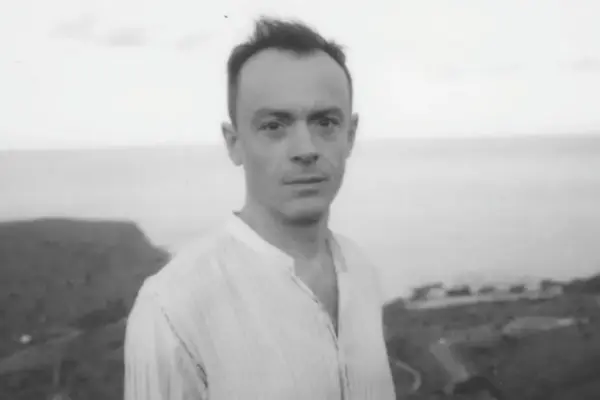
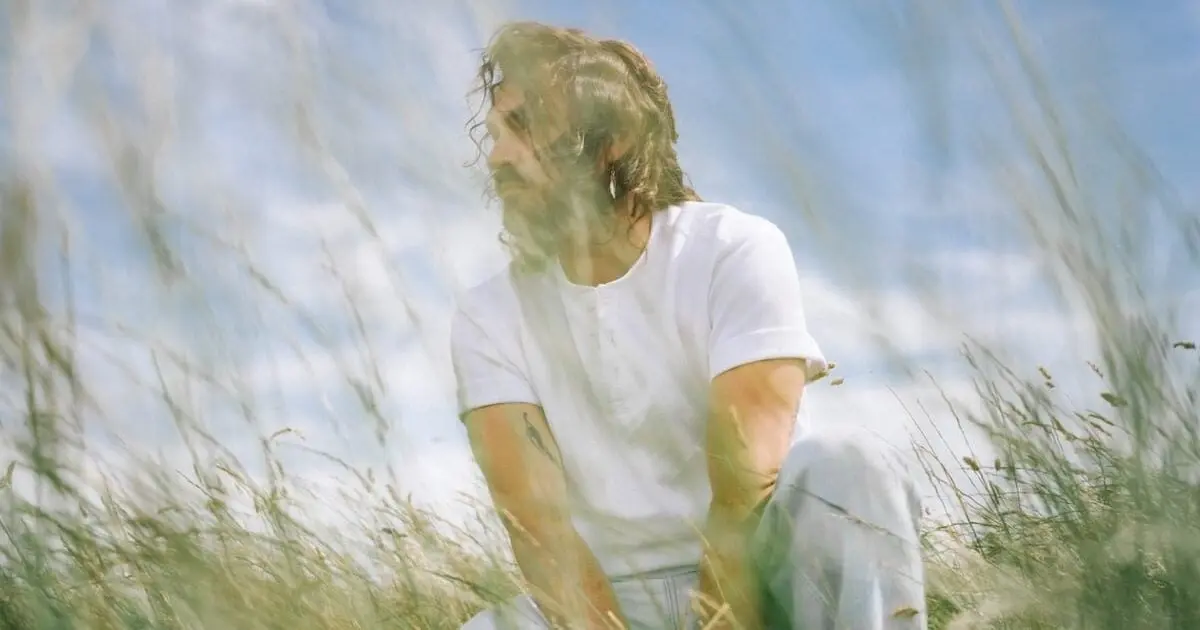
For artists born into illustrious musical dynasties, the path to self-definition is rarely straightforward. The burden of legacy can often cast a long, unyielding shadow over an emerging creator’s work, making it exceedingly difficult to separate personal achievement from familial pedigree. Yet, with his sixth full-length studio album, What Still Survives (slated for release on October 30, 2026, via Navigator Records), award-winning British singer-songwriter Blair Dunlop firmly steps out from any lingering echoes of the past. This record represents a defining moment in a career spent refining an independent voice, proving beyond doubt that Dunlop is a formidable, singular creative force in contemporary folk-rock.
Teaming up with producer Ian Grimble, Dunlop has constructed a rich, timeless sonic landscape. The album’s backbone marries acoustic and electric guitars with driving drums and deep-end bass, thoughtfully embellished by the organic warmth of a Hammond organ, the haunting pull of pedal steel, and soaring violins. Rather than overplaying his hand, Dunlop displays a remarkable maturity. He exercises restraint where others might indulge in excess, allowing the music’s emotional resonance to carry the weight.
What Still Survives is more than just a collection of well-crafted tracks; it is an immersive, cohesive journey of artistic maturation. From the searching introspection of its opening moments to the communal, roof-raising triumph of its finale, the album captures an artist completely at ease with his craft. As Dunlop navigates themes of personal renewal, modern disillusionment, and eventual peace, he solidifies his status as a masterclass operator within the modern folk-rock idiom.
Detailed Chronology: Unpacking the Narrative Arc of What Still Survives
The journey of What Still Survives is structured with deliberate care, forming a distinct emotional and narrative arc that guides the listener from introspective questioning to ultimate resolution.
Seeking the Frame: Opening Statements and Acoustic Landscapes
The album opens with "Looking Through," a track that immediately establishes the thematic quest for personal clarity and self-realization. While the protagonist is not searching for a radical transformation of identity, the underlying lyric yearns to "change the frame I’m looking through." It is an appeal for a lost sense of purity, stripped away by the inevitable accumulation of life’s hurdles and modern debris.
This tangible sense of longing bleeds seamlessly into "Trilobite," anchored by Holly Brandon’s exceptional fiddle work. Brandon’s performance strikes a delicate balance, sounding simultaneously sorrowful and brimming with hope. Throughout these early tracks, Dunlop uses his guitar not as a tool for flashy showmanship, but as an expressive instrument capable of painting precise emotional colors.
Sonic Textures and Genre Explorations
As the album progresses, Dunlop’s guitar arrangements shift dynamically to match the mood of each lyric:
- "Dalmatia, Hiding" deploys a bright, trebly feel, crafting a crisp, sharp sonic clarity that cuts through the mix with precision.
- "This Isn’t Love" finds positive energy within a desolate, loveless circumstance. Here, an abrasive electric guitar lunges forward like an intrusive voice, serving as the catalyst for a fantastic momentum shift into the song’s second phase.
- "The Alchemist" serves as a textbook showcase for the rich resonance and analogue warmth that audiophiles endlessly chase.
- "Pasadena" pivots the record temporarily into a pure, vibrant country music landscape, injecting the tracklist with an undeniable rustic spirit.
The Supporting Cast and Rhythmic Drive
Dunlop is bolstered throughout the record by an exceptional supporting cast. Drummer Fred Claridge lays down a rock-solid rhythmic foundation, most notably nailing a punchy, phat accent that kicks off "Pax Romana."
Meanwhile, guest vocalists add profound emotional depth. On "Lay Your Head Down," Asha Jefferies contributes a breathtaking companion vocal, singing just behind Dunlop’s lead to reinforce the track’s grounded, caring ethos. Later, "Are You Loved"—co-written with Dave Burn, who also chips in on additional guitar and backing vocals—unleashes the band’s rock sensibilities. Featuring a radio-friendly chorus hook, it requires little imagination to picture the track echoing across mainstream rock stations internationally.
The Triumphant Finale
The emotional release at the close of "Pasadena" signals a pivotal turning point, where Dunlop finally sounds at peace with himself. This intentional sequencing sets the stage for the album’s glorious conclusion, "Bud On The Bough." Evoking the spirit of classic rabble-rousers like "Meet On The Ledge," the track brings together every featured vocal contributor to forge an overwhelmingly uplifting chorus line. It is the definitive final brushstroke on a masterfully executed record.
Supporting Context & Metrics: Navigating Heritage and Innovation
To truly appreciate the triumph of What Still Survives, one must contextualize Blair Dunlop’s journey within the broader landscape of legacy acts.
The Weight and Privilege of Musical Heritage
Being born into a musical family is a double-edged sword. Icons of the second generation—such as Sean Lennon, Dhani Harrison, and Eliza Carthy—have all had to navigate the towering shadows of their legendary forebears. While Eliza Carthy’s voice carries the unmistakable resonance of the Waterson/Carthy lineage, and Sean Lennon continually wrestles with Beatles comparisons, Dunlop’s relationship with his heritage possesses its own distinct nuance.
As the son of Ashley Hutchings—a foundational figure in British folk rock celebrated for preserving and advancing traditional music—Dunlop was immersed in a world of esoteric sounds and rich musical education. In fact, following his father’s retirement, Dunlop briefly took the reins of The Albion Band, instantly stepping into a storied institutional legacy.
However, singer-songwriters ultimately live and die by their individuality; copyists of Dylan or Joni Mitchell rarely achieve lasting traction. Recognizing this, Dunlop spent the past decade methodically building a solo catalog that is fiercely and distinctly his own. His guitar playing has steadily evolved, continually pushed forward by the innovative structural possibilities of the folk-rock genre. What Still Survives is the ultimate dividend of this decade-long endeavor, proving that he has successfully transformed his rich upbringing into a uniquely personal idiom.
Official Statements and Production Insights
The creation of What Still Survives was an exercise in trust and sonic architecture. By placing his original material front and center, Dunlop handed the production reins to Ian Grimble, whose studio expertise helped shape the album’s vibrant dynamic range.
Industry commentary surrounding the release emphasizes Dunlop’s growing confidence as a studio artist. Rather than overwhelming the listener with sonic density, the production choices—ranging from the stripped-back, tender restraint of "Eventide" to the expansive, multi-vocal grandeur of "Bud On The Bough"—demonstrate a profound understanding of pacing.
Collaborators like Holly Brandon, Asha Jefferies, Fred Claridge, and Dave Burn have all contributed to an environment where individual musicianship serves the overarching narrative. The conscious decision to favor warm, analog-sounding fidelity over digital sterility has yielded a record that feels tactile, immediate, and enduring.
Future Outlook: Live Sessions and Upcoming Tour Dates
With What Still Survives set for official release on October 30, 2026, through Navigator Records, Blair Dunlop is wasting no time translating these new studio creations to the live stage. The album’s intricate arrangements—captured vividly in recent live session performances of tracks like "Trilobite" and "This Isn’t Love"—translate seamlessly into an intimate, high-energy concert setting.
Fans eager to experience the dynamic range, guitar mastery, and vocal harmony of the new material firsthand can catch Dunlop and his band on their upcoming late-autumn tour across the United Kingdom.
Live Sessions & Digital Resources
- Order the Album: Available on CD and LP via Navigator Records
- Live Session Videos: Explore immersive live renditions of album highlights via Blair Dunlop’s official digital channels.
Official 2026 UK Tour Dates
Tickets for all dates are available now via blairdunlop.com/live/
- 18 Nov: Gullivers, Manchester
- 19 Nov: NCEM, York
- 20 Nov: Temperance, Leamington Spa
- 21 Nov: Louisiana, Bristol
- 22 Nov: Phoenix, Exeter
- 24 Nov: Hug and Pint, Glasgow
- 25 Nov: Head of Steam, Newcastle
- 26 Nov: Live Room, Saltaire
- 27 Nov: Greystones, Sheffield
- 28 Nov: The Grace, London
As Blair Dunlop hits the road this November, he does so not as the scion of a folk legacy, but as a fully realized, commanding artist at the absolute peak of his creative powers. What Still Survives ensures that his name will be referenced in future musical dynasties for generations to come.