Executive Overview
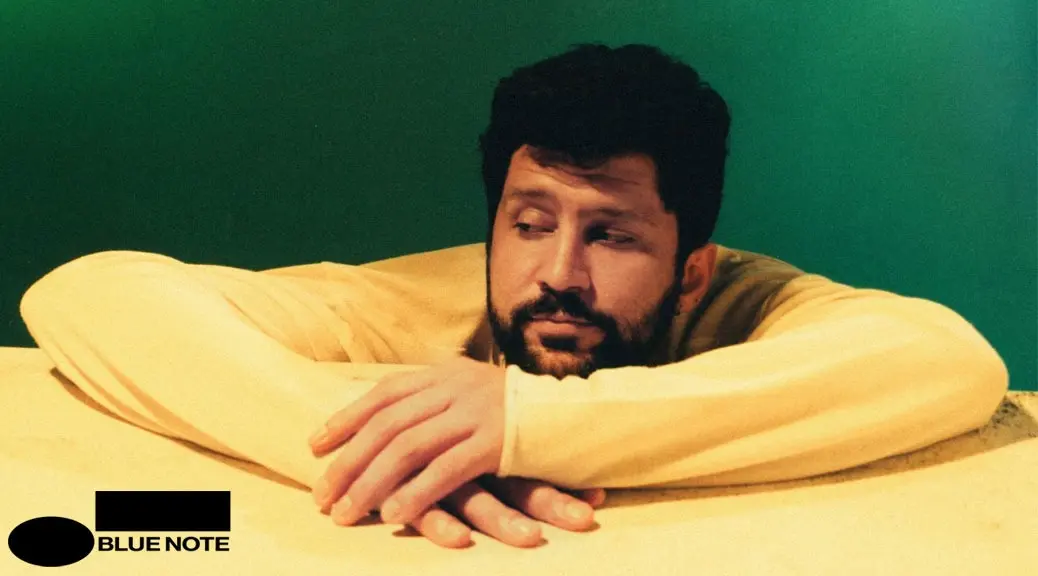
In the continuously shifting landscape of modern improvised music, few transitions feel as culturally resonant as a respected underground stalwart stepping onto a historic, major-label platform. For Los Angeles-based pianist, composer, and producer Kiefer Shackelford—widely known simply as Kiefer—this career-defining moment has arrived. Following a celebrated, multi-album tenure with the tastemaking indie imprint Stones Throw Records, Kiefer has officially made his debut full-length release with the legendary Blue Note Records via his latest studio album, Memory Bomb.
This alliance is far more than a simple shift in label rosters; it represents a convergence of jazz heritage and the bleeding edge of contemporary hip-hop, beat-scene production, and R&B. Blue Note, historically revered as the crucible for mid-century acoustic modernism through iconic architects like Herbie Hancock, Donald Byrd, and Horace Silver, has increasingly positioned itself as a curator of forward-thinking, genre-agnostic music. By welcoming progressive artists such as Domi & JD Beck, Tom Misch & Yussef Dayes, and Blue Lab Beats into its storied catalog, the label proves that its institutional curiosity is as potent today as it was during its 1939 founding era.
Into this lineage steps Kiefer, an artist whose musical DNA is forged equally in the swing of the rhythm section and the heavy, dusty bounce of golden-era hip-hop production. Memory Bomb is an ambitious, sprawling exploration of dream states, subconscious narratives, and rhythmic sophistication. Supported by an all-star cast of collaborators—including powerhouse drummer Nate Smith, producer Kenny Beats, and vocalists Amber Navran, Rae Khalil, and Gareth Donkin—the album serves as a definitive statement from an artist who has spent years shaping the background of modern music, only to now command center stage.
Detailed Chronology: From the Stones Throw Foundation to Blue Note Stardom
To understand the weight of Memory Bomb, one must trace the meticulous trajectory of Kiefer Shackelford’s musical evolution. Emerging from the vibrant, fertile ground of the Los Angeles music scene, Kiefer established his reputation as a musician of rare versatility. Trained rigorously in classical and jazz piano traditions, he developed an uncommon fluency that allowed him to bridge the academic rigor of jazz conservatories with the visceral, sample-informed pulse of contemporary beat culture.
For years, his creative home was Stones Throw Records—the Los Angeles independent label legendary for launching and nurturing icons like J Dilla, Madlib, and Knxwledge. Under this banner, Kiefer released a sequence of acclaimed projects that defined the modern West Coast instrumental jazz sound. Records such as Superbloom (2019), It’s Ok, B U (2023), and Something For Real (2024) established his signature sonic identity: cascading, impressionistic piano chords underpinned by laid-back, neck-snapping hip-hop beats and warm, analog textures.
However, Kiefer’s footprint extended far beyond his own solo discography. His virtuosic playing and distinct harmonic sensibilities made him an in-demand collaborator across the upper echelons of contemporary music. He contributed significantly to the sonic fabric of Anderson .Paak’s acclaimed Grammy-winning albums Oxnard and Ventura, added texture to projects by visionary producer DJ Harrison (including ElectroSoul), and even lent his keys to mainstream juggernauts, appearing on Drake’s blockbuster release Certified Lover Boy.
These diverse collaborations honed Kiefer’s ability to operate chameleon-like across genres without ever losing his distinct artistic voice. By the time 2023 and 2024 rolled around, it became clear that his multidisciplinary approach had outgrown the rigid boundaries of standard niche categorizations. Enter Blue Note Records. Recognizing his unique capability to speak fluently to both traditional jazz purists and modern hip-hop heads, the historic label offered him a home for his most expansive project to date: Memory Bomb.
Supporting Context & Metrics: The Anatomy of ‘Memory Bomb’
Memory Bomb is not merely a collection of songs; it is a conceptual deep dive into the architecture of the unconscious mind. Conceptually anchored around the exploration of various dream states, the album balances moments of tranquil, ambient reflection with high-energy, groove-driven anthems.
The Supergroup Chemistry: The Fathers Quartet
A crucial element of the album’s organic vitality stems from Kiefer’s ongoing work with the Fathers quartet. This collaborative powerhouse brings together Kiefer on keys, super-producer Kenny Beats, legendary groove architect and drummer Nate Smith, and versatile multi-instrumentalist Ben “Carrtoons” Carr. Having dropped their own self-titled debut earlier in the year under the Blue Note umbrella, the quartet transfers their formidable, telepathic live-band chemistry directly into the sessions for Memory Bomb. The result is a rhythm section that feels simultaneously loose and airtight—capable of shifting from intricate, syncopated polyrhythms to deep-pocket R&B grooves within a single measure.
Vocalists and Soundscapes
While Kiefer’s previous outings often leaned heavily into instrumental terrain, Memory Bomb features a curated roster of vocalists and features that elevate the project into a comprehensive R&B and hip-hop masterclass.

- Rae Khalil: Bringing charisma and sharp lyrical phrasing, Khalil anchors tracks like "Nowhere," infusing the composition with a contemporary soul vitality that echoes the golden age of neo-soul while remaining entirely modern.
- Amber Navran: As the distinct voice behind Moonchild, Navran brings her signature whispery, ethereal harmonies to the album, most notably on "Get to the Moon." Her vocals float effortlessly above Kiefer’s dense, modal chord progressions, creating a dreamlike atmospheric haze.
- Gareth Donkin: Representing the UK’s vibrant contemporary scene, London yacht-rocker and multi-instrumentalist Donkin lends his warm, sun-soaked sensibilities to the record, further expanding its geographic and stylistic palette.
- Planet Giza: The acclaimed Canadian hip-hop trio infuses the album with sharp, street-level energy, reinforcing the record’s deep ties to underground rap culture.
The Instrumental Core
Balancing the vocal-led tracks are masterclasses in off-kilter instrumental composition. Tracks like “As She Was” and the cinematic “Overture” showcase Kiefer’s harmonic fearlessness. Drawing inspiration from impressionist classical composers like Maurice Ravel as much as they do from the harmonic re-harmonizations of modern jazz giants like Robert Glasper, these instrumental cuts serve as emotional waypoints throughout the album’s narrative arc.
Official Statements and Industry Perspective
The transition to Blue Note Records has drawn immense industry attention, signaling a broader industry shift toward honoring genre-fluid artists who refuse to be pigeonholed. Music critics and label executives alike have pointed to Kiefer’s signing as a triumph for modern creative liberty.
In recent industry roundtables discussing the evolving mandate of traditional jazz labels, Blue Note’s leadership has repeatedly emphasized the importance of artist-led evolution. While the label continues to safeguard its heritage through meticulous vinyl reissues and historical preservation, it views contemporary signings not as departures from its roots, but as the natural continuation of its legacy.
"Blue Note has always been a house built on innovation, risk-taking, and cultural reflection," notes one industry analyst tracking the label’s modern pivot. "When Art Blakey or Thelonious Monk were pushing boundaries in the 1950s and ’60s, they were playing the progressive club music of their day. By bringing in artists like Kiefer—who synthesize hip-hop production techniques with advanced jazz harmony—Blue Note is simply remaining true to its foundational ethos."
For his part, Kiefer has approached this monumental career step with characteristic humility and focused intent. In discussions surrounding the thematic nature of Memory Bomb, the pianist has described the album as a processing ground for personal history, memory reconstruction, and artistic maturation.
"Making this record felt like confronting the archives of my own mind," Kiefer has expressed in promotional interviews surrounding the release. "When you work with musicians of the caliber of Nate Smith, Kenny Beats, and everyone else involved, you aren’t just playing notes—you’re sharing emotional frequencies. Finding a home at Blue Note means I get to share those frequencies on a global scale, surrounded by a legacy that taught me how to listen in the first place."
Future Outlook: A Defining Year and Beyond
The release of Memory Bomb—hot on the heels of the Fathers quartet project—cements 2026 as an undisputed milestone in Kiefer Shackelford’s artistic evolution. Rather than signaling a radical departure from the foundational qualities that made him an underground darling on Stones Throw, this new chapter represents a harmonious maturation.
As the boundaries between jazz, hip-hop, R&B, and electronic production continue to dissolve, artists like Kiefer are proving indispensable. They possess the rare technical literacy required to navigate complex musical structures, paired with the cultural fluency necessary to resonate with modern listeners raised on loop-based production and streaming algorithms.
With Memory Bomb, Kiefer has delivered his most assured, cohesive, and emotionally resonant work to date. Securely positioned within the illustrious pantheon of Blue Note Records, yet firmly anchored in the streets and beat labs of Los Angeles, Kiefer stands at the vanguard of a new golden age for improvised music—one where the past, present, and future exist simultaneously in every single chord.