Executive Overview
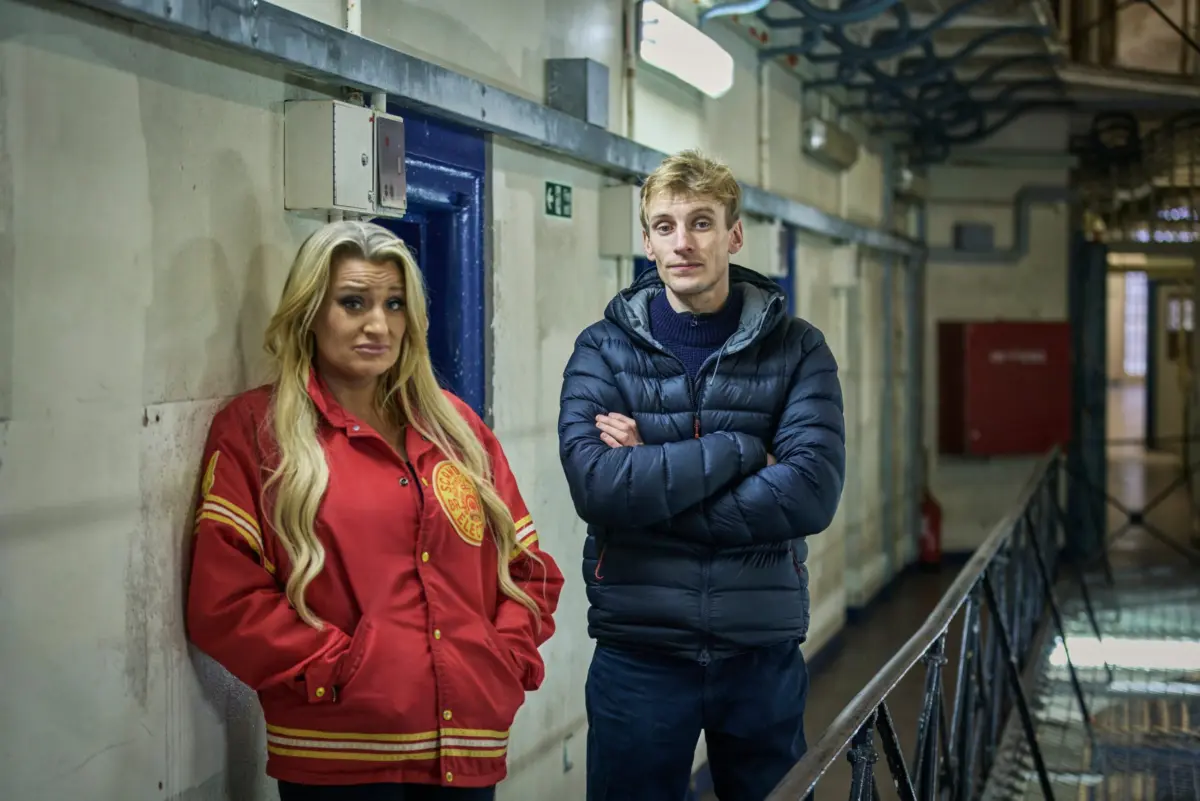
In the high-stakes, hyper-monetized landscape of modern British television, few formats command the cultural footprint or viewer obsession of the BBC’s The Traitors. When the broadcaster announced a celebrity spin-off, the entertainment industry buzzed with speculation regarding which high-profile names would step into the psychological crucible. Among the most anticipated pairings rumored for the inaugural series were BAFTA-winning creator and star Daisy May Cooper and her brother, creative collaborator Charlie Cooper.
Yet, as the inaugural season unfurled on screen—ultimately culminating in a triumphant victory for comedian Alan Carr—the Cooper siblings were conspicuously absent. For months, their sudden vanishing act from the line-up remained a subject of industry gossip.
Now, in a candid and unfiltered interview with The Independent, Daisy May Cooper has broken her silence. The This Country star has revealed the stark reality behind her eleventh-hour withdrawal from Celebrity Traitors. Far from a mere scheduling conflict, Cooper’s decision was catalyzed by an unglamorous cocktail of substandard accommodations, restrictive isolation policies, and a stark financial cost-benefit analysis. For Cooper, the psychological toll, coupled with a two-week blackout from her young children, simply failed to clear the threshold of fair compensation.
This comprehensive report examines the mechanics of Cooper’s departure, contextualizes the grueling demands of reality television’s most punishing social experiment, surveys the star-studded rosters of both the inaugural and current series, and details Cooper’s triumphant return to television screens in Amazon Prime Video’s Last One Laughing UK: Halloween.
Detailed Chronology: From Rumored Casting to Abrupt Withdrawal
The trajectory of the Coopers’ near-involvement with Celebrity Traitors mirrors the secretive, high-pressure environment that defines the production itself.
Phase 1: The Initial Approach and Anticipation
When the BBC greenlit a celebrity iteration of its runaway psychological hit, casting directors set their sights on top-tier British comedic talent. The proposition of casting Daisy May Cooper alongside her brother Charlie—whose comedic chemistry powered the rural mockumentary This Country to critical and commercial acclaim—was viewed as a major coup. Industry insiders widely reported that the dynamic duo had signed on for the first series, generating immense anticipation among fans eager to see how the siblings would navigate the game’s treacherous landscapes of deception, accusation, and betrayal.
Phase 2: The Reality Check
The initial enthusiasm, however, evaporated during the pre-production briefings as logistical and operational details emerged. According to Cooper, the glamorous façade of prime-time television quickly dissolved when production realities were laid bare. The first shock came from the living arrangements.
"We panicked," Cooper confessed during her interview. "We were going to do it and then they said, ‘Basically, you’re going to stay in a s*** hotel,’ and I thought, ‘I don’t know if I can do it.’"
Phase 3: The Breaking Point
The breaking point for the siblings involved a combination of harsh living conditions, the denial of shared accommodations, and the severe psychological isolation demanded by the format. Cooper, a mother who shares two children with her ex-husband and a young son with partner Anthony Huggins, faced the prospect of being cut off from regular communication with her family for an extended fortnight.

"It just sounded like a fing nightmare," Cooper explained. "I haven’t really watched the show before and I thought me and Charlie would be able to share a room. They said, ‘No, you won’t be able to do that.’ I thought, ‘F it. It’s not enough money.’"
With those words, the negotiations collapsed, and the Coopers officially withdrew from the production, leaving the BBC scrambling to finalize a celebrity roster that would eventually feature the likes of Jonathan Ross, Nick Mohammed, Paloma Faith, Joe Wilkinson, and Sir Stephen Fry.
Supporting Context & Metrics: The Anatomy of Reality TV Demands
Cooper’s public critique shines a rare, unvarnished light on the behind-the-scenes economics and psychological stressors of participating in high-profile reality television. While viewers consume The Traitors as a polished, cinematic hour of entertainment, the physical and mental environment inhabited by the contestants is notoriously grueling.
The Price of Isolation
Reality television formats that rely on social deduction—such as The Traitors or Big Brother—deliberately engineer environments of deprivation to heighten paranoia and friction among contestants. Sleep deprivation, poor dietary routines, austere lodgings, and complete severance from the outside world are standard operational tactics designed to break down emotional resilience.
For established performers like Cooper, who balance demanding professional schedules with complex domestic responsibilities—specifically parenting young children—the calculus is vastly different from that of up-and-coming influencers or desperate starlets. The requirement to spend up to two weeks in total isolation, cut off from family support structures, represents a massive personal sacrifice. When weighed against the financial remuneration offered by public service broadcasters operating under strict talent budgets, the equation often fails to balance.
The Financial Equation
Cooper’s blunt assessment—that the job simply was not "enough money" for what she would be put through—highlights a growing tension in the television industry. High-profile actors and comedians command substantial fees in the commercial sector through scripted television, panel shows, and literary endeavors. Participating in a reality series exposes them to intense public scrutiny, potential reputational damage via heavily edited television narratives, and severe physical discomfort. If the baseline fee fails to compensate for these risks, even the most lucrative promotional opportunities lose their luster.
Official Statements and Industry Impact
While the BBC has maintained its standard policy of non-commentary regarding pre-production casting rumors and negotiations, the ripples of Cooper’s revelations have been felt across the British television landscape.
Shifting Power Dynamics in Reality Casting
Cooper’s transparency challenges the traditional power dynamic between major broadcasters and talent. Historically, participation in high-profile BBC flagship shows was viewed as an unassailable honor that performers accepted with minimal pushback. Cooper’s refusal highlights a shifting paradigm: top-tier talent is increasingly willing to evaluate formats on a utilitarian basis—weighing the physical toll, the impact on mental health, and familial obligations against the financial reward.
The Legacy of Celebrity Traitors Series One and Two
Despite the early turbulence of losing the Cooper siblings, the first series of Celebrity Traitors proved to be a critical and ratings triumph. The eclectic mix of personalities—ranging from veteran broadcasters like Jonathan Ross to comedy heavyweights like Alan Carr—established the format’s viability in the celebrity sphere. Alan Carr’s eventual victory cemented the series as a cultural touchstone.
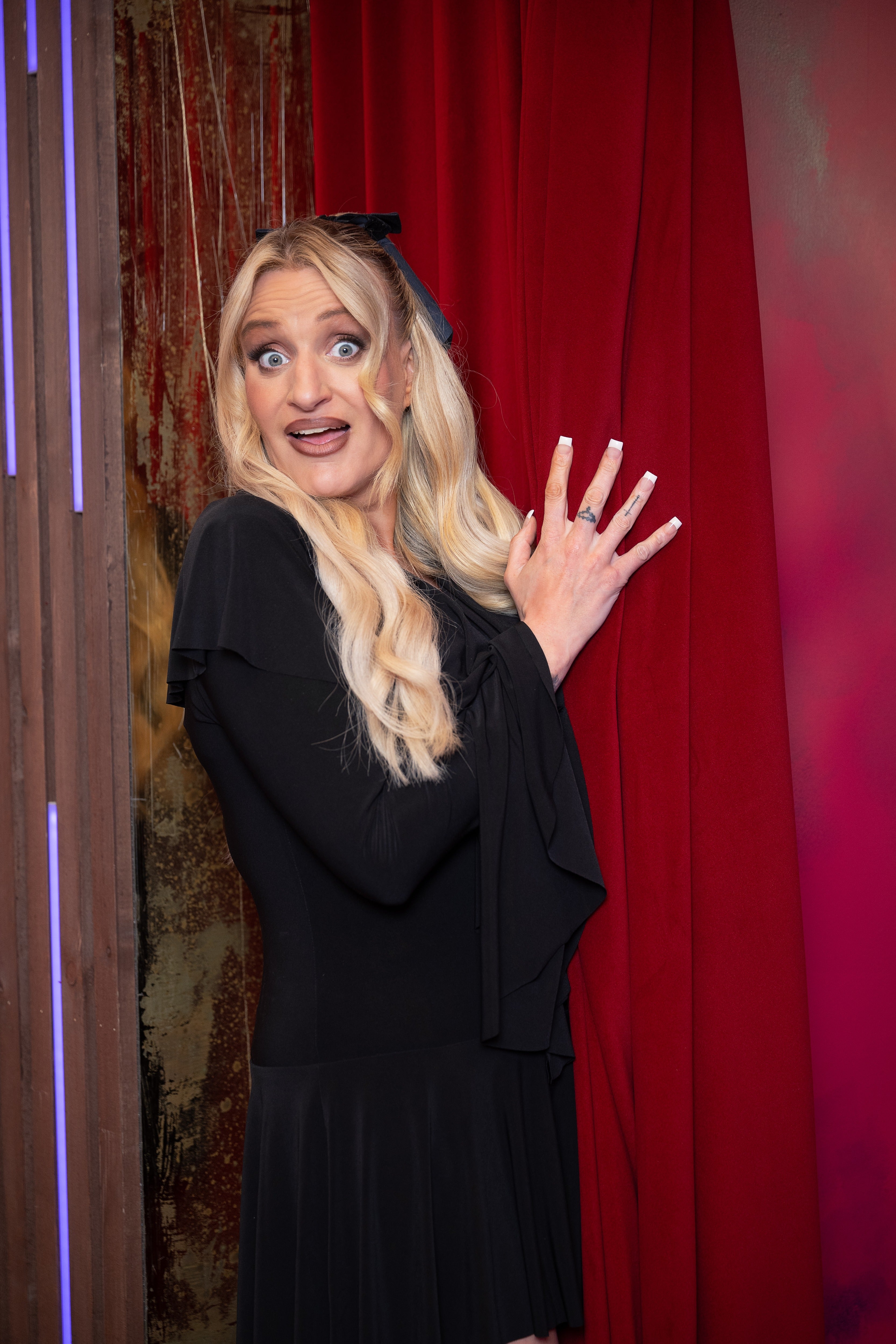
The momentum has successfully carried over into the recently broadcast second series on BBC One. The current line-up features an equally formidable array of British cultural icons, including:
- James Acaster (Comedian and broadcaster)
- Maya Jama (Television presenter)
- James Blunt (Singer-songwriter)
- Michael Sheen (Award-winning actor)
- Miranda Hart (Comedian and actress)
With only 11 stars remaining in the current cutthroat competition, the second series continues to capture national watercooler conversation—proving that while the Coopers’ absence was notable, the production machine rolls on unabated.
Future Outlook: Finding the Right Fit with Last One Laughing UK
While Daisy May Cooper ultimately declined to navigate the gothic paranoia of the Round Table, her appetite for high-concept comedy challenges remains undiminished. Rather than suffering through austere Scottish castle conditions on The Traitors, Cooper has poured her energy into a project she describes as her "favourite job that I’ve ever had."
The Triumph of Last One Laughing UK: Halloween
Cooper has returned for the Halloween special of Amazon Prime Video’s Last One Laughing UK. The format pits a curated selection of elite British comedians against one another in a battle of emotional endurance: contestants must spend hours in a confined space utilizing every conceivable tactic to break their peers’ composure and force a laugh, all while maintaining their own poker faces.
Having competed in the inaugural series, Cooper approached the Halloween spin-off with tactical clarity and heightened enthusiasm.
"It’s my favourite job that I’ve ever had. There’s nothing more fun than that," Cooper reflected in her interview with The Independent. "I was more switched on this time – I knew what was going on so it was easier to see when other people were going to f*** up."
A Star-Studded Comic Battleground
The Halloween spin-off showcases a masterclass in British alternative comedy, placing Cooper in direct competition with a formidable roster of peers:
- Jack Dee (Deadpan comedy veteran)
- Phil Wang (Stand-up innovator)
- Reece Shearsmith (Auteur and actor, Inside No. 9)
- Harriet Dyer (Critically acclaimed stand-up)
- Tom Allen (Sharp-witted panel show staple)
- Lou Sanders (Surrealist comedic talent)
Additionally, the special features high-profile cameo appearances from comedy royalty including David Mitchell, Catherine Tate, and Steve Pemberton.
For fans disappointed by her absence from the BBC’s castle, Cooper’s tour-de-force performance in Last One Laughing UK: Halloween—the first three episodes of which are currently streaming on Amazon Prime Video—serves as ample proof that her comedic instincts remain as razor-sharp as ever. By prioritizing projects that align with her creative fulfillment and personal boundaries, Daisy May Cooper has demonstrated that knowing when to walk away is just as important as knowing when to play.