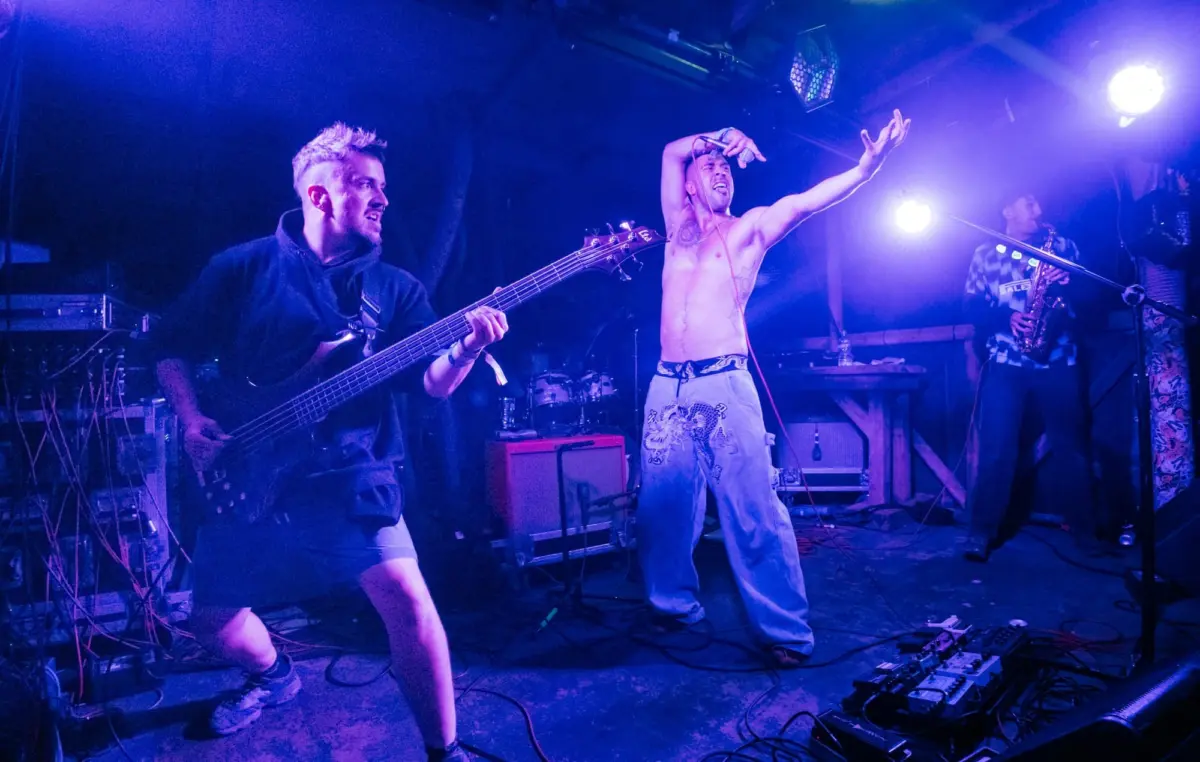
In an era where live music is increasingly dominated by corporate monopolies, algorithmic curation, and risk-averse stadium tours, a quiet yet ferocious counter-revolution is taking place in the underbelly of the British independent music scene. At the vanguard of this movement is Maruja, a Manchester-based post-punk outfit whose visceral blend of blistering jazz-inflected instrumentation and razor-sharp socio-political commentary has captured the imagination of a disaffected generation.
On September 21, Maruja took the stage to headline the second night of the 50th-anniversary commemoration of The 100 Club’s legendary Punk Special. With tickets priced at a symbolic £1.50—matching the admission cost of the original 1976 festival—the event served as both a celebration of heritage and a stark indictment of the contemporary music industry’s commercialization.
Speaking with journalists ahead of the landmark performance, Maruja’s saxophonist and vocalist Joe Carroll did not mince words. The conversation quickly transcended the band’s rapid ascent following the release of their critically acclaimed debut album, Pain To Power. Instead, Carroll addressed the shifting tectonic plates of industry politics, focusing on the high-profile fracturing of the mainstream touring circuit—most notably, Seattle rapper Macklemore’s sudden removal from Ed Sheeran’s stadium tour following pro-Palestine statements. For Carroll and Maruja, the incident is not an isolated controversy but a symptom of a deeper systemic rot: an industry that prioritizes "money over minds" and demands silence in the face of humanitarian crises.
Detailed Chronology
The Legacy of The 100 Club’s Punk Special (1976–2026)
To understand the weight of Maruja’s headline set, one must trace the history of 100 Oxford Street. In September 1976, the venue hosted the original two-day Punk Special, an event that effectively codified punk rock as a distinct cultural and musical movement in the United Kingdom. Over forty-eight hours, the basement venue played host to a lineup that reads like a registry of musical iconoclasts: the Sex Pistols, The Clash, Siouxsie and the Banshees, The Damned, and the Buzzcocks.
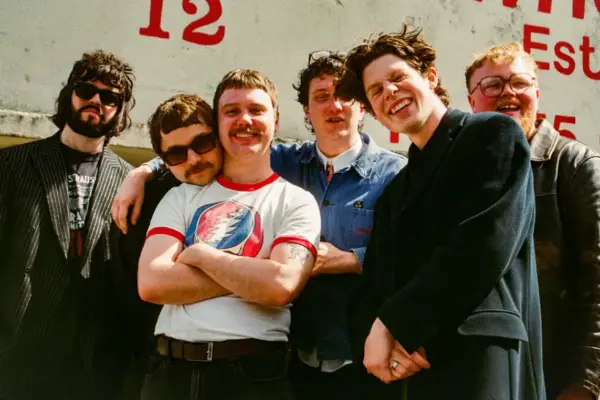
Fifty years later, the anniversary shows seek to recapture that lightning in a bottle. The two-day celebration commenced with a headlining performance by Irish punk sensation Sprints, culminating on the second night with Maruja leading a billing that featured London post-punk sextet Opus Kink, Wax Head, and a DJ set from Jehnny Beth.
1976: The Original Punk Special
├── Sex Pistols & The Clash establish UK Punk
└── Ticket Price: £1.50

2025: "Pain To Power" Released
└── Maruja's debut album sparks a cult following

2026: The 50th Anniversary Commemoration
├── Night 1: Sprints (Headline)
└── Night 2: Maruja (Headline) w/ Opus Kink & Jehnny Beth
The Catalyst: The Sheeran-Macklemore Controversy
The backdrop of Maruja’s performance was dominated by a major controversy shaking the upper echelons of the global touring industry. Weeks prior, Seattle rapper Macklemore delivered an impassioned "Free Palestine" speech during his performance at Gillette Stadium in Foxborough, Massachusetts.
The fallout was swift and severe:
The Ultimatum: Robert Kraft, the billionaire owner of the New England Patriots and Gillette Stadium, reportedly threatened to ban future tour stops by headliner Ed Sheeran across several major US venues if Macklemore remained on the bill.
The Cancellation: Under immense financial and logistical pressure, Macklemore was subsequently dropped from the tour.
The Fallout: The incident sparked fierce debate regarding corporate censorship, the power of billionaire venue owners, and the limits of political expression for mainstream artists.
For Maruja, a band that has consistently integrated pro-Palestine advocacy into their live performances and discography, this public fallout served as a clarifying moment for the industry’s moral compromises.
Supporting Context & Metrics
The Political Economy of the Modern Stadium Tour
The cancellation of Macklemore’s tour spot highlights a growing concern within the music industry: the consolidation of venue ownership and its impact on artistic expression. Billionaire stadium owners and multinational promotion conglomerates wield unprecedented control over which artists are permitted to perform.
Metric / Entity
Independent Circuit (e.g., The 100 Club)
Stadium/Arena Circuit
Ticket Pricing
£1.50 (Anniversary Special) to £15-20
£80 – £250+ (Dynamic Pricing)
Primary Revenue Driver
Community support, physical merch
Corporate sponsorships, VIP packages
Censorship Risk
Low; artist-driven booking
High; subject to venue owners & stakeholders
Aesthetic Ethos
Raw, political, communal
Sanitized, mass-appeal, risk-averse
The "Pain To Power" Phenomenon
While mainstream artists navigate the constraints of corporate sponsorships, Maruja’s independent trajectory demonstrates the viability of an uncompromising, grassroots approach. Released one year ago, their debut album Pain To Power has achieved cult status, driven entirely by word-of-mouth and intense live performances.
The connection between the band and their audience is reflected in tangible metrics:
The "Tattoo Epidemic": The band has reported an unprecedented wave of fans tattooing the album’s artwork and lyrics onto their bodies.
Socio-Political Resonance: The lyrics to their track "Look Down On Us"—specifically the line "When it’s money over minds, there will never be a truce"—have become a rallying cry at live shows, directly mirroring the frustration fans feel toward political and corporate institutions.
Official Statements
In an exclusive dialogue, Joe Carroll expanded on the intersection of art, capital, and the moral obligations of the modern artist.
On the Corporate Silencing of Artists
Carroll expressed little surprise at the controversy surrounding Ed Sheeran and Macklemore, pointing out that the incident merely exposed the transactional nature of mainstream pop music.
"That’s a very public example of stuff that’s been going on behind closed doors in a more political or economic sense for a very long time," Carroll remarked. "But with what’s been going on in Palestine, it’s so explicit now. To not see it for what it is, is to have your eyes closed. It’s such an obvious example of putting money over morals, and from a recognizable figure that everyone knows."
Carroll argued that the backlash against the decision is a necessary reckoning for a music industry "riddled with oppression."
"What’s the point in having ‘fuck you’ money if, in a situation where children are getting murdered, you’re not gonna say ‘fuck you’? It really does show which side his bread’s buttered."
"What’s the point in having ‘fuck you’ money if, in a situation where children are getting murdered, you’re not gonna say ‘fuck you’?"
— Joe Carroll, Maruja
On Artist Responsibility and "Sacrifice"
When asked whether Maruja had faced professional setbacks due to their outspoken stance on Palestine, Carroll reframed the concept of sacrifice.
"To call it a sacrifice… in situations like this where you feel so helpless, all you can do is what you can do. For example, any show that we do, if we can’t put a Palestine flag up on stage, we don’t play. That is something that our whole team knows. It’s such a small sacrifice to feel like we’re doing something when we’re seeing such atrocities take place."
Defining Punk in 2026
For Carroll, performing at the 50th anniversary of the Punk Special is not an exercise in retro-nostalgia, but a reaffirmation of a living, breathing ethos.
"It’s definitely come at a very fitting time to platform what the punk movement has always been about and is about today. Although it’s aggressive, it’s always fundamentally been about love and being able to say, ‘fuck you: this is what we believe in, and we’re not gonna be quiet about it.’ It’s always been inherently political and strong-willed, and not willing to sell your soul in any way."
Future Outlook
The Next Chapter for Maruja
As Maruja celebrates the one-year anniversary of Pain To Power, the band shows no signs of slowing down. While their performance at The 100 Club focused strictly on their established catalog, Carroll teased that major developments are on the horizon.
"We are definitely always cooking," Carroll hinted. "We’ve got a few big announcements coming about the band, so people can keep their eyes peeled for that."
The Broader Political Trajectory of Punk
The sold-out anniversary shows at The 100 Club prove that the appetite for politically charged, uncompromising music is stronger than ever. As corporate music festivals face escalating scrutiny over their sponsorships and mainstream stadium acts face backlash for their perceived silence on global issues, the independent punk scene is poised to reclaim its role as the cultural conscience of the industry.
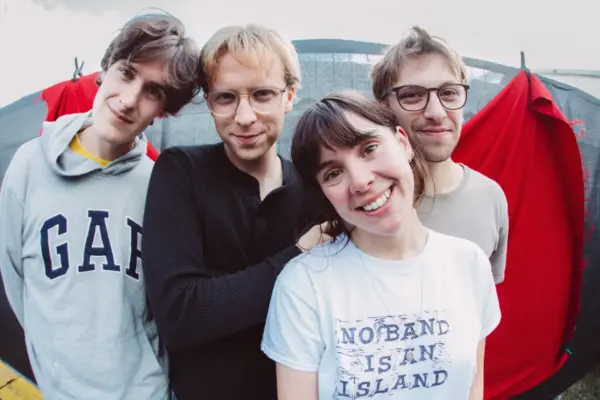
By aligning themselves with contemporary activist bands like the Lambrini Girls (champions of trans rights) and Belfast’s Enola Gay, Maruja is helping to build a highly collaborative, politically engaged network of artists. In 2026, being a punk is no longer just about the fashion or the noise of 1976; it is about navigating a complex digital and geopolitical landscape with one’s integrity fully intact.