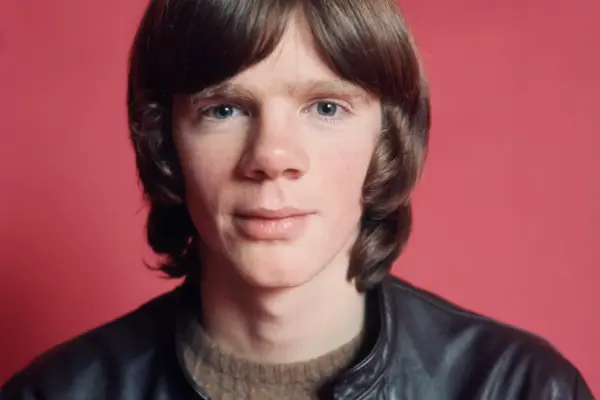
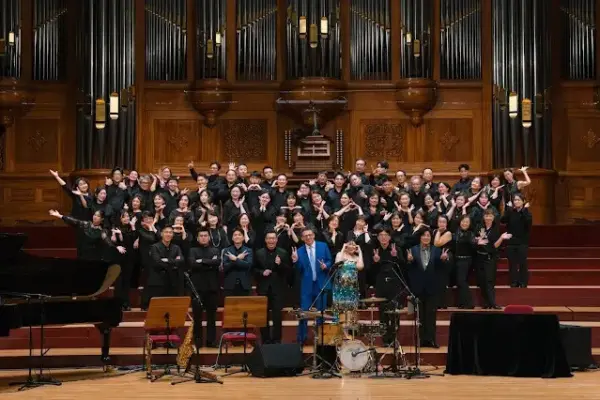
With a staggering discography spanning more than 700 records, two Grammy Awards, and an esteemed position as an adjunct professor at the University of Southern California (USC), legendary percussionist Peter Erskine stands as a towering figure in modern music. There are few facets of rhythm, percussion, and ensemble playing that Erskine has not mastered, explored, or fundamentally redefined over a career that now spans over half a century.
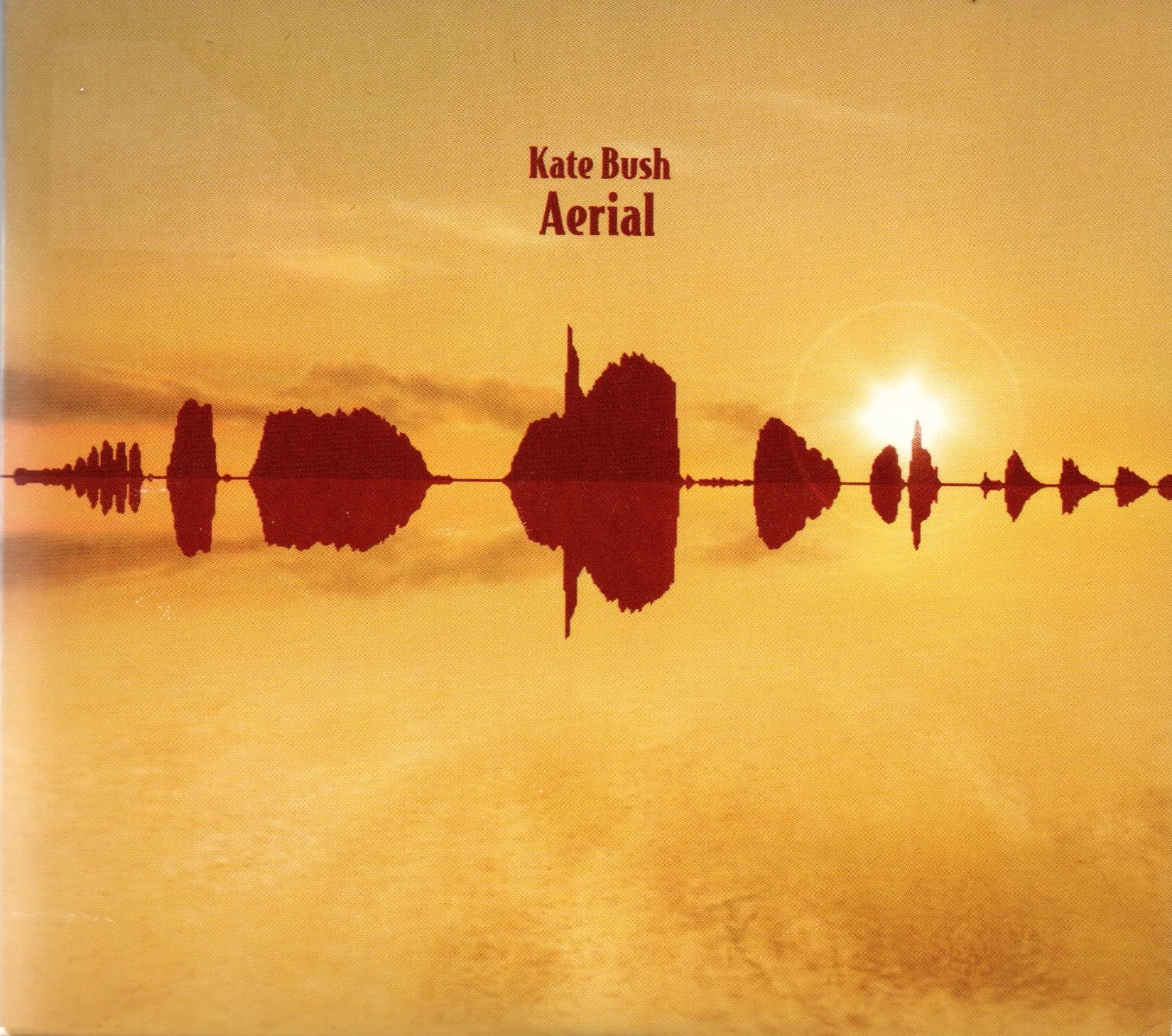
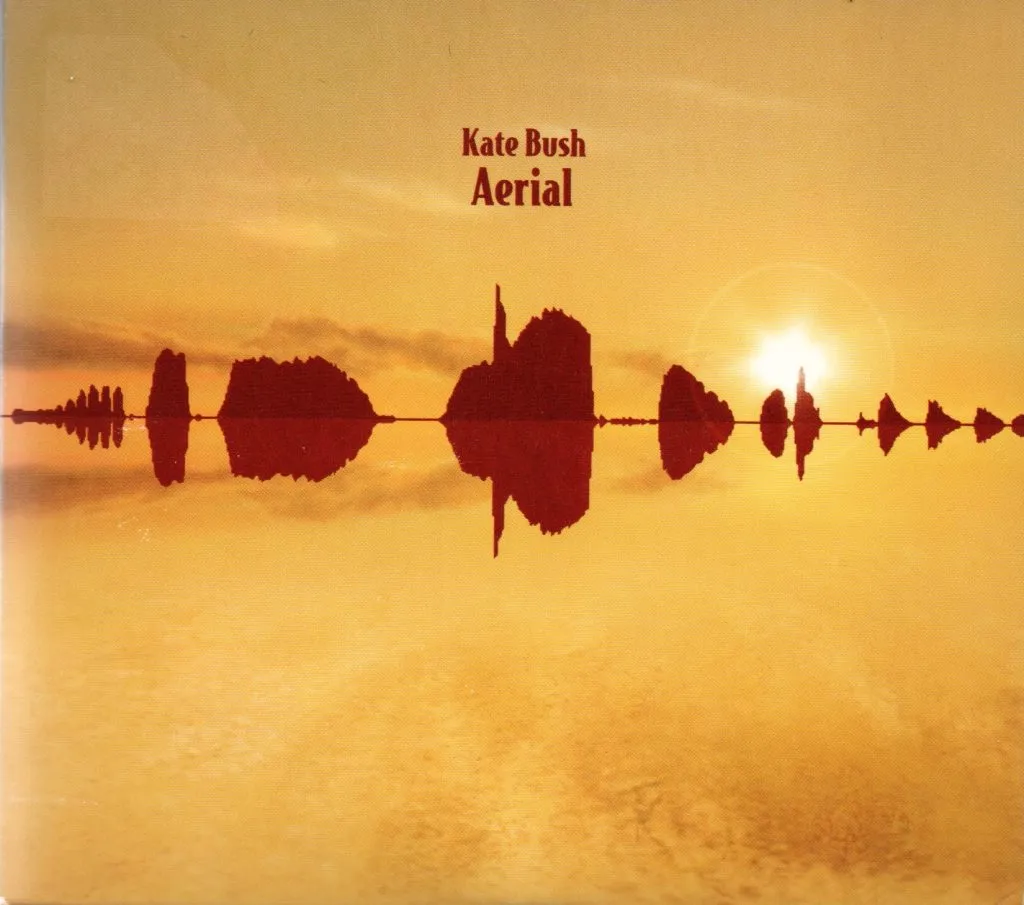
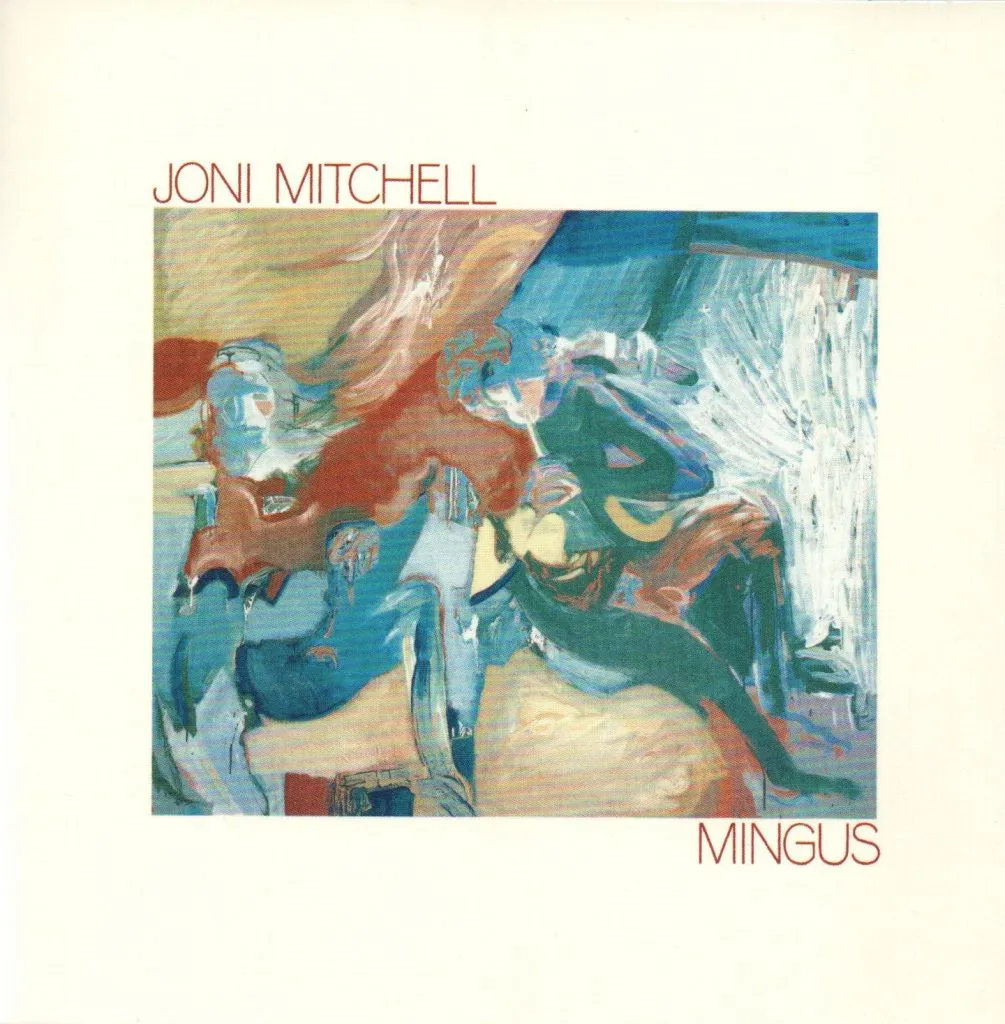
From his formative years as a child prodigy under the tutelage of swing bandleaders to driving the unstoppable rhythmic engines of the Stan Kenton Orchestra, Weather Report, and Steps Ahead, Erskine has consistently navigated the intersection of raw improvisational daring and pristine big band discipline. Beyond jazz and fusion, his signature touch has graced the recordings of avant-garde pop icons, singer-songwriter royalty, and massive orchestral arrangements, including Joni Mitchell, Kate Bush, and Steely Dan.
Today, whether steering his own independent label, Fuzzy Music, or returning to the pure, unadulterated acoustic swing that first captured his imagination as a child, Erskine remains an unyielding force of musical curiosity. This comprehensive retrospective explores the milestones, collaborations, and philosophical evolutions that defined the trajectory of one of the most celebrated drummers in contemporary music history.
Detailed Chronology: From Prodigy to Fusion Royalty
1. The Formative Years and the Stan Kenton Crucible
Peter Erskine’s journey into the world of rhythm began at the remarkably tender age of four. Encouraged by his father—a former college bass player and swing bandleader—the young Erskine found himself surrounded by the syncopated pulse of big band music before he even reached school age.
By age seven, his dedication crystallized when he enrolled in his first jazz summer camp. It was here that he crossed paths with the legendary Stan Kenton, a moment that would alter the trajectory of his life.
"Serendipity as well as destiny seem to have played their roles in my becoming the drummer for the Stan Kenton Orchestra," Erskine reflects. "Attending the summer jazz camps, he brought his music into my world and me into his orbit. Sooner or later, I would have the opportunity to audition for him."
Having studied Kenton’s arrangements since childhood, and fresh off a rigorous education in big band and orchestral percussion at the prestigious Interlochen Arts Academy, Erskine was more than ready. He spent three formative years touring with Kenton, absorbing the intricacies of large ensemble performance.
Following a brief return to university, he hit the road again with trumpet virtuoso Maynard Ferguson. Known for his ability to scale the extreme upper register of his instrument, Ferguson was a demanding, high-octane bandleader. Yet, Erskine credits these demanding environments with forging his dual capabilities as both a locked-in ensemble player and a free-flowing improviser—skills essential for navigating the global touring circuit.
2. The Weather Report Epoch and the Jaco Pastorius Connection
While Ferguson’s outfit sharpened Erskine’s technical chops, a chance encounter during a live performance set the stage for his entry into jazz-fusion royalty. A certain fretless bass player named Jaco Pastorius caught one of Ferguson’s sets, noting Erskine’s unique blend of structural discipline and spontaneous invention.
When Weather Report—co-founded by keyboardist Joe Zawinul and saxophonist Wayne Shorter—began searching for a drummer who possessed both formidable big band sight-reading credentials and avant-garde improvisational instincts, Pastorius made the call.
Entering Weather Report was, in Zawinul’s phrasing (borrowed from Julian "Cannonball" Adderley), stepping into both "a state of mind and a fact of life."
"Again, I learned a lot," Erskine notes. "Never the easiest group of people to tour with, but we had a lot of fun and managed to make some pretty good music."
Though self-effacing about his contributions—often declaring his preference for the band’s earlier records like Mysterious Traveller and Heavy Weather—Erskine’s impact on mid-to-late ’70s Weather Report is undeniable. Across four essential studio albums, he anchored landmark tracks such as "Pinocchio," "Brown Street," "Port Of Entry," "Fast City," and "Dara Factor One."
Alongside Zawinul, Shorter, and Pastorius—affectionately dubbed the "Big Four"—Erskine stood at the center of the globe’s hippest, most progressive jazz-funk phenomenon, operating under Zawinul’s preferred banner of "modern American music."
3. Word Of Mouth and the Steps Ahead Transition
During his tenure with Weather Report, Pastorius launched his own expansive big band project, Word Of Mouth, drafting Erskine for the recording sessions. Released in 1981, the album showcased Pastorius’s staggering compositional vision.
Erskine recalls a particularly poignant moment during the project’s mixing phase at A&M Studios, when legendary pop composer Burt Bacharach dropped by to listen to "Three Views Of A Secret." Witnessing Pastorius glow with pride under the validation of a peer like Bacharach remains one of Erskine’s fondest memories.
Eventually, divergent personal and musical philosophies caused both Pastorius and Erskine to part ways with Weather Report. Seeking a more harmonious and collaborative creative environment, Erskine joined forces with saxophonist Michael Brecker and trumpet player Randy Brecker in the contemporary jazz ensemble Steps Ahead.
"Steps Ahead brought me to New York City, and that journey also brought me to Japan on several occasions, where I fell in love with the woman who would become my wife," Erskine shares. "So I have incredibly warm feelings about the band and those musicians. The Modern Times album stands the test of time just about as well as anything else I’ve ever done."
Supporting Context & Metrics: A Global Discography
To fully appreciate Peter Erskine’s footprint in modern music, one must look closely at the sheer volume and diversity of his output.
Discography Milestone: Over 700 commercial album credits spanning jazz, fusion, pop, rock, and classical crossover.
Grammy Accolades: Two-time Grammy Award winner, reflecting both his peerless technical execution and his commercial resonance.
Academic Pedagogy: Serving as an adjunct professor at the University of Southern California (USC) Thornton School of Music, shaping the next generation of global rhythm sections.
Entrepreneurial Independence: Founder of Fuzzy Music, an independent record label established at the turn of the millennium to grant him total creative autonomy.
Crossing Genre Boundaries: Joni Mitchell and Kate Bush
Erskine’s artistic curiosity has never been restricted by genre boundaries. His philosophy is simple: every musical experience informs the next. This open-door policy has led to extensive collaborations with a diverse array of icons, including Vince Mendoza, Diana Krall, Steely Dan, and complex art-pop renegades like Joni Mitchell and Kate Bush.
His introduction to Mitchell’s orbit came directly via Jaco Pastorius, who famously anchored Mitchell’s jazz-infused late-’70s period (including the album Mingus). Kate Bush, meanwhile, entered Erskine’s life through a BBC documentary showcasing composer Mark-Anthony Turnage adding acoustic percussion to an orchestral piece. Upon seeing Erskine’s performance, Bush knew she needed him in her studio.
Official Statements and Artist Reflections
Reflecting on his expansive career, Erskine highlights the evolution of his artistic mindset—particularly his transition from high-voltage electric fusion back to the subtle nuances of acoustic jazz.
"Dr. Um was fun," Erskine says, reflecting on his fusion-focused group formed with vocalist Jack Fletcher in 2015. "But I’m back to acoustic music-making now. I had to get some of the lingering electric out of my system, but nothing beats the purity of playing an instrument softly, sweetly, and swingingly. THAT is not something I was ready to know or learn when I was a younger drummer in all of those different bands."
On his unexpected collaborations with pop and art-rock royalty, Erskine remains deeply grateful:
"Joni and Kate are both incredibly powerful artists. Their music has spoken to countless listeners. How fortunate for me to be the drummer on some of their work."
Future Outlook: The Endless Pursuit of Swing
As Peter Erskine looks toward the horizon, his focus remains entirely anchored in artistic authenticity and pedagogical mentorship. Through his ongoing tenure at USC, he continues to pass down the invaluable lessons learned from Stan Kenton, Joe Zawinul, and Jaco Pastorius to aspiring young musicians.
With recent releases on his independent Fuzzy Music imprint—ranging from intimate acoustic jazz trio settings to exploratory small-group recordings—Erskine proves that mastery is not a destination, but an ongoing practice. Rejecting the loud, over-compressed excess of modern commercial production in favor of dynamic touch, tone, and swing, the master drummer continues to remind the world why his rhythm remains the heartbeat of modern improvised music.