Executive Overview
Marking a milestone anniversary of punk rock prompts a critical re-examination of the genre’s seismic cultural rupture. The emergence of punk in the mid-to-late 1970s was predicated on an uncompromising ideology: "Year Zero." This philosophy demanded the total eradication of musical history, branding everything and everyone that came before as obsolete, bloated, and antithetical to the raw energy of youth culture. For a brief, intoxicating moment, a rigid line was drawn through the landscape of rock and roll. On one side stood the vanguard of the new movement; on the other sat the discarded relics of a bygone era.
Yet, cultural revolutions are rarely absolute. Even as groups like The Clash raised the stakes by explicitly rejecting rock royalty—from The Beatles and The Rolling Stones to Elvis Presley—a distinct paradox emerged. A select tier of legacy artists managed to secure an exemption pass. These figures, dubbed "The Acceptables" and "The Revered Ancestors," bypassed the purge. Through a combination of stylistic alignment, direct lineage, symbiotic production work, or sheer kinetic attitude, they proved that history could be edited rather than entirely erased. This retrospective explores the socio-musical architecture of 1970s rock, examining how the rigid dogmatism of punk ultimately coexisted with—and was shaped by—the very past it sought to destroy.
Detailed Chronology: From Stagnant Blues-Rock to Year Zero
1976: The Pre-Punk Stagnation
To understand the radical nature of punk’s Year Zero, one must first audit the landscape of rock music in 1976. Contrary to the revisionist narrative that pop radio was entirely dead, mainstream light entertainment shows like Top Of The Pops were vibrant enough. However, the ecosystem of rock and guitar-based music was mired in an elongated, bloated loop.
Archival recordings of contemporary broadcasts—such as the late-night sessions hosted by John Peel—reveal that the era’s taste-makers were frequently obsessed with looking backward. Barely half a decade after the definitive demises of bands like The Doors and The Beatles, radio programs dedicated extensive airtime to revering their past achievements. Meanwhile, the live pub-rock circuit was lively, but outside of outliers like Dr. Feelgood, much of the recorded output was uninspired. The blues-based rock of the early-to-mid 1970s had lost its danger, mutating into an over-extended exercise in self-indulgence.
The Eruption of 1977 and the Iron Line
Into this atmosphere of creative fatigue crashed the punk tsunami. Unlike previous generational shifts, which typically integrated historical awareness, punk introduced an unprecedented wall of separation. Music was violently bifurcated into "new" and "old."
The Clash’s anthem "1977" effectively codified this sentiment, targeting not just the establishment acts of the 1960s, but foundational icons like Elvis Presley. The message was clear: the slate was wiped clean. Progressive rock "dinosaurs" either attempted to adapt—trading epic conceptual suites for skinny ties, shorter tracks, and modern haircuts—or doubled down on their stadium-filling spectacles. For a fleeting window, everyone in the industry was forced to choose a side of the ideological divide, whether they welcomed the polarization or not.
Supporting Context & Metrics: The Anatomy of "The Acceptables"
Despite the absolutist rhetoric of the movement, the punk underground operated with a surprising degree of pragmatic nuance. Certain artists found themselves welcomed into the fold, granted safe passage across the ideological barricades through several distinct pathways.
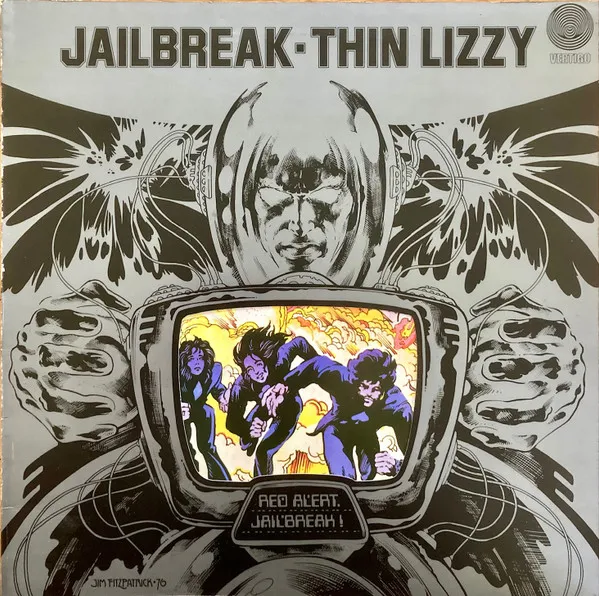
1. The Allies of Convenience: Motörhead and Thin Lizzy
Hard rock and heavy metal acts were generally viewed with suspicion by the initial wave of punks. However, bands like Motörhead and Thin Lizzy enjoyed a protected status. Several factors contributed to this immunity:
- Song Structure: Both acts favoured punchy, high-energy compositions that avoided the self-indulgent, multi-minute guitar wanderings of contemporaneous prog and arena-rock acts.
- Sympathy over Resentment: Rather than openly disparaging the new movement—a trap into which many older musicians fell—these artists acknowledged and vibed with the visceral energy of the punks.
- Aesthetic Alignment: The inescapable power of leather jackets, street-level charisma, and hard-living personas bridged the visual gap between heavy rock and the nascent punk underground.
2. The Cultural Ambassador: Marc Bolan
Marc Bolan occupied a uniquely privileged space within the ecosystem of 1976–1977 youth culture. T.Rex was embraced by the punk generation for two foundational reasons:
- Media Platforming: At a time when mainstream television and radio broadcasters treated punk bands with open hostility, Bolan’s television show actively provided a platform for these emerging groups, giving them vital national exposure.
- Generational Continuity: Many teenagers forming bands in 1976 had spent their formative years listening to T.Rex. As evidenced later by bands like Siouxsie & The Banshees—whose rendition of "20th Century Boy" served as a direct, reverent homage—Bolan’s glam aesthetic was viewed as a direct stylistic precursor to punk’s theatricality.
3. The Revered Ancestors
As pioneering broadcasters like John Peel attempted to program shows around the new musical paradigm, they faced a logistical hurdle: there simply were not enough commercially released punk records to fill an entire playlist. Consequently, curators turned to the "Revered Ancestors"—acts that had intuitively embodied the ethos of punk long before the term was weaponized.
This canon included:
- The Velvet Underground
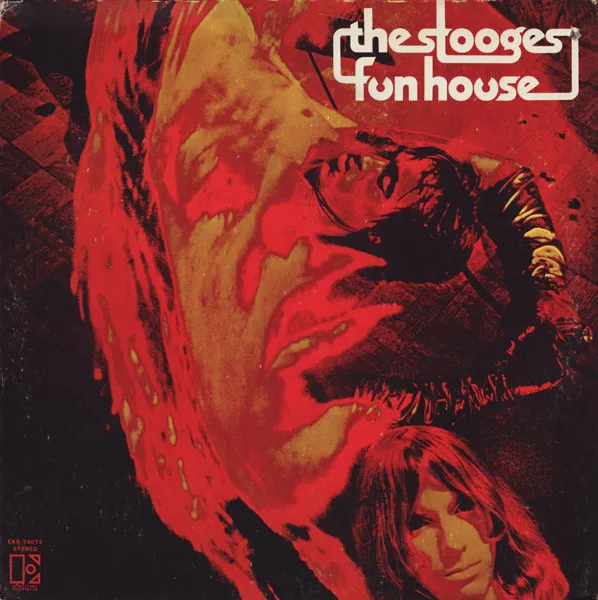
- The Stooges
- The New York Dolls
- 60s Garage Punks (e.g., The Seeds, The Shadows Of Knight)
These groups encapsulated the raw, unpolished, transgressive spirit that punk claimed to have invented. Early punk setlists and B-sides were littered with covers of tracks like Lou Reed’s "Waiting for the Man" or direct stylistic homages to Iggy Pop’s visceral stage presence.
Official Statements and Industry Alignment: The David Bowie Phenomenon
At the absolute apex of the Acceptables sat David Bowie. More than any other figure, Bowie bridged the chasm between the old establishment and the new vanguard through a masterclass in perpetual reinvention.
Like Bolan, Bowie had cultivated a fiercely loyal younger fanbase, explicitly solidifying this bond by penning anthems like Mott The Hoople’s "All The Young Dudes." However, while his contemporaries stagnated, Bowie spent the 1970s in a state of constant stylistic mutation, ensuring his work never curdled into self-parody.
The Producer as Kingmaker
Bowie’s influence on the punk and post-punk landscape was cemented not just through his own recordings, but through his production and collaborative footprint:
- The Stooges: Bowie mixed and championed their seminal Raw Power album.
- Lou Reed: He produced Reed’s commercial breakthrough Transformer.
- Mott The Hoople: He resuscitated their career by gifting them "All The Young Dudes."
- Brian Eno and Robert Fripp: His collaborative partners on the Berlin Trilogy gained immense cultural capital by association.
While albums like Low and "Heroes" could by no means be classified as punk records, Bowie occupied a paradoxical position: he stood firmly outside the new scene while remaining securely at its beating heart. RCA Records captured this duality in a brilliantly prescient advertising campaign for "Heroes" that read: "THERE’S OLD WAVE, THERE’S NEW WAVE AND THERE’S DAVID BOWIE."
Future Outlook: The Legacy of the Divide
As the 1970s drew to a close, punk fractured into two primary evolutionary paths: new wave (melodic 1960s-inspired pop executed by musicians in tailored jackets and ties) and post-punk (angular, confrontational art-rock similarly dressed in the uniform of the intellectual avant-garde).
Yet, the absolute rigidity of the Year Zero mentality could not sustain itself indefinitely. By the 1980s, the "dinosaurs" returned in full force, with progressive titans like Genesis, Yes, and Pink Floyd experiencing massive commercial renaissances.
In contemporary music culture, the once-impenetrable wall between the historical canon and avant-garde innovation has largely dissolved. Genre boundaries are porous, and historical reverence is no longer viewed as a betrayal of modern relevance. But for a brief, electric moment in time, rock and roll operated under a strict legislative checklist. Back then, a comprehensive ledger determined who was permitted to enter the cultural fortress—and if an artist’s name was absent from the list, they were left out in the cold.