Executive Overview
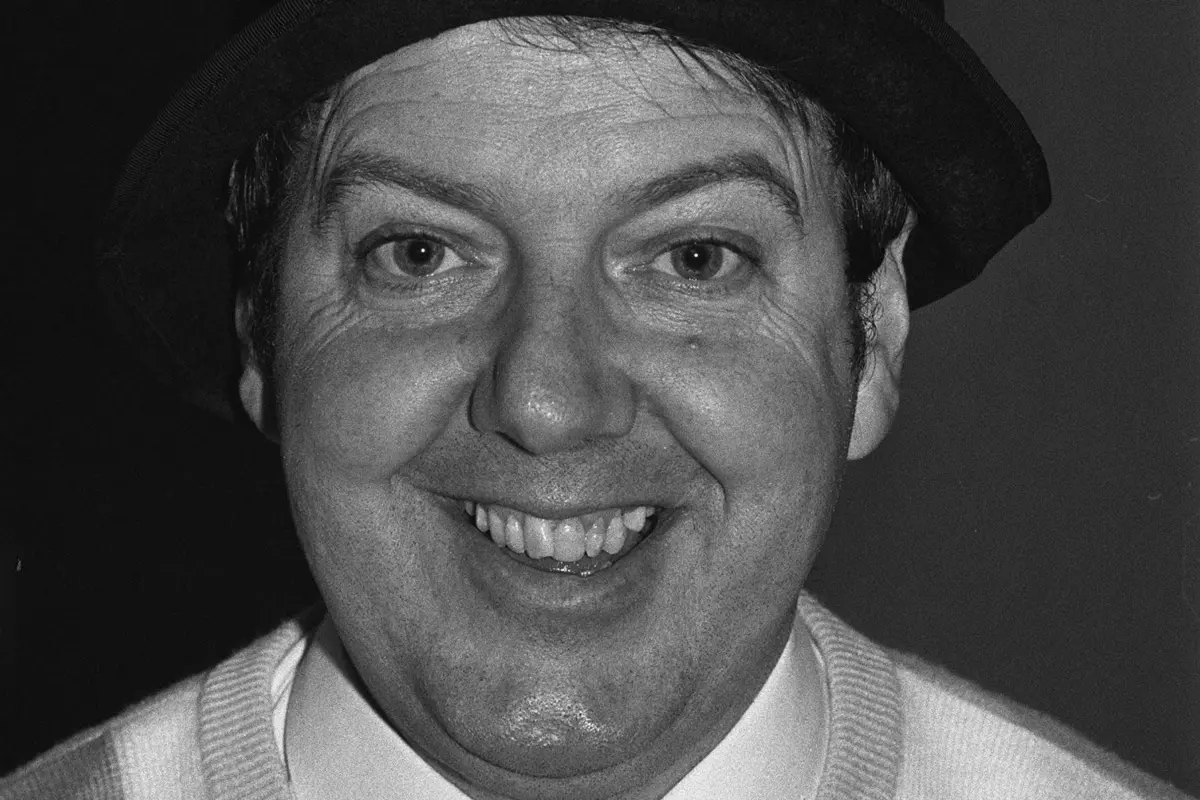
Mourners, devoted fans, comedy industry peers, and grieving family members are gathering in Greater Manchester on Friday afternoon to pay a final, fitting tribute to the late, great stand-up comedian Jimmy Cricket. Born James Mulgrew in County Tyrone, Northern Ireland, the beloved entertainer passed away on August 3 at the age of 80 following a short illness. According to an official family statement, his final moments mirrored his entire life on Earth: he was “surrounded by his family, love, laughter, and songs.”
Famed for his trademark headwear—a battered green bowler hat bearing the letter ‘C’—and his infectious, instantly recognizable catchphrase, “And there’s more,” Cricket was a foundational pillar of British light entertainment throughout the 1980s and beyond. His unique brand of whimsical, gentle, and utterly family-friendly humor made him a television staple, gracing prime-time slots on iconic programs such as The Good Old Days, Search for a Star, and the prestigious Royal Variety Performance.
Family, friends, and members of the public have been invited to celebrate his extraordinary life at a funeral requiem mass held at Salford Cathedral at 1:30 PM. The service promises to be a deeply moving blend of solemn liturgical tradition and fond, joyous remembrance—fitting for a man who dedicated his decades-long career to the simple, profound act of making people smile.
In the wake of his passing, poignant tributes have poured in from across the entertainment landscape, highlighting not only his formidable talents as a stage performer and variety veteran, but also his warmth, humility, and steadfast devotion as a husband, father, grandfather, and man of deep Catholic faith.
Detailed Chronology: From the Shores of Northern Ireland to the Pinnacle of British Television
Early Life and the Making of an Entertainer
James Mulgrew was born in Cookstown, County Tyrone, Northern Ireland, in October 1945. Growing up in a working-class Irish household during an era of profound post-war social change, young James possessed an innate theatricality and an irrepressible urge to perform. However, the economic realities of the time meant that formal training or an immediate entry into the arts was out of reach.
Leaving school at the tender age of 16, Mulgrew initially pursued conventional labor before finding his calling in the bustling world of seasonal holiday resorts. During his summers, he worked as a Redcoat camp host at Butlins holiday camps—a crucible for many of Britain’s mid-century entertainment legends. It was within the lively, fast-paced environment of the Butlins circuit that he honed his stagecraft, learning how to command unruly audiences, engage children and adults alike with slapstick and visual gags, and master the unforgiving rhythm of live stand-up comedy.
The Rise of Jimmy Cricket
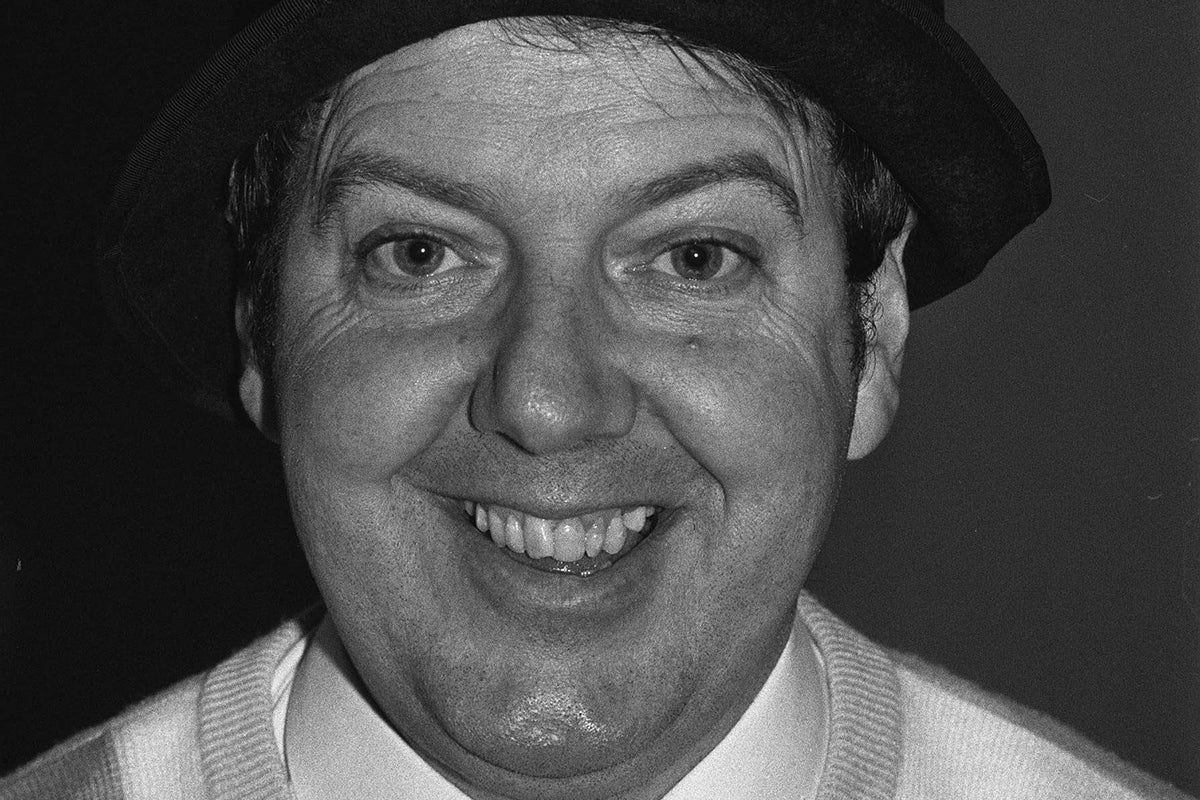
Throughout the 1970s, Mulgrew traversed the grueling British working men’s club circuit, perfecting his stage persona. It was during this period that the character of "Jimmy Cricket" truly solidified. Adopting his signature costume—which featured the aforementioned green bowler hat, pink-rimmed spectacles, tailcoats that always seemed slightly too short, and half-wellies marked with ‘L’ and ‘R’ (Left and Right) to help him navigate the stage—he carved out a distinct niche that stood apart from the more cynical, edgy alternative comedy beginning to bubble up in the late 70s and 80s. Cricket’s humor was innocent, delightfully surreal, and entirely safe for all ages, relying heavily on visual props, shaggy-dog stories, and physical clowning.
His big breakthrough arrived when he triumphed on London Weekend Television’s (LWT) popular talent search program, Search for a Star. Winning the competition opened the floodgates to mainstream television visibility. Soon after, ITV handed him his own television series, And There’s More, which ran successfully for four seasons during the mid-1980s. The show cemented his catchphrase into the national lexicon and turned him into a household name across the United Kingdom.
Radio, Theatre, and Later Years
As television landscapes shifted toward sketch comedy and edgier sitcoms toward the end of the decade, Cricket seamlessly transitioned his talents across multiple mediums. He fronted his own popular program on BBC Radio 2, showcasing his love for traditional variety and acoustic performance.
Furthermore, he became a fixture of the British theatrical landscape, starring in an extensive run of traditional Christmas pantomimes across major regional theatres, where generations of families grew up anticipating his annual stage appearances. He also cemented his status entertainment royalty by performing on the Royal Variety Performance in the 1980s—an achievement that validated decades of graft on the live comedy circuit.
Supporting Context & Metrics: The Cultural Legacy of a Variety Titan
To truly understand the impact of Jimmy Cricket’s passing, one must examine the landscape of British light entertainment during its golden era. In the 1980s, Saturday night television was a communal hearth around which millions of British families gathered. Shows like And There’s More routinely pulled in audience viewing figures upwards of 10 to 12 million viewers per episode—metrics that modern television networks can only dream of in an era of fractured streaming services and on-demand media.
| Metric / Milestone | Detail |
|---|---|
| Birth Date & Location | October 1945, Cookstown, County Tyrone, Northern Ireland |
| Date of Passing | August 3, 2025 (Age 80) |
| Signature Catchphrase | "And there’s more!" |
| Key Television Shows | And There’s More (ITV), The Good Old Days (BBC) |
| Major Recognition | Winner of LWT’s Search for a Star, Royal Variety Performance |
| Marriage Duration | 52 years to his wife, May |
| Children / Grandchildren | 4 children, 4 grandchildren |
Cricket’s comedy operated on a principle of radical inclusivity. While contemporary comics often used social satire or political commentary to divide audiences, Cricket used gentle absurdity to unite them. His writing drew heavily upon music-hall traditions, vaudeville timing, and the innocent surrealism associated with British comedy greats such as Tommy Cooper and Norman Wisdom.
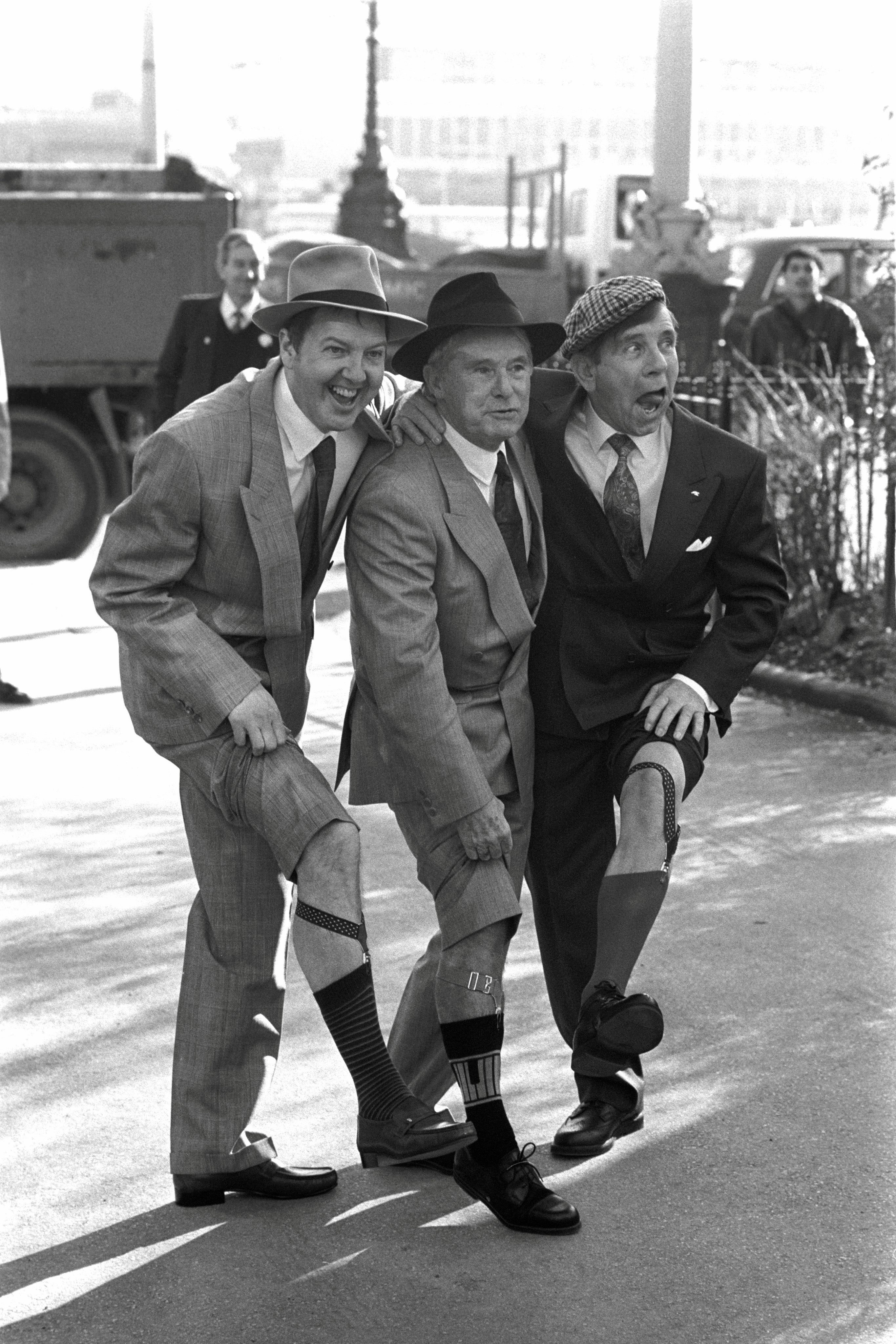
Industry analysts note that performers of Cricket’s caliber acted as cultural glue. In an era before mobile phones, social media, and multi-channel fragmentation, catchphrases like “And there’s more” served as shared linguistic currency in school playgrounds, factory floors, and office tearooms across the nation the morning after a broadcast.
Official Statements: Tributes from Family, Friends, and the Church
The depth of feeling surrounding Jimmy Cricket’s passing was perhaps best captured by those closest to him. In an emotional revelation following his death, Cricket’s youngest son, Father Frankie Mulgrew—a former stand-up comedian who subsequently took holy orders and entered the Catholic priesthood—shared intimate details of his father’s final hours.
Father Mulgrew recounted that during his final illness, his father requested the last rites of the Catholic Church not once, but twice. With characteristic wit, the dying comic remarked that asking for the sacrament a second time was “almost like he asked for an encore.”
Describing his father as being “like a light,” Father Mulgrew emphasized that above all else, his father’s primary vocation in life was simply making people laugh and feel loved.
"My father was our greatest champion," the family shared in a joint statement posted across social media platforms. "He loved us all loudly. Jimmy brought so much laughter and happiness to countless audiences in his career over the years—whether on stage, screen, or radio, or if you met him in person as well. But that was nothing to the happiness he gave to his family."
Beyond his professional achievements, Cricket’s personal life was defined by remarkable stability and devotion. He was married to his beloved wife, May, for 52 years—a testament to his grounded nature despite decades in the public eye. Together, they raised four children. To his four grandchildren, he was reportedly known not as a towering television icon, but simply as a "very silly grandad" who delighted in performing magic tricks, silly voices, and physical jokes in the living room.
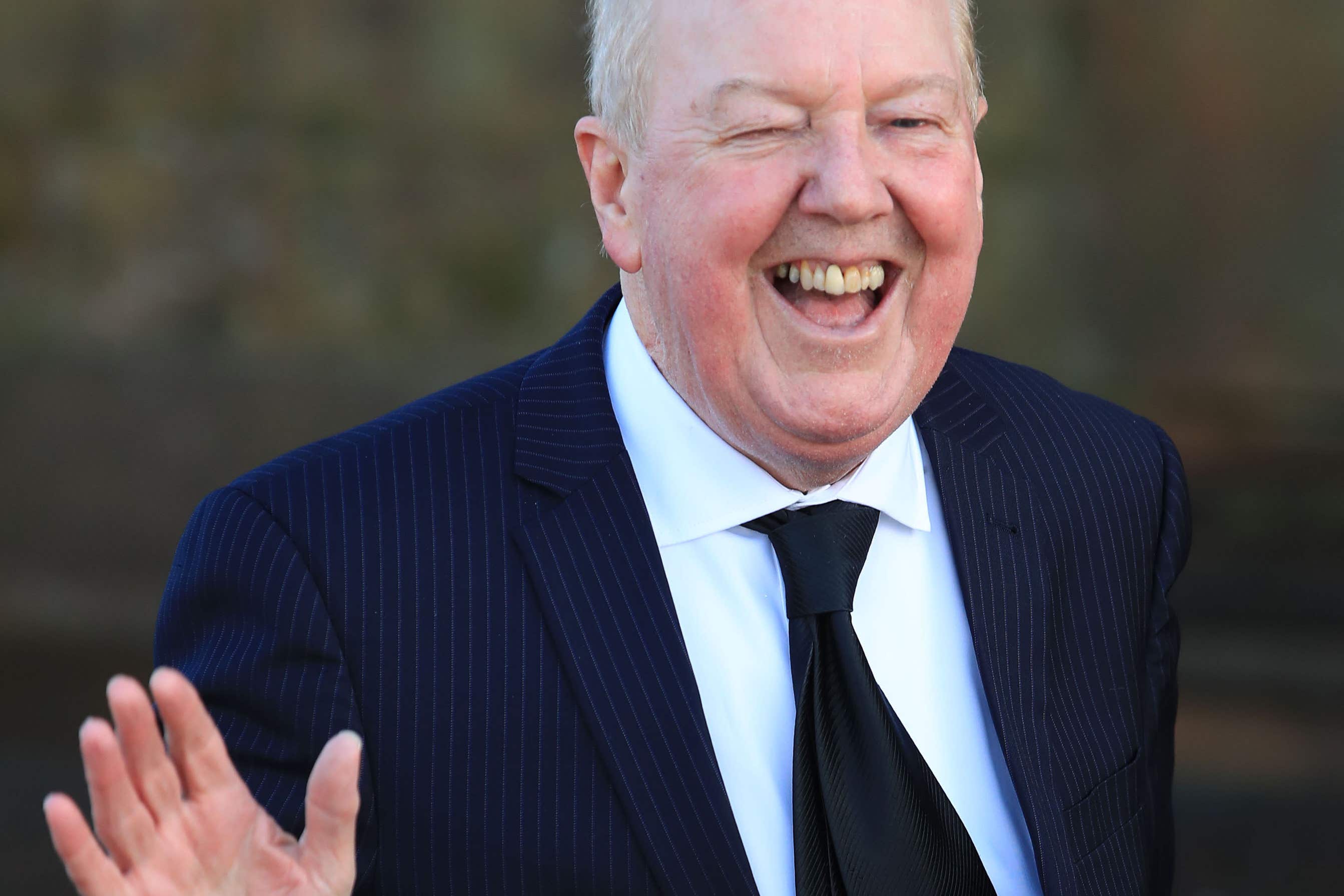
Tributes have also flowed from fellow entertainers and public figures. Comedians, actors, and musicians who shared stages with Cricket over his six-decade career took to social media to share anecdotes of his unwavering professionalism, his kindness to up-and-coming acts backstage, and his profound personal integrity.
Future Outlook: Preserving the Spirit of Traditional Variety
As mourners pack Salford Cathedral for Friday afternoon’s requiem mass, conversations within the British entertainment industry have naturally turned toward the legacy of traditional variety performers and how their unique art form can be preserved for future generations.
With the passing of figures like Jimmy Cricket, the community of classic British variety comedians—those who cut their teeth on the post-war theatrical circuits and defined the golden age of light entertainment—is slowly drawing to a close. However, cultural historians and modern comedy producers argue that the DNA of Cricket’s style lives on. The embrace of family-friendly slapstick, accessible physical comedy, and unpretentious audience interaction can still be observed in modern light entertainment formats, children’s television, and regional pantomime seasons across the UK.
Plans are already being discussed within northern theatrical circles to establish a permanent memorial or commemorative archive dedicated to the performers who shaped British variety during the latter half of the twentieth century. Such initiatives aim to ensure that students of comedy and younger generations understand the immense skill required to hold a live audience captive using nothing more than a bowler hat, a pair of oversized wellies, and an abundance of genuine goodwill.
As the final notes of the requiem mass fade at Salford Cathedral and Jimmy Cricket is laid to rest, the resounding sentiment among all who knew him—whether personally or through the warm glow of a 1980s television screen—is one of profound gratitude. For sixty years, he reminded us that laughter is a sacred, healing force. And as his devoted fans and family prepare to say goodbye, they take comfort in knowing that while the curtain has fallen on his earthly stage, the echoes of his laughter will reverberate for generations to come.
And there’s more… in the hearts of those who loved him best.