LONDON — Fifty-three years after Robin Hardy stunned the cinematic world with his haunting, pagan-infused masterpiece The Wicker Man, the visionary folk horror trilogy he always envisioned has finally reached its completion.
Wrath of the Gods, the long-dormant final chapter of a cinematic legacy that began in 1973, made its world premiere at London’s premier horror celebration, FrightFest. Yet, the path to the silver screen was far from straightforward. It required a serendipitous attic discovery, a grueling remote shoot in the North Atlantic, and a poignant, bittersweet family reckoning.
While the premiere marks the realization of a decades-long creative dream, it arrives under a shroud of profound grief. Justin Hardy, who co-steered the project alongside his brother Dominic to bring their father’s unproduced script to life, passed away suddenly last month at the age of 61, just weeks before the film’s debut.
What was intended to be a celebratory curtain call for a family-driven cinematic resurrection has instead transformed into an emotional monument to a director, a dynasty, and a genre-defining cultural touchstone.
Executive Overview
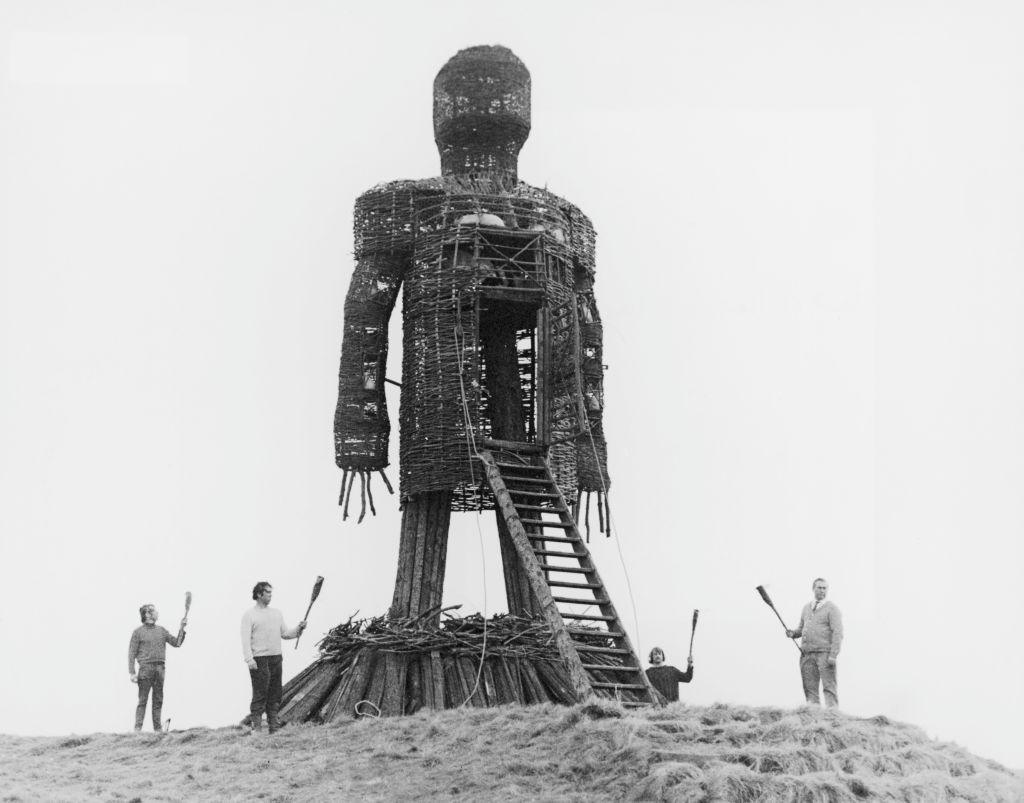
The journey of Wrath of the Gods is a narrative of delayed ambition, unexpected archival redemption, and familial dedication. Robin Hardy, who passed away in 2016 at the age of 86, directed the 1973 original—a film that famously languished in distribution limbo, pushed its creators to financial ruin, and ultimately ascended to the pantheon of British cult cinema. Though he managed to deliver a thematic successor with The Wicker Tree in 2011, his grand plan for a definitive three-part exploration of faith, sacrifice, and ancient rituals remained incomplete at the time of his passing.
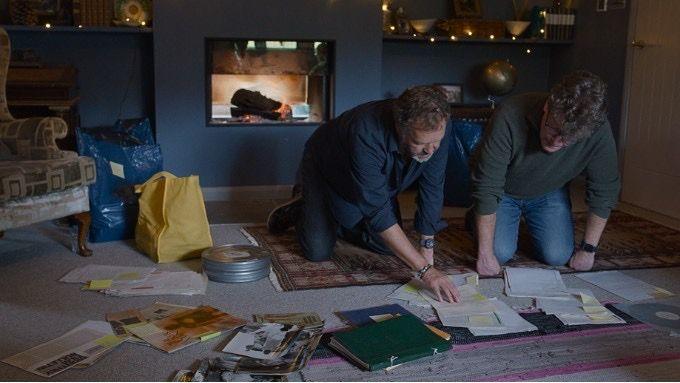
The completion of the trilogy materialized through a combination of chance and archival excavation. When the former family home of the Hardys was sold, the new owners stumbled upon six forgotten sacks stashed away in the attic. Filled with production notes, storyboards, personal letters, and crucially, a complete script for the third installment, the discovery breathed unexpected life into a dormant project.
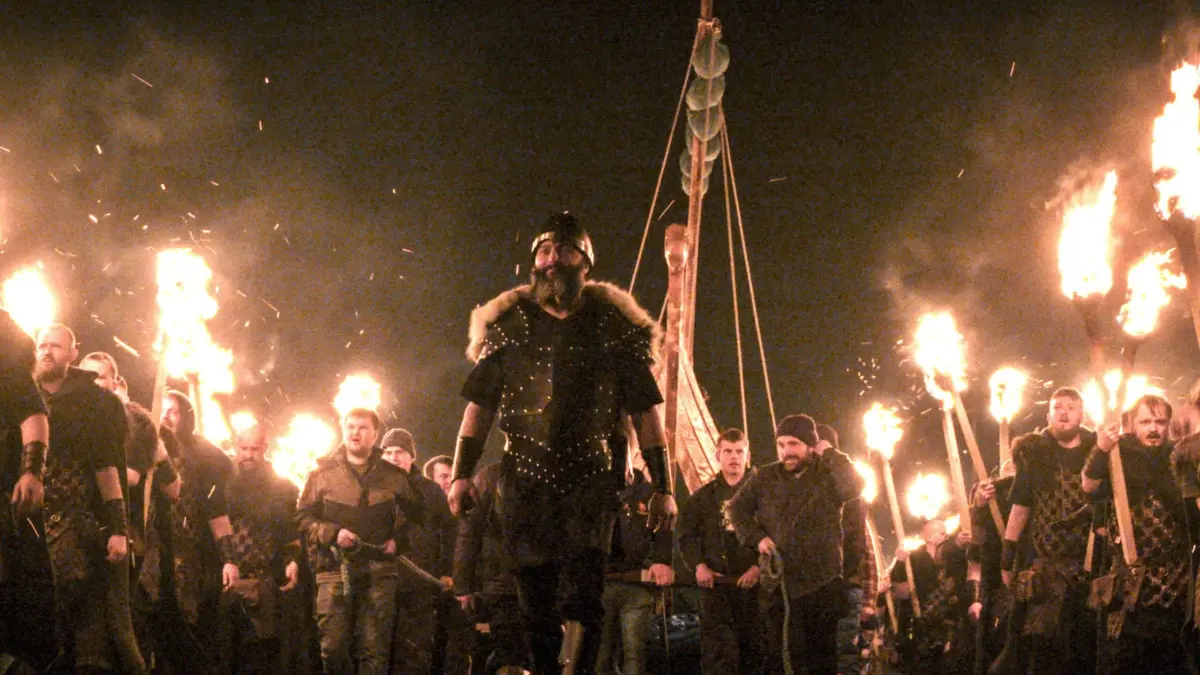
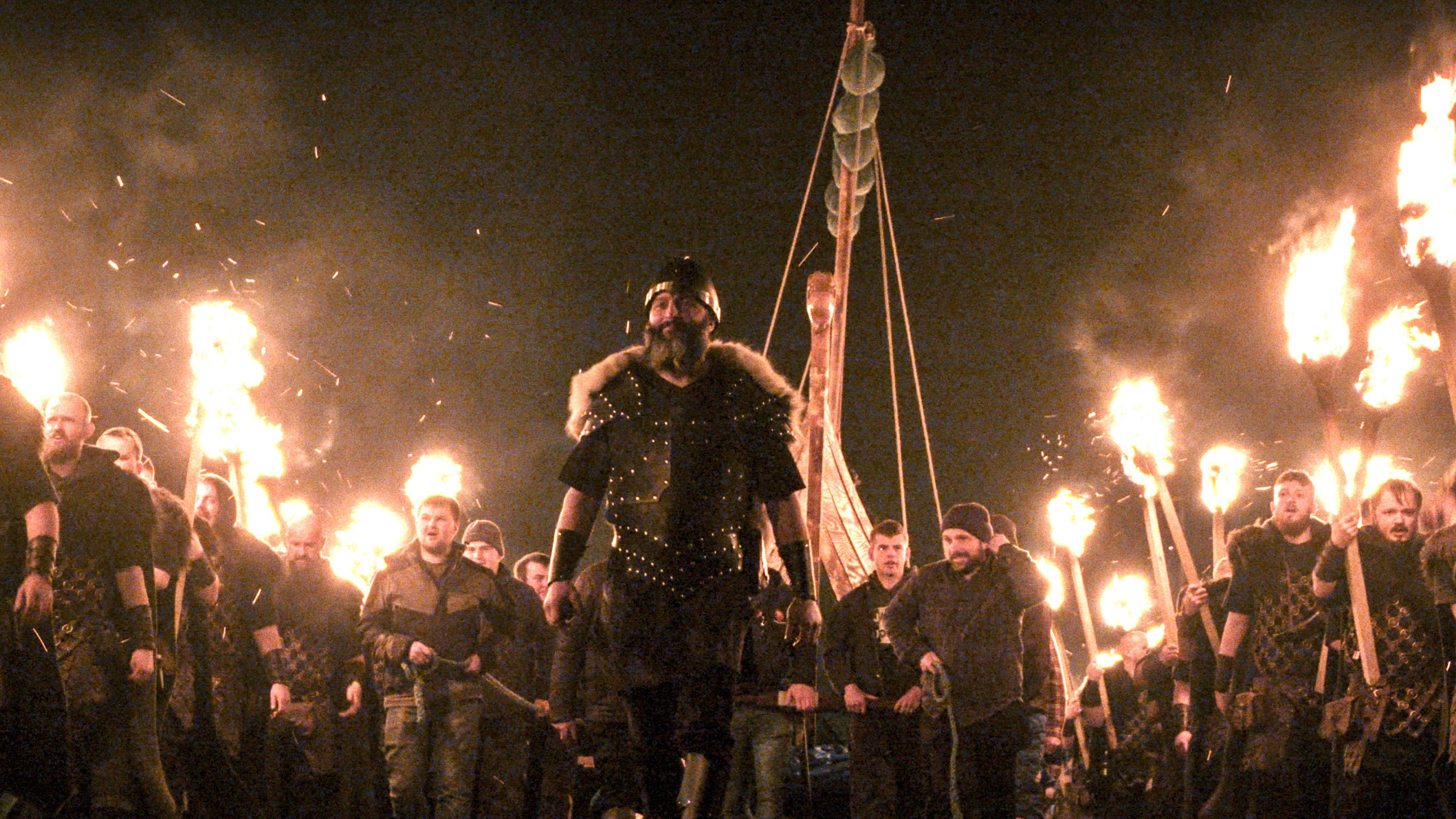
Stepping into their father’s shoes, brothers Justin and Dominic—an art historian at the University of Quebec in Montreal—took the raw materials and refashioned them into a contemporary narrative. Drawing upon Norse and Shetland mythology, the brothers shifted the setting from an Icelandic volcano theme park to the windswept isles of Shetland, grounding the project in authentic local culture.
Filming commenced in the spring of 2025 in the remote village of Voe, utilizing a hybrid cast of seasoned professionals—including Game of Thrones actor Francis Magee and Norwegian star Christiane Schaldemose—alongside a vibrant ensemble of local Shetland performers. However, the triumph of the film’s completion is forever intertwined with tragedy: the loss of director Justin Hardy, turning Wrath of the Gods into a multi-generational family tribute that honors not only Robin Hardy, but Justin himself and their mother, Caroline.
Detailed Chronology: From the Mists of Galloway to the Attic Discovery
To understand the weight of Wrath of the Gods, one must trace the turbulent history of the cinematic universe it concludes.
The Cursed Genesis of 1973
Commissioned at a time when the British film industry was teetering on the edge of insolvency, the original The Wicker Man was plagued by logistical nightmares from its inception. Set on a fictional Hebridean island during a vibrant spring, the production was forced to shoot in the biting, unforgiving autumn and early winter of Galloway, Scotland. Financial backers panicked, cash dried up entirely, and legendary star Christopher Lee—alongside other cast members—ultimately worked for free simply to ensure the film reached the finish line.
Upon delivery, the studio famously misunderstood its value. Buried as a second feature with competing edits and lost footage—some rumored to have been used as structural fill beneath motorway foundations—the film appeared destined for obscurity. Yet, its sheer atmospheric power, combined with Lee’s towering performance as Lord Summerisle and an unforgettable, fiery climax, kept it alive in the underground circuits. Its cultural revival culminated in 1988 when the BBC launched its cult film slot Moviedrome, opening the series with a newly assembled, previously unseen cut of the film.
Financial Ruin and Family Fallout
The troubled production of the original film extended far beyond the editing room, leaving deep financial and emotional scars on the Hardy family. Robin Hardy was bankrupted by the picture, a catastrophe that led him to abandon Justin’s mother, Caroline, leaving her saddled with his staggering debts. Robin subsequently married four more times, fathering a total of eight children, including Justin and Dominic.
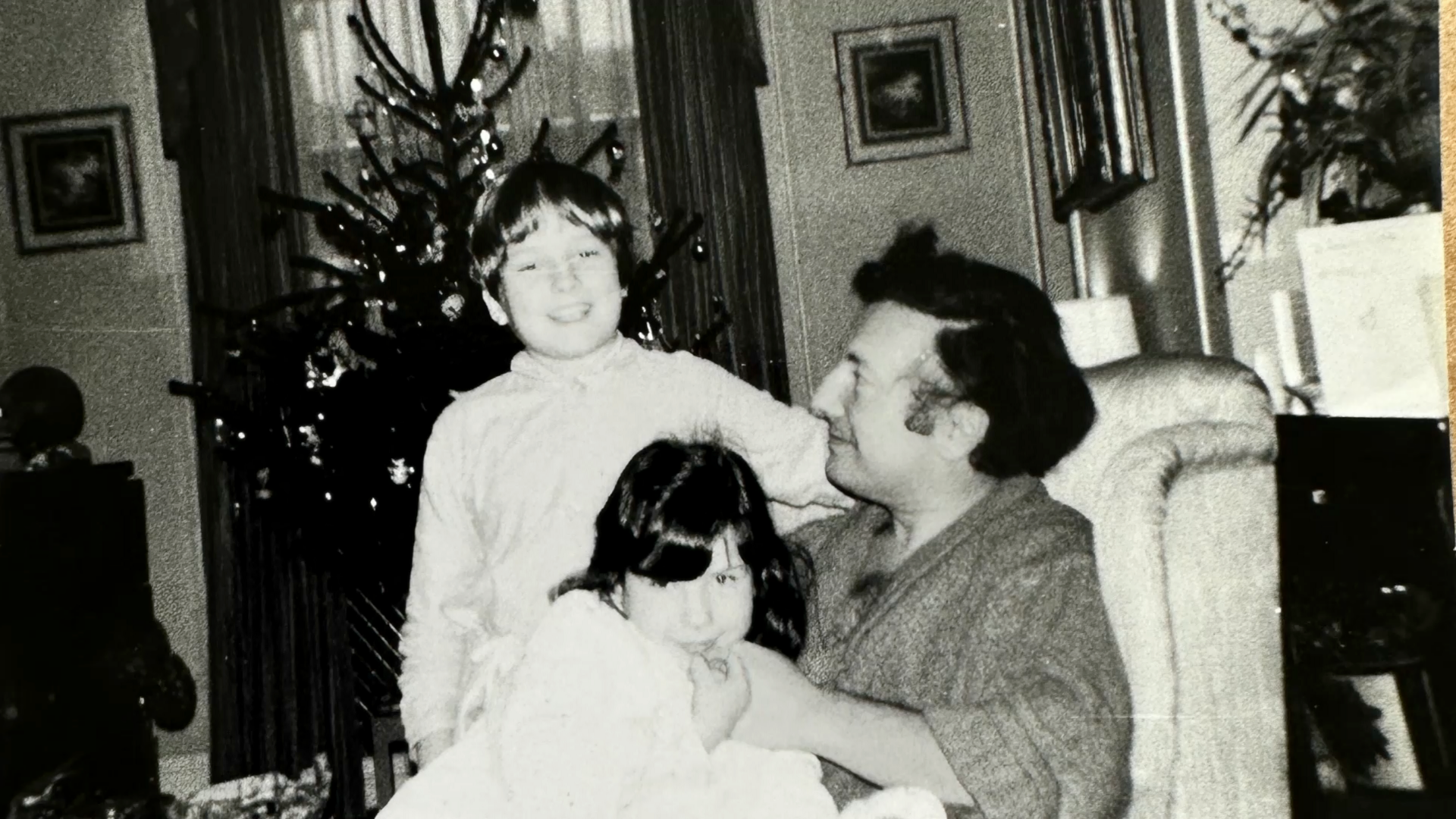
The complex, often painful emotional legacy of this upbringing was explored by the brothers in the 2024 book and documentary Children Of The Wicker Man. They detailed how the film was simultaneously the family’s greatest artistic triumph and the catalyst for its domestic fracture.
The Attic Find and the Spark of Wrath of the Gods
The recovery of the franchise began in an attic. As Dominic Hardy recalls:
"The person who bought Justin’s old family home said they’d discovered six sacks of letters, scripts and other material pertaining to Robin Hardy and The Wicker Man in the attic. Justin’s first instinct was to burn them, but we couldn’t ignore this original source material. Although we left it unopened for six months or more."
Inside those sacks lay the blueprint for the final chapter. The seed for Wrath of the Gods had been planted years prior, during a medical emergency. While flying, Robin Hardy suffered a heart medication failure that forced the plane to make an emergency landing in Reykjavik, Iceland. Marooned for a week of recuperation, the director conceptualized a story centered on a theme park built around an extinct volcano where ancient Norse gods exact their vengeance.
When the project evolved toward the trilogy’s conclusion, Robin relocated the setting to the Shetland Islands to maintain thematic continuity with his previous works.
Supporting Context & Metrics: Crafting Modern Folk Horror
Armed with their father’s foundational ideas, Justin (an Emmy- and BAFTA-nominated director) and Dominic crafted an original narrative that honors the folk horror tradition while introducing contemporary psychological depth.
The Plot of Wrath of the Gods
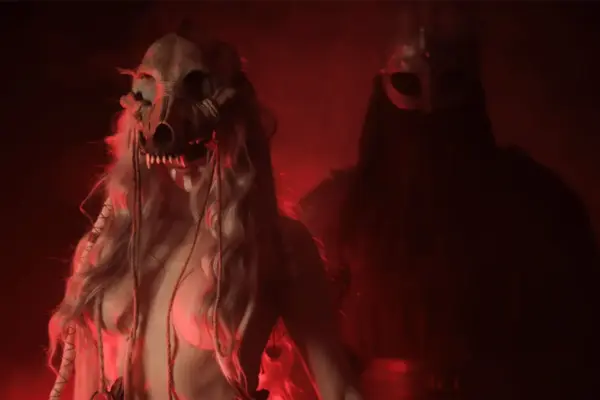
The story centers on the island of Hel, where a young grieving widow returns to bury her late husband following his suicide. Rather than finding solace, she is cast out by a tight-knit, insular community that views her as a harbinger of bad luck and malevolent forces. When local children begin to mysteriously vanish, the island community is forced to tear back the layers of its own dark, repressed history.
Production Realities in Shetland
Filming in the spring of 2025 brought its own set of trials and local triumphs. While international talent anchored the production, the production leaned heavily on Shetland’s unique geography and community spirit.
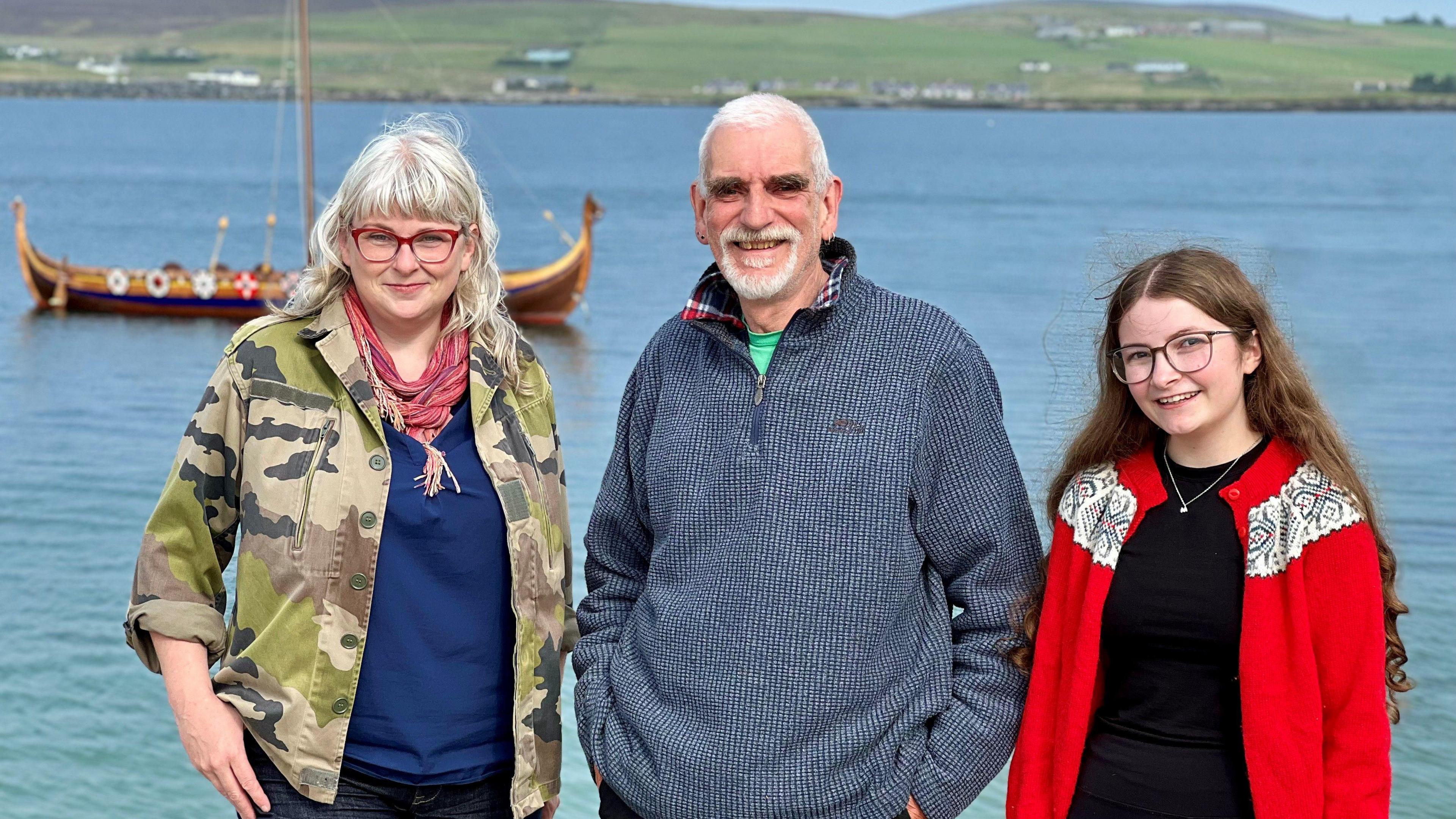
Cast & Crew: Featuring Francis Magee (Game of Thrones, Rose of Nevada) and Christiane Schaldemose, the production also integrated local talent such as Lynsey Rendall, theater veteran John Haswell, and 17-year-old actress Martha Robertson.
The Weather Paradox: In a classic cinematic irony, the crew faced unexpected clear skies while trying to shoot a gloomy, torrential rain scene. According to Robertson, the production had to resort to theatrical trickery:
"They had to black out all the windows and two crew members were on a wall with a hose and a leaf blower so we could get wind and rain. Which seemed really crazy because it rains every day on Shetland, but not the day we needed it to."
Logistics: The cast and crew endured an intense six-week shoot centered primarily around the village of Voe, braving demanding conditions to achieve the film’s raw, unglamorous aesthetic.
Official Statements & Reflections
The emotional resonance of the film’s release has been amplified by the reflections of those who brought it to life. Speaking ahead of the FrightFest premiere, local cast members and family members reflected on the profound journey of bringing the project to fruition.
John Haswell, who plays the sleazy clergyman Rev Knox, described the production as a career highlight:
"He’s a sleazy man of the cloth and I had an absolute ball working on it. It was an intense six weeks, filming in Voe virtually every day. It wasn’t glamorous but that’s part of the fun. We all were—still are—looking forward to seeing the finished film. But now it’s not just a celebration of the film, it’s a celebration of Justin and his life. It will be wonderful and sad. A complex mixture of emotions."
Lynsey Rendall emphasized the sheer audacity of the undertaking:
"It feels like a huge honour. The Wicker Man is such a famous film and has such an impact on popular culture so it was amazing to be part of that world. It was such a massive risk. So to get to the end of that process, when it’s going to be on a screen, feels a bit miraculous really and it’s so vexing that Justin isn’t going to be there to see what he so passionately wanted to achieve."
Dominic Hardy reflected on the poetic symmetry of the project for the Hardy family:
"It will be poignant beyond imagining. A sad but celebratory moment. I know that he [Justin] was extremely proud of it being taken by FrightFest. Justin’s efforts have brought us all together as a family and helped us harness all our energy."
Notably, Wrath of the Gods also serves as a posthumous tribute to Caroline, Justin’s mother, who acted as an uncredited, secret executive producer on the 1973 original. She passed away in 1984 at the age of 51, never knowing the cultural titan her financial and emotional sacrifices had helped create.
Future Outlook
As Wrath of the Gods debuts before horror enthusiasts at FrightFest in London, its legacy is already secure as one of the most remarkable rescue operations in British film history. What began as a collection of damp, forgotten papers in an attic has materialized into a fully realized cinematic conclusion.
The film stands as a testament to persistence—bridging the gap between 1970s analogue folk horror and modern storytelling. More importantly, it acts as an enduring monument to the Hardy family: a reconciliation of old wounds, a celebration of regional Scottish and Norse mythos, and a heartbreaking farewell to Justin Hardy, who ensured his father’s final cinematic vision would not be lost to the ashes.