Executive Overview
BLACK ROCK CITY, NV — The 2026 edition of the world-renowned Burning Man festival has been cast into profound sorrow following the confirmation of two separate fatalities on the remote playa of Black Rock City, Nevada. The annual counterculture gathering, which temporarily transforms the Nevada desert into a bustling metropolis dedicated to community, art, and radical self-expression, has once again found itself under the harsh glare of public and regulatory scrutiny.
Authorities and festival organizers have confirmed the deaths of two adult males over the course of the week-long event. The first incident occurred on Thursday, September 3, when an unnamed participant in his mid-50s suffered a critical medical emergency. Despite the rapid intervention of on-site emergency medical services, the man could not be revived. Just 48 hours later, on Saturday, September 5, a second tragedy unfolded. Sixty-year-old Craigh Mann was discovered unresponsive inside his designated campsite during the afternoon hours.
While Pershing County Sheriff Coroner Jerry Allen has stated that preliminary findings show no immediate evidence of foul play in either case, the twin tragedies have ignited deep-seated concerns regarding safety, health infrastructure, and the overarching viability of managing tens of thousands of individuals in an intensely hostile desert environment. These latest fatalities arrive at a deeply vulnerable juncture for the organization. Burning Man is already grappling with fierce internal debates concerning its cultural identity, commercialization, and a troubling legacy of safety incidents and legal investigations from prior years. This comprehensive report explores the timeline of the recent tragedies, contextualizes them within the broader narrative of the festival’s evolution, examines official responses from authorities, and evaluates what these events mean for the future of the iconic desert gathering.
Detailed Chronology of Events
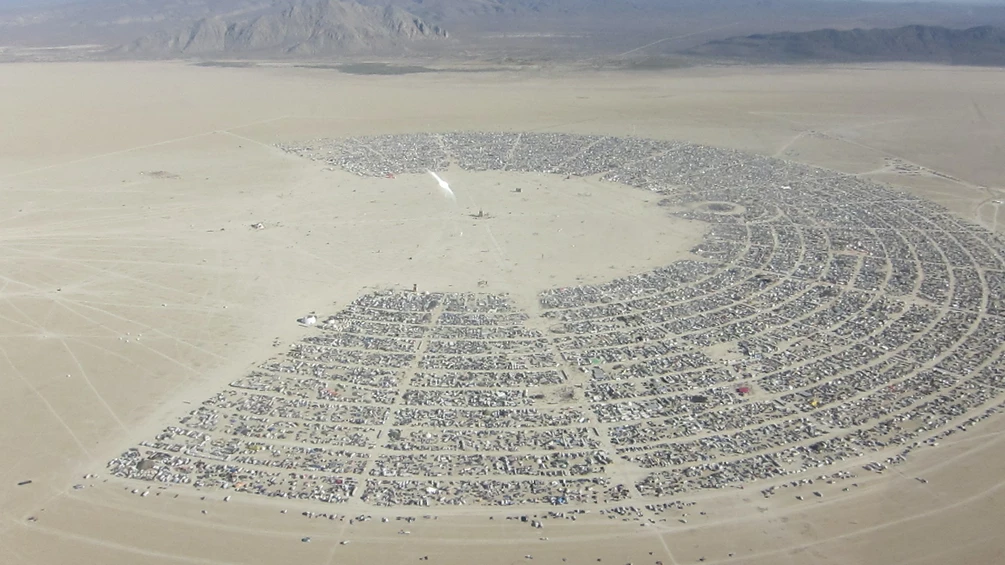
The sprawling, temporary municipality of Black Rock City operates under extreme climatic and logistical constraints. Situated in the Black Rock Desert of northwestern Nevada, the festival environment demands physiological resilience from its participants, known colloquially as "Burners." The sequence of events leading to the declarations of death on-site underscores the immense challenges inherent in providing emergency medical care across miles of open desert dust.
The First Incident: Thursday, September 3
The first fatality unfolded during the early phase of the peak event week. According to local law enforcement and emergency response logs, an unidentified male participant in his mid-50s experienced a severe medical crisis at a campsite on the playa. The nature of the medical emergency has not been publicly detailed out of respect for family privacy and pending toxicology and pathology reports.
Upon the onset of acute symptoms, campmates and bystanders initiated immediate calls for assistance. First responders stationed within Black Rock City deployed rapidly to the scene, stabilizing the patient and transporting him via emergency vehicle to the on-site comprehensive medical care facility. Despite the concerted efforts of attending physicians and emergency personnel, the man failed to respond to life-saving interventions and was pronounced dead shortly after arrival at the care center. Pershing County officials were immediately notified, initiating the standard protocol for unattended or sudden deaths within the county jurisdiction.
The Second Incident: Saturday, September 5
As the festival approached its emotional and ritualistic climax—the weekend leading up to the burning of the effigy—a second tragedy struck the community. At approximately 3:00 PM on Saturday, September 5, 60-year-old Craigh Mann was found unresponsive within his camp’s perimeter.
Emergency services were once again dispatched to the scene, but responders quickly determined that life-extending measures would be futile. Mann was pronounced dead at the scene. News of the second death quickly rippled through the interconnected camps of Black Rock City, dampening the celebratory atmosphere and prompting impromptu gatherings of mourning and reflection among participants.
Pershing County Sheriff Coroner Jerry Allen confirmed that investigators from the sheriff’s office processed both scenes. Initial physical examinations and preliminary interviews conducted by law enforcement yielded no indicators of suspicious circumstances, violence, or foul play associated with either death. Comprehensive autopsies, including toxicology screens, are currently being conducted by the regional medical examiner’s office to determine the definitive physiological causes of both men’s demises. Results are expected to take several weeks.
Supporting Context & Metrics: A Troubling Trend on the Playa
The confirmation of two deaths at Burning Man 2026 compounds a worrying statistical and operational trend that has plagued the organization over recent years. While Burning Man has historically promoted a culture of radical self-reliance—where participants are explicitly warned that they enter a harsh, unpredictable wilderness at their own risk—the sheer scale of the event demands an increasingly sophisticated public safety apparatus.
Historical Safety Data and Environmental Hazards
Operating a city of over 70,000 residents in an alkaline dust desert brings severe physiological risks. Dehydration, heatstroke, respiratory distress caused by alkaline dust storms, and pre-existing cardiovascular conditions are perennial threats. Over the past decade, organizers have invested heavily in emergency services, partnering with private medical contractors, local law enforcement agencies, and emergency airlift providers to ensure rapid response times.
Despite these measures, the playa has repeatedly proven to be a theater of unpredictable hazards:
- The 2025 Crises: Last year’s iteration of Burning Man was marred by severe weather and violent incidents. Intense dust storms and high winds severely disrupted arrival traffic, straining logistical networks. More critically, a severe electrical storm led to a horrific accident in which an attendee was electrocuted and required an emergency medical airlift off the site.
- The 2025 Homicide Investigation: Compounding the operational strain of 2025, the festival experienced its most severe security crisis in recent memory. A full-scale homicide investigation was launched after 37-year-old Vadim Kruglov was discovered dead, lying in a pool of blood at his campsite. That high-profile investigation remains ongoing, casting a dark shadow over the festival’s reputation regarding internal security and law enforcement cooperation.
- The 2023 Weather Deluge: Memories are still fresh of the catastrophic rainstorms of 2023, which turned the playa into a thick, impassable quagmire, trapping tens of thousands of participants in mud for days and prompting national media scrutiny over emergency preparedness and infrastructure resilience.
Cultural Soul-Searching: The Co-Founder’s Critique
Beyond physical safety and weather anomalies, the latest fatalities arrive at a moment of profound ideological crisis for the Burning Man organization. Earlier this month, Burning Man co-founder John Law published a blistering essay in the San Francisco Standard, launching a scathing critique of the modern manifestation of the event he helped create in the late 1980s on Baker Beach, San Francisco.
Law asserted bluntly that Burning Man has "lost its soul." He argued that the event has drifted catastrophically far from its roots as an avant-garde, anti-commercial counterculture gathering. Today, according to Law, the festival is "barely recognisable," having been overrun by corporate entities, ultra-wealthy "plug-and-play" camps offering luxury amenities, and influencers more concerned with social media optics than the foundational Ten Principles of Burning Man—such as radical inclusion, gifting, and decommodification.
This cultural alienation among legacy participants, combined with recurring fatalities and safety failures, has created a formidable public relations and structural challenge for the Burning Man Project leadership board.
Official Statements and Institutional Response
In the wake of Saturday’s announcement regarding Craigh Mann, the Burning Man organization released an official statement via their designated communications channels to express condolences and manage the psychological impact on the community.
The Organizational Response
The official statement released by Burning Man organizers read:
"Our thoughts and deepest condolences are with the participant’s family, friends, campmates, and all those affected by this loss."
The organization reiterated its commitment to supporting the families of the deceased and cooperating fully with the Pershing County Sheriff’s Office and local medical examiners as they complete their investigations. Peer support networks, mental health services, and crisis counseling stations distributed across Black Rock City—such as the "Sanctuary" and various psychological first-aid camps—saw an immediate surge in utilization as participants sought spaces to process the collective grief and shock of the double tragedy.
Law Enforcement and Medical Examiner Updates
Pershing County Sheriff Coroner Jerry Allen provided updates to regional media outlets, emphasizing that local law enforcement maintains a robust presence on the playa to ensure public safety, investigate crimes, and assist medical personnel.
"At this stage of the investigation, we have found no evidence pointing toward foul play in either the Thursday or Saturday incidents," Sheriff Allen noted. "We are awaiting the results of toxicology tests and comprehensive autopsies to provide definitive closure to the families. Our deputies and investigative teams continue to work collaboratively with event organizers to ensure a thorough accounting of these events."
Future Outlook: The Crossroads of Community and Regulation
As the dust settles on the 2026 iteration of Burning Man and participants pack up their infrastructure—adhering to the core principle of "Leave No Trace"—the leadership of the Burning Man Project faces a pivotal reckoning.
Regulatory and Permitting Pressures
The occurrence of multiple deaths in consecutive years places intense pressure on the Bureau of Land Management (BLM), which issues the annual special recreation permit allowing Burning Man to operate on federal public land. Environmental impact studies, safety compliance audits, and security reviews conducted by the BLM are already rigorous, but these repeated fatalities will likely trigger heightened scrutiny during the post-event permit renewal evaluations for future years. Federal regulators may demand enhanced medical staffing ratios, stricter camping safety protocols, and deeper accountability regarding security infrastructure.
The Identity Crisis of Black Rock City
From a sociological perspective, the festival stands at a crossroads. The tension between scaling the event to maintain revenue and scaling back to preserve safety and cultural integrity is reaching a boiling point. Critics like John Law argue that as Burning Man has grown into a global brand, it has sacrificed the intimate, volatile, and deeply personal ethos that protected its participants and fostered genuine community.
Ensuring the physical safety of over 70,000 people in an unforgiving desert while simultaneously recapturing the counterculture soul of the event represents an unprecedented challenge for the modern stewardship of Burning Man. As the investigation into the deaths of Craigh Mann and his fellow camper continues, the community is left to mourn, reflect, and confront hard truths about the cost of building a temporary city in the middle of nowhere.