Executive Overview
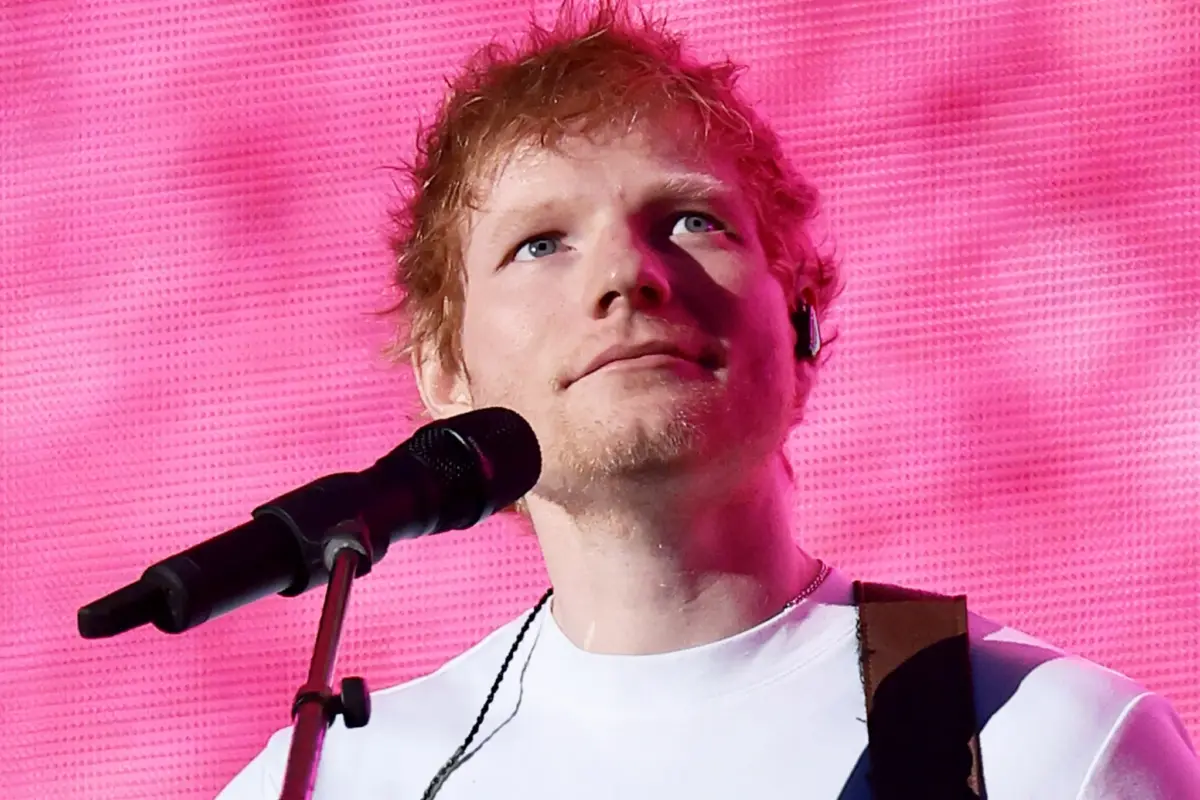
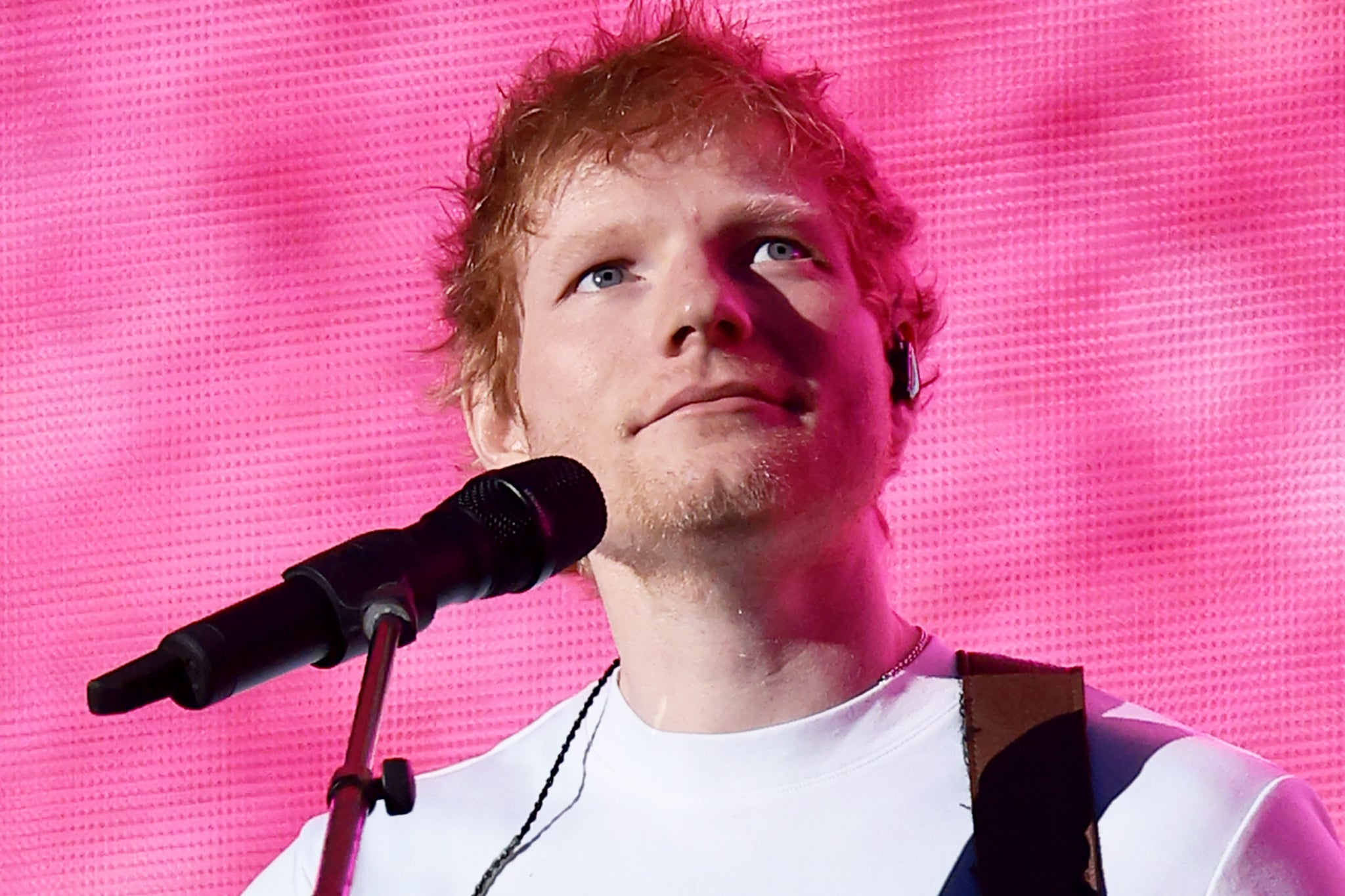
Ed Sheeran, long celebrated as the uncontested titan of accessible, inoffensive pop music, is currently navigating the most perilous crisis of his career. For an artist whose brand has been meticulously constructed around the pillars of unpretentious relatability, pleasant acoustic balladry, and a steadfast refusal to engage with polarizing sociopolitical discourse, a major public controversy was not merely a hazard—it was an inevitability.
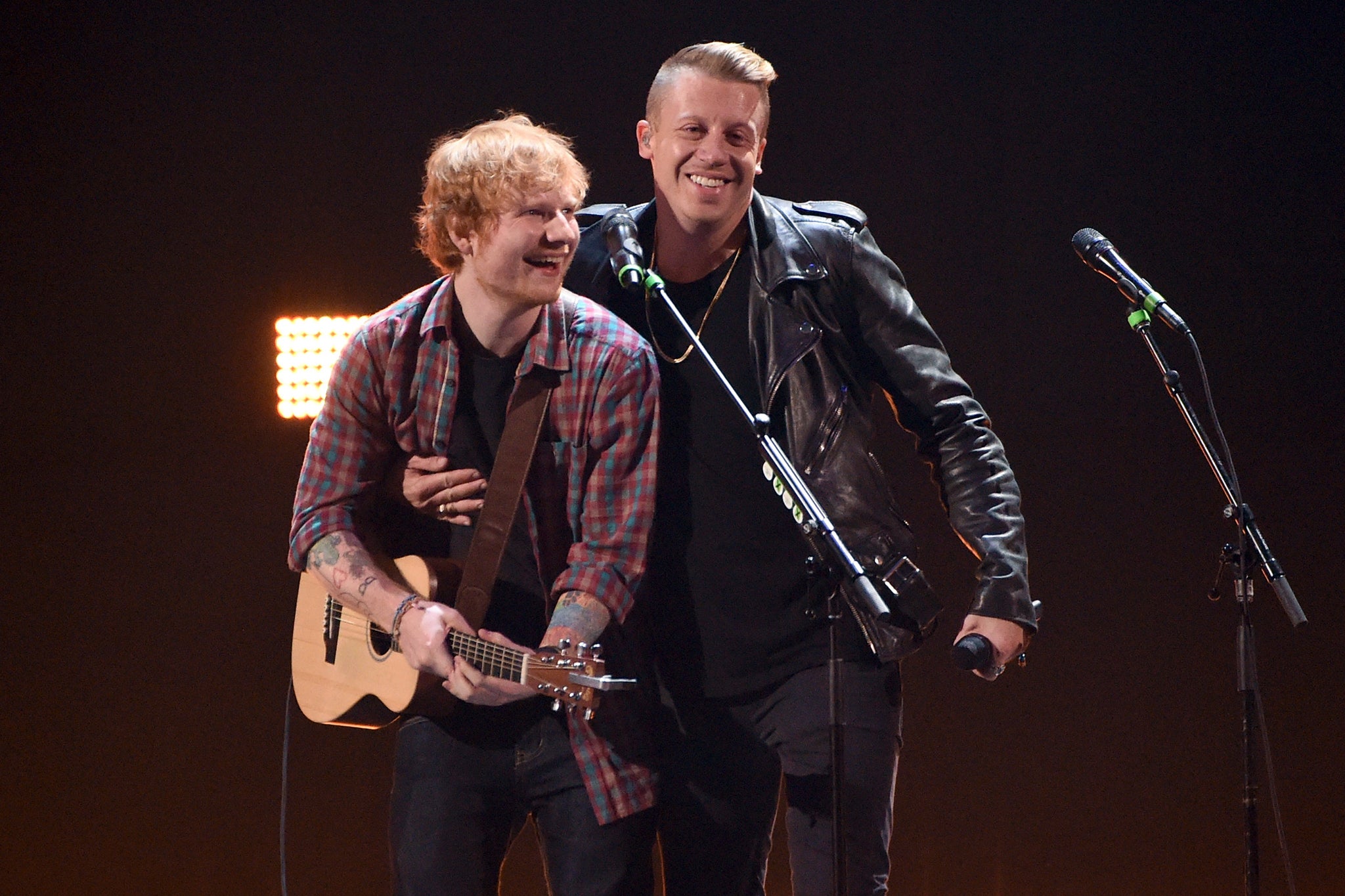
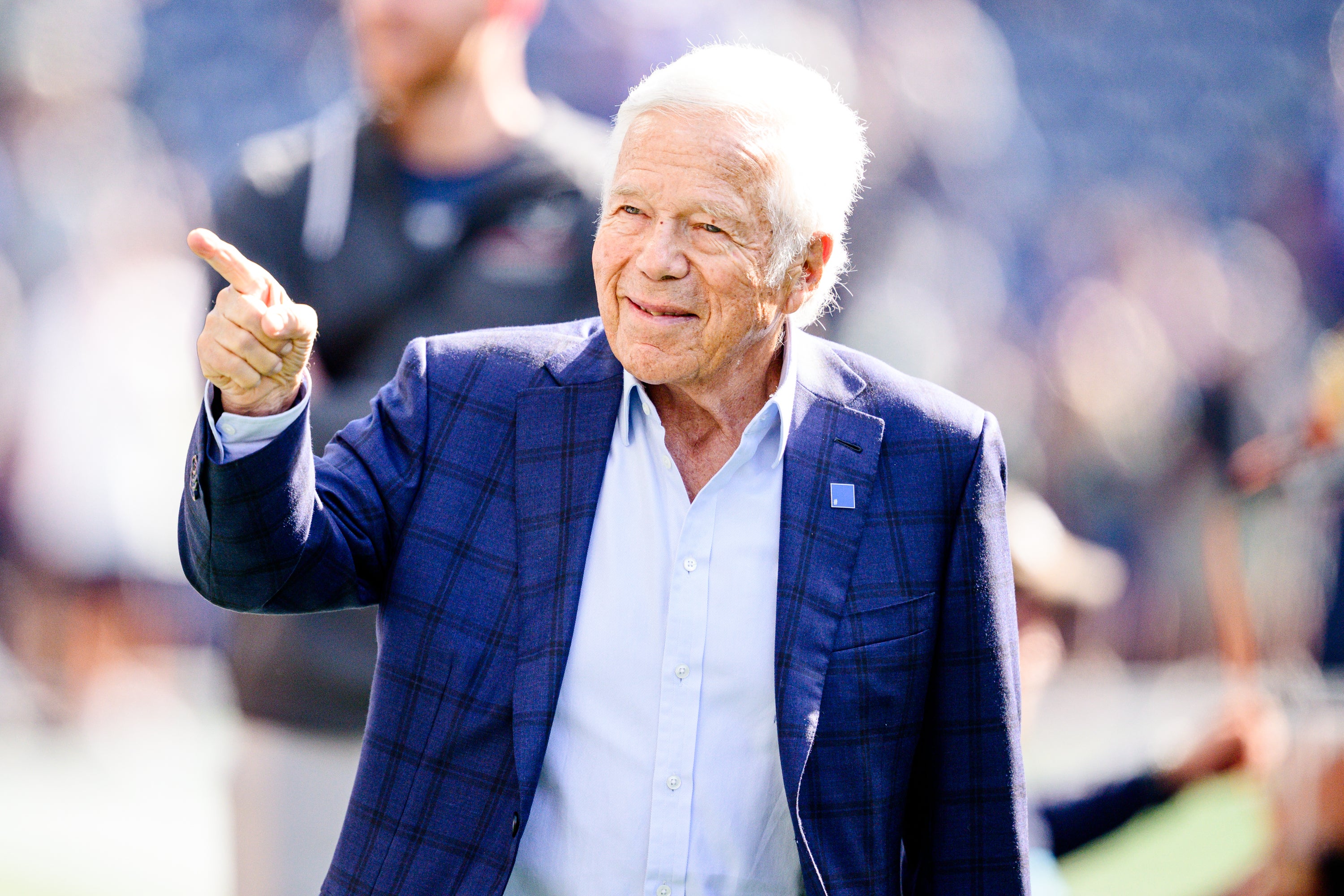
The illusion of frictionless neutrality shattered irrevocably following a high-stakes dispute over rapper Macklemore’s removal from Sheeran’s upcoming United States tour. Macklemore, who had been serving as a prominent opening act, was summarily dropped from the lineup after voicing explicit pro-Palestinian and anti-Israeli government sentiments during live performances. The subsequent fallout exposed the machinery of modern entertainment capitalism: a coalition of powerful venue owners—most notably 85-year-old billionaire Robert Kraft—leveraged their financial muscle to force Sheeran’s hand, threatening to cancel tour dates unless the rapper was ousted.
While Sheeran attempted to distance himself from accusations of direct complicity, his subsequent public statements revealed a profound dissonance between his carefully managed persona as an ordinary "bloke from the pub" and the stark realities of his billionaire-adjacent social circle. In an era where digital-native audiences increasingly demand ideological transparency and moral accountability from their cultural icons, Sheeran’s plea for artistic "sanctuary" and unyielding apoliticism fell flat. The fallout has sparked widespread fan backlash, tour-wide boycotts by supporting acts, and a fundamental reassessment of whether the era of the politically neutral pop star has officially reached its expiration date.
Detailed Chronology: The Anatomy of a Tour Implosion
The crisis that would eventually derail Ed Sheeran’s US tour began not in a corporate boardroom, but on the concert stage, escalating rapidly through a sequence of ultimatums, public statements, and solidarity boycotts.
Phase 1: The Inciting Incident
During a live performance, rapper Macklemore—then slated as the primary support act for Sheeran’s lucrative North American run—used his platform to address the ongoing conflict in Gaza. Delivering sharp, unscripted commentary critical of the Israeli government and expressive of pro-Palestinian solidarity, Macklemore ignited an immediate firestorm. While the remarks drew vocal support from progressive fans and various high-profile entertainment figures, they triggered alarm among major venue stakeholders.
Phase 2: The Billionaire Ultimatum
According to statements released by Macklemore, a powerful collective of concert-venue owners and corporate stakeholders moved swiftly behind the scenes. Exercising immense financial leverage, the venue operators issued a direct ultimatum to Sheeran’s management team: drop Macklemore immediately, or face the systematic cancellation of remaining tour dates across multiple major metropolitan arenas.
Among the central figures orchestrating the pushback was American billionaire businessman and sports franchise owner Robert Kraft. In a public statement defending the decision, Kraft categorized Macklemore’s on-stage remarks as "hate speech," framing the removal as a necessary protective measure for concertgoers.
Phase 3: Sheeran’s Response and the Domino Effect
Faced with the prospect of catastrophic financial losses and logistical chaos, Sheeran acquiesced to the venue owners. In a carefully worded, damage-control statement posted to social media with the comments section disabled, Sheeran denied being "complicit" in Macklemore’s firing. He explained that his primary obligation was to his fans—who had purchased hundreds of thousands of tickets—and to his broader touring crew and support acts whose livelihoods depended on the shows proceeding as planned.
However, this justification backfired almost instantaneously. Within hours of Macklemore’s dismissal, the remaining supporting acts on the bill—primarily smaller, independent alternative and indie-folk bands—withdrew from the tour en masse in an unprecedented display of solidarity.
Supporting Context & Metrics: The Crisis of the "New Boring"
To understand the severity of Sheeran’s current predicament, one must examine the foundational architecture of his commercial empire. Emerging in the early 2010s alongside artists like Adele and Mumford & Sons, Sheeran was a principal architect of what music journalist Peter Robinson memorably termed "the new boring."
The Economics of Relatability
For over a decade, Sheeran’s commercial viability rested entirely on an engineered sense of ordinariness:
- Global Reach: Sheeran has sold in excess of 200 million records worldwide, making him one of the best-selling music artists of all time.
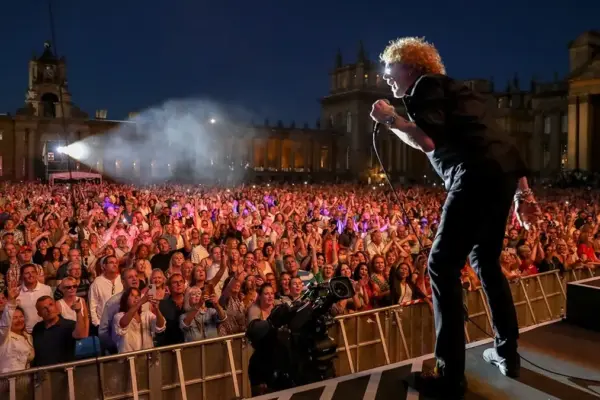
- The "Busker" Persona: Despite commanding stadiums that hold upwards of 80,000 people, marketing campaigns persistently leaned into his acoustic guitar, messy hair, and self-effacing anecdotes about sofa-surfing in his early days.
- Sonic Stagnation as Strategy: With iterative album cycles that rarely deviate from safe, melodic pop-folk formulas, the underlying corporate logic was simple: why alter a multi-billion-dollar formula that minimizes alienation?
The Billionaire Reality Check
The friction in Sheeran’s narrative arises when the "regular bloke" persona collides with high-stakes oligarchic reality. Far from being an independent troubadour, Sheeran’s professional orbit frequently intersects with the global elite. Notably, Sheeran performed at Robert Kraft’s wedding in 2022, and the two maintain a direct, personal rapport.
Kraft’s political and philanthropic footprint is well-documented: he is an outspoken ally of Donald Trump, a major donor to anti-BDS (Boycott, Divestment, Sanctions) campaigns targeting Israel, and an influential voice whose philanthropic interventions include pulling funding from academic institutions experiencing student-led protests regarding the Gaza conflict.
When a pop star whose entire brand is built on homespun charm is revealed to be economically and socially intertwined with conservative billionaires who dictate what can and cannot be spoken on an entertainment stage, the illusion of populist authenticity evaporates.
Official Statements and Industry Reactions
The public relations strategies deployed by the key players in this controversy underscore a widening gulf between legacy entertainment norms and contemporary digital accountability.
Ed Sheeran’s Defense
In his official address to the public, Sheeran articulated a philosophy of radical neutrality:
"I don’t use my platform for political statements as my audience includes young people, often children, of all backgrounds. My platform is designed to be a place of safety and sanctuary, and I wish to keep conversations open, not closed."
Critics were quick to dissect the statement. By framing his concerts as sanctuaries devoid of political reality while simultaneously shutting down his Instagram comment sections to evade direct user feedback, Sheeran exposed the hollow defensive posture of traditional pop gatekeeping. Furthermore, a joint pledge by Sheeran and Kraft to donate $2 million in vague "aid to the region" was widely criticized as an institutional boilerplate response, contrasting sharply with Macklemore’s targeted $1 million donation to specific humanitarian organizations, including the Palestine Children’s Relief Fund and the Gaza Soup Kitchen.
A Fragmented Celebrity Landscape
The stark polarization of the industry was further highlighted by the celebrity alignment map:
- Macklemore’s Allies: A massive wave of high-profile actors and musicians—including Florence Pugh, Penélope Cruz, Zara Larsson, and Hozier—publicly endorsed Macklemore’s stance by liking and sharing his statements.
- Sheeran’s Allies: Conversely, Sheeran’s public backing remained notably sparse, anchored primarily by Robert Kraft and pop singer Pink, whose early amplification of petitions targeting Macklemore drew heavy criticism across social channels.
Future Outlook: The Death of Safe Pop?
As the dust settles on the immediate logistics of the tour—which will proceed as scheduled due to the astronomical financial penalties of cancellation—the long-term damage to Ed Sheeran’s brand warrants close examination.
+-------------------------------------------------------------------------+
|                  THE SHIFTING PARADIGM OF CELEBRITY POLITICS            |
+----------------------------------+--------------------------------------+
| Era                              | Audience Expectation                 |
+----------------------------------+--------------------------------------+
| 2010s ("The New Boring")         | Frictionless neutrality, escapism,   |
|                                  | universal appeal, safe aesthetics.   |
+----------------------------------+--------------------------------------+
| Present Day (Digital Native)     | Moral clarity, ideological           |
|                                  | transparency, zero tolerance for     |
|                                  | corporate/billionaire censorship.    |
+----------------------------------+--------------------------------------+
Broader Industry Implications
Sheeran is not alone in facing this reckoning. Across the upper echelons of pop superstardom, the traditional playbook of calculated silence is failing:
- Beyoncé has recently faced fierce grassroots criticism from fans over her perceived silence on Gaza, past appearances at charity events alongside political figures like Jared Kushner and Ivanka Trump, and high-profile commercial mishaps.
- Taylor Swift and Harry Styles routinely face intense online scrutiny for evading substantive sociopolitical commentary, with critics noting that their immense net worths insulate them from the financial risks taken by smaller independent artists when speaking truth to power.
Conclusion
For Ed Sheeran, the current crisis has exposed the fundamental vulnerability at the heart of his career. Fifteen years ago, offering the musical equivalent of comfort food in an increasingly complex world was a masterstroke of commercial pragmatism. Today, in an era defined by hyper-connected, politically engaged digital natives who demand moral clarity from their cultural idols, being "the safest man in music" has transformed from a lucrative business model into a profound liability.
The music will continue to play, and the stadiums will largely remain packed, but the frictionless innocence that once defined the Ed Sheeran phenomenon has been permanently fractured.