The Digital Audio Workstation (DAW) serves as the indispensable cornerstone of modern audio engineering, electronic music production, and commercial composition. As software development has evolved over the past two decades, the baseline functional gap between competing platforms has narrowed significantly. Today, virtually every major DAW offers multi-track recording, non-destructive editing, sophisticated MIDI routing, and high-definition mixing environments. Consequently, selecting a DAW is no longer an exercise in raw feature checklists, but a strategic decision dictated by workflow alignment, interface ergonomics, and psychological resonance with the creator’s artistic process.

The modern software landscape features established industry heavyweights alongside innovative upstarts pushing the boundaries of artificial intelligence, modular patching, and cross-platform cloud integration. Whether engineering a cinematic orchestral score, mixing a multi-platinum hip-hop record, or designing complex generative soundscapes, the choice of environment defines the trajectory of a production. This definitive guide analyses the premier Digital Audio Workstations available to creators across all genres, styles, and workflows.

Detailed Chronology of DAW Evolution
To understand the current ecosystem of Digital Audio Workstations, one must examine the developmental milestones that transformed these platforms from rigid tape-emulation utilities into dynamic, modular creative ecosystems.
The Foundation and Early Proliferation (1990s–2010s)
- 1990s: Platforms like Pro Tools emerge as the undisputed standards for professional multi-track studio recording, transitioning the industry from analog tape to digital non-linear editing. Meanwhile, early loop-based and pattern-based software like FL Studio (then FruityLoops) and early iterations of Cubase democratise electronic music production.
- Early 2000s: Ableton Live revolutionises live performance and electronic composition with its non-linear Session View, introducing the concept of real-time audio time-stretching. Simultaneously, Reason pioneers the skeuomorphic "Rack" environment, bringing hardware-style modular patching into the digital domain.
- 2010s: The software market stabilizes around cross-platform parity. Bitwig Studio launches in 2014, offering a deeply modular, highly flexible architecture that appeals to experimental sound designers, while Reaper establishes a reputation for lightweight efficiency and radical customisability.
The Modern Era of AI, Cloud, and Hybrid Workflows (2020–Present)
- 2024–2025: Artificial intelligence transitions from a novelty to an integrated utility. DAWs implement native stem separation, intelligent mixing assistants, and predictive MIDI generation. FL Studio introduces its AI assistant "Gopher," while Logic Pro expands its AI-driven "Session Players."
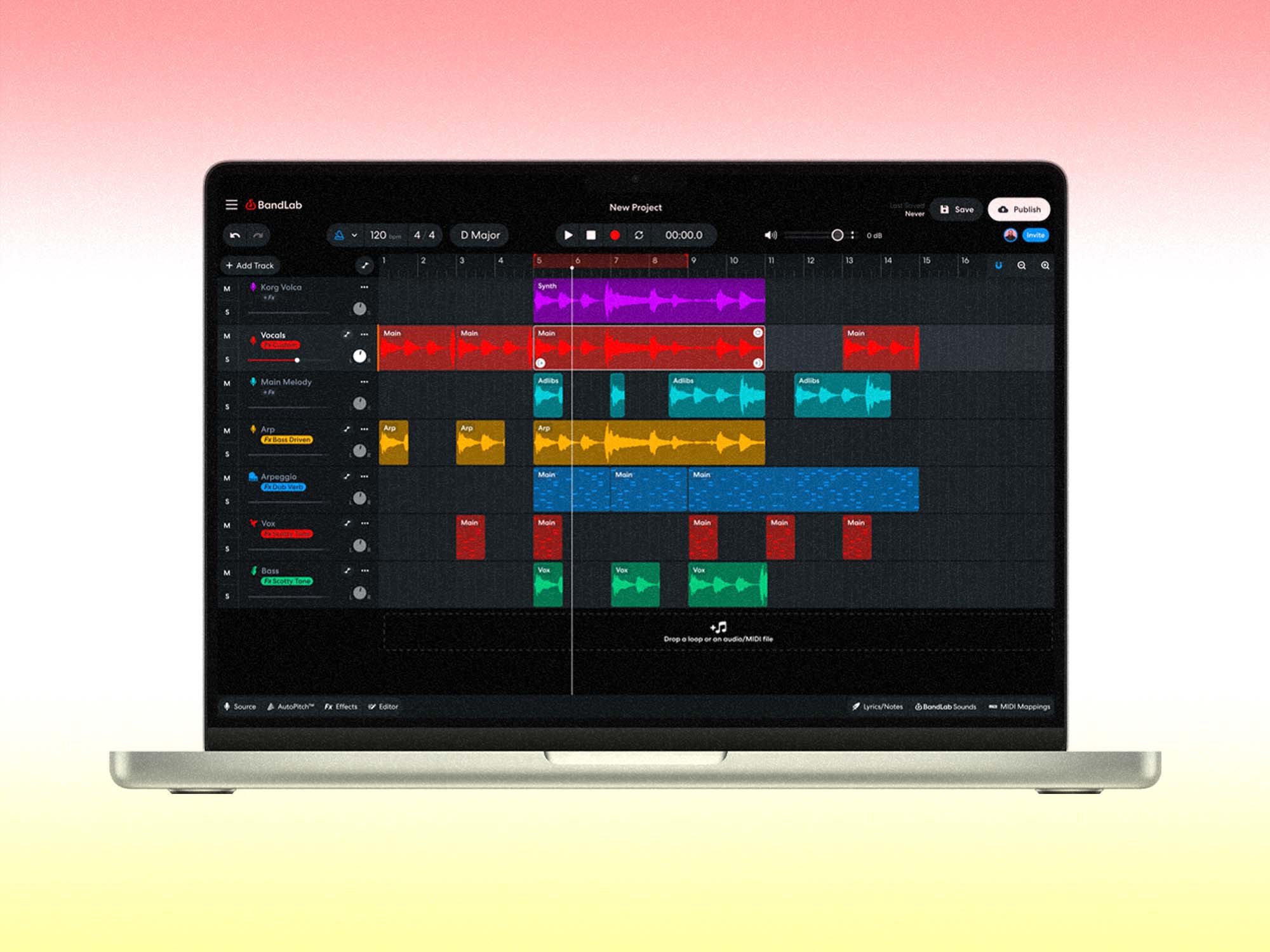
- 2026 and Beyond: Acquisition and cross-industry convergence redefine major players. LANDR acquires Reason Studios, significantly lowering the platform’s price point. Fender absorbs PreSonus Studio One, rebranding it as Fender Studio Pro and embedding comprehensive hardware amplifier emulations directly into the software core. Cloud-native platforms like BandLab and browser-based ecosystems like Moises AI Studio blur the boundaries between desktop computing, mobile devices, and real-time collaborative production.
Supporting Context & Metrics: The Top DAWs Analysed
Navigating the modern DAW market requires a granular look at the strengths, weaknesses, and specialized applications of each platform. Below is a comprehensive breakdown of the industry’s leading solutions.

1. Ableton Live 12 (Our Top Pick)
- Primary Strengths: Unmatched versatility across live performance and studio production; legendary clip-based Session View for non-linear improvisation; comprehensive built-in instruments (Operator, Wavetable, Meld) and studio-grade effects.
- Recent Innovations: Live 12 introduces inspiring MIDI generation tools, MPE-enabled synths, native stem separation, Splice integration, and the Extensions SDK for native JavaScript augmentations alongside the Max for Live environment.
- Ideal User: Electronic music producers, live performers, and multi-genre artists seeking a seamless bridge between composition and live execution.
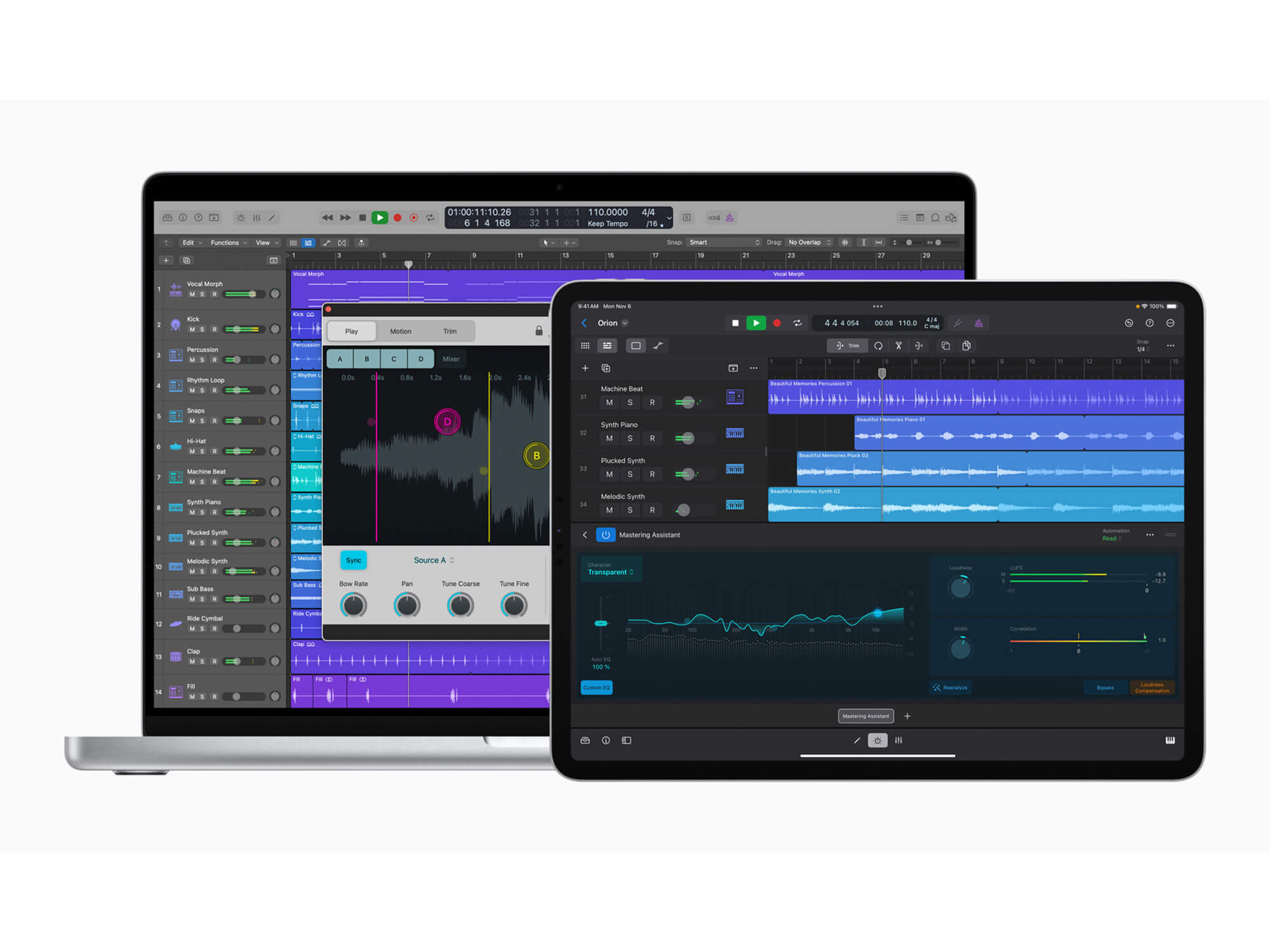
2. Apple Logic Pro 12
- Primary Strengths: Exceptional value for macOS users; highly intuitive interface; powerful comping tools; industry-leading software instruments and mixing architecture.
- Recent Innovations: Version 12 enhances intelligent workflows with a new Synth Player integrated into its AI Session Players, automated chord detection, and "Flashback Capture" for retrieving unrecorded MIDI performances.
- Ideal User: Singer-songwriters, home-studio enthusiasts, and professional mixing engineers embedded in the Apple ecosystem.
3. Image-Line FL Studio 2026
- Primary Strengths: Legendary pattern-based workflow and step sequencer; highly accessible learning curve; unbeatable lifetime free updates policy.
- Recent Innovations: The integration of the AI assistant "Gopher" for automated track organisation and mixing routing, a ground-up rebuild of the Flex synth, and native FL Cloud storage integration.
- Ideal User: Hip-hop producers, beatmakers, and electronic artists who prioritize rapid idea capture and loop-based sequencing.
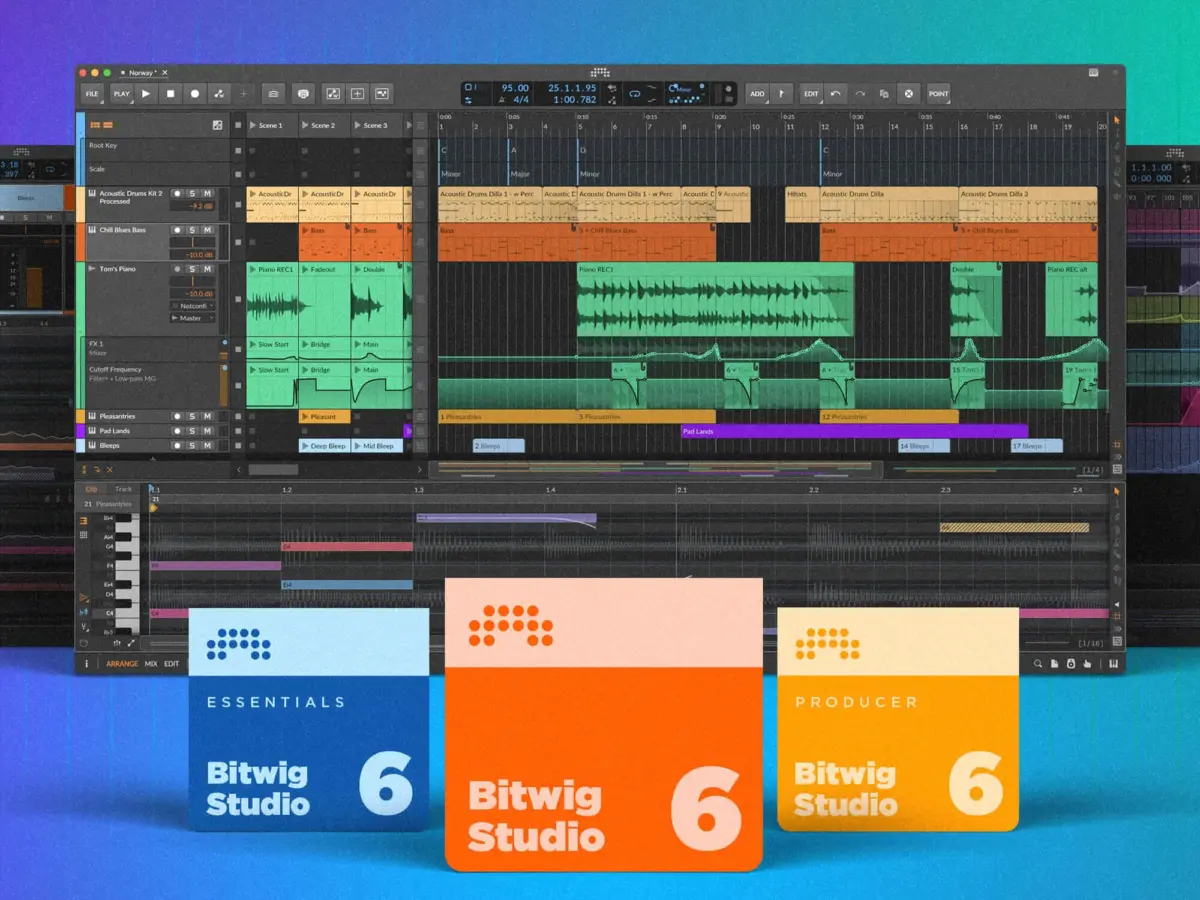
4. Bitwig Studio 6
- Primary Strengths: Fluid modular architecture; deep modulation system that treats every parameter as a potential modulation target; robust hardware integration via DC-coupled audio and Eurorack connectivity.
- Recent Innovations: Bitwig 6.1 expands its Sampler with an expressive "Fragments" granular mode, advanced audio slicing, and intelligent pitch analysis.
- Ideal User: Sound designers, modular synth enthusiasts, and electronic producers looking for a "meta-synthesizer" workflow.
5. Steinberg Cubase 15
- Primary Strengths: Industry-standard video synchronisation; advanced MIDI capabilities and score editing; robust routing for complex multi-sample orchestral libraries.
- Recent Innovations: Cubase 14 and 15 introduced "Modulators" (LFOs, envelope followers, and custom scripts) and a revamped Pattern Editor with note probability and velocity variance.
- Ideal User: Film composers, media scoring professionals, and complex multi-instrument arrangers.
6. Fender Studio Pro (Formerly PreSonus Studio One)
- Primary Strengths: Musician-first creative suite; streamlined drag-and-drop workflow; deep hardware integration following Fender’s acquisition.
- Recent Innovations: Version 8.1 incorporates Mustang and Rumble Native plugins, offering over 70 amplifier and pedal models derived directly from Fender’s hardware catalog, alongside Moises Studio stem-splitting integration.
- Ideal User: Guitarists, bassists, and traditional instrumentalists transitioning to digital production.
7. Cockos REAPER
- Primary Strengths: Extreme CPU efficiency; near-infinite customisability via ReaScript, custom actions, and JSFX scripting; lightweight footprint capable of running from portable storage.
- Recent Innovations: Version 7 introduced advanced track lanes for comping, self-contained effects chains, and parallel routing matrices.
- Ideal User: Tech-savvy audio engineers, power users, and budget-conscious professionals who demand total control over their interface.
Official Statements and Industry Insights
The rapid evolution of digital audio architecture has prompted significant commentary from industry leaders, software developers, and engineering pioneers.

Industry analysts note that the integration of artificial intelligence is no longer viewed merely as a gimmick, but as an essential productivity multiplier. Representatives from Ableton emphasize that software expansions—such as the new JavaScript Extensions SDK—are designed to "empower the user community to build the tools they wish existed, rather than waiting for top-down corporate updates."

Similarly, the strategic acquisitions seen across the market—such as LANDR’s acquisition of Reason Studios and Fender’s transition of Studio One into Fender Studio Pro—underscore a broader industry trend toward ecosystem consolidation. Software development is increasingly tied to hardware manufacturing and cloud infrastructure, ensuring that producers have frictionless pathways from instrument input to global digital distribution.
Future Outlook: The Next Decade of Audio Production
As we look toward the future of digital audio workstations, several transformative trends are poised to redefine the craft:

- Ubiquitous Cloud Collaboration: Localized file management is steadily giving way to synchronous, cloud-native project files. Platforms like BandLab and Moises AI Studio demonstrate that multi-device, real-time collaboration across continents will become the baseline expectation for modern writing sessions.
- Context-Aware AI Assistants: Rather than replacing human creativity, AI tools will assume responsibility for tedious administrative tasks—such as gain staging, track bus routing, and file naming—allowing artists to maintain an uninterrupted creative flow state.
- Hardware-Software Convergence: As exemplified by Bitwig’s modular ecosystem and Fender Studio Pro’s native amp modelling, the barrier between physical instruments and digital processing will continue to dissolve, offering hybrid creators the tactile feel of analog gear with the infinite recall of the digital domain.
Ultimately, the best DAW remains a deeply personal choice. Whether opting for the sprawling modular freedom of Bitwig Studio, the streamlined cinematic depth of Logic Pro, or the zero-barrier accessibility of free suites like Tracktion Waveform and BandLab, the modern producer has never been better equipped to translate imagination into pristine sonic reality.