By Nicolas-Tyrell Scott
Published August 18, 2026
Executive Overview
From its gritty, underground origins in the Bronx in the 1970s to its current status as a dominant economic and cultural powerhouse, hip-hop has continually proven itself to be a shapeshifter of unprecedented proportions. Serving simultaneously as a voice for the voiceless, a beacon of socio-political hope, a vehicle for marginalized communities, and a multi-billion-dollar commodity, the genre remains endlessly adaptable as it celebrates its historic milestone years.
Hip-hop’s footprint extends far beyond the recording studio. It has continually intersected with high fashion, shaping and being shaped by visionaries like André Leon Talley, Dapper Dan, Salt-N-Pepa, Missy Elliott, and Lil’ Kim. Today, its cultural ubiquity is backed by staggering commercial metrics. In the United Kingdom, hip-hop commands a robust 12.4% of the album market share, while in the United States, it reigns supreme, capturing a massive 28% of overall audio and video consumption.
Yet, the beating heart of this movement has always been its music. Over the last half-century, the sonic landscape of hip-hop has undergone a radical, unending metamorphosis. From the raw, heavy impact of 1980s boom-bap to the high-energy bombast of crunk, down to contemporary regional variations like UK drill and grime, hip-hop is characterized entirely by its relentless evolution.
As the culture pushes deeper into its fifth decade—honoring its foundational architects while continually challenging, questioning, and reimagining its future—we look back at the definitive albums that changed everything.
Detailed Chronology: Five Decades of Masterpieces
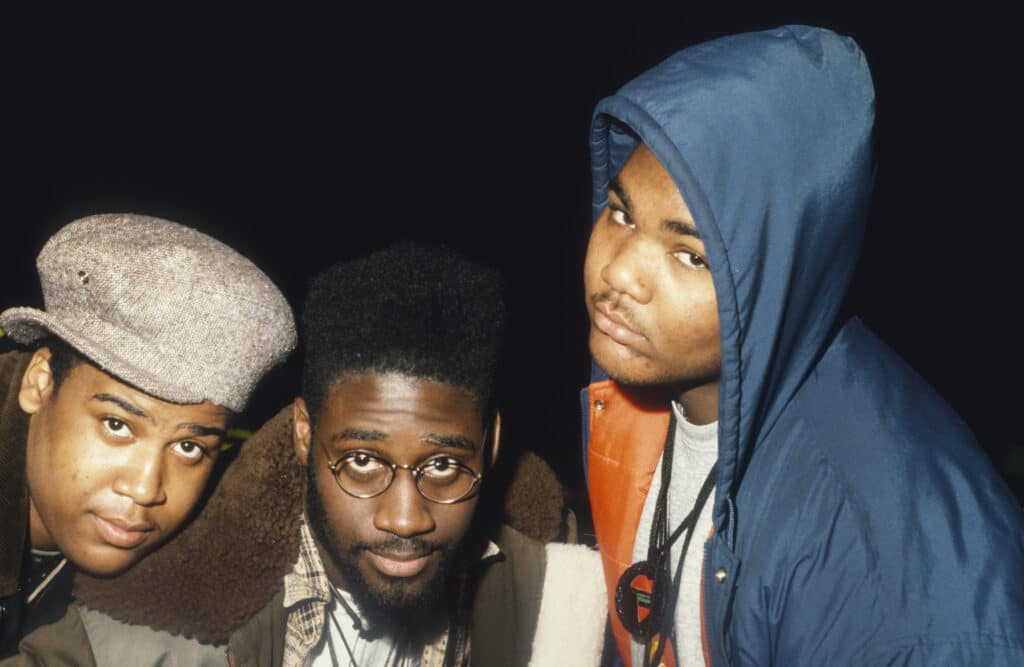
1980s: De La Soul – 3 Feet High and Rising (1989)
As the 1980s drew to a close, hip-hop was rapidly solidifying its identity as a gritty, street-level reporter of urban America. Enter De La Soul. With the release of their landmark 1989 debut album, 3 Feet High and Rising, the Long Island trio—comprising Trugoy the Dove, Maseo, and Posdnuos—shattered expectations by introducing a quirky, fiercely inquisitive, and delightfully psychedelic approach to the genre.
Rather than relying solely on traditional funk and soul breaks, the group pioneered alternative rap by weaving light, eclectic samples of jazz, rock, spoken word, and even classical music into their soundscapes. Beyond mainstream breakout tracks like "The Magic Number," "Eye Know," and the ubiquitous "Me Myself and I," the album is anchored by intricate, deeply textured productions that brim with individual flair. A prime example is "Ghetto Thang," which utilizes an unorthodox arrangement of synthesizers to drive its melodic and rhythmic progression forward.
Furthermore, 3 Feet High and Rising utilized tone, pitch-shifting, and playful intonation to make the entire listening experience feel cinematic and comical, yet brimming with quiet confidence and undeniable charm. On tracks like "Tread Water," Trugoy the Dove’s opening verse exemplifies this approach in succinct fashion, treating the listener to a highly animated yet urgent delivery. By proving that rap could be cerebral, vulnerable, and humorous all at once, De La Soul permanently widened the creative boundaries of the genre.
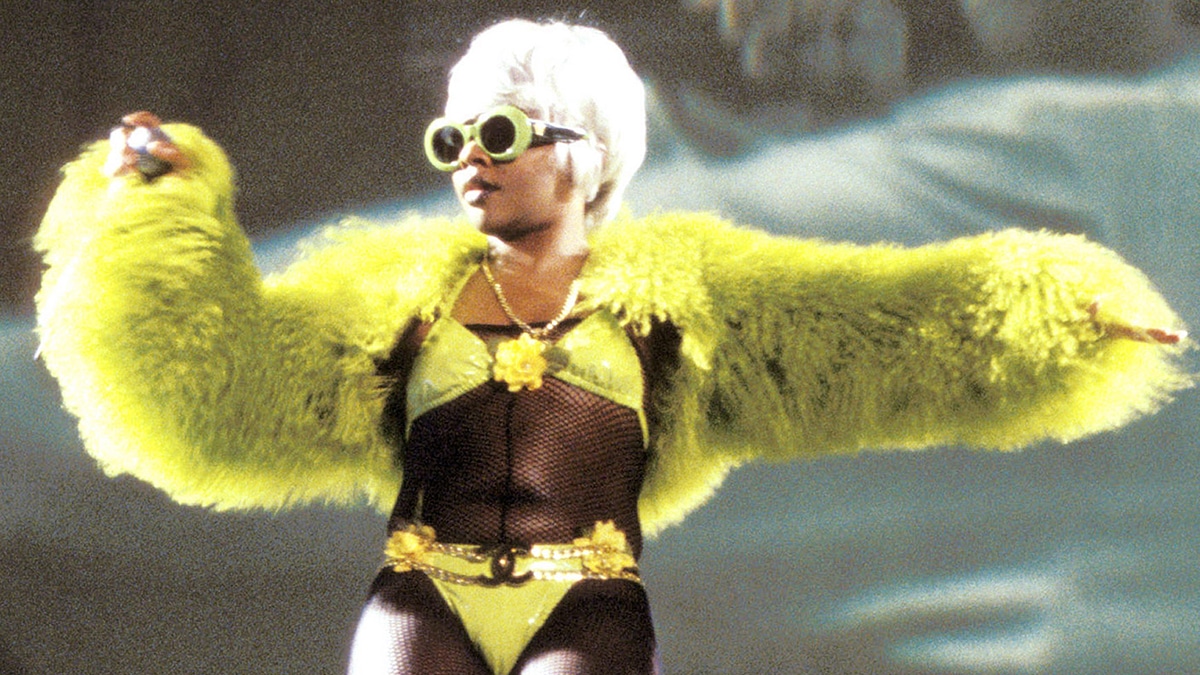
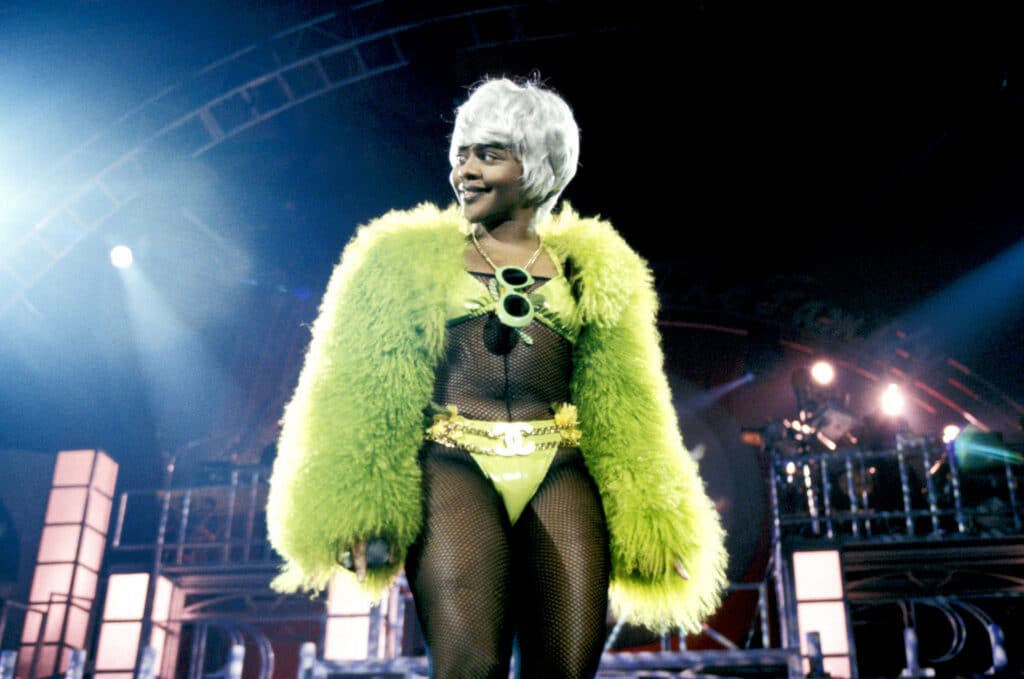
1990s: Lil’ Kim – Hardcore (1996)
By the mid-1990s, East Coast hip-hop was dominated by heavy, menacing mob-rap narratives. Amidst the masculine bravado of Junior M.A.F.I.A. stood Kimberly Jones, better known as Lil’ Kim. When she stepped onto the scene with her 1996 debut solo album, Hardcore, she arrived fully formed: fiercely provocative, ravenously hungry, and more than ready to stand toe-to-toe with the heavy-hitting male and female rap titans of her era.
Armed with the backing of hip-hop royalty, including Sean "Diddy" Combs and the legendary Notorious B.I.G., Kim held her ground effortlessly. Her delivery was defined by a brash, unapologetic cadence that commanded attention from the very first track. Juxtaposing the harsh realities of her Brooklyn upbringing with vivid, sexually liberated storytelling, Kim offered a groundbreaking blueprint for a new generation of listeners.
As one of the most commanding and urgent voices of the decade, Lil’ Kim carved out vital, expansive space for women to express themselves in a genre that had historically relegated them to submissive, background, or erased roles. Her trailblazing aesthetic and lyrical fearlessness directly paved the way for subsequent icons such as Trina, Nicki Minaj, and Khia.
The supreme cockiness woven into lines like "Fck the jailhouse, Hennessy on the rocks is all we got as we sail out, entrepreneurs" rallied listeners and critics alike to her corner. Featuring quintessential 90s classics such as "Crush On You" and "Queen Btch," Hardcore signaled the undeniable arrival of hip-hop royalty.
2000s: 50 Cent – Get Rich Or Die Tryin’ (2003)
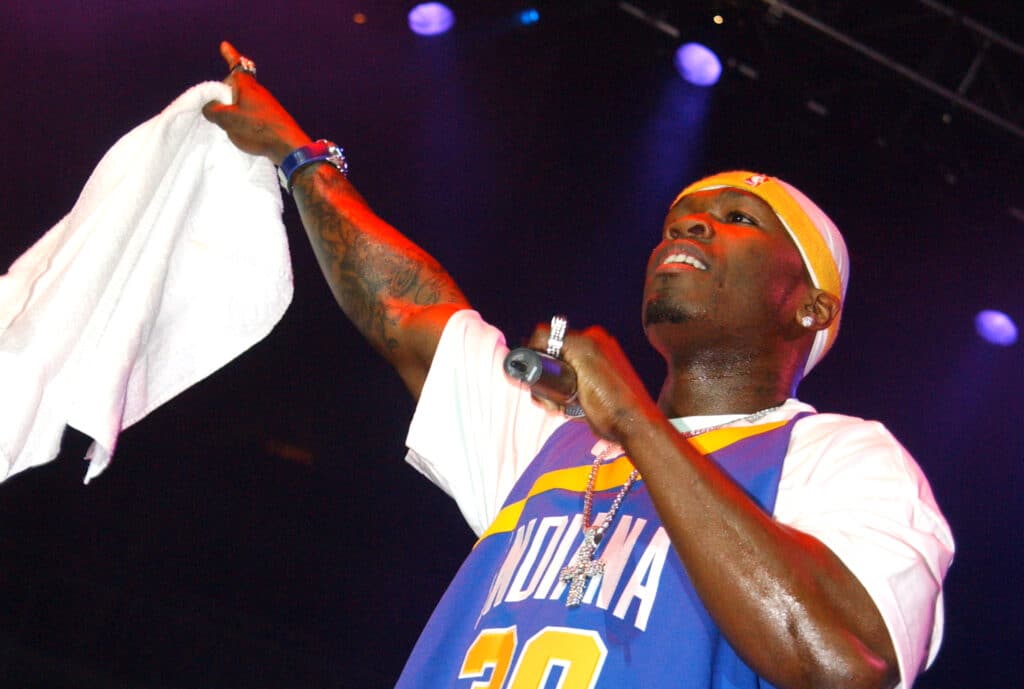
The turn of the millennium welcomed rap into its most commercially lucrative era, and few albums captured this shift quite like 50 Cent’s monumental 2003 major-label debut, Get Rich Or Die Tryin’. Forged in the literal fire of survival—having famously survived being shot nine times just years prior—Curtis Jackson’s masterpiece was a masterclass in perseverance, triumph, and aggressive hustle.
Propelled by timeless mega-hits like "In Da Club," "21 Questions," and "P.I.M.P.," the album shattered commercial expectations, selling an astonishing 872,000 units in its opening week alone.
50 Cent recognized the public’s fascination with the gritty, dangerous gangster aesthetic and leaned into it entirely. However, he uniquely fused these street-level survival narratives with the glossy, high-end luxury era of early-2000s hip-hop, championed by producers and moguls like Pharrell Williams and Diddy. A major component of the album’s massive appeal lay in 50 Cent’s signature vocal delivery: a laid-back, conversational cadence that made a perilous lifestyle sound smooth, hypnotic, and compelling to audiences across the globe.
By turning near-fatal obstacles into historic triumphs, Get Rich Or Die Tryin’ became the definitive commercial blueprint for subsequent generations of street-rap storytellers, heavily influencing modern stars like Pop Smoke and Dave East.
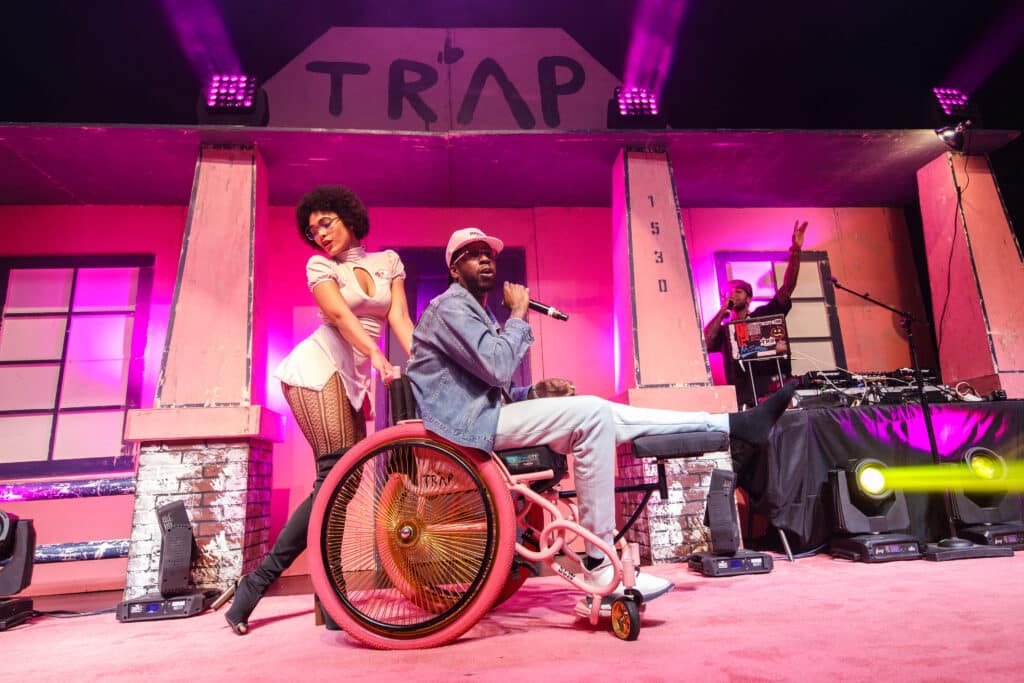
2010s: 2Chainz – Pretty Girls Like Trap Music (2017)
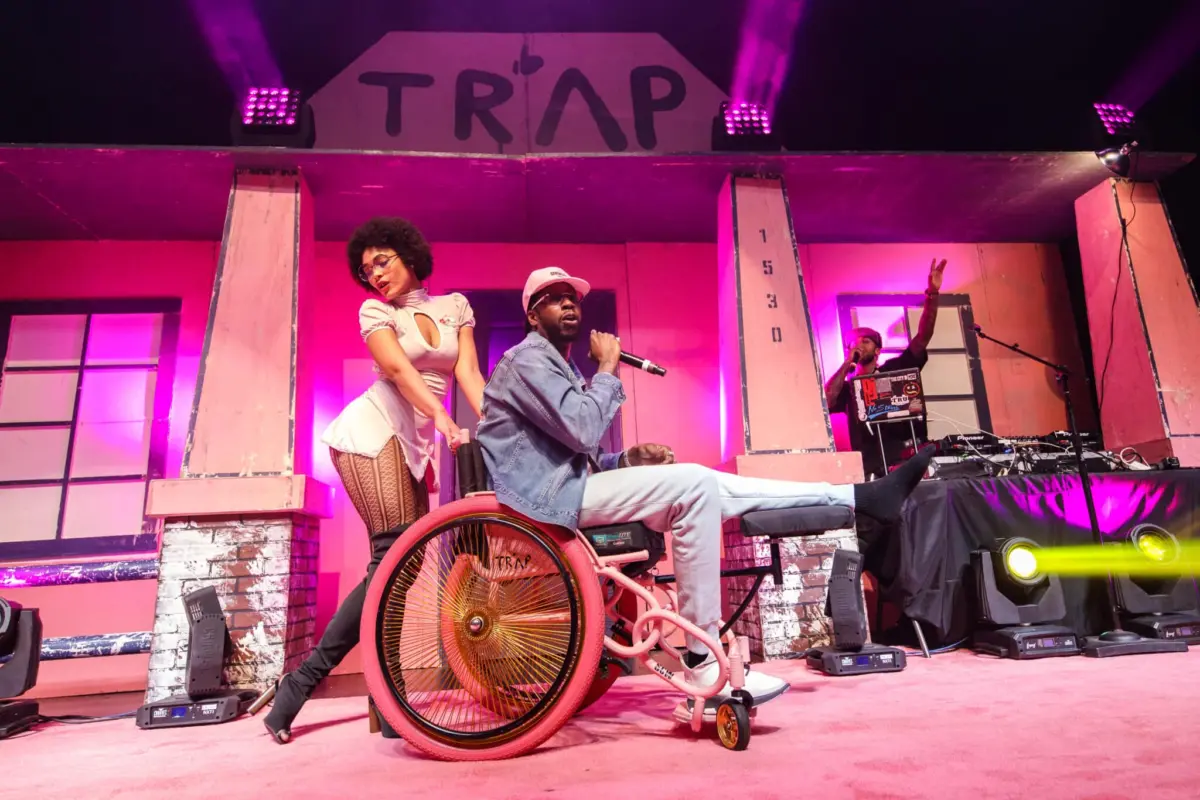
By the 2010s, trap music had transitioned from a localized Southern phenomenon to the absolute epicenter of global popular music. In 2017, Tauheed Epps—better known as 2 Chainz—delivered the ultimate crystallization of the decade’s sonic ethos with Pretty Girls Like Trap Music.
Boasting an all-star roster of features from Southern juggernauts like Migos and Gucci Mane, alongside heavyweights like Drake and Nicki Minaj, the album functioned as an immaculate canvas showcasing the vast scope of 2010s hip-hop. Above all, 2 Chainz’s greatest asset on this project was his role as a master curator and archivist.
Sonically, his unique charisma bridged historical eras. The album honored the foundational trap blueprints laid down by pioneers like T.I., while simultaneously pushing the sound forward into a more atmospheric space—thicker with lush synthesizers and wider electronic arrangements.
2 Chainz seamlessly harmonized these two worlds on Pretty Girls Like Trap Music, achieving both critical acclaim and massive commercial traction with standout anthems such as "Big Amount," "Good Drank," and "It’s A Vibe."
2020s (So Far): Tyler, The Creator – Call Me If You Get Lost (2021)
Marking what many critics hailed as his definitive maturation into a rap virtuoso, Tyler, The Creator’s Call Me If You Get Lost (2021) is an anthemic, multi-faceted spectacle that honors the intricate craftsmanship at the core of hip-hop since its inception.
Here, Tyler is a seasoned veteran—a product of over a decade spent fearlessly evolving as an artist within and far beyond traditional genre boundaries. From the drawled-out, skit-filled aggression of "LUMBERJACK" to the sweeping, high-energy displays of modern posse-cuts like "JUGGERNAUT," Tyler gave listeners breathtaking sonic range while upholding his long-standing artistic mandate to continuously shock and subvert expectations.
Call Me If You Get Lost was fittingly crowned by a coveted co-sign from Tyler’s own idol and mentor, Pharrell Williams. More importantly, it proved that the artist could shatter his own creative ceilings.
By systematically dismantling the rigid archetypes of what a traditional rapper "should" look, act, and sound like, Tyler continues to reshape the clay of the genre—all while retaining the respect of hip-hop purists through deeply reflective, hard-hitting tracks like "CORSO" and "MASSA."
Supporting Context & Market Metrics
To fully understand the weight of these artistic milestones, one must examine the staggering macroeconomic footprint of hip-hop today. As the genre moves deeper into its fifth decade, its commercial viability has transformed from a niche urban market into the primary driver of the global music industry.
Recent data compiled across major streaming and retail platforms highlights this dominance:
- Market Share Growth: In the United Kingdom, hip-hop and rap accounted for a commanding 12.4% of total album market consumption, outperforming several traditional pop and rock sectors.
- Streaming Hegemony: In the United States, hip-hop commands an overwhelming 28% of overall audio and video streaming consumption, making it the single most-streamed genre in the country.
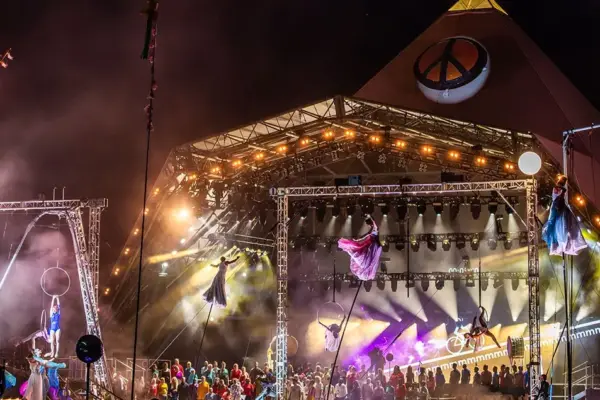
- Global Festival and Touring Ecosystem: Hip-hop acts currently headline the world’s most prestigious music festivals—from Coachella to Glastonbury—driving unprecedented ticket sales and cementing the genre’s status as a premier live performance powerhouse.
Official Statements and Industry Insights
Cultural historians, musicologists, and industry leaders frequently point to hip-hop’s unique structural adaptability as the core reason for its longevity.
Reflecting on the genre’s half-century milestone, prominent music executives and creators have emphasized that hip-hop is not merely a genre, but an ongoing dialogue between generations. As cultural critic and author Nicolas-Tyrell Scott observes:
"Hip-hop remains a chameleon because its practitioners understand the delicate balance between honoring the architects who built the foundation and possessing the audacity to burn down the rules to build something entirely new. From De La Soul’s jazzy introspection to Tyler, The Creator’s maximalist luxury-rap, the thread that connects them all is uncompromising authenticity."
Industry stakeholders note that as streaming algorithms and global markets continue to shift, hip-hop’s inherent willingness to absorb foreign influences—from African Afrobeats and Latin reggaeton to European drill—ensures its continuous expansion across international borders.
Future Outlook: Where Goes Hip-Hop Next?
As we look toward the horizon of the next fifty years, the trajectory of hip-hop points toward boundless technological integration, geographic decentralization, and radical artistic independence.
No longer tethered exclusively to the traditional industry hubs of New York and Los Angeles, the culture is now a hyper-globalized phenomenon. Emerging scenes across the UK, West Africa, Latin America, and Asia are actively rewriting the rules of production and delivery. Furthermore, advancements in spatial audio, artificial intelligence as a collaborative (rather than a disruptive) tool, and immersive virtual reality performances are creating entirely new avenues for artists to connect with their audiences.
Yet, despite these rapid technological transformations, the fundamental soul of hip-hop remains unchanged. Whether through raw lyrical vulnerability, high-fashion cultural commentary, or revolutionary sonic production, the genre will continue to serve as the ultimate mirror to society—documenting the human experience with unmatched urgency, power, and style.