In the annals of corporate malfeasance and modern jurisprudence, few figures have captured the public imagination quite like Elizabeth Holmes. The disgraced founder of the blood-testing startup Theranos—once heralded as the next Steve Jobs—was convicted in 2022 of orchestrating a massive, multi-billion-dollar investor fraud. Sentenced to more than 11 years in federal prison, Holmes has long been framed by prosecutors, the press, and the public as a calculating, turtleneck-wearing mastermind who preyed on the ambitions of Silicon Valley elite.
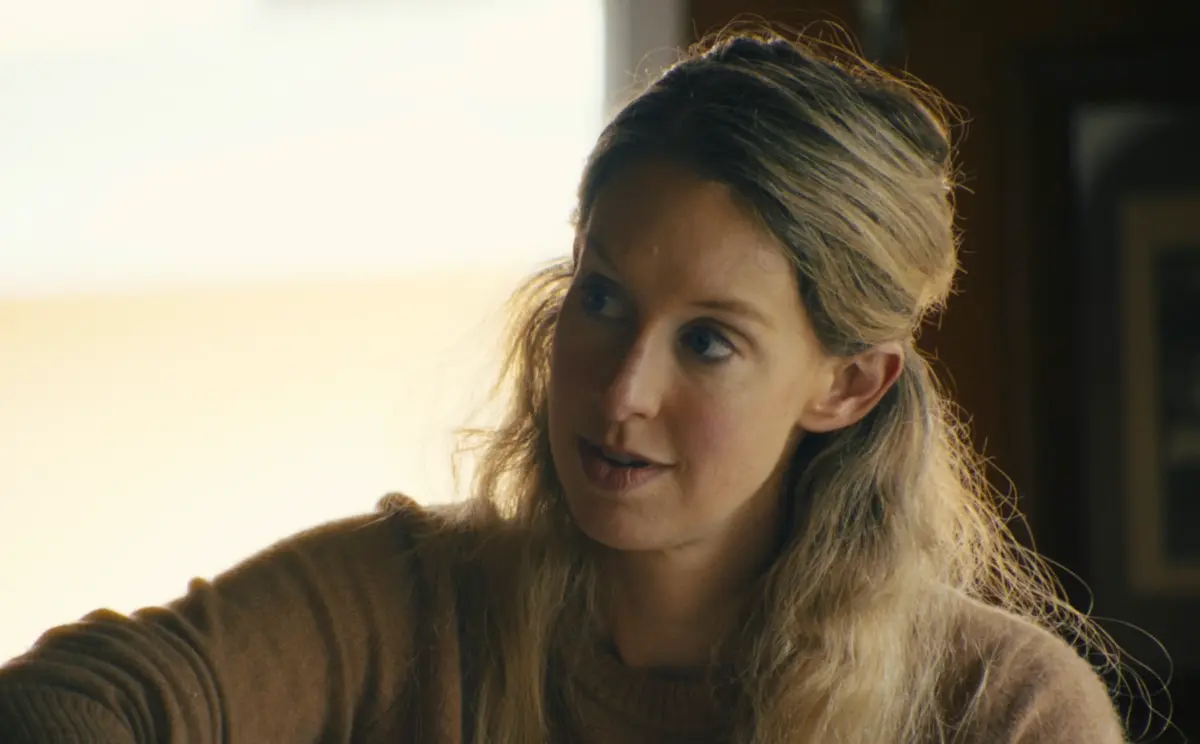
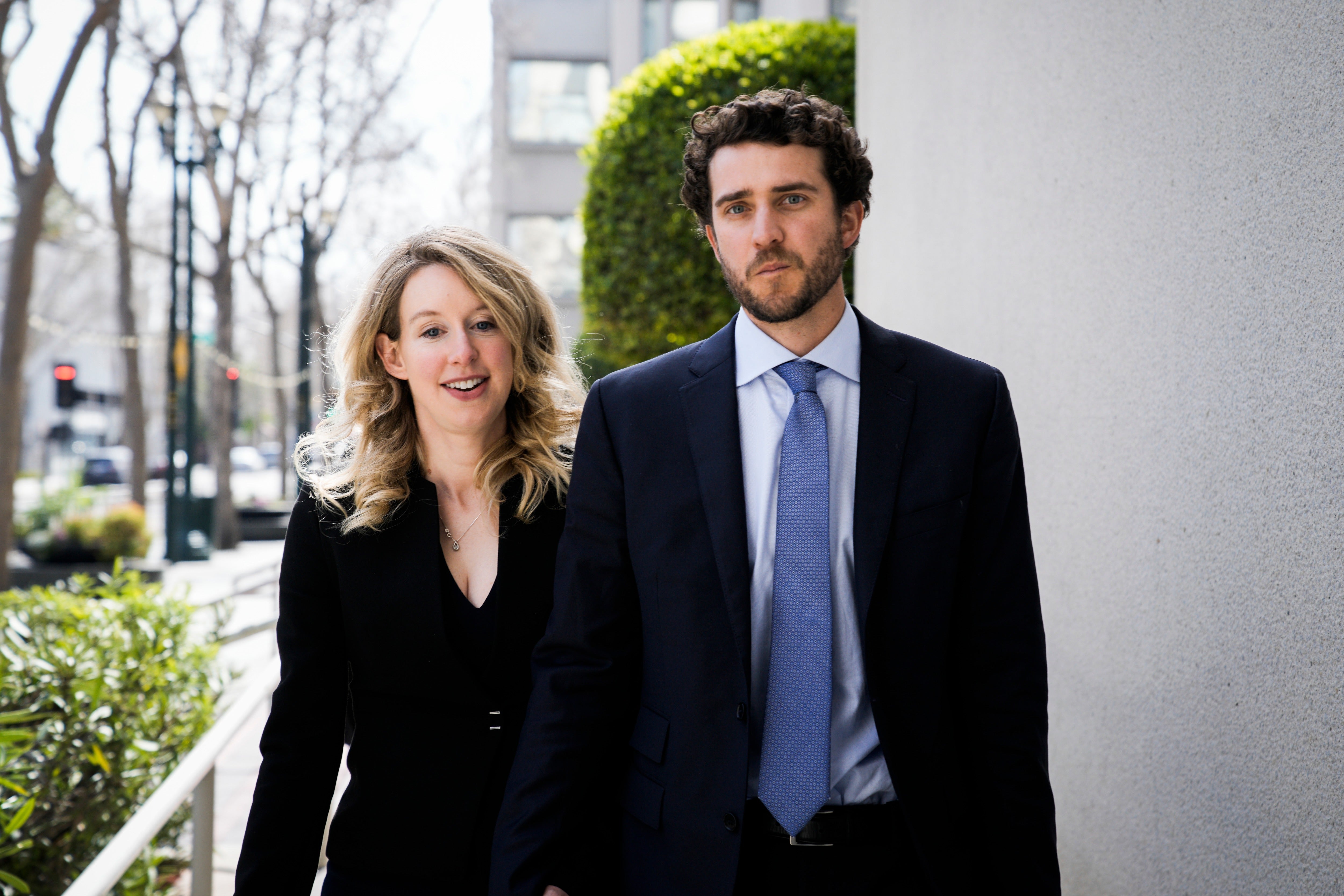
However, a subversive, deeply unsettling new A24 documentary, You Can See Everything, directed by Lance Oppenheim and featuring the deadpan creative genius of Nathan Fielder (The Rehearsal), attempts to fracture that monolithic narrative. Filmed during the final 35 days before Holmes reported to federal prison in May 2023, the three-hour documentary grants unprecedented access to Holmes and her fiancé, Billy Evans.
What unfolds is not a straightforward humanization piece, nor is it a traditional exposé. Instead, You Can See Everything is a labyrinthine psychological study of semantics, control, and performance. Holmes attempts to rewrite her criminal legacy not through remorse, but through microscopic linguistic gymnastics—insisting that her catastrophic corporate deception was merely a misunderstanding over the exact definition of the word "can."
Yet, the documentary’s most startling pivot shifts the spotlight away from Holmes as the ultimate villain, casting that mantle instead upon Evans. As Fielder and Oppenheim peel back the layers of the couple’s domestic life in a rented Southern California cottage, they reveal a chilling ecosystem of digital impersonation, total financial custodianship, and psychological manipulation. By the time the credits roll, viewers are left suspended between two equally terrifying interpretations: Is Elizabeth Holmes a guileless, vulnerable woman trapped in a cycle of domineering relationships, or is she the architect of maximum guile, weaponizing her own perceived naivety to keep her hands perpetually clean?
Detailed Chronology: The 35 Days Before Imprisonment
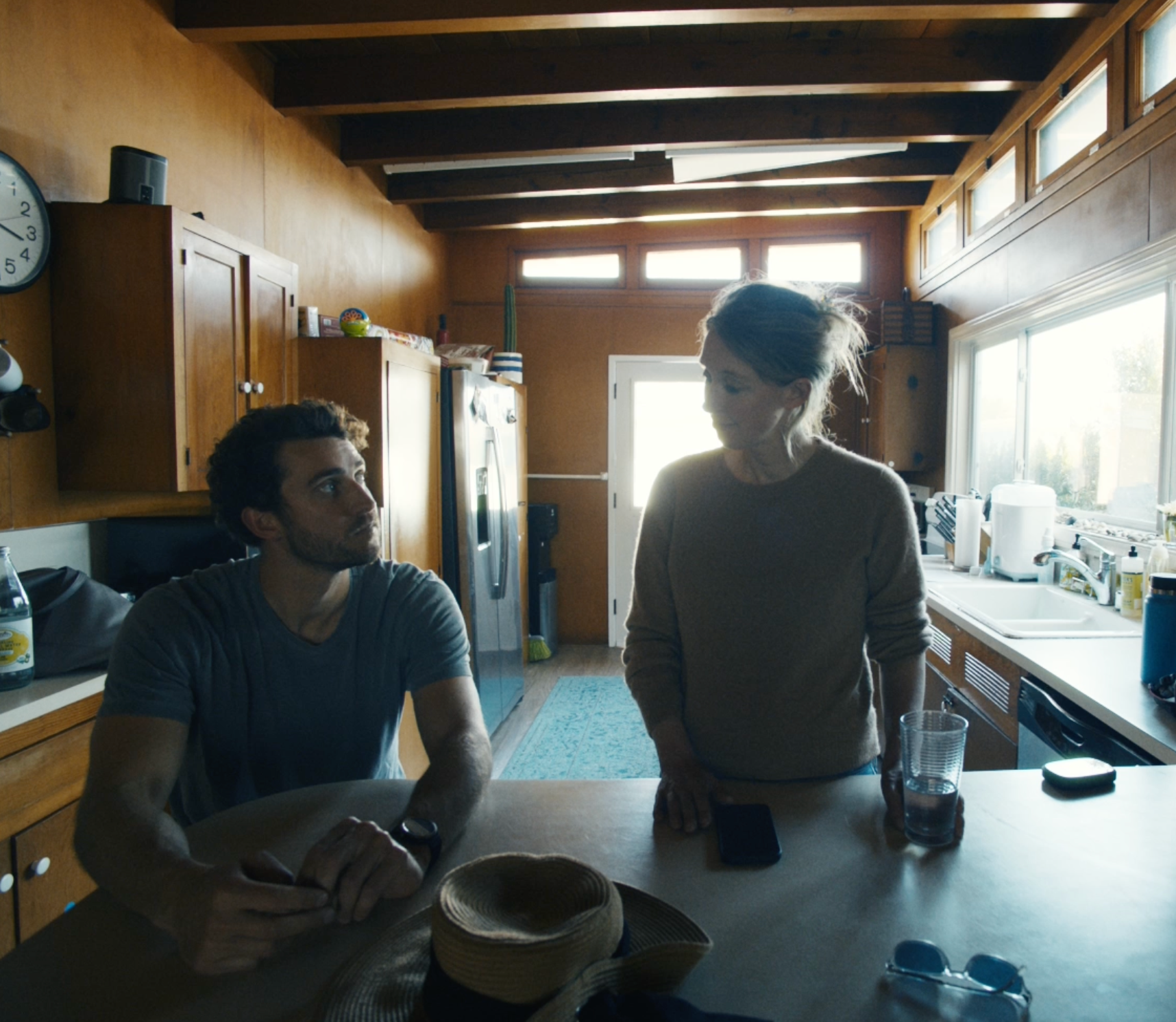
To understand the surreal texture of You Can See Everything, one must examine the unique window in which it was captured. In the tense weeks leading up to her surrender to federal authorities in May 2023, Elizabeth Holmes and Billy Evans retreated to a secluded rental cottage in Del Mar, California. It was during this twilight period of temporary freedom that the couple invited Fielder—known for his elaborate, reality-bending social experiments—and his film crew into their inner circle.
The Semantics of "Can"
Early in the documentary, Holmes sits down with Fielder to articulate her defense regarding the core charges of her trial. When confronted with the reality that she repeatedly told investors her revolutionary technology can perform an exhaustive array of diagnostic tests using merely a drop of blood—when, in truth, the machines routinely failed or relied on third-party commercial analyzers—Holmes offers a startling defense.
With wide, unblinking eyes, she explains that her phrasing was entirely aspirational. When she stated the device "can" do these things, she meant that it would eventually be able to do them once the engineering hurdles were cleared. To Holmes, the present-tense verb was merely a placeholder for future potential. The distinction between reality and intent dissolves into a philosophical fog, recalling past political scandals where legal survival hinged entirely on breaking down auxiliary verbs.
The Abbott and Costello Test
Sensing the profound disconnect in Holmes’s cognitive processing, Fielder introduces a brilliant, if surreal, diagnostic tool. He plays her the classic Abbott and Costello comedy routine, "Who’s on First?"
Watching Holmes watch the legendary sketch is one of the documentary’s bravura moments. While she professes to understand the humor, she is seemingly incapable of processing the literal logic required to identify the batter on first base. The scene forces the audience into a state of acute cognitive dissonance: Can one of the most infamous white-collar fraudsters in modern American history genuinely possess such an innocent, literal-minded detachment from reality? Or are we witnessing a masterclass in performative helplessness—a calculated strategy of maximum guile designed to disarm investigators, filmmakers, and the public alike?
The Subversion of Domestic Control
As the documentary progresses, the locus of suspicion shifts dramatically from Holmes to her partner, Billy Evans. Early interactions establish a subtle, yet pervasive, dynamic of control. In one telling scene, Holmes attempts to scramble eggs, only for Evans to step in with visible irritation, immediately usurping the task.
This domestic micro-aggression foreshadows darker, more systemic revelations about the power dynamics within the household. Fielder and Oppenheim uncover that Evans has constructed an astonishing degree of control over Holmes’s public and private identity:
Digital Impersonation: Evans routinely logs into X (formerly Twitter) posing as Holmes, managing her public digital footprint.
Artificial Intelligence: Evans has engineered a functional AI version of Holmes capable of generating statements and responses in her voice and likeness, effectively speaking on her behalf.
Power of Attorney: Evans holds legal power of attorney over all of Holmes’s personal and financial affairs. In a chilling moment captured on camera, Evans boasts to Fielder: "I can literally do anything" as Holmes.
Supporting Context & Metrics: A History of Domineering Partnerships
The portrait of Holmes as a satellite orbiting a dominant, controlling male figure is not new; rather, it is a recurring structural motif in her personal and professional life.
During her tenure as the CEO of Theranos, Holmes was romantically and professionally entangled with Ramesh "Sunny" Balwani, the company’s president and COO, who was significantly older than her. Balwani was subsequently tried, convicted, and sentenced to nearly 13 years in federal prison for his role in the multi-million-dollar fraud.
During her criminal trial, Holmes’s legal defense strategy heavily relied on painting Balwani as a tyrannical Svengali. She accused him of subjecting her to severe psychological abuse, coercive control, and sexual assault during their clandestine relationship—allegations that Balwani steadfastly denied.
Court documents from the Theranos era reveal a stark contrast between Holmes’s public corporate persona and the submissive, floridly romantic language she directed toward Balwani. In one widely publicized text message entered into evidence, Holmes wrote to Balwani:
"You are the breeze in the desert for me. My water. And ocean. Meant to be only together tiger."
Balwani’s characteristic, emotionally detached reply—"OK"—served as an early indicator of the profound imbalance that defined their partnership.
The Financial Negotiation Proxy
You Can See Everything updates this disturbing historical pattern by examining her current relationship with Evans. In a remarkable sequence orchestrated by the filmmakers, Fielder and Evans negotiate the terms of the documentary crew’s financial involvement.
When business matters turn to the division of proceeds, Holmes politely excuses herself from the room to care for their young children. The moment leaves viewers suspended in ambiguity: Did Holmes deliberately orchestrate her absence to keep her own hands legally and morally clean while her partner negotiated a cut of the film’s profits? Or did Evans actively move behind her back, exploiting her trusting nature while she was tending to domestic duties?
While a postscript notes that Evans ultimately relinquished those financial rights, the ambiguity remains the central axis upon which the film’s moral inquiry turns. Holmes repeatedly insists she has no interest in money—a luxury of detachment that is arguably only possible when a proxy is shouldering the messy reality of financial survival on her behalf.
Official Statements and Institutional Fallout
The release of You Can See Everything has reignited intense debate across legal, media, and entertainment landscapes. While A24 has positioned the project as a groundbreaking documentary achievement blending investigative journalism with avant-garde social experiment, representatives for the subjects have maintained a guarded silence regarding the film’s more invasive psychological revelations.
Legal scholars have weighed in on the implications of Holmes’s semantic defenses presented in the documentary. Federal prosecutors who secured her 2022 conviction have consistently rejected the notion that Theranos’s deceptive practices were mere misunderstandings of technological timelines.
In statements surrounding her initial sentencing, the Department of Justice emphasized that Holmes knowingly distributed false validation reports to commercial partners and patients, placing human lives at risk through inaccurate blood diagnostics. The trial established beyond a reasonable doubt that her statements regarding the capabilities of the "Edison" and "Minilab" devices were calculated misrepresentations designed to secure capital infusions from high-net-worth investors, including media mogul Rupert Murdoch and the Walton family.
Despite her incarceration at Federal Prison Camp (FPC) Bryan in Texas, Holmes’s rehabilitation narrative—as curated by Evans and amplified by Fielder’s lens—continues to challenge public perceptions of accountability, gender dynamics in white-collar crime, and the blurred lines between documentary non-fiction and performance art.
Future Outlook: The Ongoing Riddle of Accountability
As You Can See Everything prepares for its broader theatrical rollout—hitting US cinemas ahead of its anticipated UK release on November 20—audiences and critics alike are grappling with the lingering questions posed by its enigmatic conclusion.
In the film’s final acts, Fielder visits Holmes inside federal custody, pressing her directly on the specifics of the financial deal struck behind her back in the Del Mar cottage. When Fielder attempts to pin down her exact recollection, the conversation devolves once again into the murky waters of semantics. Did she state, "I knew he was talking to you about it" (implying awareness of the financial demand), or did she offer the evasive, open-ended phrase, "I knew he was talking to you about something"?
The exchange highlights a profound shift in the filmmaker himself. Throughout the production, Fielder appears increasingly compromised—visibly out of his depth in the coastal waters of Del Mar, yet emotionally entangled in a desire to shield Holmes from further exploitation while holding Evans accountable.
Ultimately, You Can See Everything refuses to offer tidy moral resolutions. It remains a riddle without an absolute answer, forcing viewers to interrogate the title itself: Can you see everything?
As history and the documentary suggest, the ability to perceive the absolute truth depends entirely on how one chooses to define the words used to obscure it.