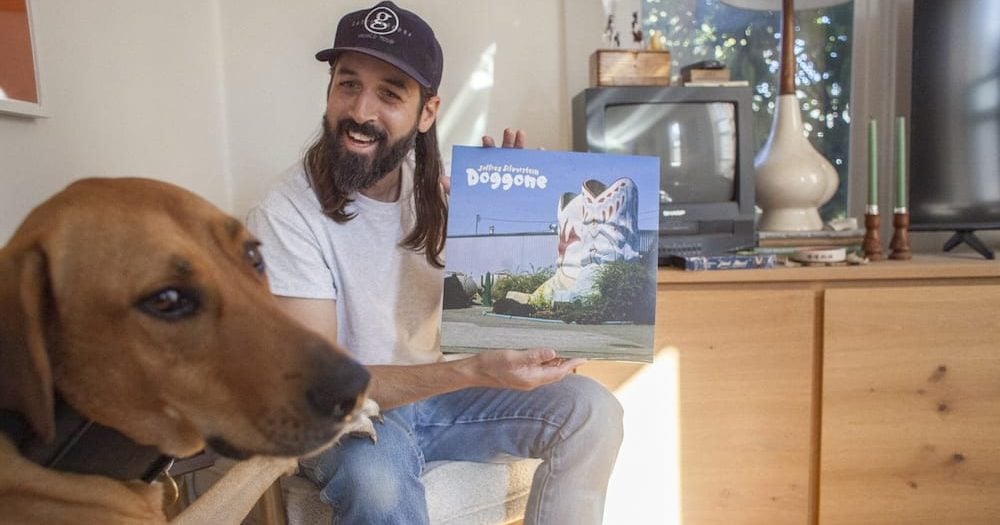
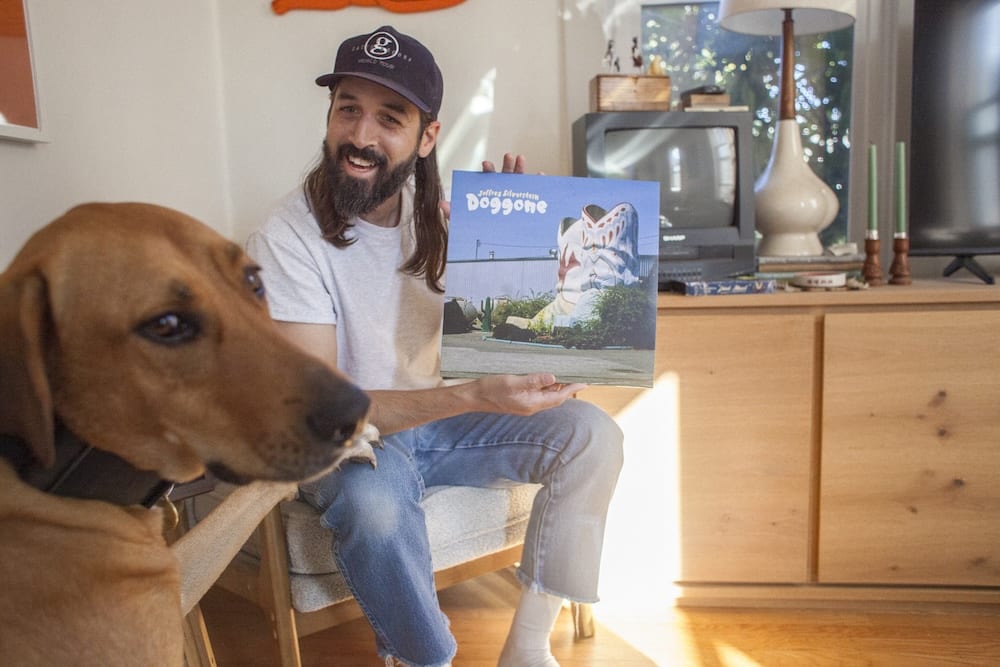
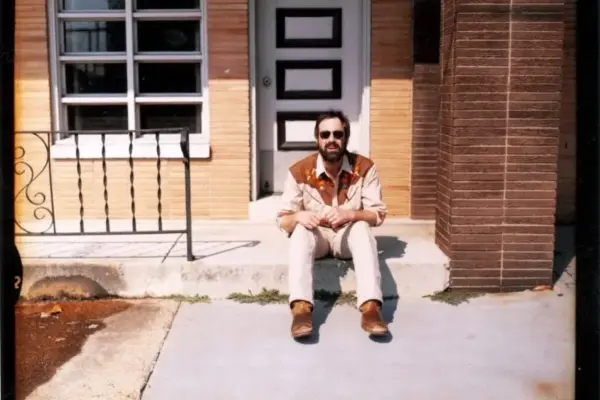
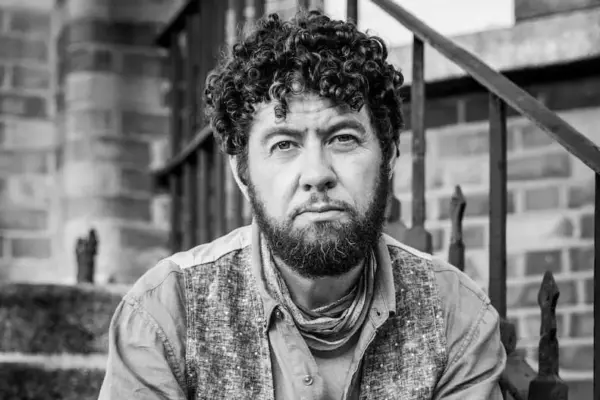
In an era dominated by hyper-compressed digital delivery, algorithmic playlists, and instantaneous consumption, the creative ecosystem surrounding Portland-based singer-songwriter and guitarist Jeffrey Silverstein feels deliberately counter-cultural. Silverstein’s latest studio album, Doggone, is a masterclass in modern Americana and atmospheric folk-rock. Available now across digital platforms, compact disc, and vinyl, the record arrives with a profound sense of place, community, and analogue warmth.
Recorded in the Pacific Northwest, Doggone is not merely a collection of songs; it is a collaborative community project. Anchored by local luminaries—including bassist Alex Chapman, drummer Dana Buoy, and producer Ryan Oxford—alongside high-profile guest appearances from Devendra Banhart and Merle Law, the album captures the rich, collaborative spirit of Silverstein’s adopted hometown of Portland.
To mark the release of Doggone, Silverstein invited music publications into his personal sphere for an edition of Off the Shelf, a storytelling series where artists curate and discuss physical objects from around their homes. Through a curated collection of memorabilia, literature, vintage gear, and folk art, Silverstein exposes the mechanical and emotional gears that drive his artistic output. Furthermore, with an upcoming UK and Ireland tour slated for March 2027, Silverstein is poised to translate his cinematic, west-coast soundscapes to international stages.
Detailed Chronology: The Evolution of Doggone and Community Roots
The trajectory of Doggone traces back to Silverstein’s physical and creative relocation to Portland, Oregon. Seeking a slower, more deliberate pace of life and a fertile ground for artistic collaboration, Silverstein integrated himself deeply into the local music fabric.
The Portland Genesis: Upon moving to the Pacific Northwest—a move subconsciously sparked years prior by Kelly Reichardt’s seminal indie film Old Joy—Silverstein began embedding himself within Portland’s tight-knit creative community. Regular visits to neighborhood institutions like the Laurelthirst Public House to see local legends like the late Michael Hurley helped forge his appreciation for uncompromised artistry.
Studio Sessions: Working closely with producer Ryan Oxford, Silverstein assembled a core rhythm section featuring Alex Chapman on bass and Dana Buoy on drums. Rather than relying on rigid digital grids, the ensemble prioritized human interaction, breath, and space. The resulting sessions yielded a sound that bridges organic, earthbound daylight swing with nocturnal, cinematic introspection.
Critical Acclaim and Peer Reception: Upon its release, Doggone garnered immediate praise from international music critics. Reviewers highlighted its textural depth and communal resonance. High-profile praise followed from fellow travelers of the cosmic-americana and folk-rock worlds, notably Eric D. Johnson of the Fruit Bats, who captured the album’s unique aesthetic duality.
The Visual and Live Campaign: Alongside singles and official music videos like "Helluva" and live sessions recorded at Singing Sands, Silverstein confirmed an extensive live itinerary for the spring of 2027, bringing his immersive, guitar-driven soundscapes across the Atlantic.
Supporting Context & Metrics: The Off the Shelf Artifacts
To truly understand the architecture of Doggone, one must examine the physical artifacts that populate Silverstein’s creative environment. In Off the Shelf, Silverstein curates ten foundational objects that trace his artistic lineage, aesthetic preferences, and philosophical outlook on music.
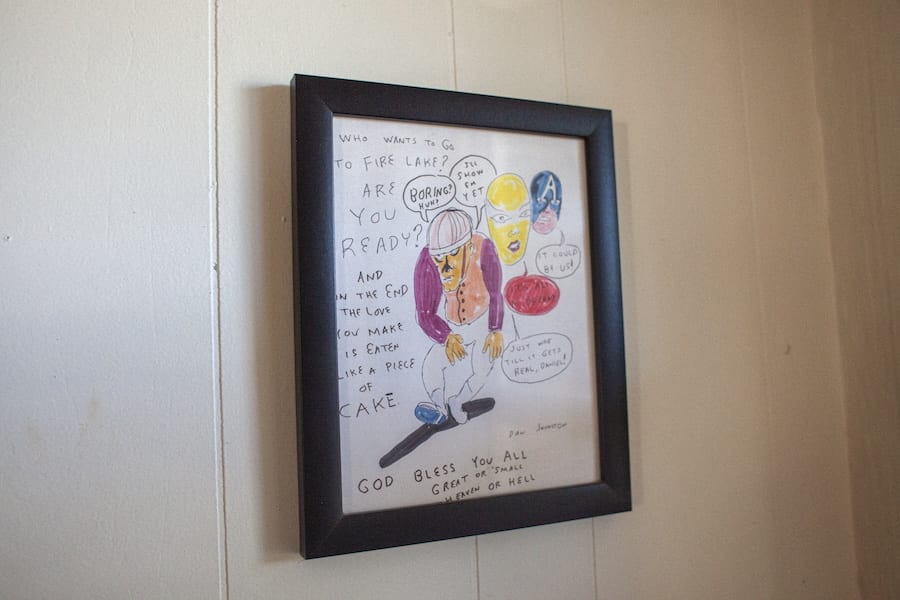
1. Daniel Johnston – Original Artwork
Gifted by his wife, an original piece of artwork by the late outsider artist Daniel Johnston holds a prominent place in Silverstein’s home. Having discovered Johnston via the documentary The Devil and Daniel Johnston during his college years, Silverstein found an artistic awakening.
The Philosophy: Johnston’s music taught Silverstein that technical perfection pales in comparison to human vulnerability. Valuing mistakes and raw emotional truth over sterile execution, Silverstein echoes Willie Nelson’s adage: you can’t make a record if you ain’t got nothing to say.
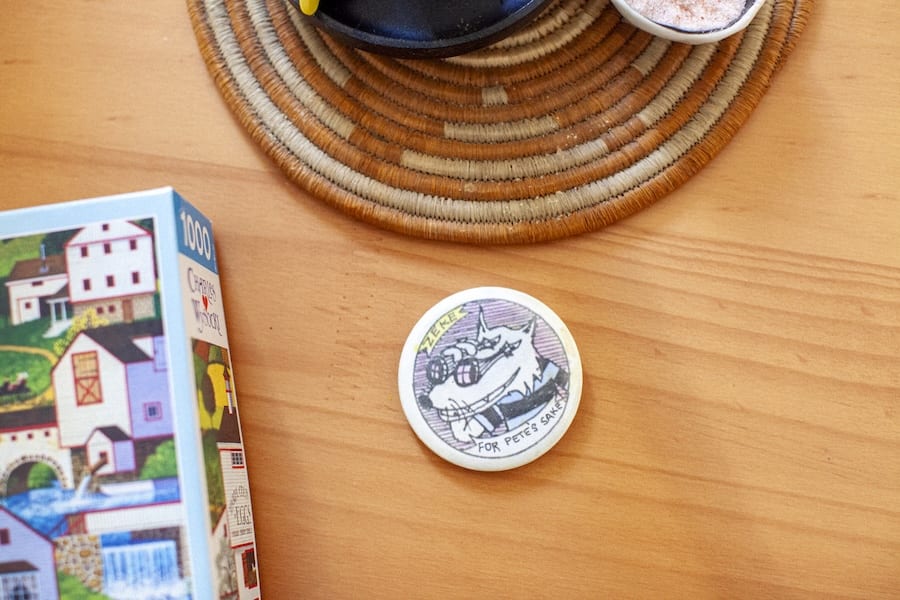
2. Michael Hurley – Enamel Pin
Acquired at one of Hurley’s final free weekly shows at Portland’s Laurelthirst Public House, a simple pin commemorates "Big Bad Mike Hurley." Hurley represents the ultimate archetype of the uncompromising, independent musician—someone who existed on the fringe of mainstream consciousness while leaving an indelible, singular footprint on folk and guitar culture.
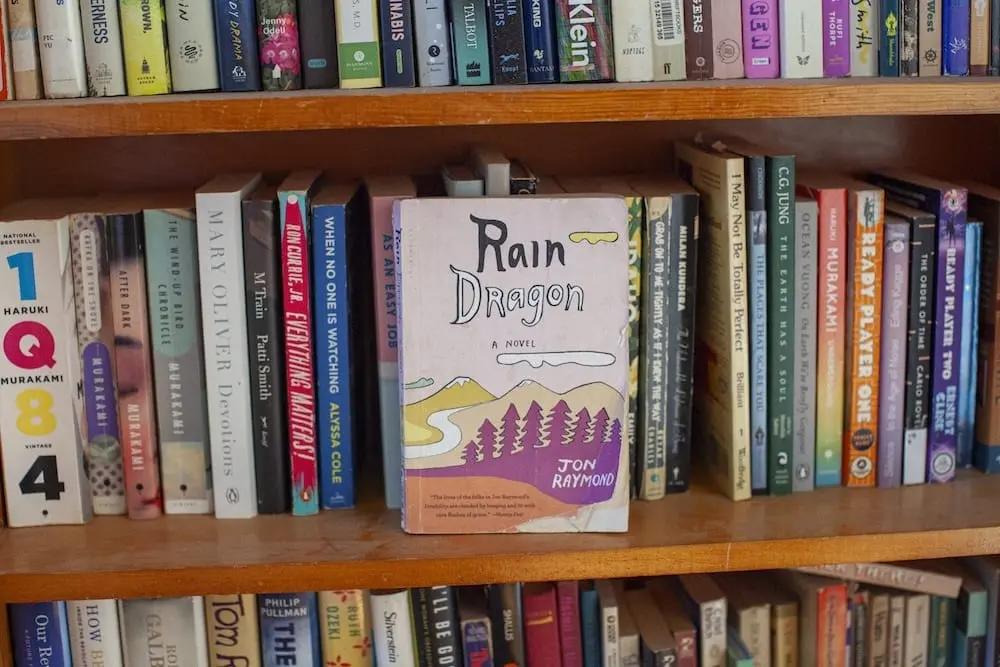
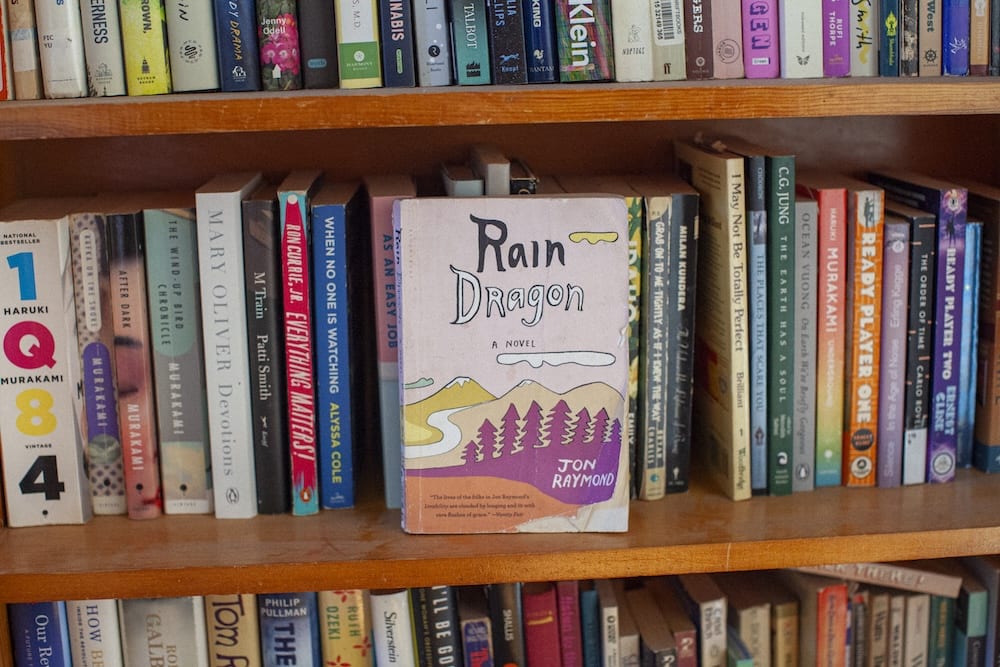
3. Rain Dragon – Novel by Jon Raymond
Connecting his geographic reality to his literary diet, Silverstein highlights Jon Raymond’s novel Rain Dragon. Raymond, whose short story inspired the film Old Joy, utilizes sparse language and meticulous world-building. Silverstein actively attempts to mirror Raymond’s pacing and simplicity within his own songwriting framework.
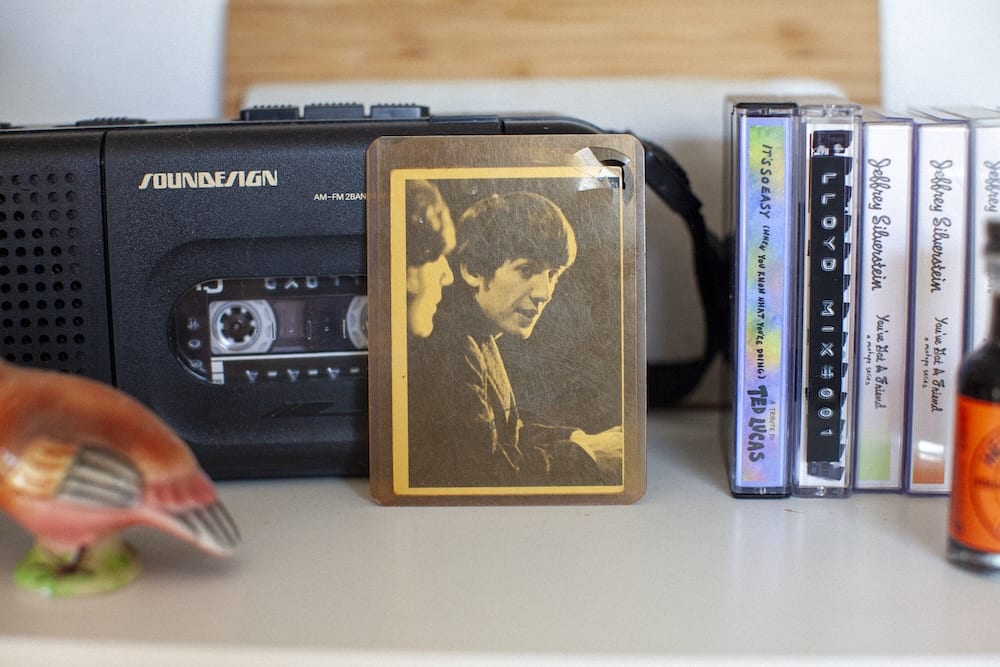
4. George Harrison – Baseball Card
A vintage collector card of George Harrison anchors Silverstein’s musical lineage. Introduced to Harrison through The Concert for Bangladesh by his father, Silverstein identifies as a lifelong "George Guy." Harrison instilled in Silverstein the virtues of spiritual practice, Eastern thought, and—crucially for a guitar player—restraint. Harrison’s ability to occupy just the right amount of sonic space without overplaying remains a cornerstone of Silverstein’s methodology.
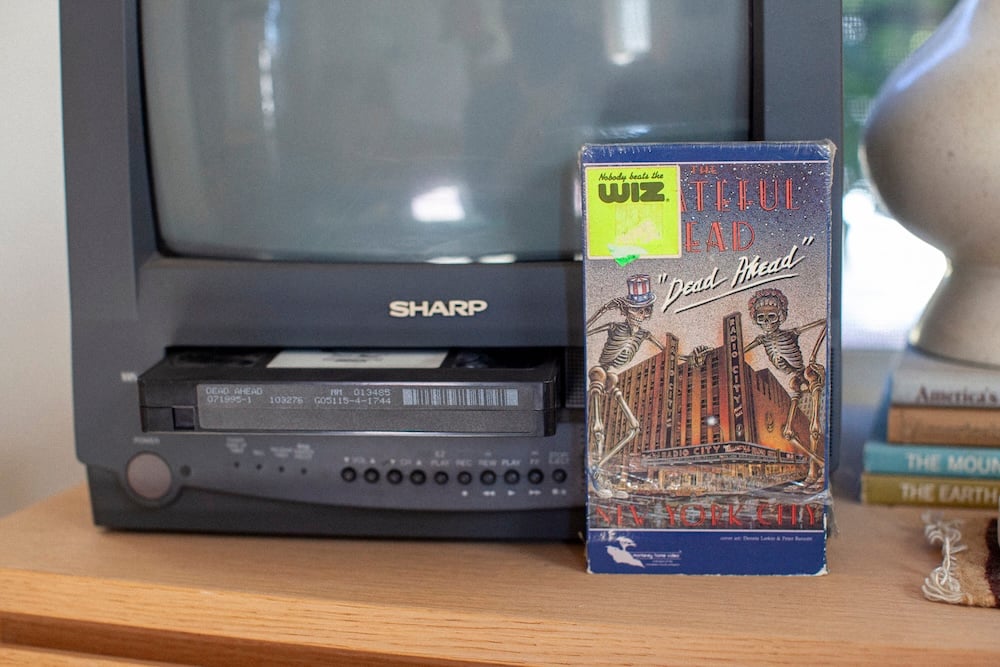
5. The Grateful Dead – Dead Ahead VHS
A VHS tape capturing the Grateful Dead’s historic week-long residency at Radio City Music Hall represents Silverstein’s affection for both analog tape and improvisational music. The opening track, "Bird Song," served as his gateway into the Dead’s expansive catalog. Beyond complex musicological analysis, Silverstein cherishes their core philosophy: music should be communal, unrepetitive, and fundamentally fun.
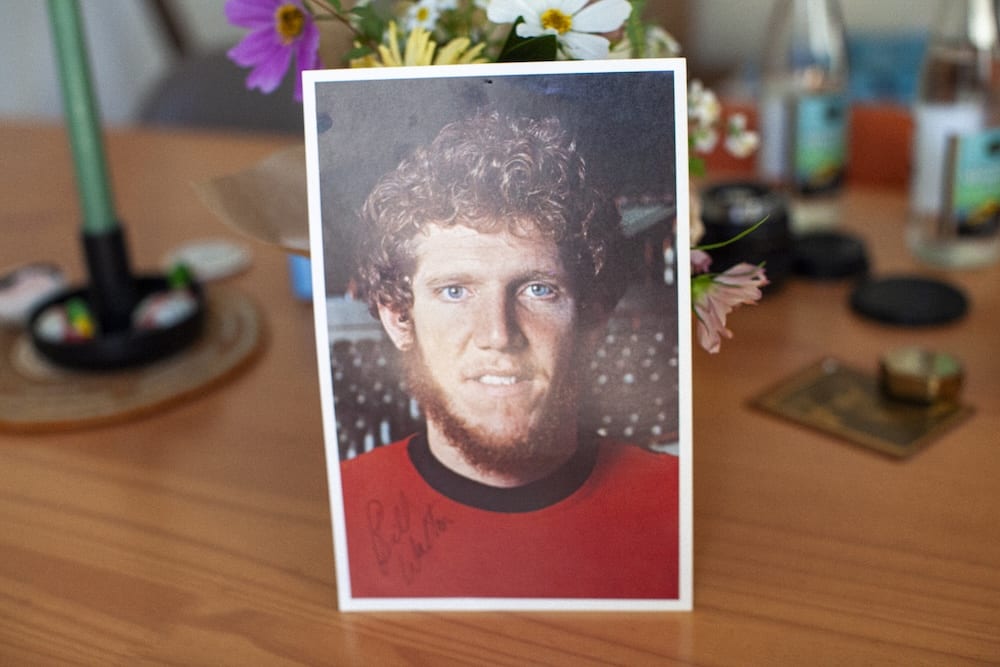
6. Bill Walton – Signed Photo
Sourced from a local Portland estate sale, a signed photograph of legendary basketball player and lifelong Grateful Dead superfan Bill Walton celebrates local lore. Walton famously analogized Jerry Garcia’s improvisational guitar work to his own passing philosophy on the basketball court—never running the exact same play twice, but instead reading the floor in real-time.
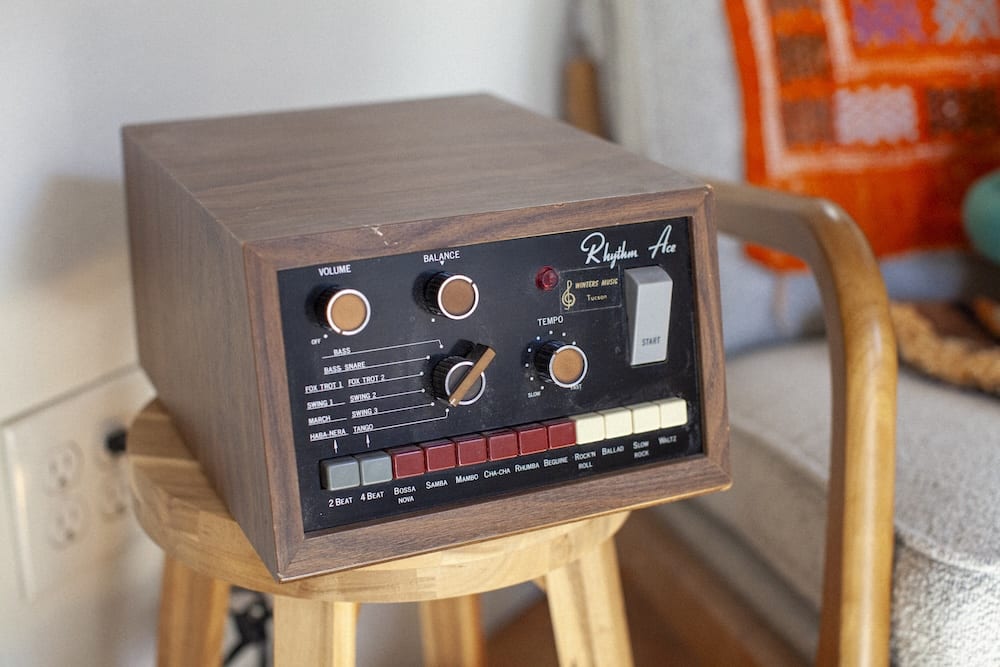
7. Rhythm Ace – Vintage Drum Machine
As an avid collector of analog hardware, Silverstein points to his Rhythm Ace drum machine as the bedrock of his early recordings. Featuring satisfying physical knobs and warm wood-grain casing, the drum machine provides an immediate songwriting spark, allowing ideas to flow without over-intellectualization.
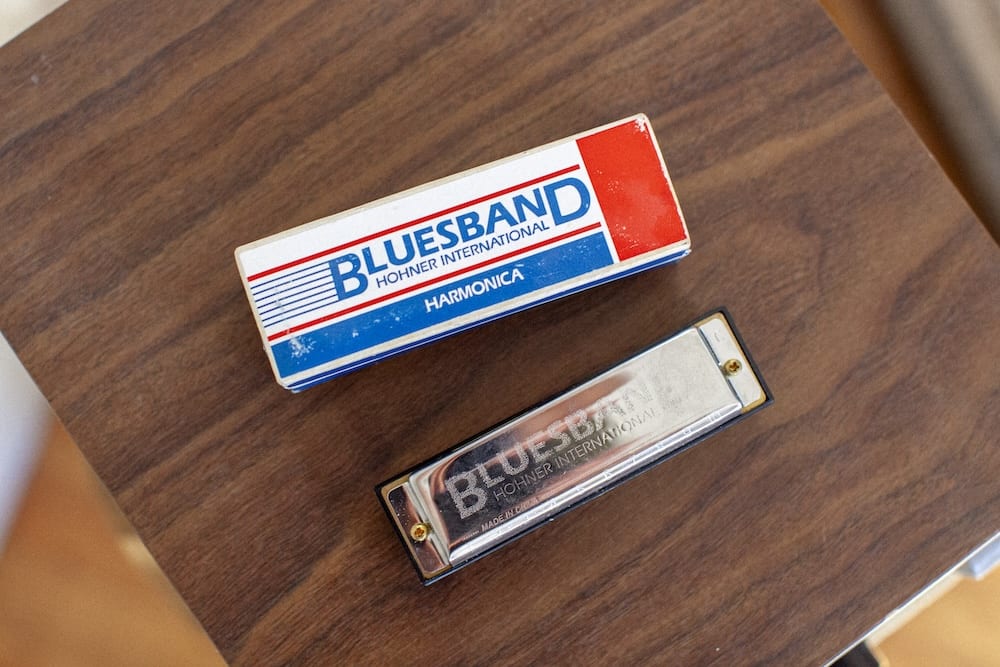
8. Grandpa’s Hohner Harmonica
Inherited after his grandfather’s passing, a vintage Hohner harmonica sits on Silverstein’s desk as a tactile connection to his New Jersey roots. Though his grandfather wasn’t a professional musician, his gentle, tender presence echoes through Silverstein’s own gentle demeanor and creative temperament.
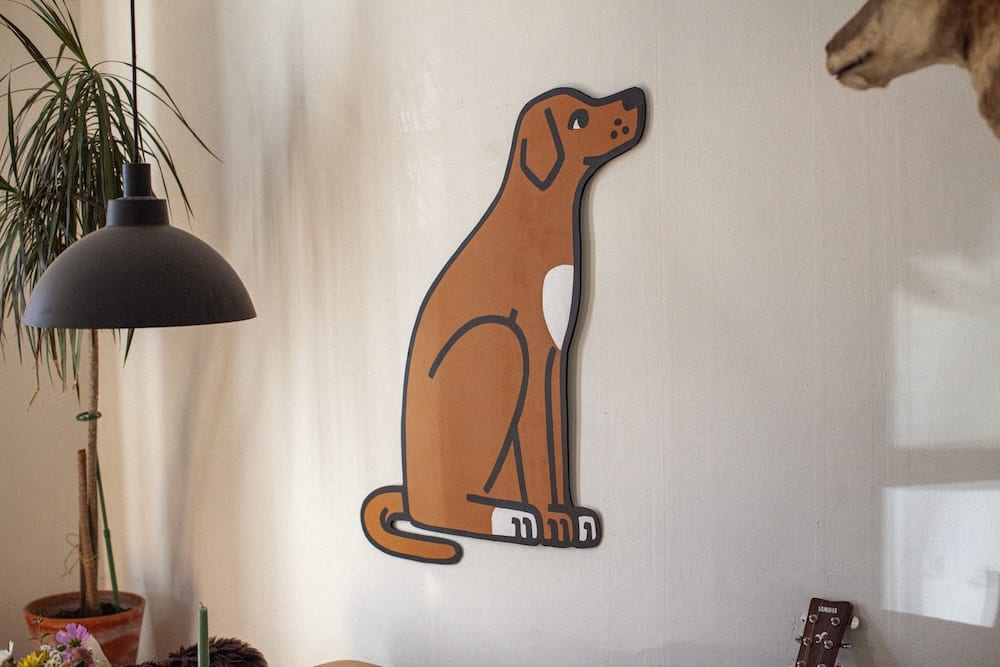
9. Big Dog – Custom Art of Jeff
Created by his wife for a dog-themed gallery show, a custom art piece depicts Jeff, their massive Doberman and Great Pyrenees mix. Owning a dog with "big emotions" teaches Silverstein daily lessons in patience, routine, spontaneity, and presence.
10. Folk Art – Fisherman Figurine
A mysterious folk-art carving of a weathered fisherman—acquired during his years living in Baltimore—has accompanied Silverstein across every geographic relocation. With a bearded expression rich with narrative potential, the figurine serves as a constant muse, frequently inspiring ideas for future character-driven lyrical narratives.
Official Statements and Critical Perspectives
The critical consensus surrounding Doggone emphasizes its rare ability to straddle the line between atmospheric abstraction and grounded groove.
Musician and peer Eric D. Johnson (Fruit Bats) offered a vivid appraisal of the album’s sonic landscape:
"Jeffrey’s latest album exists in a world between worlds. One is a nether region of cinematic eyelid movies, definitely set somewhere out west in the nighttime. The other is earthbound and rooted and in daylight and swings with the best of my guys — JJ and Jerry and Dr. John and all the best ones. This is a world I wanna live in."
Reflecting on the collaborative recording process in Portland, Silverstein emphasizes the necessity of physical community in modern artistic output:
"Not only do I have community, but I feel it all around me, and I’m able to reap the benefits of having that community."
This sentiment of collective synergy is further echoed in the live studio session for "Portland Works" (recorded at Singing Sands) and the official visual accompaniment for "Helluva," both of which showcase the fluid, telepathic interplay between Silverstein, Chapman, Buoy, and Oxford.
Future Outlook: The 2027 UK and Ireland Tour
With Doggone established as a critical high-water mark in contemporary folk and cosmic Americana, Jeffrey Silverstein is set to take his analog-driven ethos across the Atlantic. The forthcoming March 2027 tour marks a significant milestone in his international touring career, bringing the communal warmth and cinematic scope of the Pacific Northwest to intimate venues across the UK and Ireland.
Tour Itinerary:
20/03/2027 – London, UK – The Lexington
21/03/2027 – Brighton, UK – The Prince Albert
22/03/2027 – Bristol, UK – The Louisiana
23/03/2027 – Leeds, UK – Hyde Park Book Club
24/03/2027 – Glasgow, UK – The Hug and Pint
25/03/2027 – Dublin, Ireland – BelloBar
As fans and critics digest the physical and sonic layers of Doggone, Silverstein continues to cultivate an environment where art, literature, gear, and community intersect seamlessly. For those looking to support independent music in the digital age, physical copies of Doggone remain available via Bandcamp, while ongoing dispatches from Silverstein’s creative world can be followed via his official Substack newsletter.