Music possesses a singular, potent capacity to freeze time, holding a fleeting season in amber long after the temperature has dropped and the leaves have turned. For millions, the warmer months act as a psychological defrosting—a period when daily routines dissolve into the background, replaced by open-air gatherings, solitary walks under sun-drenched canopies, and long-awaited festival pilgrimages. Yet, the auditory backdrop to these sun-lit months is rarely accidental. It requires careful curation.
Whether it is the frantic, neon-lit anxiety of an international departures terminal, the open-ended horizon of a coastal highway, the oppressive stillness of an urban heatwave, or the communal haze of a backyard barbecue, our environment demands a matching sonic frequency.
This comprehensive review explores a meticulously selected cohort of ten foundational albums, spanning decades of innovation across ambient electronica, yacht rock, trip-hop, reggae, and soulful groove. Featuring timeless cornerstones from artists such as Air, Brian Eno, and Stevie Wonder, alongside contemporary counterweights, this guide serves as an authoritative manual for soundtracking every conceivable summer scenario. Through an analysis of production techniques, cultural impact, and psychological resonance, we dissect how these records transform physical spaces into emotional landscapes.
Detailed Chronology: From Ambient Pioneers to Modern Masterpieces
The evolution of seasonal listening is mapped across an eclectic timeline, moving from the revolutionary ambient tape loops of the late 1970s to contemporary re-imaginings of the twenty-first century.
I. The Airport: Gate-Ready Records for Take-Off, Touch-Down, and Delay
Airports are liminal spaces—sterile, anxious environments defined by endless waiting, security queues, and perpetual announcements. To counteract this institutional pressure, listeners have long turned to immersive, ambient soundscapes.
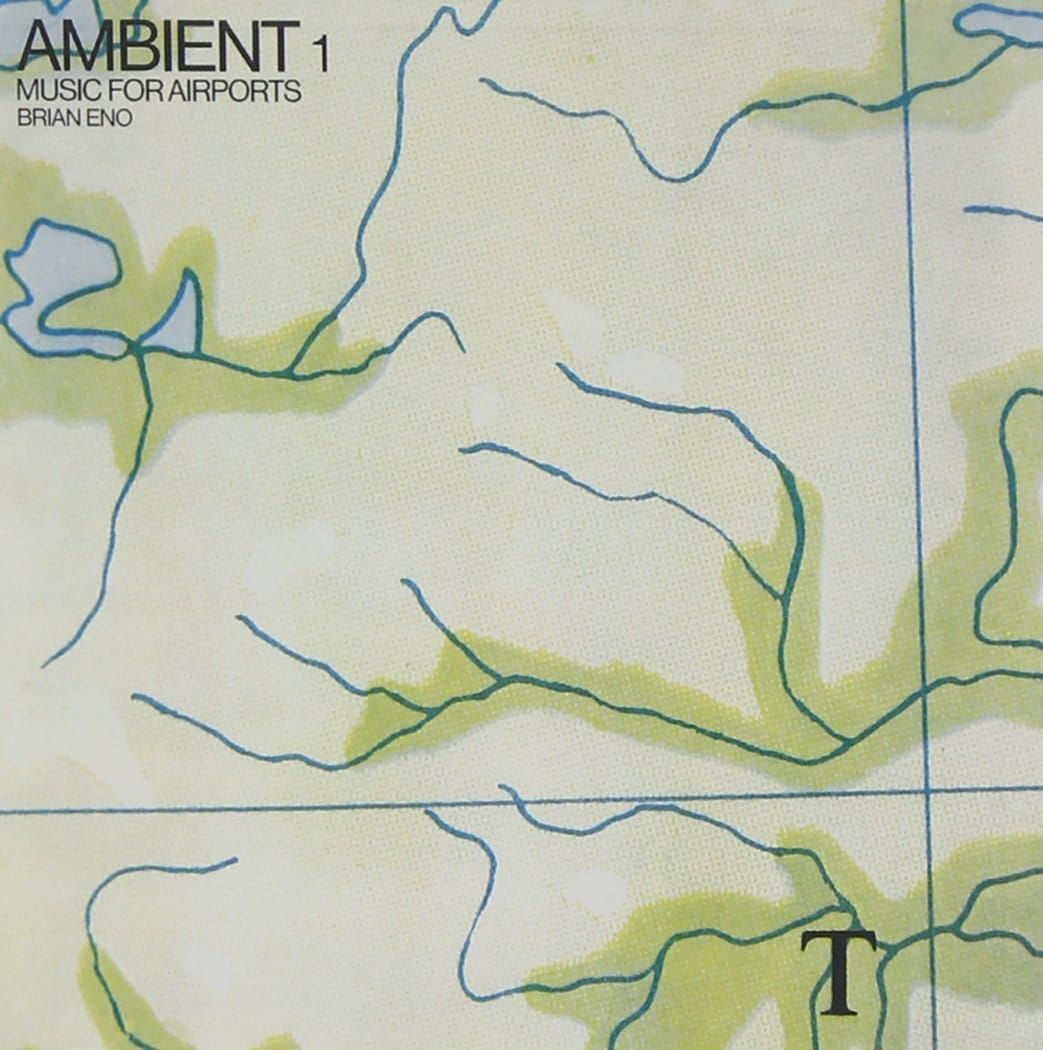
Brian Eno – Music for Airports (1978)
Serving as the definitive foundational statement of ambient music, Brian Eno’s 1978 masterpiece was born out of frustration with the cold, impersonal acoustics of modern transit hubs. Eno sought to transform spaces of anxious anticipation into zones of quiet reflection. Rather than filling every acoustic void, Music for Airports utilizes slow-moving piano phrases, suspended vocal loops, and sprawling synthesizer textures to soften the mechanical hum of turbine engines and passing travelers. Nearly half a century later, its influence remains ubiquitous, offering a masterclass in acoustic breathing room.
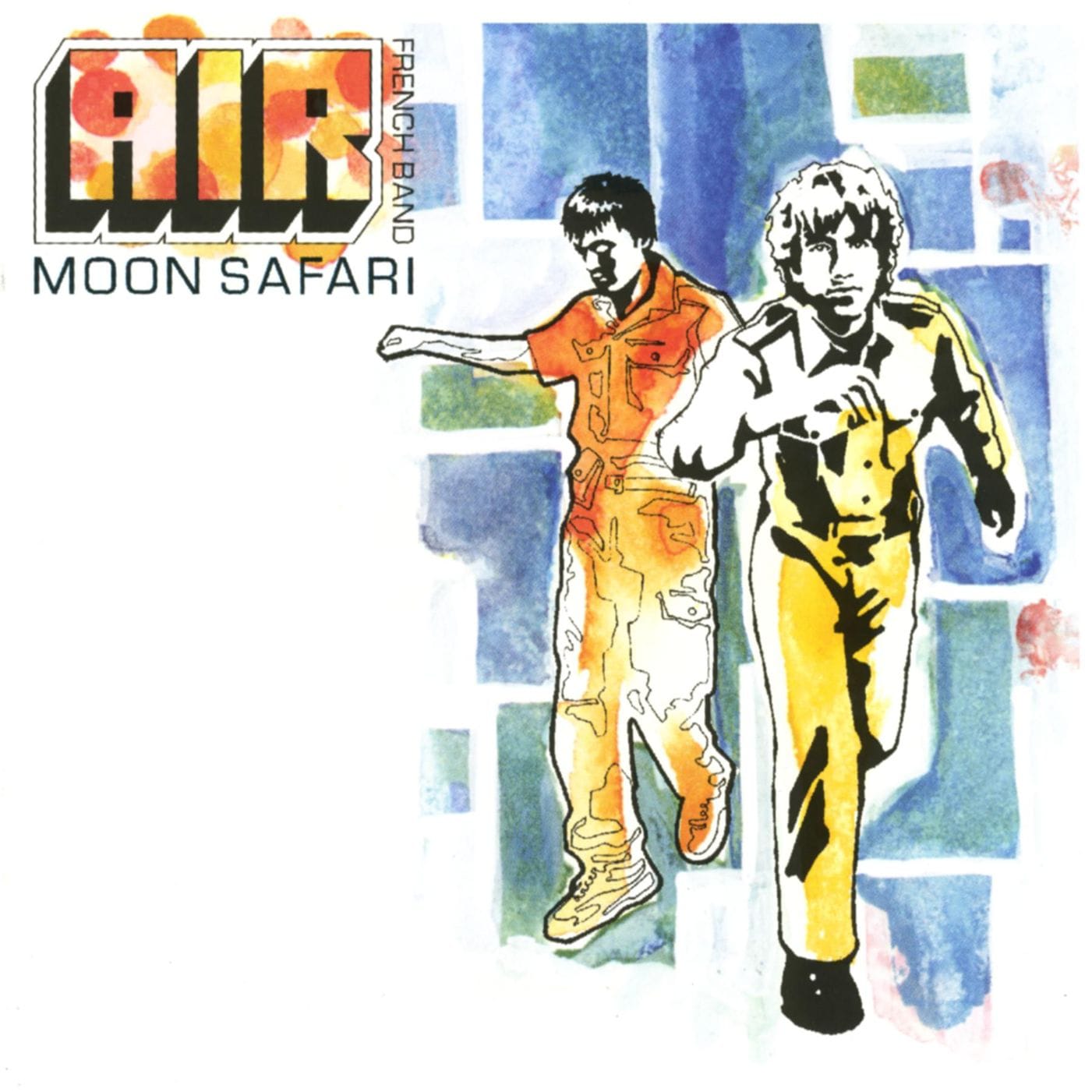
Air – Moon Safari (1998)
Two decades after Eno’s experiment, French electronic duo Nicolas Godin and Jean-Benoît Dunckel revolutionized chilled electronica with Moon Safari. Delivering 43 minutes of dreamy, downtempo 90s soundscapes, the record established a blueprint that would influence generations of producers, from Lemon Jelly to Zero 7. Whether utilized to mellow the nerves before an outbound flight or to ease the psychological blow of inbound holiday blues, a dose of Air remains an indispensable travel companion. Its legacy was further cemented by Vegyn’s 2024 authorized rework, Blue Moon Safari.
II. The Road Trip: Open Highways and Enduring Horizons
There is an intrinsic link between automotive travel and music. The rhythm of the tires rolling against asphalt begs for a dynamic, forward-moving cadence that matches the changing scenery outside the passenger window.
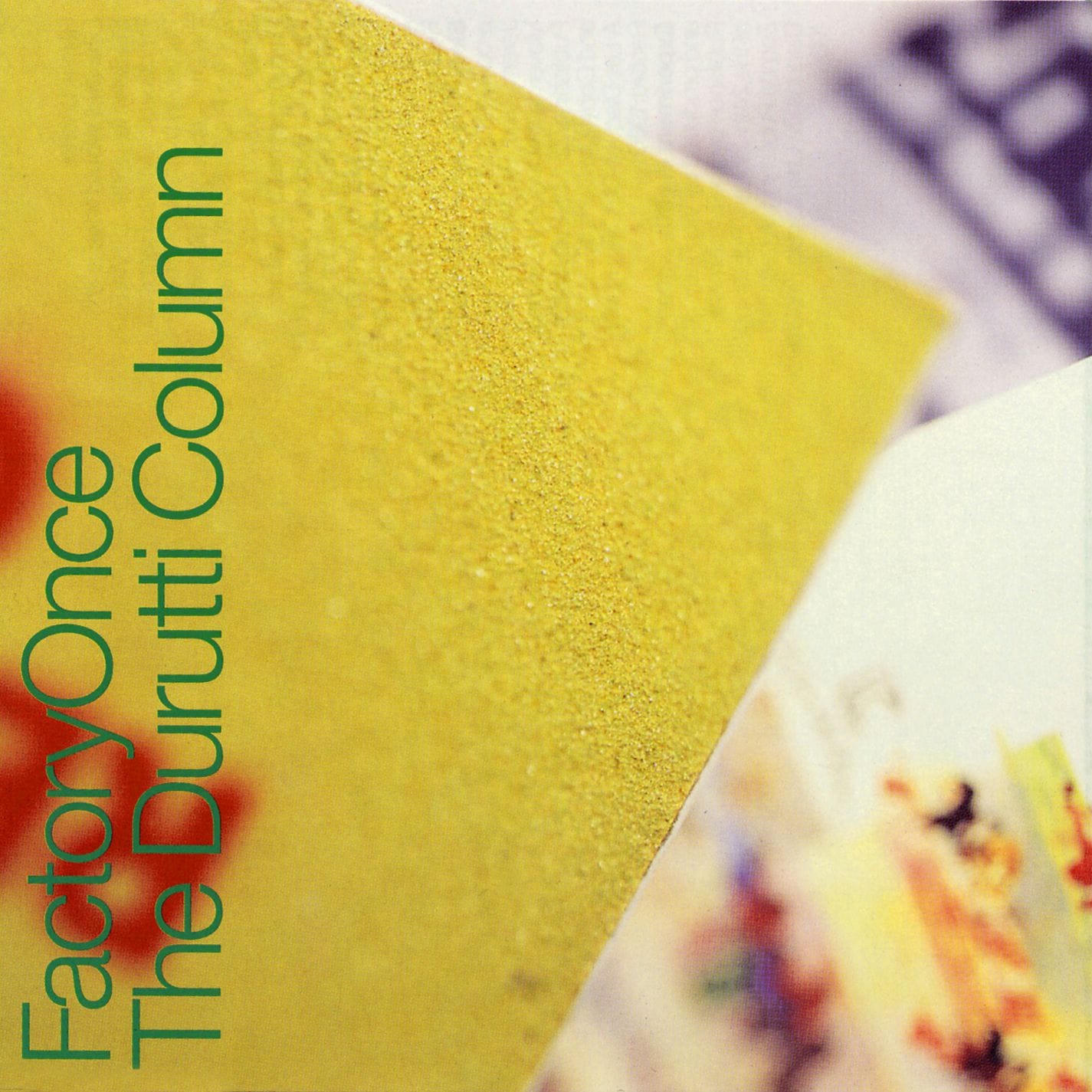
The Durutti Column – The Return of the Durutti Column (1980)
Released via Manchester’s legendary Factory Records, Vini Reilly’s guitar-driven masterpiece is a masterclass in atmospheric tone. Produced with the intricate electronic textures of Martin Hannett, the album provides an emotional sanctuary for those traveling from dense urban sprawls to quiet countrysides. The iconic birdsong intro of Sketch for Summer instantly evokes sun-lit afternoons and golden fields rolling past a car window. With its influence tracing through modern acts like Blood Orange and Harry Styles, the record’s lineage expands with the 2026 release of Renascent, the band’s first full-length project in sixteen years.
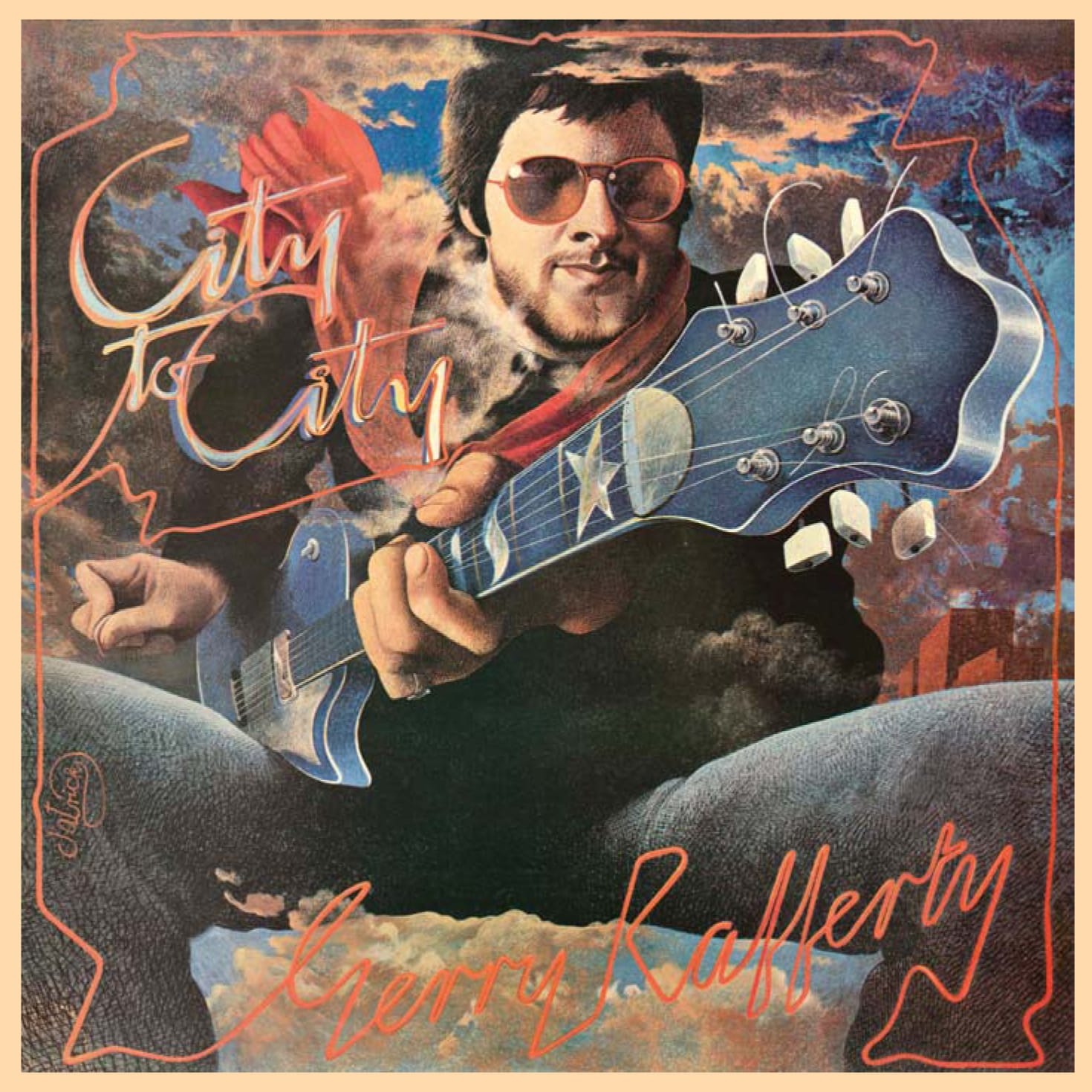
Gerry Rafferty – City to City (1978)
A definitive pillar of late-70s yacht rock, Gerry Rafferty’s City to City has only grown richer with age. Anchored by Raphael Ravenscroft’s searing, unforgettable saxophone hook on the career-defining track Baker Street, the album offers a breezy, effortless accompaniment to long drives down wide, empty roads. It captures the romanticism of transit, turning a mundane highway commute into a cinematic journey.
III. The Heatwave: Ice-Cold Sonic Relief
When summer temperatures spike into oppressive territory, high-energy party anthems can feel exhausting. During a heatwave, the human ear craves acoustic air conditioning—glacial synths, unhurried tempos, and submerged basslines.
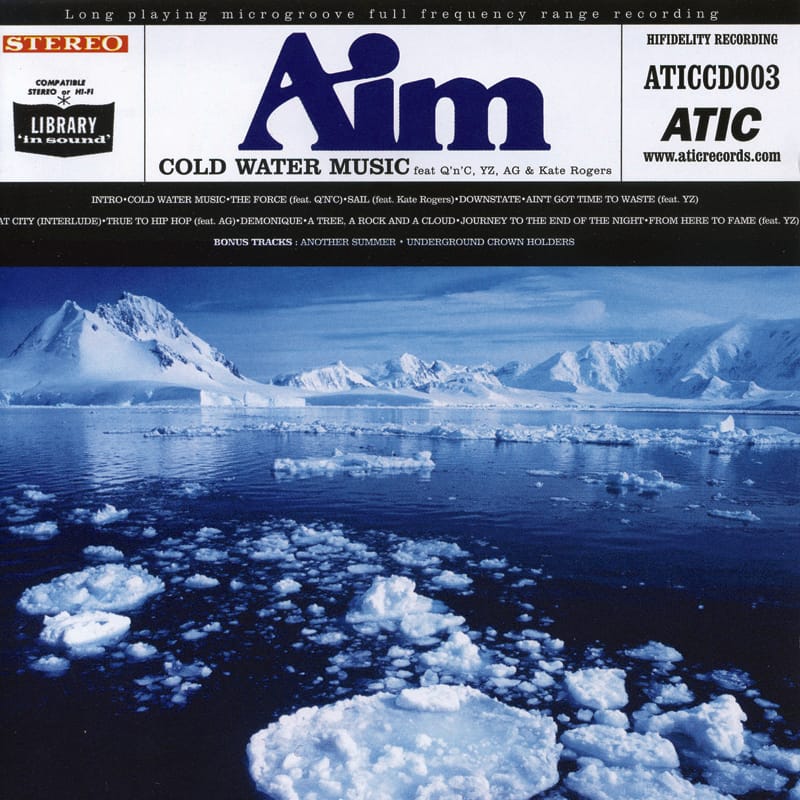
Aim – Cold Water Music (1999)
Like a plunge into a deep mountain lake, Andrew Turner (Aim) crafted a late-90s trip-hop masterwork that acts as an immediate antidote to soaring temperatures. Marrying unhurried, dusty boom-bap drum patterns with the crisp, golden-era vocal deliveries of rappers like A.G., QNC, and YZ, Cold Water Music is an understated marvel. Tracks like The Force envelop the listener in a cool, cinematic haze, inviting the room to slow down.
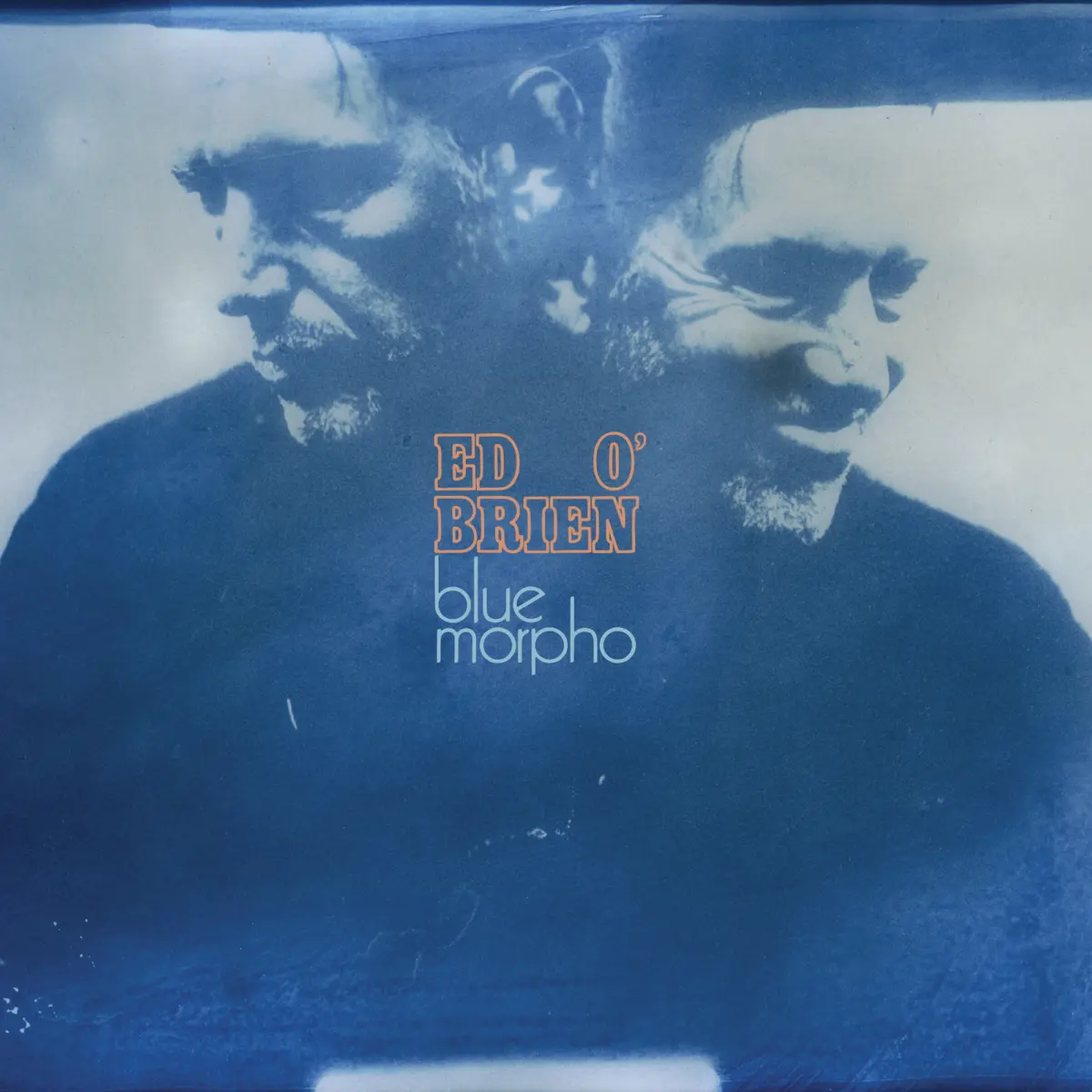
Ed O’Brien – Blue Morpho (2026)
Named after the iridescent butterfly encountered by Radiohead guitarist Ed O’Brien during a transformative stay in Brazil, Blue Morpho finds its strength in profound stillness. Conceived during a period of pandemic reflection in the Welsh countryside, the record blends tropicalia textures, ambient electronica, and lush soundscapes. It provides a dense, shady canopy against the glaring heat of midsummer.
IV. The Barbecue: Crowd-Pleasing Grooves and Communal Energy
The backyard barbecue demands a delicate balance: music that is rhythmically infectious enough to keep a crowd engaged, yet loose enough to allow for conversation around the grill.
Toots & The Maytals – Funky Kingston (1973)
Frederick "Toots" Hibbert’s classic is a masterclass in roots reggae, funk, and soul. Sounding like a barefoot dance in a sun-baked garden as the evening cools down, Funky Kingston captures the resilient, life-affirming spirit of working-class Jamaica. By the time anthems like Pressure Drop cycle through the speakers, the communal atmosphere reaches its absolute zenith.
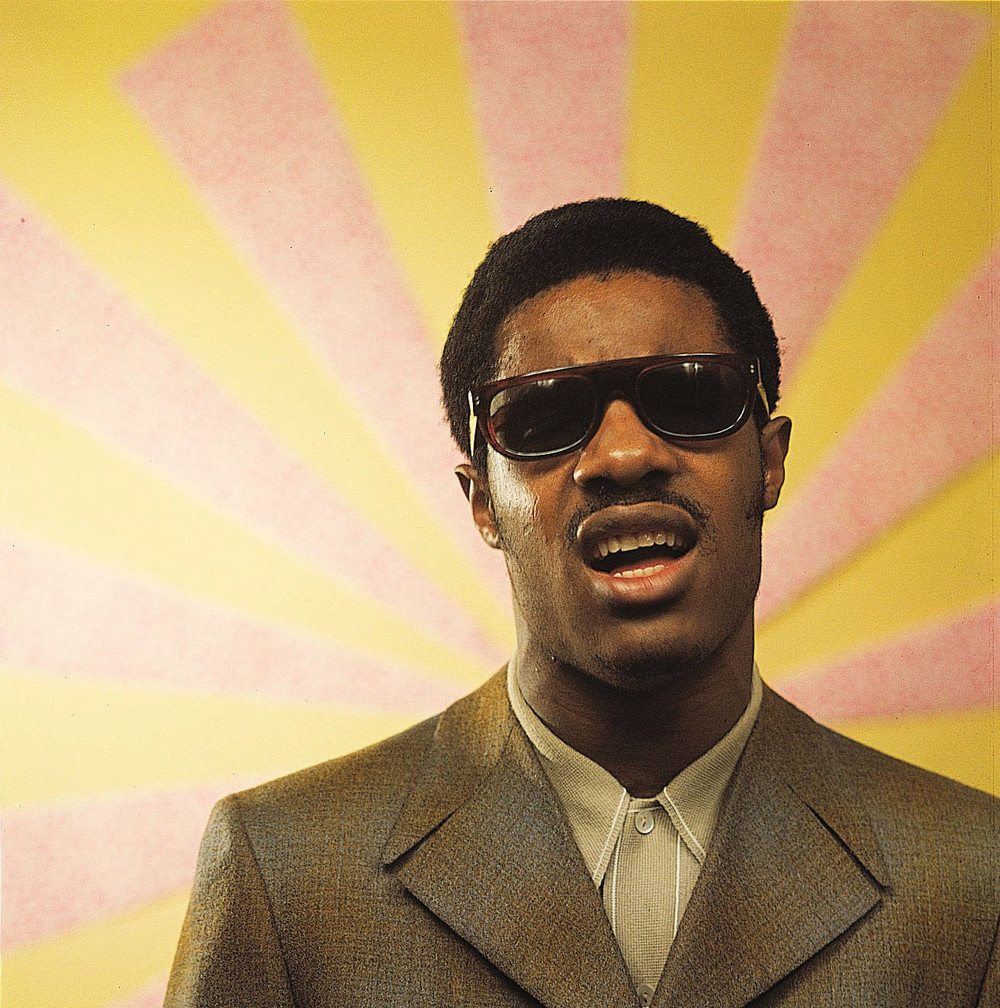
Stevie Wonder – Hotter Than July (1980)
Released in the wake of the disco era, Stevie Wonder’s Hotter Than July successfully married pop accessibility with Caribbean rhythms and poignant socio-political commentary. Featuring the celebratory anthem Happy Birthday—which instrumentalized public support for making Martin Luther King Jr.’s birthday a national holiday—alongside the infectious energy of Master Blaster (Jammin’), the album delivers peak celebratory jubilation from start to finish.
V. The Beach Holiday: Saltwater Soundscapes
The coastline requires a soundtrack that mirrors the relentless, rhythmic crashing of the tide and the slow passage of time spent horizontal under a beach umbrella.
Morcheeba – Big Calm (1998)
Guided by Skye Edwards’ buttery vocals, Morcheeba’s sophomore outing floats on a cloud of laid-back downtempo grooves. Borrowing heavily from trip-hop, soul, and dub, the album’s title track interpolates elements of classic Motown while maintaining a breezy, coastal aesthetic. It is the definitive soundtrack for a lazy afternoon on a sun lounger, perfectly capturing the seasonal transition highlighted in the lyrics of Blindfold: "Spring has gone and summer keeps on coming on."
Alabama Shakes – Sound & Colour (2015)
Melding lazy, psychedelic grooves with Brittany Howard’s powerhouse, soul-shattering vocal delivery, Alabama Shakes created an album that feels precisely like warm sunlight hitting closed eyelids. Tracks like Gemini and the hypnotic title track remain modern touchstones for seaside relaxation.
Supporting Context & Metrics
The enduring popularity of these specific seasonal releases is reflected not only in critical re-evaluation, but in tangible physical media consumption data. According to recent market analysis from independent record store networks:
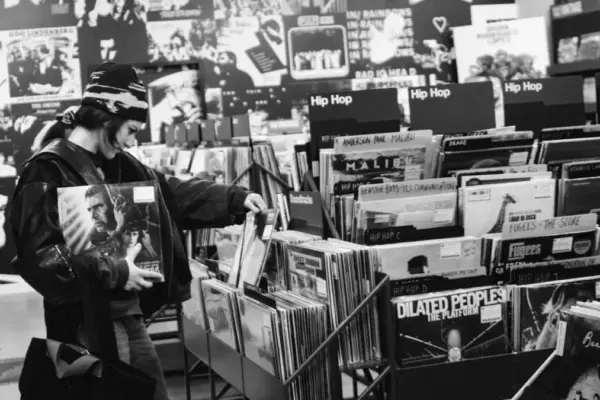
Vinyl Resurgence in Transit-Adjacent Genres: Sales of classic ambient and downtempo vinyl (specifically 1990s trip-hop and 1970s ambient releases) experience a consistent 18–24% spike during the Q2/Q3 summer months, indicating that physical collectors actively curate their environments based on seasonal shifts.
Catalog Longevity: Records like Brian Eno’s Music for Airports and Gerry Rafferty’s City to City continue to outperform contemporary streaming-only releases in physical catalog sales during July and August, proving that tangible, warm-sounding analog masters remain the preferred medium for open-air listening.
Cross-Generational Discovery: Contemporary reworkings—such as Vegyn’s intervention on Moon Safari—demonstrate a vital industry pipeline where younger demographics are introduced to 20th-century ambient and electronica through modern curatorial lenses.
Official Statements and Industry Insights
Cultural archivists and producers have long recognized the intentionality required to build a lasting summer record. Speaking on the psychological properties of ambient design, musicologists note that environments saturated with auditory stress naturally trigger a physiological desire for counter-programming.
"When external temperatures rise and social calendars fill to the breaking point, the human nervous system actively seeks out musical parameters that lower heart rates. We don’t just listen to ambient or downtempo records in the summer to relax; we use them to construct an internal climate-control system."
— Dr. Elena Vance, Senior Lecturer in Acoustic Ecology
Furthermore, artists like Ed O’Brien have frequently emphasized the deliberate nature of crafting music designed to offer shelter from the elements:
"Music should act as a room within a room. When you’re dealing with the sensory overload of a modern summer—whether that’s city heat or the chaos of travel—the record you put on needs to be a physical place you can step inside and close the door."
Future Outlook
As the global climate shifts and summers become increasingly defined by extreme heat events and frantic travel surges, the role of intentional soundscaping will only grow in cultural importance. The continued demand for analog warmth, tactile vinyl gatefolds, and immersive ambient listening suggests a collective cultural pushback against hyper-compressed, fast-content streaming culture.
Looking ahead, the intersection of classic catalog reissues—highlighted by upcoming 2026 milestones from legacy acts like The Durutti Column and Alabama Shakes—proves that our sonic relationship with the warmer months is cyclical. We return to these foundational records not merely out of nostalgia, but because they have successfully mapped the emotional geometry of summer, ensuring that no matter where the highway, the airport terminal, or the coastline takes us, the soundtrack remains an infallible anchor.