Executive Overview
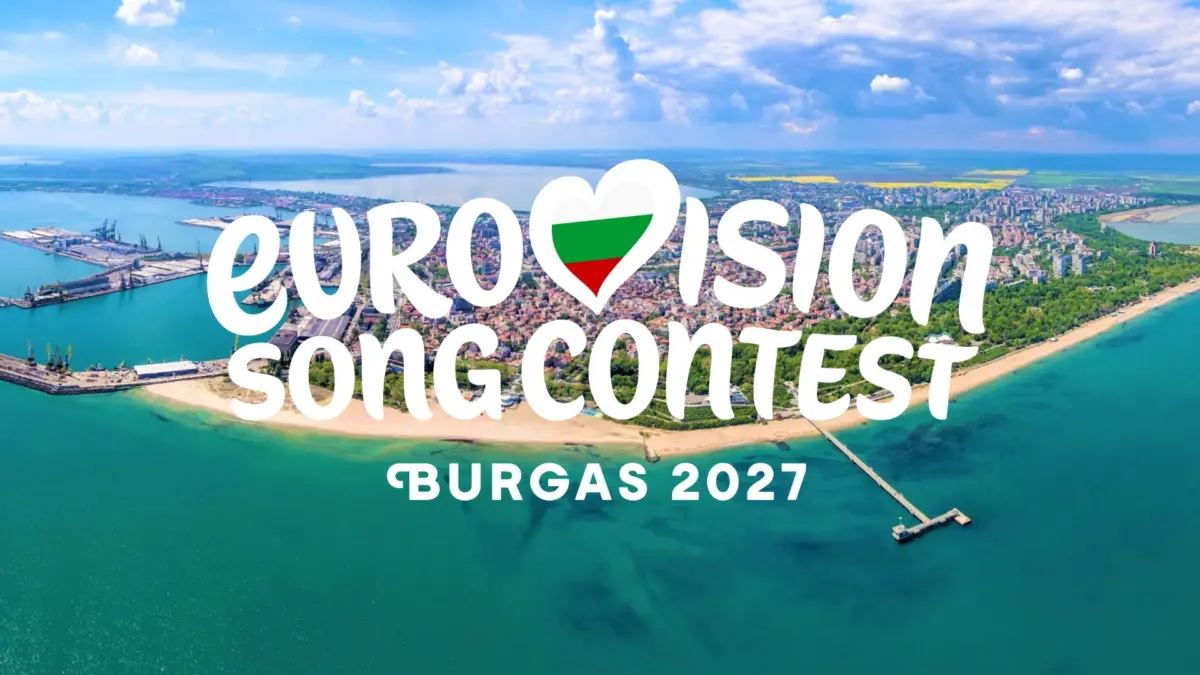
The European Broadcasting Union (EBU) and Bulgarian National Television (BNT) have officially confirmed that the picturesque Black Sea coastal hub of Burgas will serve as the host city for the 71st edition of the Eurovision Song Contest in May 2027. This landmark decision follows a fiercely contested, nationwide bidding process that saw multiple municipalities vie for the honor of staging Europe’s most-watched live music television event.
The upcoming competition arrives as a direct result of pop sensation DARA’s historic triumph in May 2026, where her electrifying track "Bangaranga" secured Bulgaria its first-ever Eurovision victory. In the wake of that watershed moment, the nation has turned its collective focus toward delivering an unprecedented celebration of music, culture, and unity.
At the center of the 2027 event will be the newly minted Arena Burgas. Boasting a state-of-the-art 15,000-capacity layout, the venue is poised to accommodate tens of thousands of international delegates, journalists, and fans. With the Semi-Finals locked in for May 11 and May 13, culminating in the dazzling Grand Final on May 15, 2027, preparations are officially underway. This comprehensive report explores the chronology of the host city selection, the infrastructural framework supporting the event, official insights from key stakeholders, and the broader cultural and economic implications for Bulgaria on the global stage.
Detailed Chronology: From Historic Victory to Host City Selection
The journey toward Burgas 2027 began in earnest in the spring of 2026, when the music-loving nation of Bulgaria experienced an unprecedented wave of euphoria. For years, Bulgarian artists had knocked on the door of Eurovision glory, delivering memorable, chart-heavy entries that resonated across the continent. However, the ultimate prize had always remained just out of reach. That changed dramatically in May 2026, when DARA took to the international stage and captured the hearts of millions with "Bangaranga"—an infectious fusion of contemporary pop production, dynamic choreography, and distinctively modern Balkan sensibilities.
Securing the trophy meant that the responsibilities of hosting the world’s largest non-sporting live television broadcast shifted to Sofia and BNT. Almost immediately following the confetti settled in May 2026, the EBU and BNT initiated the grueling Host City tender process.
The Competitive Bid
The race to become the host city was not a foregone conclusion. Four major Bulgarian cities stepped forward, each submitting comprehensive proposals detailing their logistical readiness, financial backing, security frameworks, and cultural footprints. Municipal leaders across the country recognized the immense soft-power benefits and tourism windfalls associated with hosting the continent’s flagship music festival.
Over the course of the summer, EBU inspection teams, alongside BNT executives, toured the candidate cities. They rigorously evaluated structural capabilities, hotel capacities, international transport connections, and civic engagement initiatives. While cities like Sofia and Varna presented robust contenders with rich urban histories, it was Burgas—bolstered by its combination of modern architecture, coastal charm, and a hyper-focused municipal strategy—that ultimately emerged victorious.
The official announcement was made on Thursday, August 13, 2026, ending months of speculation and marking the official starting pistol for what organizers promise will be an unforgettable chapter in Eurovision history.
Supporting Context & Metrics: Arena Burgas and the Logistics of a Continent-Sized Show
Staging a production of Eurovision’s magnitude requires an astonishing array of resources, from cutting-edge acoustic engineering and complex broadcast cabling to thousands of hotel beds and seamless transport corridors. Burgas, long celebrated as a cultural jewel on Bulgaria’s southern Black Sea coast, has spent years modernizing its infrastructure to support major international endeavors.
The Venue: Arena Burgas
The crown jewel of the city’s bid is the brand-new Arena Burgas. Designed to meet the stringent technical, spatial, and structural requirements of modern multi-camera television broadcasting, the 15,000-capacity arena offers a blank canvas for avant-garde stage designers and lighting directors.
Unlike older, retrofitted industrial sites or multi-purpose sports stadiums that often require extensive structural overhauls to bear the immense weight of modern Eurovision roof rigs (which frequently weigh upwards of 30 to 40 tonnes of lighting, LED screens, and audio equipment), Arena Burgas was built with modern entertainment demands in mind. Its high-clearance ceiling grid, advanced climate control, and expansive backstage loading docks make it an ideal setting for the rapid load-ins, daily rehearsals, and live broadcasts that characterize the Eurovision fortnight.
Infrastructure and Transport
Beyond the venue itself, Burgas offers an integrated transport network designed to absorb the influx of international delegations and traveling fans:
- Burgas Airport (BOJ): Located just kilometers from the city center, the international airport handles seasonal spikes in traffic and will implement enhanced arrival protocols, dedicated welcome desks, and streamlined customs channels for Eurovision delegations.
- Rail and Road Connectivity: The city acts as a primary transit nexus for the southern Black Sea region, boasting modernized railway links to Sofia and neighboring European transit hubs, alongside expanded highway infrastructure.
- Hospitality Ecosystem: Burgas and its surrounding municipalities feature a diverse spectrum of accommodations, ranging from luxury coastal resorts to boutique urban hotels, ensuring that the thousands of accredited journalists, fans, and crew members will be comfortably housed.
Official Statements: Voices from the EBU, BNT, and City Hall
The announcement of Burgas as the host city was accompanied by an outpouring of enthusiasm from the primary stakeholders steering the 2027 campaign.
Martin Green CBE, Director of the Eurovision Song Contest, underscored the unique character that Burgas brings to the global table:
"We are delighted that Burgas will be the Host City for the Eurovision Song Contest 2027. Burgas brings something really special to the Eurovision Song Contest. It is a vibrant, welcoming city on the Black Sea with a strong musical and cultural identity, and it has the ambition, infrastructure, and passion needed to welcome the Eurovision family."
Green also emphasized the EBU’s collaborative vision for the landmark event:
"For the first Eurovision Song Contest ever to be held in Bulgaria, we want to create something that feels truly Bulgarian while also being unmistakably Eurovision—a celebration that brings people together through music. We thank all of the cities which showed such enthusiasm in their bids to host Bulgaria’s first-ever Eurovision Song Contest. Together with BNT, the City of Burgas, and our partners across Bulgaria, we are looking forward to creating an unforgettable Eurovision week in May and welcoming the world to Burgas."
Reflecting on the grueling selection process and the monumental task ahead, Milena Milotinova, Director General of BNT, shared her perspective:
"It was an intense and highly competitive process, so congratulations to Burgas! With this victory comes great responsibility, and I hope the ultimate winners will be the many international visitors who come to experience Burgas. The selection of the Host City marks the beginning of the next key stage in Bulgaria’s preparations for the Eurovision Song Contest 2027. BNT, the EBU, and Burgas now have an intensive period of collaboration ahead of us as we work together to deliver a Contest that meets the high expectations of millions of viewers around the world."
Milotinova added a note of national pride:
"I am confident that Bulgaria will be a worthy host of Europe’s biggest live music television event and will showcase the very best of our culture, hospitality, and professionalism."
The Mayor of Burgas, Dimitar Nikolov, framed the victory not merely as a municipal triumph, but as a historic moment for the entire country:
"It is an exceptional honour for us to host the Eurovision Song Contest 2027. I would like to thank BNT and the EBU for their trust. We are now one team, working together to make the next edition of the Contest an unforgettable experience for both the participants and the hundreds of millions of viewers around the world."
Highlighting the collaborative spirit of the region, Nikolov concluded:
"As the centre of Bulgaria’s southern Black Sea coast, Burgas offers Bulgaria’s most modern arena, excellent hotels and transport connections, as well as outstanding infrastructure and natural assets. The entire Burgas region is part of our team—our municipalities, institutions, universities, schools, cultural organisations, artists, volunteers, and local businesses. This is not about one city hosting Eurovision. This is Bulgaria hosting Eurovision—an entire community, united and inspired."
Future Outlook: The Road to May 2027
With the host city and venue officially locked in, the timeline for the 2027 Eurovision Song Contest moves into its next critical phase. Over the coming months, the EBU and BNT will release further operational details, including ticket sales timelines, accreditation windows for media and fan delegations, and the official slogan and visual identity of the 2027 contest.
For Burgas, the months leading up to May 2027 will see an acceleration of cultural programming, city-dressing initiatives, and civic engagement programs designed to transform the coastal municipality into a pan-European epicenter of music and celebration. Local businesses, educational institutions, and cultural organizations are already mobilizing to train volunteers, curate fringe events, and ensure that every visitor experiences genuine Bulgarian hospitality.
As the dates—Semi-Final 1 on May 11, Semi-Final 2 on May 13, and the Grand Final on May 15, 2027—edge closer, all eyes will remain fixed on Burgas. As the wave of excitement from DARA’s historic victory continues to ripple across Europe, Bulgaria stands ready to write a brilliant new chapter in the rich, storied history of the Eurovision Song Contest.