Executive Overview
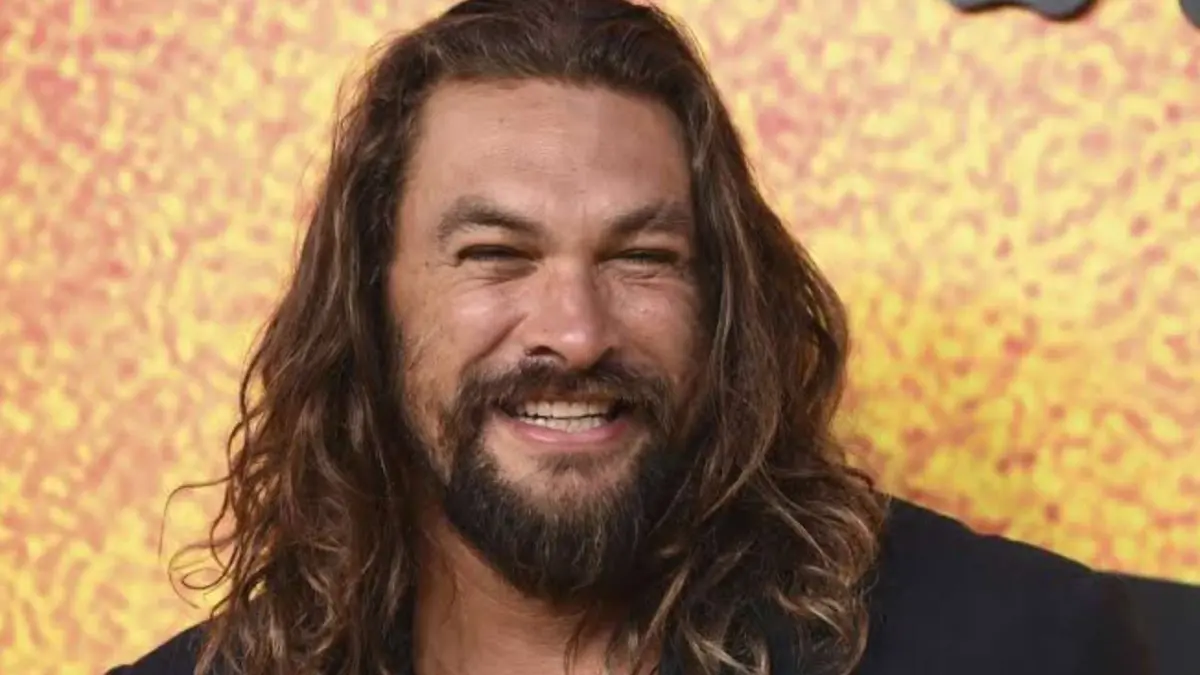
As of 2026, actor, producer, and entrepreneur Jason Momoa commands an estimated net worth of $40 million. While outlets like Celebrity Net Worth and Parade routinely anchor his fortune to this figure, the casual observer might easily mistake this wealth accumulation for an overnight cinematic explosion. After all, faces plastered across billion-dollar global posters rarely struggle with liquidity.
Yet, a rigorous financial autopsy of Momoa’s career reveals a starkly different narrative—one defined by years of grinding independent television work, a sudden and brutal post-Game of Thrones financial deficit, and the eventual salvation of franchise blockbusters.
Momoa’s financial standing is not merely a tally of high-profile paychecks; it is a masterclass in career reinvention. From a childhood split between the shores of Hawaii and the plains of Iowa to the sun-baked beaches of Baywatch Hawaii, the icy vistas of Stargate Atlantis, and the red-hot deserts of Dune, Momoa’s ascent showcases the volatile economics of modern entertainment.
While his $40 million fortune comfortably places him among Hollywood’s elite earners, it also illuminates a fascinating divide within the industry: the chasm between high-earning marquee talent and billionaires who leverage equity. This comprehensive analysis dissects the origins, trajectory, and mechanics of Jason Momoa’s financial empire.
Detailed Chronology: From the Muddy Trenches to the A-List
Roots, Modeling, and Early Television (1999–2009)
Born in Honolulu, Hawaii, and raised primarily in Norwalk, Iowa, following his parents’ separation, Joseph Jason Namakaeha Momoa maintained a dual identity. He spent his formative Midwestern years returning to Hawaii during summers to absorb his Native Hawaiian heritage. Before Hollywood ever beckoned, Momoa pursued diverse interests, studying marine biology in college and nurturing a deep-seated passion for the arts.
Fate intervened when his striking physical presence caught the eye of international fashion designer Takeo Kobayashi, who named Hawaii’s Fashion Model of the Year in 1999. That gateway led directly to an audition for Baywatch Hawaii.
Securing the role of lifeguard Jason Ioane, Momoa appeared in 44 episodes between 1999 and 2001. While Baywatch offered global syndication exposure, it was far from a high-paying prestige gig.
Following the series, Momoa ground through the Hollywood trenches. In 2005, he landed the career-stabilizing role of Ronon Dex in the sci-fi television series Stargate Atlantis. Portraying the dreadlocked, hyper-competent warrior across 73 episodes through 2009, Momoa secured steady union wages, built physical discipline, and cemented his status as a reliable genre actor. However, neither Baywatch nor Stargate transformed him into a household name, nor did they fill his bank accounts with residual wealth capable of weathering prolonged unemployment.
The Game of Thrones Paradox (2011)
In 2011, Momoa’s career detonated onto the global stage when he was cast as Khal Drogo, the fierce Dothraki warlord in HBO’s monumental fantasy epic Game of Thrones. With his towering 6-foot-4 frame, intense physical presence, and commanding screen charisma, Momoa turned a character who spoke a fictional language into a global phenomenon.
Yet, the economics of his Game of Thrones tenure harbored a cruel irony. Drogo was killed off at the conclusion of Season 1. While the show went on to become one of the most lucrative television properties in history, securing massive generational wealth for actors who remained on the call sheet for eight seasons (such as Peter Dinklage and Emilia Clarke), Momoa’s exit severed his financial ties to the series’ historic syndication and backend windfalls.
Worse still, the immediate aftermath of his departure was financially catastrophic. In interviews with publications like InStyle, Momoa openly confessed that the years immediately following Game of Thrones were some of the leanest of his life. Despite his sudden international fame, casting directors struggled to place him outside of the barbaric warrior archetype, and steady work dried up. Momoa and his young family found themselves "completely in debt," unable to pay bills as they bounced from one uncertain audition to the next.
The Franchise Savior: Aquaman, Dune, and Fast X (2016–Present)
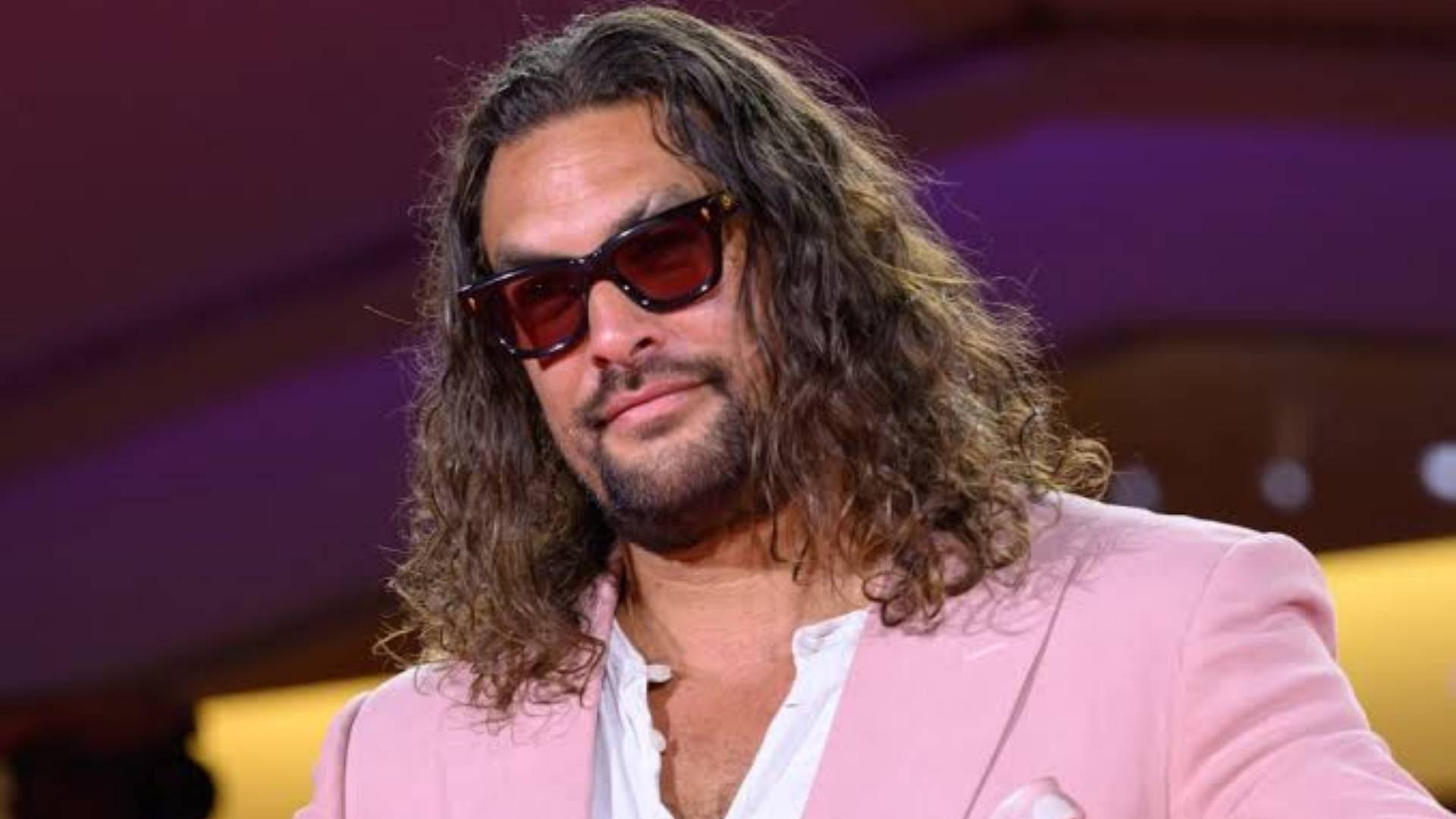
The turning point arrived in the mid-2010s, thanks to visionary director Zack Snyder. Recognizing Momoa’s untapped potential as an action-icon, Snyder cast him as Arthur Curry, a.k.a. Aquaman, in a brief cameo for 2016’s Batman v Superman: Dawn of Justice.
This led to a substantially larger ensemble role in 2017’s Justice League, before director James Wan handed Momoa the keys to the kingdom in 2018’s solo vehicle, Aquaman.
The film shattered box office expectations, crossing the elusive $1 billion mark globally. This seismic financial success fundamentally altered Momoa’s market value. Studios no longer viewed him as a niche genre player; they saw a bankable global box-office anchor.
Subsequent high-profile franchise castings followed rapidly. In 2021, he portrayed the stoic warrior Duncan Idaho in Denis Villeneuve’s sci-fi masterpiece Dune. In 2023, he injected anarchic, flamboyant energy into the long-running Fast & Furious franchise as the villain Dante Reyes in Fast X. Additionally, Momoa has expanded his creative footprint behind the camera, co-creating and executive producing the Apple TV+ historical drama Chief of War, while rumors continually link him to future DC Universe projects as the bounty hunter Lobo.
Supporting Context & Metrics: Breaking Down the Income Streams
Momoa’s $40 million valuation rests on three primary pillars: acting salaries, brand endorsements, and business production ventures.
Acting Salaries & Movie Earnings Analysis
The trajectory of Momoa’s film compensation mirrors his box office leverage. While early independent features and television roles paid modest scale rates, his ascension into franchise blockbusters unlocked elite compensation tiers:
- Early Television & Indie Work: Salaries ranged from standard Screen Actors Guild (SAG) television minimums to low six-figure sums per season.
- Game of Thrones (2011): Paid per-episode rates for a single season, amounting to an estimated mid-six-figure total before taxes and commissions—funds that were quickly depleted during his post-show drought.
- Aquaman (2018): Sources close to production indicate Momoa earned an upfront salary of roughly $3 million to $4 million for the first installment, which swelled closer to $7 million once backend box office participation bonuses were factored in.
- Aquaman and the Lost Kingdom (2023): Riding the wave of the first film’s billion-dollar success, Momoa’s upfront salary for the sequel nearly quadrupled, with multiple trade reports confirming a base payout of $15 million.
- Ensemble and Supporting Blockbusters (Dune, Fast X): While exact figures for Dune and Fast X remain confidential, actors of Momoa’s caliber typically command base salaries ranging between $3 million and $7 million for major supporting turns in multi-studio franchises.
Brand Endorsements and Commercial Ventures
Beyond the silver screen, corporate entities have aggressively capitalized on Momoa’s rugged, outdoorsman, and charismatic persona.
In 2020, Momoa starred in a viral Super Bowl commercial for Rocket Mortgage. In the spot, he humorously stripped away his superhero physique and long hair to reveal an ordinary, vulnerable man at home. The cultural impact of the commercial was immense, and industry analysts estimated Momoa’s payout for the single spot fell between $5 million and $7 million.
He has subsequently maintained high-profile, lucrative partnerships with iconic heritage and lifestyle brands, including Carhartt and Harley-Davidson. These corporate sponsorships provide a steady, reliable cash flow that insulates him between grueling film production schedules.
Production Ventures and Entrepreneurship
Recognizing the finite nature of acting longevity, Momoa has diversified into business ownership and media production.
He founded Mananalu, a sustainable bottled water company dedicated to eliminating single-use plastics by utilizing infinitely recyclable aluminum bottles. Through strategic retail placements and brand messaging aligned with his environmental advocacy, Mananalu represents Momoa’s first major foray into direct-to-consumer equity.

Furthermore, through his production banner, Pride of Gypsies, Momoa develops television and film projects—such as Apple TV+’s Chief of War—allowing him to collect producer fees, ownership stakes, and creative control that traditional acting contracts deny.
Comparative Wealth Analysis: Where Momoa Stands in Hollywood
To contextualize Jason Momoa’s $40 million fortune, it is instructive to compare him against peers within the modern action-franchise ecosystem:
| Actor | Estimated Net Worth | Primary Income Sources |
|---|---|---|
| Jason Momoa | $40 million | Film acting salaries, franchise backend, production fees, endorsements |
| Henry Cavill | $50 million | Film and streaming acting contracts, brand sponsorships |
| Chris Hemsworth | $130 – $150 million | Marvel Cinematic Universe salaries, global endorsements, fitness apps, business ventures |
| Dwayne Johnson | $800 million | Mega-budget acting salaries, equity in Teremana Tequila, ZOA Energy, TKO Group Holdings |
The financial chasm separating Momoa ($40 million) from titans like Dwayne "The Rock" Johnson ($800 million) or even Chris Hemsworth ($130M+) highlights a fundamental truth of modern wealth creation: acting salaries alone rarely produce billionaire or ultra-high-net-worth status.
While Momoa possesses a franchise resume that rivals almost anyone in Hollywood, his wealth is predominantly earned through labor (acting and producing fees). Conversely, Johnson’s immense fortune is derived from equity ownership—founding and co-owning brands like Teremana Tequila and ZOA Energy, and holding stock in corporate entities like TKO Group Holdings.
The Game of Thrones Wealth Anomaly
An even more fascinating financial metric emerges when comparing Momoa to his Game of Thrones castmates.
Despite appearing in only 10 episodes of the show’s inaugural season before Khal Drogo’s demise, Momoa boasts a net worth that rivals or exceeds many of his core castmates who endured the grueling eight-season production cycle (such as Kit Harington, Emilia Clarke, and Lena Headey).
This anomaly proves that while Game of Thrones launched Momoa into international consciousness, it was his calculated transition into multi-billion-dollar cinematic franchises (Aquaman, Fast & Furious, Dune) that ultimately forged his financial independence.
Future Outlook
As Jason Momoa navigates the back half of the 2020s, his financial trajectory points toward sustained, if not exponential, growth.
Having broken the cycle of debt that plagued his post-Game of Thrones years, Momoa has successfully institutionalized his personal brand. His ongoing pivot toward behind-the-camera production via Pride of Gypsies signals a mature understanding of Hollywood’s shelf life. By creating his own content—such as Chief of War—he captures a larger share of the financial upside than any standard acting contract provides.
The primary frontier for Momoa’s financial expansion lies in brand ownership. While ventures like Mananalu have established his entrepreneurial credentials, replicating the equity-heavy playbook of peers like Dwayne Johnson or Ryan Reynolds remains the ultimate key to unlocking nine-figure wealth.
Whether through expanding green-tech initiatives, launching lifestyle brands, or anchoring future sci-fi and comic book universes, Jason Momoa has proven that his survival instincts off-screen match the fierce resilience of the characters he portrays. His $40 million fortune is not merely a milestone; it is the solid foundation of an evolving entertainment empire.