Executive Overview
In an era dominated by hyper-processed, algorithmically driven pop music engineered in sterile, singular-location studios, the cross-continental enterprise known as Wau Wau Collectif offers a refreshing, organic antidote. Their third full-length album, Teranga, released via the tastemaking independent label Sahel Sounds, stands as a masterclass in modern, borderless musicianship. The album’s second single, the hypnotic and genre-defying "Oh Africa!", serves as a vibrant microcosm of the record’s overarching ethos: a seamless fusion of traditional West African instrumentation, European avant-garde sensibilities, and the serendipitous magic of genuine human connection.
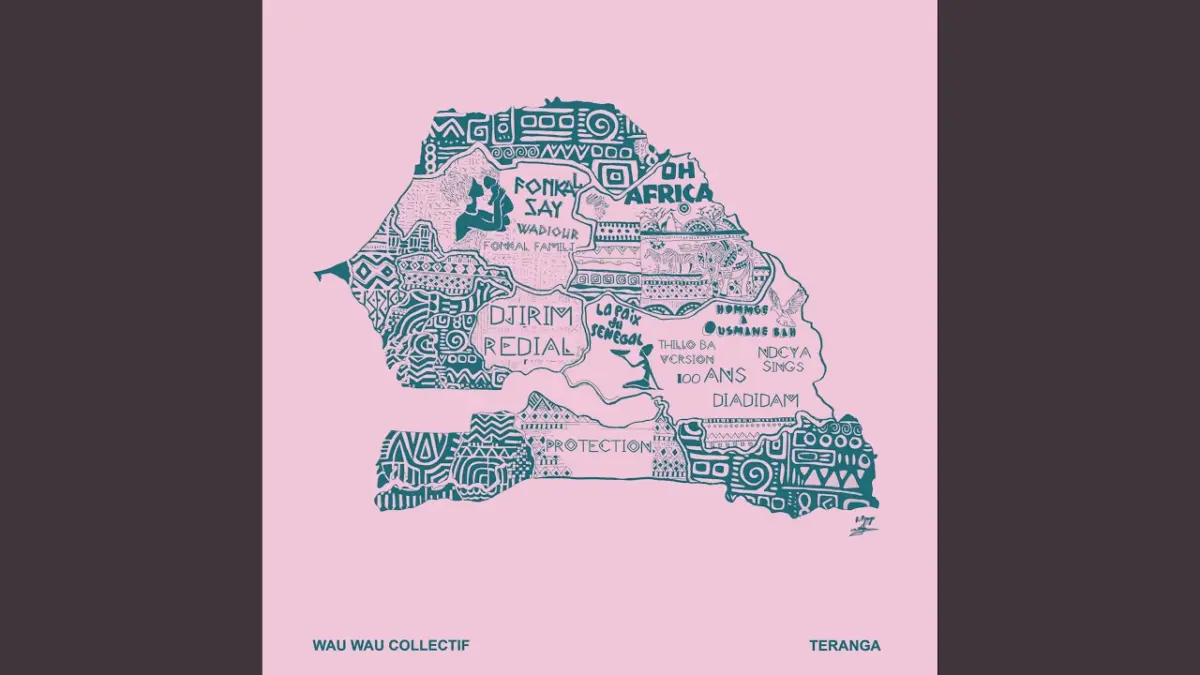
Derived from the Wolof language, Teranga translates loosely to "hospitality"—the sacred, profound welcome extended to a guest. It is an apt title for an album that represents a historic milestone for the project: the very first time this sprawling, multi-national ensemble met in person after years of virtual collaboration.
Born out of a humble digital exchange between Sweden and Senegal in 2018, Wau Wau Collectif has steadily evolved from a localized recording experiment into a 26-piece musical juggernaut. Spanning three critically acclaimed albums—Yaral Sa Doom, Mariage, and now Teranga—the collective has proven that geographical distance is no match for shared artistic vision. By melding the traditional sounds of the balafon, ngoni, and calabash with the Western textures of violin, cello, saxophone, and Omnichord, Wau Wau Collectif has crafted a timeless sonic tapestry. As co-founder Karl-Jonas Winqvist notes, despite the completion of this trilogy, the collective feels they have "barely started in some ways." This report explores the genesis, mechanics, musical architecture, and future trajectory of one of the most fascinating collaborative projects in contemporary global music.
Detailed Chronology: From WhatsApp Audio Files to European Tour Buses
The genesis of Wau Wau Collectif reads like a modern folklore tale of globalization, serendipity, and digital persistence. The project was officially sparked in 2018 within the sun-drenched confines of Toubab Dialaw, a renowned fishing and bohemian artist village situated on Senegal’s Petite Côte, approximately 60 kilometers south of the bustling capital of Dakar. Long recognized as a cultural sanctuary, Toubab Dialaw has historically drawn a diverse influx of international dancers, traditional musicians, and sculptors seeking inspiration.
It was here that Swedish musician and producer Karl-Jonas Winqvist crossed paths with Senegalese artist and percussionist Arouna Kane. What began as a localized creative exchange quickly expanded into an ambitious, border-defying enterprise. However, maintaining momentum between Scandinavia and West Africa presented immediate logistical hurdles. The solution came in the palm of their hands: WhatsApp.
For years, the foundational architecture of Wau Wau Collectif was built on traded audio files, digital stems, and voice notes zipping across continents via mobile messaging applications. Winqvist and Kane laid down the blueprints in Senegal and Sweden, subsequently inviting a rotating cast of kindred spirits into the fold. As files bounced back and forth between Stockholm and Toubab Dialaw, the informal project swelled. By the time the collective completed its trilogy, the official roster had expanded to an astonishing 26 musicians, vocalists, and songwriters.
Despite the efficiency of digital communication, the true test of any collaborative band is physical proximity. That milestone was finally achieved during the grueling, exhilarating recording and mixing cycle for Teranga. Rather than convening in a traditional recording studio, the core members finalized and mixed the album out on the road during a grueling five-week European tour.
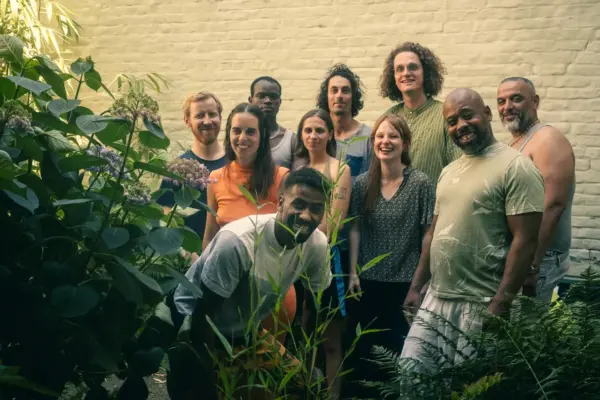
Recalling the unique chemistry of that journey, Winqvist describes a touring unit consisting simply of "three Swedes, three Senegalese, and a French driver." Navigating European motorways, soundcheck schedules, and unfamiliar venues, the band forged a visceral, face-to-face camaraderie that permanently altered their creative dynamic. The studio had essentially become the tour bus, and the stage became the ultimate mixing board, injecting the final tracks with the raw, volatile energy of live performance.
Supporting Context & Metrics: Musical Architecture and Global Influences
To fully appreciate the auditory landscape of Teranga, one must examine the eclectic toolkit and historical reference points utilized by the collective. Musically, Wau Wau Collectif refuses to adhere to rigid genre classifications, instead treating cultural boundaries as porous membranes.
The album’s second single, "Oh Africa!", exemplifies this stylistic fluidity. The track is anchored by a mesmerizing, winding guitar line that boasts an almost unmistakable Turkish bend—a melodic inflection that feels simultaneously exotic and familiar. Indeed, the riff carries the nostalgic weight of a lost cut unearthed from a decades-old ethnomusicological vinyl reissue.
Sequenced as the third track on Teranga, "Oh Africa!" showcases the collective’s intricate orchestration. Traditional West African acoustic instruments—such as the woody, resonant balafon (a West African xylophone), the hypnotic plucks of the ngoni (a traditional lute), and the rhythmic pulse of the calabash percussion—are juxtaposed against classical European textures. Violins, cellos, and saxophones weave in and out of the mix, underpinned by the retro-futuristic electronic hum of the Omnichord.
Winqvist has openly acknowledged the profound influence of French jazz saxophonist Barney Wilen, specifically citing Wilen’s landmark 1972 album Moshi. A pioneering work of world-fusion and avant-garde jazz, Moshi was famously constructed from field recordings made during Wilen’s travels through Africa. Wau Wau Collectif channels this exact spirit of sonic anthropology, treating field recordings, local instrumentation, and modern studio production as equal partners in conversation.
The Trilogy At a Glance:
- Yaral Sa Doom (Debut): The foundational release that established the cross-continental WhatsApp workflow, introducing listeners to the nascent collaboration between Swedish production sensibilities and Senegalese traditional roots.
- Mariage (Sophomore Album): A deepening of the collective’s sonic palette, expanding the contributor network and solidifying their reputation as critical darlings in the global underground scene.
- Teranga (Culmination): The final chapter of the trilogy, born from physical coexistence on European tour buses and released via Sahel Sounds, representing the most cohesive and fully realized iteration of the project to date.
Official Statements & Industry Perspectives
The release of Teranga has sent ripples through the independent music community, earning praise for its uncompromising artistic vision and its radical approach to transnational collaboration. Partnering with Sahel Sounds—a label internationally celebrated for documenting and championing the diverse musical expressions of the Sahel region and the broader Sahara—has provided the collective with an ideal platform.
Reflecting on the grueling yet rewarding process of bringing the virtual project into physical reality, Karl-Jonas Winqvist has emphasized that the completion of Teranga does not signal an end, but rather a profound metamorphosis.
"In many ways, it feels like we have barely started," Winqvist noted when discussing the future of the collective.
The sentiment is echoed by critics and industry analysts who view Wau Wau Collectif not merely as a band, but as a blueprint for the future of global music production. By leveraging accessible modern communication tools (WhatsApp) alongside traditional folk instrumentation, the project democratizes international collaboration. It bypasses the traditional, often exploitative gatekeeping of major record labels, allowing artists from vastly different socioeconomic and cultural backgrounds to co-create on entirely equal footing.
Furthermore, the involvement of Sahel Sounds guarantees that the project maintains its artistic integrity. The label has long championed music that exists outside Western commercial pop structures, making it the natural home for an album named after Teranga—a concept that champions radical openness, generosity, and the welcoming of strangers into one’s community.
Future Outlook: The Road Ahead for Wau Wau Collectif
With Teranga officially closing the initial trilogy that began with Yaral Sa Doom and Mariage, listeners and industry insiders alike are naturally left wondering: What comes next for a 26-piece collective scattered across continents?
According to statements from the band’s leadership, the immediate future will be defined by the very thing that brought Teranga to life: the live stage. Buoyed by the success of their initial five-week European run, the collective is actively planning more extensive touring itineraries. Bringing a rotating cast of up to 26 musicians across international borders presents monumental logistical and bureaucratic hurdles—particularly regarding travel visas for Senegalese artists navigating restrictive European immigration policies. However, the collective’s steadfast commitment to face-to-face performance suggests they are more than willing to surmount these challenges.
Beyond traditional touring, the success of the WhatsApp-driven songwriting model hints at future recording iterations that may expand far beyond the original Toubab Dialaw-Sweden axis. As word of the collective spreads, the potential to incorporate new musical traditions, instruments, and songwriters from other parts of the globe becomes an enticing possibility.
For now, however, the immediate focus remains on inviting audiences into the world of Teranga. Whether streaming the hypnotic, guitar-driven waves of "Oh Africa!" or securing a physical pre-order via Bandcamp, music lovers are being offered a rare invitation: to partake in a cross-cultural celebration of hospitality, artistry, and boundary-pushing sound.
Stream "Oh Africa!" and pre-order Teranga through Sahel Sounds and Wau Wau Collectif’s official channels to experience the next chapter of this extraordinary transnational journey.