Executive Overview
In an era defined by hyper-digital detachment, rare moments of raw human altruism remind us of the profound impact of instantaneous bravery. For Ashley Taunton, a 42-year-old certified nursing assistant and mother of three from Connecticut, a routine drive down Interstate 95 transformed into a life-altering crucible of selflessness and survival. Confronted with a harrowing highway accident spawned by treacherous rain and sudden hydroplaning, Taunton did not turn away; she stepped directly into the path of danger to protect a group of stranded teenagers.
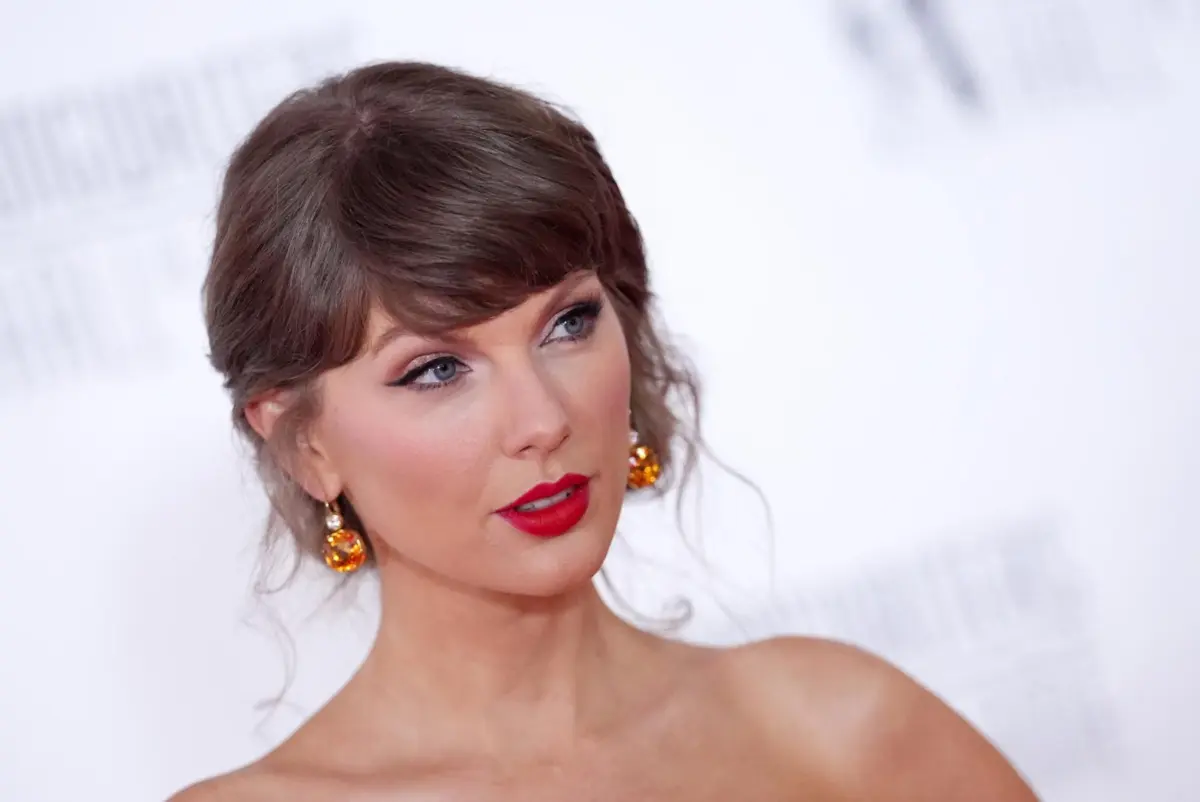
Her heroic intervention—which ultimately saved a young life at the catastrophic expense of her own physical well-being—has catalyzed an overwhelming wave of public support. Among those deeply moved by her story is global superstar Taylor Swift, whose unprecedented $50,000 contribution to Taunton’s recovery fund has galvanized international attention.
This comprehensive report examines the gripping chronology of the accident, the profound medical hurdles facing Taunton, the structural generosity of public figures like Swift, and the broader socio-cultural implications of mutual aid in the face of sudden tragedy.
Detailed Chronology: The Anatomy of a Highway Tragedy
The Impending Storm on I-95
The events unfolded on a fateful afternoon in July. The weather across the tri-state area was volatile, characterized by sudden, torrential downpours that turned regional interstate corridors into high-speed slip-and-slides. Ashley Taunton was traveling southbound on Interstate 95 through Rhode Island, accompanied by her youngest daughter. The atmosphere inside the vehicle was ordinary—until the physics of the storm abruptly intervened.
Ahead of them, a vehicle carrying a group of teenagers hit a patch of standing water, succumbed to severe hydroplaning, and lost all traction. The car careened out of control, spinning violently before coming to a precarious halt on a dangerous section of the highway, vulnerable to oncoming traffic rushing through the blinding rain.
A Mother’s Instinct
Without hesitation, Taunton pulled her vehicle over, secured her daughter, and made the split-second decision to render aid. Drawing upon her professional background as a certified nursing assistant—a vocation defined by daily acts of care and crisis management—she assessed the scene. Her immediate priority was human life: she rushed to extract the terrified teenagers from their disabled vehicle and guide them toward the relative safety of the highway shoulder.
However, the cascading dangers of wet-weather driving were far from over. As Taunton worked to marshal the teenagers away from immediate peril, another motorist traveling down the rain-slicked interstate lost control due to hydroplaning. The oncoming vehicle hurtled directly toward the vulnerable group.
Recognizing the impending impact in milliseconds, Taunton executed a final, instinctual act of supreme self-sacrifice. She lunged forward and physically shoved one of the teenagers out of the trajectory of the oncoming car. The teenager was spared lethal trauma, but Taunton absorbed the full, unyielding force of the impact.
Supporting Context & Metrics: The Human and Financial Toll
The Physical Devastation and Medical Odyssey
The physical consequences of the collision were catastrophic. Taunton sustained a barrage of severe, life-threatening injuries that required emergency transport to a trauma center.
According to updates provided by her family and medical advocates, Taunton has already endured two major, high-risk surgical procedures to stabilize her shattered skeletal structure and repair internal trauma. Yet, her medical journey is far from over. Physicians have outlined a grueling rehabilitation schedule that includes multiple follow-up surgeries, extensive physical therapy, and psychological counseling to process the trauma of the event.
Medical experts estimate that Taunton’s recovery trajectory will span a minimum of 12 months. For a working mother of three, this enforced hiatus from her profession as a certified nursing assistant represents not only a physical mountain to climb but also a severe economic disruption for her household.
Quantifying the Community Response
Recognizing the astronomical costs of long-term medical care, lost wages, and home support, friends and family established a digital safety net via a GoFundMe campaign titled "Support Ashley Taunton’s Brave Recovery."

The financial metrics of the campaign highlight the viral power of community empathy:
- Initial Milestones: The fundraiser steadily accumulated grassroots donations from neighbors, colleagues, and strangers touched by Taunton’s story, crossing the $10,000 and $30,000 thresholds within days of launch.
- The Swift Effect: The entry of Taylor Swift’s $50,000 single donation sent shockwaves through the platform, instantly establishing itself as the anchor contribution of the initiative.
- Total Fundraising Volume: As of late August, the primary GoFundMe campaign has surged past $64,000, while a concurrent, highly localized "Meal Train" initiative has independently raised over $16,000 to provide daily nutritional support for Taunton’s family while she remains hospitalized and undergoing outpatient procedures.
Official Statements and Philanthropic Precedents
The Voice of Global Stardom
Taylor Swift’s involvement was first verified by premier entertainment outlets including Rolling Stone and People. Eschewing a loud public relations campaign, Swift elected to make the donation directly, leaving a personal, heartfelt message in the public comments section of the GoFundMe page:
"Wishing you the best recovery possible and sending love to your family! Taylor."
This quiet, personal touch is emblematic of Swift’s longstanding philanthropic blueprint. Rather than utilizing charitable gestures solely for brand amplification, the pop icon has maintained a decades-long pattern of quietly auditing and funding crowdfunding campaigns for everyday individuals facing acute medical emergencies, structural poverty, or devastation from natural disasters.
A Summer of Unprecedented Giving
Swift’s contribution to Taunton’s recovery arrives hot on the heels of another massive philanthropic display. Just weeks prior, Swift and her husband, Travis Kelce, made headlines by donating a staggering $26 million across 20 distinct U.S. charities in the lead-up to their high-profile July wedding at Madison Square Garden.
While mega-donations to institutional non-profits capture corporate headlines, cultural analysts note that Swift’s persistent micro-philanthropy—interventions in individual GoFundMe campaigns—creates a uniquely intimate bridge between unprecedented wealth and the harrowing realities of working-class American struggles.
Future Outlook: The Road Ahead for Ashley Taunton
As summer yields to autumn, the immediate horizon for Ashley Taunton remains dominated by clinical milestones rather than domestic normalcy. Her family continues to issue periodic updates through the campaign page, emphasizing that while her resilient spirit remains unbroken, the rehabilitation process is an arduous, day-by-day endeavor.
Long-Term Recovery and Institutional Support
The psychological dimensions of surviving a high-impact trauma while performing a selfless rescue cannot be understated. Taunton’s journey will require specialized neurological and orthopedic oversight to ensure she regains full mobility. Fortunately, the financial buffer provided by the public—bolstered significantly by high-profile contributions—ensures that her family will not be forced into bankruptcy or foreclosure while navigating this medical crisis.
Furthermore, community leaders in both Connecticut and Rhode Island have begun discussions regarding civic commendations to formally honor Taunton’s extraordinary bravery. Law enforcement agencies that responded to the initial I-95 accident have informally noted that Taunton’s split-second intervention undoubtedly prevented a multiple-fatality catastrophe on the highway.
The Broader Cultural Legacy of an Ordinary Hero
In an era dominated by cynicism, the story of Ashley Taunton serves as an enduring testament to the latent heroism embedded within everyday people. A certified nursing assistant by trade, Taunton lived her values both inside and outside the clinical environment. When placed in an unthinkable scenario, her immediate instinct was the preservation of human life.
Through the amplification of her story—catalyzed by national news coverage and the financial solidarity of figures like Taylor Swift—Taunton’s sacrifice has been elevated from a local tragedy to a national symbol of grace under fire. As she embarks on the long, difficult road back to health, she does so not in isolation, but carried forward by the collective gratitude of a public that recognizes the true cost of an unselfish life.