Executive Overview
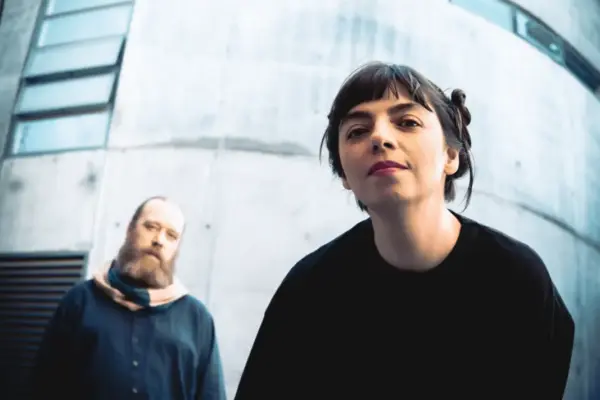
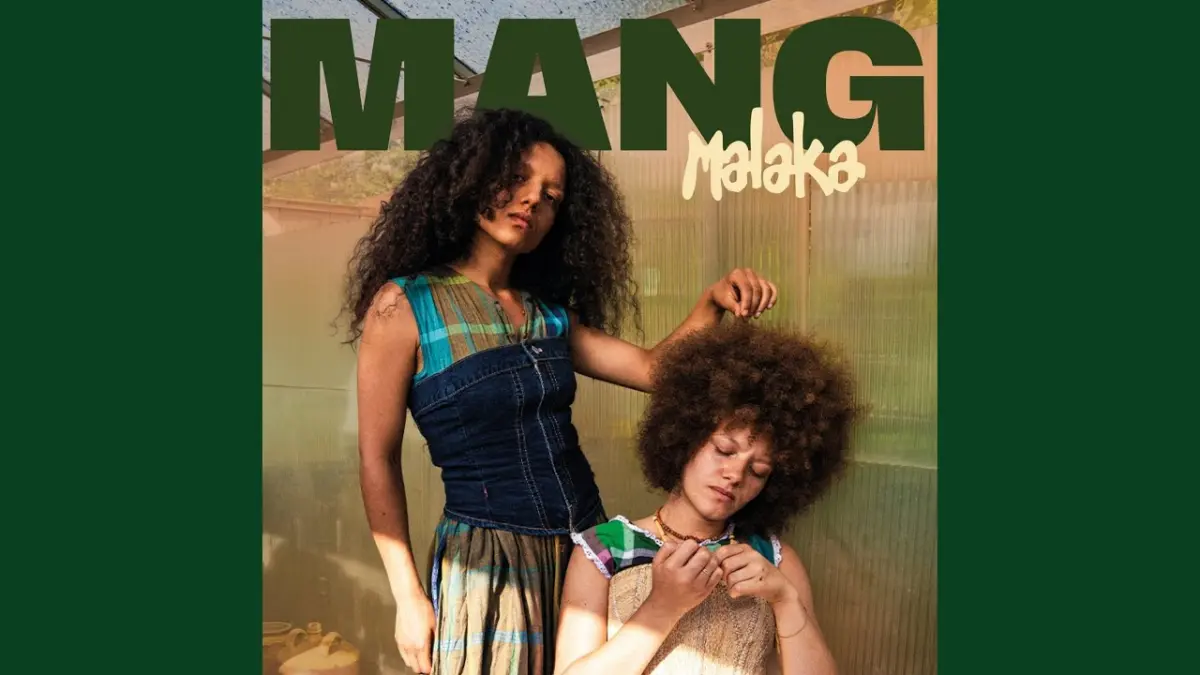
In an increasingly globalized music landscape where homogenization threatens regional uniqueness, authentic cross-cultural storytelling stands out as a revolutionary act. Enter Malaka, the boundary-pushing musical duo comprised of Guadeloupe-born sisters Laurina Moïsa and Sacha Moïsa. Released on November 14, 2025, via Green Piste Records, their sophomore extended play (EP), Mang, serves as a masterclass in sonic reclamation, cultural excavation, and unapologetic self-definition.
At the pulsating core of this five-track project lies “Run,” the EP’s second track and an undisputed manifesto for the sisters. With the razor-sharp lyric “Skin real, don’t dare, trying to make a rule here,” Malaka issues an unyielding rebuke to anyone attempting to box them into predetermined, colonial, or metropolitan molds. Merging the raw, unfiltered urgency of hip-hop with the ancestral rhythms of Guadeloupe, Afrobeat, and soul, Malaka transcends linguistic and geographical borders. They weave through French, English, and Creole with effortless grace, constructing a transcontinental bridge between the French mainland and their Caribbean homeland.
This comprehensive investigative feature examines the genesis of Mang, the socio-cultural forces shaping Malaka’s artistic trajectory, the meticulous instrumentation behind their hypnotic sound, and the broader implications of their music within the contemporary global music economy.
Detailed Chronology: The Evolution of Malaka
To fully grasp the magnitude of Mang, one must retrace the chronological trajectory of Laurina and Sacha Moïsa—a journey defined by migration, cultural duality, and a persistent, lifelong search for belonging.
Early Beginnings and the Guadeloupean Foundation
Born in the sun-drenched archipelago of Guadeloupe, the Moïsa sisters spent their earliest formative years immersed in an environment rich in Caribbean tradition. Their household was a natural incubator for artistic expression. Music and visual arts were not merely pastimes; they were daily practices of survival and joy. Their father, a seasoned percussionist, filled their home with the complex polyrhythms of traditional Creole music, gwoka, and the infectious cadence of zouk. Simultaneously, their mother, a dedicated painter, painted canvases that mirrored the vibrant flora, historical trauma, and spiritual depth of the French Caribbean.
This dual exposure to rhythm and visual color planted the early seeds of Malaka’s multidisciplinary aesthetic. However, as is the reality for many families navigating the complex socio-economic ties between France’s overseas departments (départements d’outre-mer) and the mainland (l’Hexagone), the sisters left Guadeloupe as small children, relocating to mainland France.
The Cultural Disconnect in Mainland France
Growing up in mainland France presented a complex set of identity challenges for Laurina and Sacha. Caught between the cultural expectations of their Caribbean heritage at home and the assimilative pressures of the French public education and social systems, the sisters experienced the profound alienation familiar to many second-generation diaspora youth.
This tension is vividly captured in the opening lines of “Run,” where Laurina confesses, “My social power is weak.” The lyric traces an agonizing psychological spiral: the frustration of systemic disconnection, the physical weight of a stutter that forces the body to lag behind the mind, and the exhausting performance of a rehearsed smile that inevitably cracks under pressure, giving way to tears and quiet prayers.
For years, the sisters navigated this internal dissonance, utilizing art as a coping mechanism and an exploratory tool. They absorbed the gritty realities of French urban life, falling under the spell of hip-hop, contemporary soul, and alternative R&B, while quietly holding onto the cadence and spiritual resonance of their Caribbean roots.
The Fateful Encounter in Clermont-Ferrand
As the sisters began shaping their musical identity under the moniker Malaka, their path intersected with instrumentalist Timothée Faure. Faure, a talented percussionist, was discovered by the sisters while busking on the cold, unforgiving streets of Clermont-Ferrand. This chance street encounter transformed a solo or duo bedroom project into a dynamic live-performing ensemble.
Faure’s addition injected a kinetic, organic energy into Malaka’s studio sessions, bridging the gap between electronic production and live instrumentation. Soon after, the lineup expanded further with the integration of multi-instrumentalist Hadrien Mabilat (handling bass, guitar, and keyboards) and powerhouse drummer Nathan Pinel.
The Pilgrimage to Guadeloupe (2024–2025)
The turning point for what would become the Mang EP occurred in 2024, when Laurina and Sacha undertook a profound pilgrimage back to their birthplace in Guadeloupe. Returning to the islands as adult artists fundamentally shifted their creative compass.
Re-engaging with the sights, smells, linguistic nuances, and spiritual weight of the archipelago unlocked a wellspring of creative energy. They reconnected with traditional Creole rhythms, immersed themselves in contemporary Caribbean afrobeat movements, and observed firsthand the modern realities of island life—both its triumphs and its lingering post-colonial complexities.
This journey directly birthed Mang. Upon returning to mainland France, the sisters channeled this renewed cultural clarity into the studio sessions that yielded the EP. Released on November 14, 2025, through Green Piste Records, Mang stands as the definitive artistic document of this homecoming: a bridge built from memory, bloodline, and modern sonic architecture.
Supporting Context & Metrics: The Anatomy of "Run" and Mang
Linguistic Fluidity and Decolonial Aesthetics
One of the most striking metrics of Malaka’s artistic maturation on Mang is their fearless linguistic dexterity. Rather than succumbing to the market pressures that often force artists from non-English-speaking or regional backgrounds to dilute their native tongues for global appeal, Malaka weaponizes multilingualism.
On “Run,” the listener is taken on a linguistic journey. The track opens with vulnerable, introspective English lyrics exploring neurodivergence, social anxiety, and psychological fracturing. As the rhythm accelerates, the song shifts into a biting, hip-hop-inflected patter. The sisters assert their mixed Guadeloupean and French heritage with unapologetic pride, culminating in the fierce declaration: “My ideas come from a blood running for long, too strong… you might upset the roots, run.”
By weaving French, English, and Guadeloupean Creole seamlessly across the EP, Malaka creates a decolonial sonic space. They refuse to pander to monolingual gatekeepers, inviting listeners to engage with their music on emotional and visceral levels, regardless of linguistic translation.
Production and Engineering Breakdown
The sonic density of “Run” and the broader Mang EP is the result of a meticulous collaborative effort between the core duo and a top-tier team of French producers and engineers:
- Laurina Moïsa & Sacha Moïsa: Lead vocals, songwriting, conceptual direction, and cultural curation.
- Timothée Faure: Percussion, infusing the tracks with organic, street-tested rhythmic drive.
- Hadrien Mabilat: Bass, guitars, and keyboards, laying down the rich harmonic bed and atmospheric textures that balance electronic and organic elements.
- Nathan Pinel: Drums, providing the precise, driving backbone that propels the tracks through their dramatic shifts in tempo and mood.
- Hadrien Mabilat & Mathias Chaumet: Mixing engineers responsible for the crisp separation of elements, ensuring that the heavy basslines, intricate percussion, and delicate vocal harmonies occupy their own distinct sonic spaces without losing emotional cohesion.
- Yves Roussel: Mastering engineer, whose final polish ensures that “Run” translates seamlessly from high-end studio monitors to smartphone speakers and massive festival sound systems alike.
Official Statements & Artistic Vision
In recent press materials accompanying the rollout of Mang, Malaka elaborated on the philosophical underpinnings of their art. Speaking on the title track and the overarching themes of the EP, the sisters emphasized the necessity of artistic autonomy.
“We spent years trying to fit into boxes that weren’t built for us,” the sisters shared in a joint artist statement via Green Piste Records. “People want to categorize you by your accent, your skin color, your geographic location, or the language you speak. With ‘Run’ and with ‘Mang,’ we are slamming the door on those expectations. Our roots are too deep, our bloodline is too rich, and our vision is too expansive to be contained by anyone else’s rules.”
Label representatives from Green Piste Records echoed this sentiment, praising the duo’s ability to merge disparate genres without sounding disjointed:
“Malaka represents the new vanguard of European and Caribbean music. They take the trauma of displacement and transform it into transcendent power. ‘Run’ is not just a song; it’s an energetic shield and a battle cry for anyone who has ever been told to quiet down or shrink themselves to make others comfortable.”
Future Outlook: What’s Next for Malaka?
As Mang continues to accumulate critical acclaim across European and Caribbean music blogs, underground hip-hop circles, and world music platforms, Malaka’s trajectory points toward international expansion.
Live Performance and Festival Circuit
With the addition of Faure, Mabilat, and Pinel, Malaka has evolved from an intimate studio duo into a formidable live band. Plans are currently underway for an extensive European tour throughout 2026, with anticipated stops at major summer festivals in France, the French West Indies, and select pan-European showcases. Their ability to translate the intricate, genre-bending production of Mang into high-energy, emotionally charged live performances positions them as must-see festival acts for fans of alternative soul, afrobeat, and progressive hip-hop.
Musical Evolution and Cross-Cultural Collaborations
Industry insiders are already whispering about potential cross-continental collaborations for future releases. Given their unique positioning at the crossroads of Parisian alternative culture and Caribbean traditional music, Malaka is uniquely suited to bridge the gap between emerging urban scenes in West Africa, the French Antilles, and the UK underground.
Cultural Impact
Beyond commercial metrics, Malaka’s ultimate legacy is already taking shape in the hearts of young diaspora youth across France and the Caribbean. By refusing to hide their vulnerabilities—addressing anxiety, speech impediments, and cultural dislocation head-on—while simultaneously projecting ancestral power and artistic sovereignty, Laurina and Sacha Moïsa are redefining what it means to be a modern artist.
As “Run” echoes through headphones worldwide and the grooves of Mang spin on turntables from Paris to Pointe-à-Pitre, one thing is abundantly clear: Malaka is no longer running from their identity. They are running toward it, and woe to anyone standing in their path.
Stream and Purchase Information
- Stream “Run” on Bandcamp: Click Here
- Purchase/Order Mang EP via Green Piste Records: Click Here
- Explore Green Piste Records Catalog: Official Website