Executive Overview
In the heart of Mexico City’s sprawling, eclectic metropolis, a sonic revolution has been quietly brewing for years, drawing on the vibrant pulse of local dance floors, the nostalgic echoes of 1980s radio pop, and the forward-thinking ethos of the global SoundCloud underground. At the epicenter of this movement is Mariana de Miguel—better known to the music world as Girl Ultra.
Emerging initially as a standout voice in the Latin American R&B wave, Girl Ultra has consistently defied easy categorization, effortlessly fusing the sultry intimacy of contemporary rhythm and blues with the neon-drenched grit of alternative dance music. Now, her artistic journey has reached a dramatic crescendo with the announcement of RRRomeo, a collaborative full-length album co-produced alongside Dave 1 of the legendary electro-funk duo Chromeo.
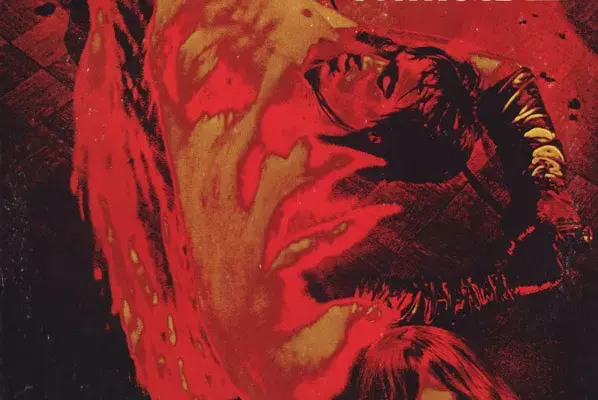
Slated for release on October 9 via the prestigious imprint Big Dada, RRRomeo represents a masterclass in cross-generational and cross-continental collaboration. The project marries chrome-plated synths, warm analogue funk, distorted guitar riffs, and heavy dub textures with a distinct brand of nocturnal romance. Featuring high-profile guest appearances from Buscabulla, Empress Of, and Jean Tonique, the record promises to be one of the most compelling crossover releases of the year.
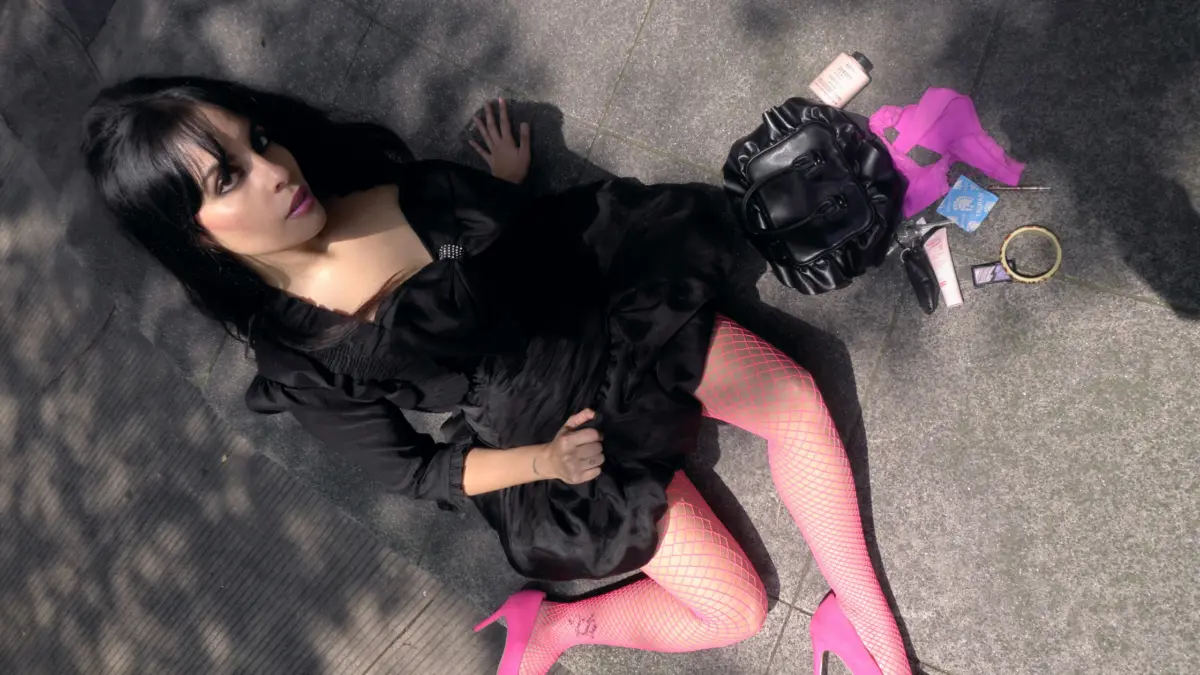
Accompanying the album rollout is the explosive new single "Te Caigo," a bassline-driven track that serves as a pristine entry point into the world of RRRomeo. Complete with a self-directed music video featuring a pink thong, a handsome Mexican lawyer, and a surreal ballet fight outside a courthouse, Girl Ultra is proving once again that she is a visionary artist who refuses to color inside the lines. This in-depth report explores the genesis of RRRomeo, traces Girl Ultra’s meteoric rise from teenage music fanatic to international festival sensation, examines the collaborative mechanics behind her partnership with Chromeo, and analyzes the cultural impact of her latest sonic manifesto.
Detailed Chronology: From Mexico City Soundscapes to Global Stages
To fully understand the gravity of RRRomeo, one must first retrace the developmental years of its creator. Growing up in Mexico City, Girl Ultra was a sponge for sound. Her formative years were soundtracked by an intoxicating cocktail of the metropolis’s underground dance floors, diverse radio culture, classic Latin rock, and ubiquitous 1980s pop anthems. Like many music aficionados of her generation, she spent her formative years pinching pennies, saving up whatever cash she could scrape together just to catch live performances by international indie and electronic royalty like Chromeo and Bloc Party.
The SoundCloud Era and Early Breakthroughs
As the global music industry fractured and reformed in the mid-2010s, the internet democratized music production and distribution. Girl Ultra emerged directly from the burgeoning SoundCloud R&B wave. While many of her contemporaries in the Spanish-speaking world were strictly adhering to traditional regional formats or standard Latin trap tropes, she carved out a unique lane for herself. By translating the sensual, atmospheric cadence of contemporary American R&B into the Spanish language—all while maintaining an unmistakably Mexican urban sensibility—she quickly established herself as one of the most exciting young voices in Latin alternative music.
Her undeniable talent did not stay confined to digital streaming platforms for long. As her catalog expanded, so did her live footprint. Girl Ultra’s ascent was punctuated by several major milestones:
- The Coachella Debut: She crossed over to major international festival circuits, bringing her hypnotic stage presence to the desert plains of Indio, California, for Coachella.
- The Zócalo Spectacle: Cementing her status as a hometown hero, she performed in front of a staggering crowd of 80,000 people at Mexico City’s historic Zócalo, opening for Latin rock pioneer Julieta Venegas.
- Digital Connections: Around 2017, an organic internet friendship blossomed between Girl Ultra and Dave 1 (David Macklovitch) of Chromeo, laying the structural groundwork for what would eventually evolve into a full-scale collaborative album project years down the line.
Supporting Context & Metrics: The Anatomy of RRRomeo
When the global pandemic forced the music industry to a screeching halt, many artists retreated inward. For Girl Ultra and Dave 1, however, the unprecedented pause in touring schedules provided a rare luxury: time.
"We had so much time on our hands," Dave recalls, reflecting on the genesis of the project. "We were just like, ‘Yo, let’s do a project together.’"
What began as casual virtual brainstorming sessions steadily snowballed into a cohesive, fully realized body of work. The resulting album, RRRomeo, is scheduled for release on October 9 via Big Dada. Sonically, the record is a rich tapestry that draws heavily from the shared musical DNA of its primary architects while pushing into uncharted territory.
Sonic Palette and Production Architecture
RRRomeo is characterized by a deliberate juxtaposition of vintage analog warmth and modern digital edge. Key sonic ingredients include:
- Chrome-Plated Synths: Nodding directly to Chromeo’s signature electro-funk lexicon, the synthesizer arrangements are bright, piercing, and impeccably polished.
- Analogue Funk & Dub Textures: Warm basslines and spacious, echo-drenched dub spaces provide a heavy, hypnotic backbone to the tracks, grounding the lighter pop elements in deep groove.
- Distorted Guitars: Injecting a raw, indie-sleaze energy reminiscent of the bloghouse era that both artists experienced firsthand in their youth.
- Stellar Collaborations: Beyond the core partnership with Chromeo, the album boasts carefully curated features from critically acclaimed indie-pop luminaries Buscabulla, Empress Of, and French producer Jean Tonique.
"Te Caigo": The Lead Single as a Cultural Manifesto
Serving as the primary gateway into the world of RRRomeo, the new single "Te Caigo" is a masterclass in modern pop hybridity. The track is anchored by a heavy, pulsing bassline and dramatic orchestral hits, operating essentially as 1980s kinky new-wave pop filtered through the dreamy yet aggressive sonic sensibility pioneered by artists like Jai Paul.
Lyrically, "Te Caigo" functions as an explicit manifesto against hesitation. In a contemporary dating landscape dominated by endless texting, ghosting, and delayed gratification, Girl Ultra’s lyrics advocate for immediate, unapologetic action.
"Arriving unexpectedly at someone’s house to stop talking and get to action," she explains, shedding light on the track’s core narrative. "This is my manifesto for living in the moment and starting to wildly make out today."
Visualizing Desire: The "Te Caigo" Music Video
True to her multidisciplinary artistic vision, Girl Ultra took the directorial reins for the music video accompanying "Te Caigo." Refusing to rely on conventional, predictable visual tropes, the self-directed clip is a wonderfully bizarre, high-concept affair. It features a striking pink thong, a handsome Mexican lawyer, and an unexpected, highly stylized ballet fight staged directly outside a courthouse. The video acts as a visual extension of the song’s themes: high stakes, high fashion, absolute unpredictability, and a fierce commitment to living in the immediate present.
Official Statements and Industry Insights
The collaborative dynamic between Girl Ultra and Dave 1 represents a fascinating bridge between two distinct eras of dance-pop and R&B. Dave 1, whose work with Chromeo has defined electro-funk for nearly two decades, brought a veteran producer’s ear to the table, while Girl Ultra provided the fresh, unbridled creative intuition of an artist operating at the cutting edge of contemporary Latin music.
Industry analysts have noted that Big Dada’s signing of the project underscores a broader, long-overdue shift in the global music market: boundary-pushing Spanish-language music is no longer viewed as a niche regional export, but as a driving force in international alternative culture. By partnering with Canadian electro-funk royalty and pulling in pan-American collaborators like Empress Of (USA/Honduras) and Buscabulla (Puerto Rico), RRRomeo positions itself as a truly borderless pan-Latin indie triumph.
Future Outlook
As the October 9 release date for RRRomeo approaches via Big Dada, the momentum surrounding Girl Ultra is palpable. Having already conquered local institutions like the Zócalo and international stages like Coachella, this collaborative LP feels less like a temporary side-quest and more like a definitive leveling-up for her career.
The intersection of classic 80s pop sensibilities, modern electronic production, and unfiltered lyrical directness has created a lane that belongs entirely to Girl Ultra. Whether RRRomeo will spark an extensive global tour remains to be seen, but one thing is certain: the days of waiting around for things to happen are over. If "Te Caigo" and its courthouse ballet fights are any indication, Girl Ultra is crashing through the front door, and she has no intention of waiting for an invitation.