Executive Overview
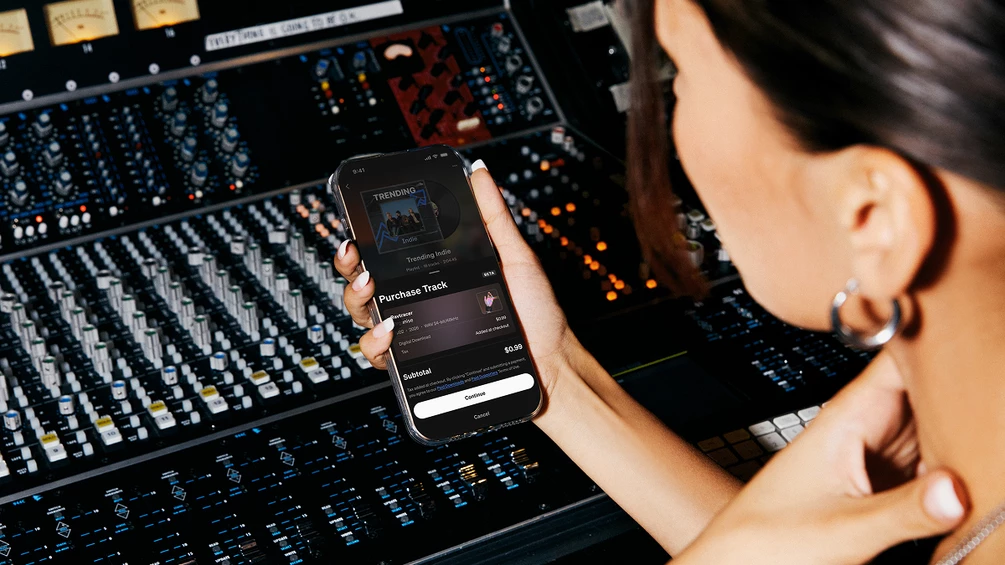
In a bold move that could fundamentally alter the economics of independent music distribution, streaming pioneer SoundCloud has announced a groundbreaking beta test allowing artists to sell music directly to their fans from their profiles. The initiative—currently rolling out to a select cohort of 200 US-based Artist Pro creators—eliminates the traditional middleman by enabling seamless, native purchases and downloads without redirecting listeners to external e-commerce platforms.
Most disruptively, SoundCloud has confirmed that it will take zero commission from these direct sales. Participating creators will retain 100% of their earnings (subject only to standard transaction fees and applicable taxes). By offering flexible pricing models and high-fidelity audio formats including MP3 and WAV, the platform is positioning itself as an all-in-one ecosystem where creators can cultivate communities, build audiences, and monetize their art under a single roof.
This announcement is not an isolated experiment; it represents the latest evolution in a carefully orchestrated, aggressive strategic pivot by SoundCloud under CEO Eliah Seton. Over the past year, the platform has systematically acquired independent music infrastructure—such as the blockchain-based music service Nina Protocol—and rolled out unified subscription tiers designed to consolidate distribution, merchandising, and fan support.
By addressing a long-standing behavioral trend—specifically, the hundreds of thousands of artists already utilizing SoundCloud to funnel traffic to external storefronts—the company is capturing lost revenue and friction within its own walls. As the music industry watches closely ahead of a wider autumn rollout, this zero-commission direct-sales model could spark a wider reckoning among major streaming services regarding artist compensation, platform loyalty, and the true definition of a modern music ecosystem.
Detailed Chronology of the Initiative
The path to SoundCloud’s direct-to-fan sales feature has been paved by a series of strategic acquisitions, product rollouts, and a growing recognition of creator dissatisfaction with traditional streaming economics. Understanding how this feature came to fruition requires a chronological examination of the platform’s recent transformation.
Late 2025: Laying the Foundation with All-in-One Subscriptions
The groundwork for today’s direct-sales model was laid in late 2025, when SoundCloud introduced its ambitious all-in-one artist subscription plan. For years, independent creators were forced to fragment their careers across multiple siloed services: one platform for streaming distribution, another for merchandise fulfillment, and yet another for direct fan funding.
SoundCloud’s new subscription plan sought to remedy this fragmentation by bundling distribution, fan support tools, and merchandise capabilities into a single cohesive package. This structural unification signaled to the industry that SoundCloud was no longer content being merely a discovery platform where artists uploaded rough demos; it was evolving into a fully integrated business suite for career-minded musicians.
May 2026: The Acquisition of Nina Protocol
The strategic puzzle pieces fell further into place last month when SoundCloud announced the acquisition of Nina Protocol. Operating for five years as an independent, blockchain-based music service, Nina Protocol had earned critical acclaim for empowering creators to build and run their own autonomous digital storefronts. Despite its technological sophistication and grassroots popularity, Nina’s original owners made the difficult decision to wind down the standalone company in May.
Rather than letting Nina’s pioneering technology fade away, SoundCloud stepped in to absorb its infrastructure and core ethos. Nina Protocol specialized in direct-to-consumer digital ownership, peer-to-peer commerce, and artist-controlled pricing. The DNA of that acquisition is unmistakably stamped onto SoundCloud’s new direct-sales feature, providing the technical and philosophical backbone required to process direct music transactions securely and efficiently at scale.
Today: The US Beta Rollout
With the infrastructure acquired and the unified subscription framework established, SoundCloud has officially initiated the beta phase of its direct-sales feature. Initially restricted to 200 US-based Artist Pro creators, this controlled rollout is designed to stress-test the user experience, payment gateways, and backend reporting tools.
During this trial period, participating artists can track their financial performance in real time through the Artist Studio and Fan Support Dashboard. Feedback gathered from this cohort will directly inform product refinements before the feature opens to all eligible creators globally later this autumn.
Supporting Context & Metrics: The Data Behind the Decision
SoundCloud’s decision to build a native e-commerce engine is not based on guesswork; it is a direct response to undeniable user behavior and market research. For years, the platform has acted as a leaky funnel, inadvertently driving its most entrepreneurial users toward external storefronts like Bandcamp, Shopify, and personal websites.
Quantifying the "External Funnel"
According to internal data released by SoundCloud, the demand for direct music sales on the platform is massive and quantifiable:
- 250,000 Artists: Roughly a quarter of a million creators actively use their SoundCloud profiles to direct fans to external platforms for purchasing music.
- 2.4 Million Tracks: Artists have embedded an astounding 2.4 million purchase links across their catalogues to bridge the gap between SoundCloud streaming and external commerce.
- 500,000 Annual Redirects: Every year, more than half a million SoundCloud users are forced to navigate away from the platform just to buy a track they discovered there.
This friction represents a critical loss of engagement. Every time a fan leaves SoundCloud to complete a purchase elsewhere, the platform loses its grip on the user journey, and the artist risks losing the listener’s attention to competing distractions on the open web.
Artist Sentiment and Format Flexibility
SoundCloud’s research also revealed that 28% of surveyed artists either already sell digital downloads independently or have an active desire to start doing so. Recognizing that different genres and fanbases have distinct consumption habits, SoundCloud has engineered the feature to support multiple audio formats—most notably MP3 and WAV—catering to both casual listeners and audiophiles who demand master-quality audio files.
Furthermore, artists retain total autonomy over pricing. Whether a creator wants to offer a track as a "name-your-price" download, a fixed-rate single, or an exclusive high-priced bundle, the economic parameters are set entirely by the creator, unencumbered by platform-mandated pricing floors or artificial restrictions.
Official Statements and Industry Philosophy
At the heart of SoundCloud’s new initiative is a philosophical commitment to platform consolidation and creator empowerment. In a comprehensive blog post detailing the launch, SoundCloud CEO Eliah Seton articulated the vision driving the company forward:
"Artists should be able to build their audience in one place, on one platform. SoundCloud has always been where artists find their first fans and build real communities. We’re continuing to bring more of what they need to grow their careers into that same experience, while letting fans directly support the music they love."
Seton’s statement strikes at the core of modern artist fatigue. In the digital age, creators have been forced to become software integrators, managing fragmented tools across dozens of platforms just to sustain a living wage. By folding direct-to-fan sales directly into the ecosystem alongside existing monetization pillars—such as Fan-Powered Royalties, Fan Support (tips/donations), on-demand vinyl pressing, and ticketing integrations—SoundCloud is creating a centralized dashboard where artistic expression and business operations finally converge.
Industry analysts have pointed out that the zero-commission promise is particularly disruptive. While competitors like Bandcamp take a standard revenue share (typically 10% to 15% on digital items, excluding payment processing fees), SoundCloud’s decision to take 0% commission on the sale price is an aggressive play for artist loyalty. By positioning itself as a benevolent partner rather than an extractive middleman, SoundCloud is attempting to rebuild trust with an independent music community that has long felt squeezed by low streaming payout rates.
Future Outlook: What This Means for the Music Industry
As SoundCloud prepares to roll out the direct-sales feature to all eligible creators this autumn, the broader implications for the music industry are profound.
A Direct Challenge to Streaming Norms
For over a decade, the dominant streaming model (stream-share pools popularized by Spotify, Apple Music, and others) has faced fierce criticism from independent artists who argue that fractional cent-per-stream payouts are unsustainable. While features like Fan-Powered Royalties—where a user’s subscription fee goes directly to the specific artists they listen to—have helped democratize revenue distribution, streaming alone rarely covers the cost of modern music production.
By empowering artists to sell high-margin digital products (WAV and MP3 downloads) directly to their most dedicated superfans without losing a percentage to the platform, SoundCloud is shifting the financial paradigm. It encourages a "superfan economy" model, echoing recent calls from major label executives and independent advocates alike who stress that artists need direct-to-consumer monetization tools to survive in a crowded digital marketplace.
The Autumn Rollout and Beyond
The success of this initiative will ultimately hinge on user adoption and technical execution during the autumn rollout. If the beta feedback from the initial 200 US-based Artist Pro creators proves successful, SoundCloud could trigger a domino effect across the streaming landscape. Other platforms may be forced to reevaluate their own commission structures and e-commerce integrations to prevent a mass migration of entrepreneurial artists looking to maximize their revenue.
Moreover, the integration of Nina Protocol’s underlying technology hints at future possibilities. Could SoundCloud eventually expand these direct sales into limited-edition digital collectibles, tokenized access, or decentralized community ownership models? While SoundCloud has kept its immediate focus on traditional MP3 and WAV commerce, the infrastructure acquired from Nina suggests that the platform is future-proofing its ecosystem for whatever comes next in digital music distribution.
Conclusion
SoundCloud’s introduction of zero-commission direct music sales marks a watershed moment for the platform and the independent artists who call it home. By listening to the data—recognizing the hundreds of thousands of artists already trying to sell music externally—and responding with a native, artist-first solution, SoundCloud is bridging the gap between discovery and commerce.
As the autumn wider release approaches, the message to the music industry is clear: the future belongs to platforms that reduce friction, respect creator autonomy, and allow artists to keep what they earn. For the independent musician navigating an increasingly complex digital world, SoundCloud is rapidly transforming from a simple streaming repository into an indispensable engine for career independence.