Executive Overview
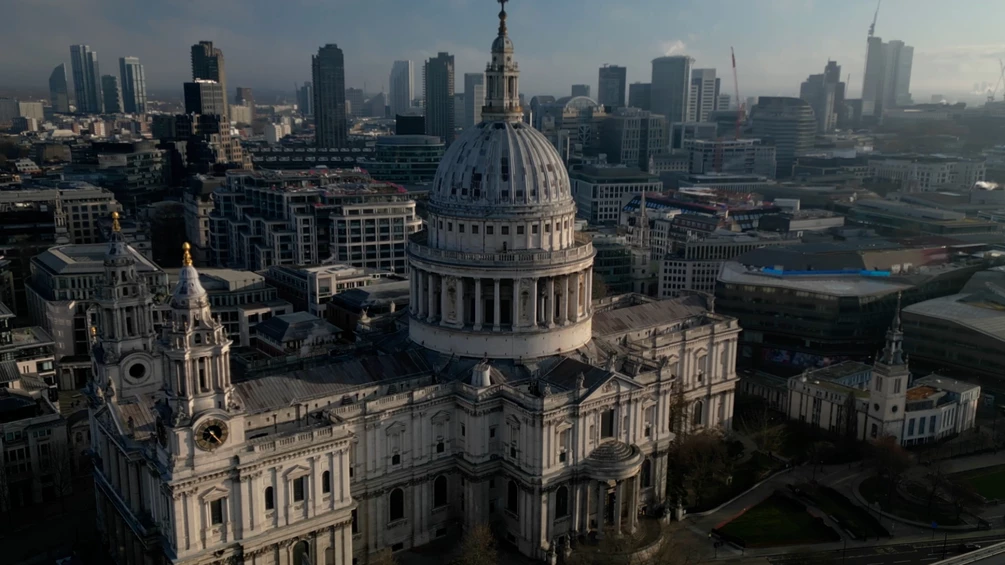
In a stunning cultural alignment that bridges centuries of architectural history with the cutting edge of contemporary live performance, legendary London nightclub fabric and the historic St Paul’s Cathedral have officially announced an unprecedented four-year concert partnership running through 2030. This monumental collaboration represents far more than a simple series of gig bookings; it is a profound institutional convergence between one of the world’s most revered bastions of underground electronic and contemporary music culture and a 316-year-old British architectural masterpiece designed by Sir Christopher Wren.
The partnership solidifies a permanent cultural bridge across the River Thames—uniting the hallowed, sacred acoustics of the City of London’s baroque masterpiece with the pulsating, community-driven ethos of Farringdon’s premier electronic music institution. Building upon a groundbreaking pilot phase that kicked off in 2024, the multi-year initiative will introduce a carefully curated calendar of world-class performances within the cathedral’s breathtaking dome and nave. The inaugural show of this expansive new chapter is scheduled for October 29th, with comprehensive lineup details, ticketing information, and visual design concepts anticipated to drop in the coming weeks.
Far from being an isolated novelty, this venture reflects a broader, sophisticated evolution in how historic civic spaces engage with modern cultural institutions. As cities densify and historical landmarks seek innovative ways to remain relevant to younger, diverse demographics, the partnership between fabric and St Paul’s Cathedral offers a masterclass in adaptive reuse and cultural diplomacy. By weaving the transcendent power of contemporary sound design and ambient performance into the spiritual fabric of Wren’s masterpiece, both organizations are redefining the boundaries of what a live music experience can achieve in the twenty-first century.
Detailed Chronology: From Pandemic Streams to Cathedral Spires
To fully appreciate the gravity of the fabric and St Paul’s Cathedral alliance, one must trace the winding, resilient trajectory of the London clubbing institution over the past five years. The journey from dark, sweat-soaked basements to vaulted, marble-columned cathedrals was neither immediate nor accidental; it was forged through relentless innovation, pandemic-era adaptation, and an unwavering commitment to the capital’s cultural vitality.
The Genesis: Pandemic Adaptations and London Unlocked
When the COVID-19 pandemic brought global nightlife to a screeching halt in 2020, fabric—like venues worldwide—faced an existential threat. Stripped of its physical dance floors and underground revellers, the club’s curatorial team pivoted with remarkable ingenuity, launching a landmark digital series entitled London Unlocked.
This ambitious project served as a crucial precursor to the cathedral partnership. Without in-person audiences, fabric dispatched some of the finest selectors in electronic music to perform live-streamed, cinematic sets in iconic, highly guarded London landmarks. These architectural interventions included:
- Tower Bridge: Atmospheric, genre-bending performances by Djrum and LCY.
- The Victoria and Albert (V&A) Museum: Sonic explorations curated by OK Williams, Saoirse, Shanti Celeste, and Midland.
- Smithfield Market: Deep, percussive transmissions from Batu and object blue right on fabric’s historic doorstep.
- The Royal Albert Hall: Monumental sets by bass music pioneer Skream and selector Shy One.
These high-definition archival recordings, which remain freely accessible on YouTube, proved to the cultural sector and city authorities alike that electronic music possessed a profound, symbiotic relationship with historic architecture. They demonstrated that electronic production and DJ culture were not merely confined to dimly lit warehouses, but could engage in a rich, respectful dialogue with heritage sites.
Breaking the Seal: The 2024 Pilot Phase
Building upon the conceptual foundations laid by London Unlocked, fabric achieved the unthinkable in 2024 by securing permission to host contemporary music events inside St Paul’s Cathedral—marking the first time in the 316-year history of the sacred site that such an event had been permitted.
The barrier-breaking inaugural concert was headlined by the Australia-born, Stockholm-based singer, musician, songwriter, and producer RY X. Known for his hauntingly fragile vocals, soaring ambient soundscapes, and minimalist instrumentation, RY X proved to be the ultimate test case for the cathedral’s unique acoustic environment. As his immersive frequencies bounced off the whispering galleries and ricocheted beneath the massive masonry of the dome, it became immediately clear that the space possessed a transcendent sonic quality that elevated contemporary performance into a spiritual experience.
The resounding success of the RY X showcase paved the way for a subsequent landmark gig featuring legendary American poet, punk-rock icon, and singer-songwriter Patti Smith. Smith’s raw, politically charged lyricism and fierce artistic integrity found an unexpected yet harmonious home within the cathedral walls, proving that the venue could comfortably house both avant-garde electronic textures and gritty, counter-cultural poetry.
The Four-Year Horizon (2025–2030)
Encouraged by the seamless execution and profound public reception of these pilot events, leadership from both fabric and the Dean and Chapter of St Paul’s Cathedral entered into high-level strategic discussions. The result is the newly announced four-year partnership, which formalizes the collaboration through to 2030.
Rather than relying on ad-hoc bookings, the multi-year agreement allows both institutions to plan ambitious, large-scale production cycles. It ensures that artists can design bespoke lighting, spatial sound rigs, and tailored setlists specifically optimized for the cathedral’s vast interior architecture. With the first official concert of this ongoing partnership locked in for October 29th, the London cultural calendar has gained a new crown jewel event series.
Supporting Context & Metrics: Infrastructure, Investment, and Evolution
While the partnership with St Paul’s Cathedral represents fabric’s outward-looking cultural ambitions, the club has simultaneously undergone significant internal rejuvenation at its legendary Farringdon home. Understanding these recent infrastructure updates highlights the dual-track strategy of a brand that simultaneously honors its subterranean underground roots and elevates its high-art aspirations.
Sound System Overhauls in Rooms 2 and 3
Earlier this year, fabric made waves across the global clubbing community by unveiling a comprehensive, state-of-the-art sound system upgrade for Rooms 2 and 3. This marked the first major acoustic overhaul to these specific performance spaces in nearly a decade.
For a venue renowned globally for its uncompromising commitment to sonic fidelity—having pioneered the use of custom-built bass transducers and meticulously tuned room acoustics since its opening in 1999—this investment was both necessary and visionary. The upgrades incorporated the latest advancements in digital signal processing (DSP) and speaker driver technology, ensuring that upcoming generations of techno, house, and bass music producers experience maximum clarity, low-end warmth, and spatial separation across every corner of the basement labyrinth.
Room 1 Bodykinetic Innovations
This recent technical refresh builds directly upon previous multi-million-pound investments at the venue. Most notably, fabric installed a revolutionary Bodykinetic dance floor in Room 1, paired with a substantial, ground-up overhaul of its legendary Martin Audio rig.
The Bodykinetic floor translates low-frequency bass energy directly into physical sensation, allowing clubbers to literally feel the music through the soles of their feet. By marrying these hyper-tactile, visceral basement technologies with the ethereal, architectural acoustics of St Paul’s Cathedral, fabric has established a fascinating duality: the club can deliver crushing sub-bass frequencies underground, while simultaneously curating sublime, soaring sonic frequencies within the heavens of Wren’s cathedral.
Economic and Cultural Impact Metrics
- 316 Years: The historic age of St Paul’s Cathedral, which opened for worship in 1711 following the Great Fire of London.
- 1999: The founding year of fabric, making it a cornerstone of modern British nightlife culture for over a quarter of a century.
- 4 Years: The duration of the newly minted partnership, running continuously until 2030.
- 1st Time: The historic milestone achieved in 2024 when contemporary music events were first permitted inside the cathedral space.
Official Statements: Bridging Two Worlds
The collaboration has drawn passionate commentary from the leadership teams of both organizations, reflecting a shared vision of cultural fusion and community outreach.
Cameron Leslie, co-founder of fabric, emphasized the emotional and communal core of the project:
"fabric has always been about bringing people together through music and creating experiences that stay with people. The opportunity to do that at St Paul’s Cathedral over the next four years is incredibly exciting for us. It’s an extraordinary and unexpected coming together of two very different parts of London, and we’re looking forward to building on the success of the events we’ve already held and creating something genuinely special and befitting of this incredible space."
Echoing this sentiment, Sandra Lynes Timbrell, Director of Visitor Engagement at St Paul’s Cathedral, highlighted the venue’s commitment to dynamic, world-class programming:
"We’re delighted to be partnering with fabric over the next four years to bring a carefully curated programme of exceptional concerts to St Paul’s Cathedral. These events showcase world-class talent and create unforgettable experiences for audiences within one of London’s most iconic spaces. We look forward to inviting people to experience the unique atmosphere that live music can create within this remarkable setting."
These statements underline a mutual respect for context and curation. Neither organization views the partnership as a mere commercial booking agency; rather, they approach the collaboration as a cultural dialogue—interrogating how ancient stone and modern synthetic sound can converse to create profound emotional resonance.
Future Outlook: What to Expect Through 2030
As the October 29th launch date rapidly approaches, industry insiders and music lovers are eagerly speculating on how the four-year partnership will unfold. Several key themes and projections define the future outlook for fabric and St Paul’s Cathedral:
1. Curatorial Expansion and Genre Diversity
Following the ambient-electronic mastery of RY X and the raw punk-poet ethos of Patti Smith, future programming is expected to cast an even wider net. Industry observers anticipate collaborations with avant-garde classical composers, ambient electronic pioneers, minimalist modular synth artists, and boundary-pushing vocalists who can utilize the cathedral’s natural reverberation time—which can exceed ten seconds—as an active instrument in their live performances.
2. Architectural Lighting and Immersive Production
Given the cavernous scale of St Paul’s interior, future shows will likely push the boundaries of architectural projection mapping and bespoke lighting design. By illuminating the intricate carvings of Grinling Gibbons, the soaring arches of the nave, and the vast frescoes of the dome with sensitive, synchronized lighting arrays, fabric aims to transform the cathedral into an immersive, living canvas of sound and vision.
3. A Blueprint for Urban Cultural Policy
In an era where nightlife districts face mounting pressures from gentrification, noise complaints, and real estate development, the fabric-St Paul’s partnership serves as a powerful political and cultural statement. It demonstrates to local councils, licensing authorities, and urban planners that underground music institutions are not civic nuisances to be marginalized, but rather sophisticated cultural custodians capable of operating at the highest levels of heritage stewardship.
4. Global Tourism and Cultural Prestige
London has long vied with Berlin, New York, and Tokyo for the title of the world’s premier cultural capital. By forging alliances between subcultural nightlife institutions and historic state monuments, the city reinforces its reputation as a place where heritage and innovation do not war with one another, but instead dance in dynamic, surprising harmony.
As the countdown to October 29th continues, the global music community watches with bated breath. The alliance between fabric and St Paul’s Cathedral proves that whether you are stepping onto a vibrating bodykinetic dance floor in a dark Farringdon basement or gazing up at the illuminated dome of a baroque masterpiece, music remains London’s most powerful universal language.