"The only good system is a sound system." Though the author of this axiom remains lost to the annals of musical folklore, the sentiment rings out as clearly and authoritatively as a physical bassline vibrating through a towering wall of custom-built loudspeakers. For nearly eight decades, the intertwined histories of reggae music and sound system culture have functioned as a masterclass in global movement, creative resistance, and technological innovation.
Originating on the sun-bleached street corners of Kingston, Jamaica, in the 1940s, this immense cultural legacy was built by tight-knit collectives of DJs, vinyl collectors, and self-taught audio technicians. Bound together by an infectious reverence for Jamaican popular music, these pioneers constructed towering rigs that could be disassembled, transported, and reassembled to transform ordinary public spaces into cathedrals of bass. As ska and rocksteady naturally evolved into the heavier, more hypnotic cadences of reggae and dub, the post-war Windrush generation carried this vital sonic infrastructure across the Atlantic.
Upon arriving in Britain, sound system culture became deeply embedded in Black British life, eventually laying the blueprints for the nation’s burgeoning underground music scenes. By the late 1970s, a symbiotic and highly volatile relationship had blossomed between the island-born rhythms of reggae and the raw, anti-establishment ethos of British punk. Bound together through independent record labels, DIY squats, and community record shops, these previously disparate subcultures found common ground outside the sterile confines of the mainstream music industry.
As we look toward the 60th anniversary of the Notting Hill Carnival—a historic celebration born out of both cultural exuberance and fierce anti-racist resistance—it is imperative to examine the foundational recordings that built this global empire. Spanning the golden era from 1972 to 1982, a close examination of ten essential reggae and dub albums reveals how Caribbean sound system culture fundamentally reshaped modern music history.
Detailed Chronology: Ten Essential Reggae and Dub Masterpieces (1972–1982)
1. Jimmy Cliff – The Harder They Come (1972)
Far more than a standard motion picture companion piece, The Harder They Come functioned as the definitive sonic palette for Perry Henzell’s landmark feature film of the same name. Structurally, the album operates precisely like a curated sound system session, seamlessly moving between emotive solo vocalists, tight harmony groups, and dynamic DJ toasts.
The tracklist reads like a roll call of Jamaican royalty: Jimmy Cliff’s defiant title track and the universal rallying cry "You Can Get It If You Really Want," alongside Toots and the Maytals’ visceral "Pressure Drop," The Melodians’ Rastafarian standard "Rivers of Babylon," and Desmond Dekker’s gritty "Shanty Town."
When Island Records officially issued the soundtrack in the UK, followed closely by its Mango imprint in North America, it achieved a monumental feat: packaging raw records originally pressed for local Jamaican dances and jukeboxes into a cohesive international long-player. Music historians widely credit the unprecedented commercial success of this release with paving the way for Island’s subsequent, career-defining work with Bob Marley and the Wailers.
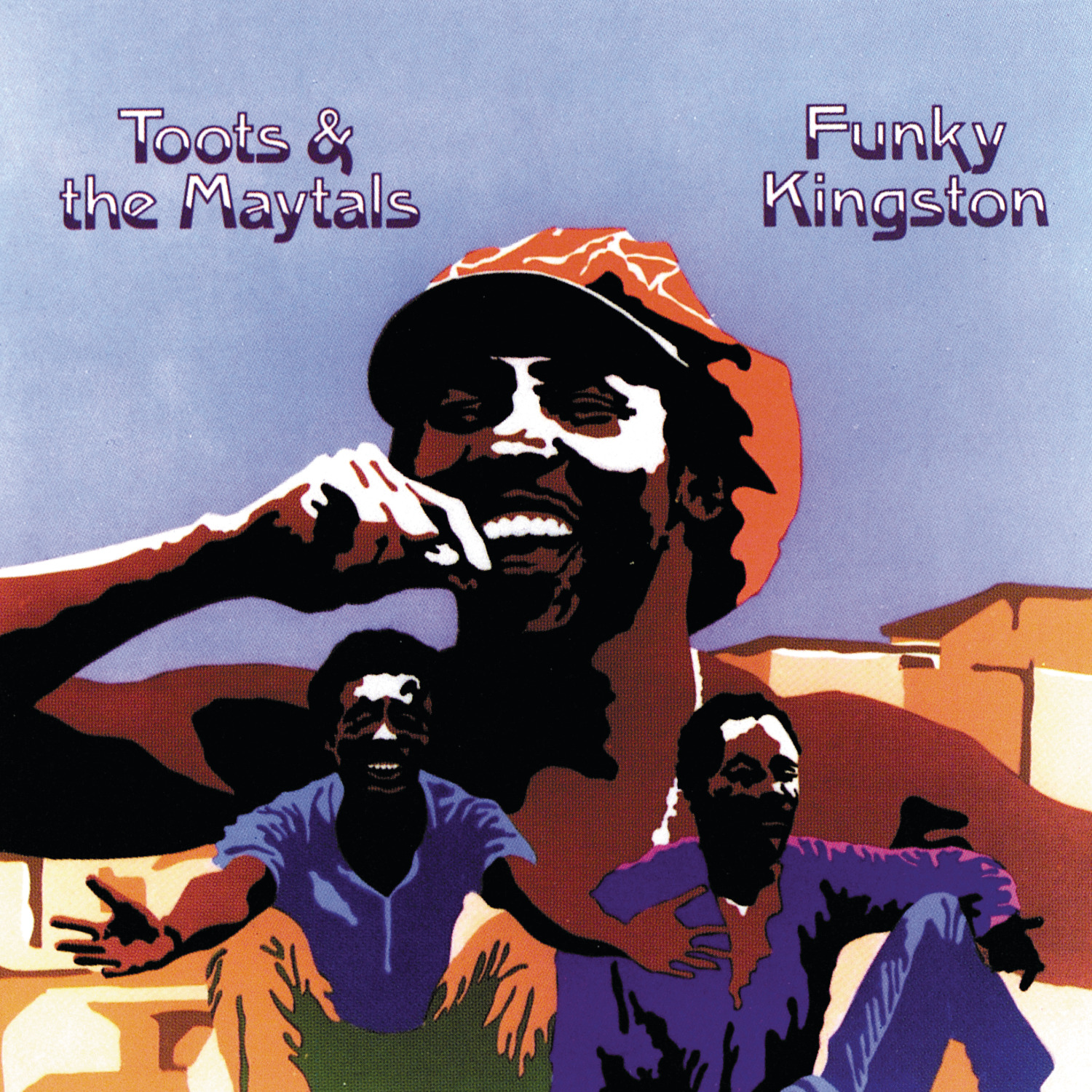
2. Toots and the Maytals – Funky Kingston (1973)
“Almost heaven, West Jamaica / True ridge mountains, shining down the river…”
Recorded primarily at Kingston’s legendary Dynamic Sounds facility and steered by producers Warwick Lyn, Dave Bloxham, and Island founder Chris Blackwell, Funky Kingston was a definitive full-length artistic statement from Toots Hibbert, Raleigh Gordon, and Jerry Matthias. Long before this release, the trio had established themselves as veterans of Clement “Coxsone” Dodd’s Studio One—Jamaica’s first Black-owned recording studio, founded in Kingston in 1963. There, they helped refine the transition from ska to rocksteady, and eventually christened a genre with their defining track, "Do the Reggay."
Fronted by Hibbert’s soaring, church-trained vocals and backed by a razor-sharp rhythm section, Funky Kingston subtly wove elements of American soul, funk, and country music into its foundation. This cross-pollination expanded reggae’s global appeal, effortlessly capturing audiences who might not have realized they desperately needed an infectious, roots-infused reggae cover of John Denver’s "Country Road."
3. Marcia Griffiths – Sweet and Nice (1974)
Originally issued in Jamaica under its native title, Play Me Sweet and Nice, Marcia Griffiths’ 1974 solo debut occupies a crucial, transitional space between classic rocksteady, deep soul-reggae, and the nascent language of lovers rock.
The album’s profound significance to sound system culture lies in its dynamic versatility; its romantic, smooth vocal cuts provided essential atmospheric relief, cooling down dances after punishing sets of heavy roots and experimental dub records. Griffiths’ career was forged in the creative fires of Coxsone Dodd’s Studio One—often heralded as the Motown of Jamaica—before she formed the legendary vocal duo Bob and Marcia alongside Bob Andy. Their international breakthrough, a reggae-fied reimagining of Nina Simone’s "Young, Gifted and Black" released via Trojan Records, proved that Jamaican arrangement techniques could radically transform the global soul landscape.
Remarkably, the same year her debut dropped, Griffiths joined forces with Rita Marley and Judy Mowatt to form the I-Threes. As one of reggae’s most revered all-female vocal collectives, their peerless harmonies provided the ethereal backdrop for Bob Marley & The Wailers, cementing Griffiths as a living legend and an indispensable pillar of a genre historically dominated by men.
4. King Tubby – Dub From The Roots (1975)
"Reggae enthusiasts might debate extensively who is the forefather of dub, but it’s inarguable that King Tubby, if not the creator of dub, is at the very least one of its most valuable innovators."
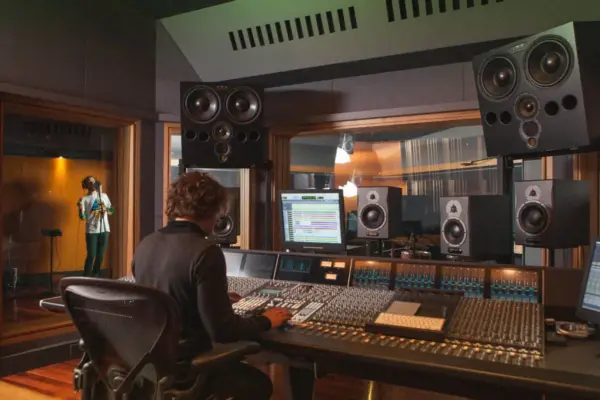
Osbourne Ruddock—universally known as King Tubby—performed a revolutionary alchemy, transforming the studio mixing desk from a mere recording tool into an autonomous, expressive instrument. Tubby systematically stripped classic reggae tracks down to their bare rhythmic foundations, rebuilding them in real-time through the aggressive manipulation of spring reverb, tape delay, echo, and sudden, dramatic dropouts.
Dub from The Roots serves as a textbook showcase of this radical methodology. The final mixes feel inherently live, unstable, and deeply psychotropic. Tubby’s revolutionary studio wizardry was inextricably linked to Jamaican sound system culture; dub versions originally emerged from the instrumental "version" sides of 7-inch singles, granting local sound system selectors exclusive, custom material and giving visiting deejays expansive sonic landscapes over which to toast. Tubby’s techniques not only redefined sound system performances but directly authored the blueprints for modern remix culture, heavily influencing hip-hop, post-punk, and contemporary electronic dance music.
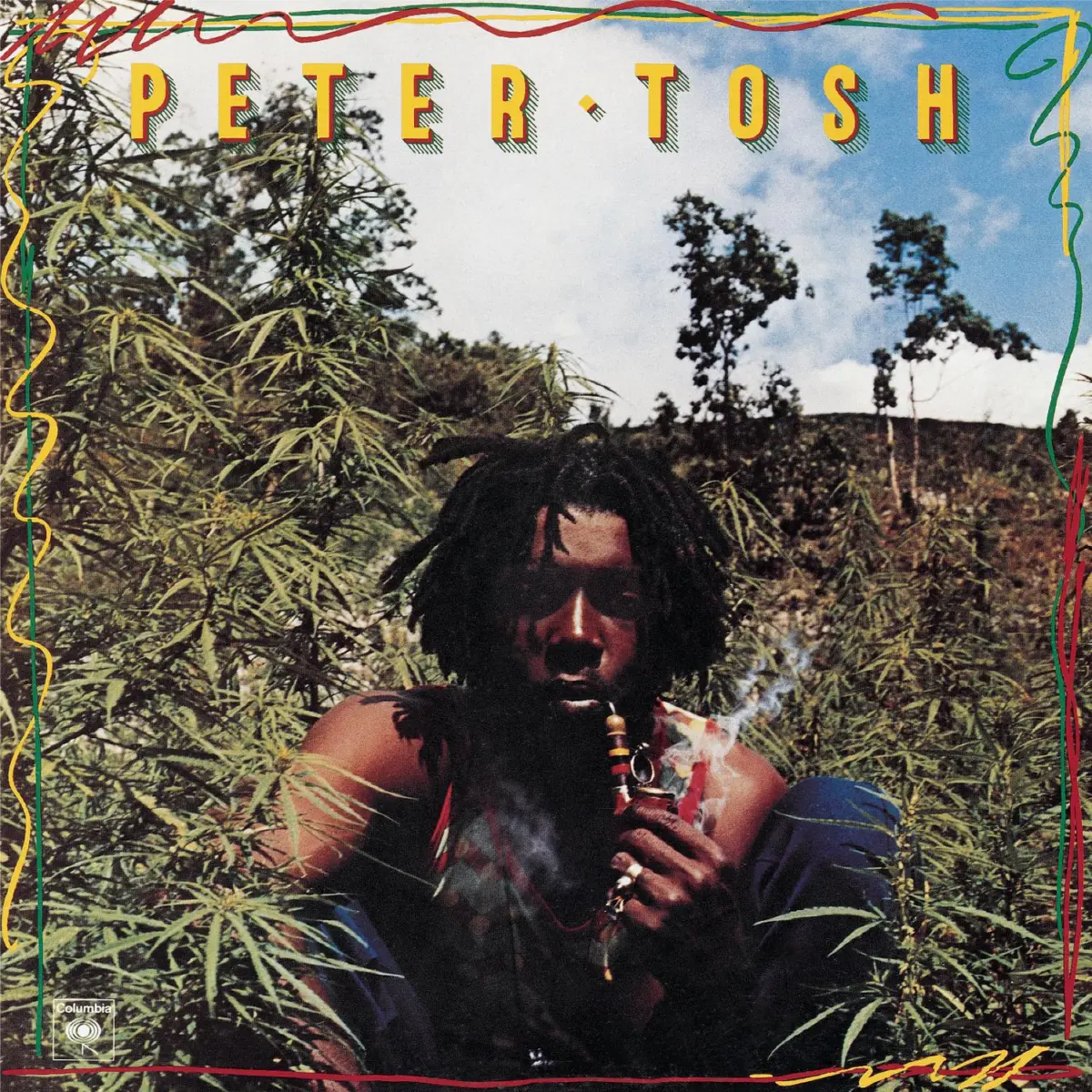
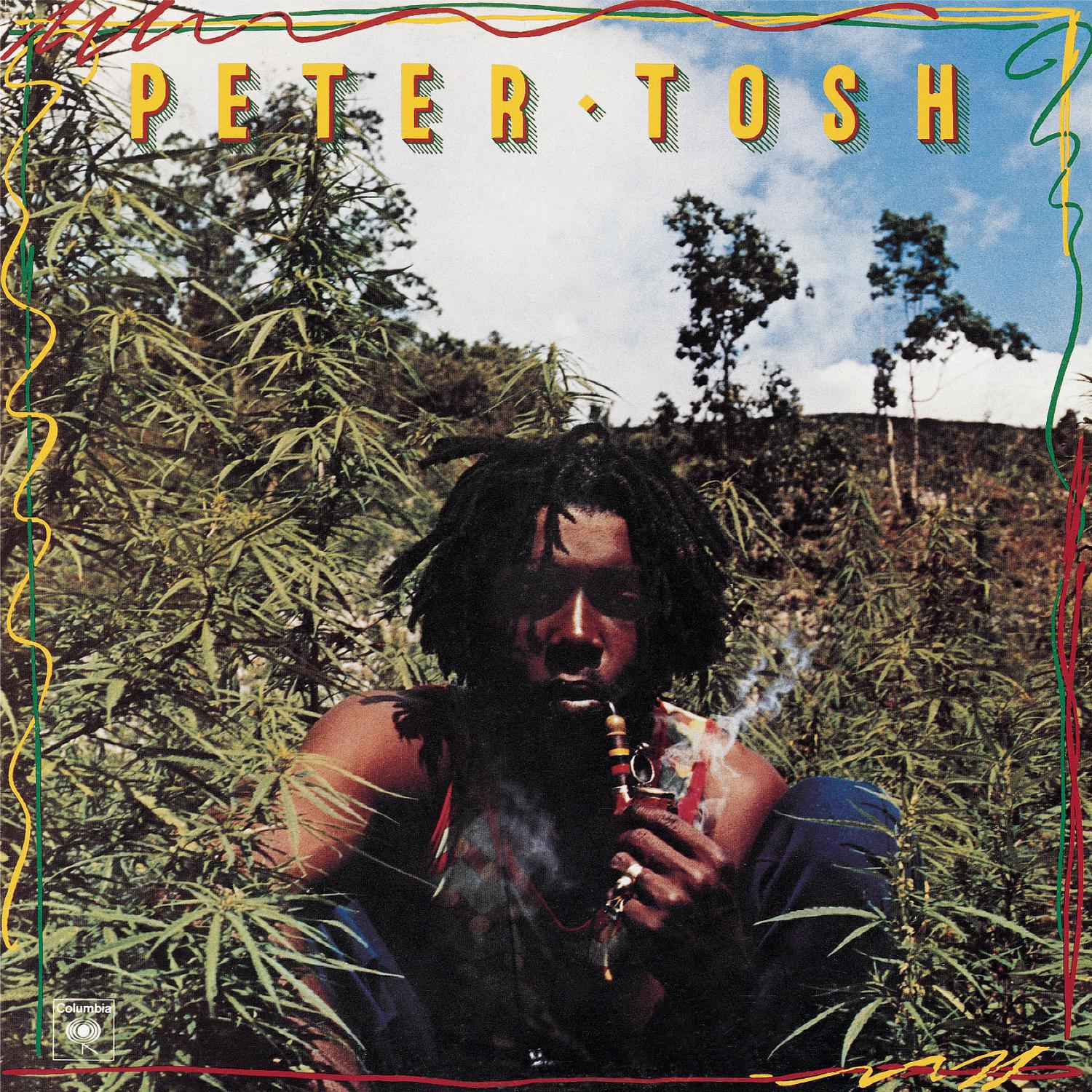
5. Peter Tosh – Legalize It (1976)
Having honed his distinctive vocal harmonies alongside Bob Marley and Bunny Wailer in the original Wailers lineup, Peter Tosh recorded early material for Studio One before passing through the eccentric creative orbit of Lee "Scratch" Perry and ultimately signing to Chris Blackwell’s Island Records. When the foundational Wailers trio fractured, Tosh launched a fierce solo career.
His debut solo outing proved to be quintessential sound system material, driven by an unapologetically defiant spirit that directly confronted corrupt drug laws, systemic racism, and political corruption. Dubbed the "Stepping Razor" for his razor-sharp, uncompromising lyrics, Tosh was a tireless advocate for human rights and an outspoken critic of police brutality.
Tragically, this uncompromising loudness made him a target, culminating in his brutal murder by intruders at his Kingston home. Upon its initial release, Legalize It was banned in Jamaica due to its explicit political advocacy for the decriminalization of cannabis. Paradoxically, this state-sponsored censorship only amplified the album’s subversive cultural capital, transforming the title track into a timeless, global anthem for personal sovereignty and civil liberty.
6. Lee "Scratch" Perry and the Upsetters – Super Ape (1976)
Lee "Scratch" Perry understood how to trick a recording studio into behaving like a living, breathing sound system. Crafted entirely within the mystical confines of his legendary Black Ark studio and officially credited to his backing band, the Upsetters, Super Ape is a masterclass in spatial sound design, balancing heavy basslines, sparse drums, organic percussion, eerie vocal fragments, and idiosyncratic tape effects.
On tracks like "Croaking Lizard," Perry ingeniously reworks his own previous production work for Max Romeo—specifically the landmark single "Chase the Devil," a rhythm later immortalized in British rave culture when sampled by The Prodigy on their 1992 crossover anthem "Out Of Space."
Perry performed his master mixes dynamically at the mixing console, dropping instruments in and out of the mix precisely like a sound system selector manipulating exclusive dubplates, microphone chatter, and echo chambers during a live dance. His visionary deployment of tape saturation, spring reverb, and recycled rhythms anticipated the production ethics of hip-hop, trip-hop, jungle, and dubstep. Yet, its core operational philosophy remained rooted entirely in Jamaican sound system traditions: the audio engineer as an active, premier performing artist.
7. Bob Marley and the Wailers – Exodus (1977)
Compiled and recorded in the immediate aftermath of a politically motivated 1976 assassination attempt on Bob Marley’s life in Kingston, Exodus is conceptually an album centered on profound physical and spiritual displacement, yet it paradoxically radiates immense communal joy and resilience.
Exodus successfully propelled roots reggae directly into major rock arenas, international stadiums, and mainstream radio rotation. The hypnotic title track remains an absolute masterclass in dance floor dynamics—bass-led and saturated with irresistible physical momentum. Elsewhere, tracks like "Jamming" explicitly celebrate the unifying power of communal music-making, while "Waiting in Vain," "Three Little Birds," and "One Love/People Get Ready" demonstrated how a single ensemble could effortlessly bridge the gaps between militant roots, smooth romance, and universal pop accessibility.
Supported once again by the celestial vocal arrangements of the I-Threes (Rita Marley, Marcia Griffiths, and Judy Mowatt), Exodus stands tall as Marley’s definitive global masterpiece, etching his status in stone as reggae’s ultimate international ambassador.
8. Dr Alimantado – Best Dressed Chicken in Town (1978)
Winston Thompson, professionally known as Dr Alimantado, operated as a visionary deejay rather than a conventional melodic singer, constructing his compelling performances through boasts, sharp social commentary, wry humor, and rhythmic speech patterns.
Best Dressed Chicken in Town collects vital singles recorded across Jamaican studios between 1972 and 1978. The personnel involved reads like a who’s who of reggae royalty: the master tapes passed through Black Ark, Channel One, Randy’s, and King Tubby’s studio, featuring vocal contributions from heavyweights like Horace Andy (frequent collaborator with trip-hop pioneers Massive Attack), John Holt, and Gregory Isaacs. The title track brilliantly reimagines Horace Andy’s sorrowful version of "Ain’t No Sunshine." This cyclical process—a producer cutting a fresh rhythm, a vocalist voicing it, and an engineer dubbing it out—was the engine that drove Jamaican sound system innovation.
Released as the inaugural full-length LP for Greensleeves Records—the West London record shop-turned-label that would go on to distribute essential works by Yellowman, Eek-A-Mouse, Barrington Levy, Scientist, and Augustus Pablo—the album bridged Jamaican dancehall culture with London’s exploding punk underground. Alimantado was a frequent visitor to the original Rough Trade West store on Kensington Park Road, physically dropping off his own pressings to be sold behind the counter, a historic connection celebrated in Rough Trade’s 50th Anniversary vinyl series.
9. The Slits – Cut (1979)
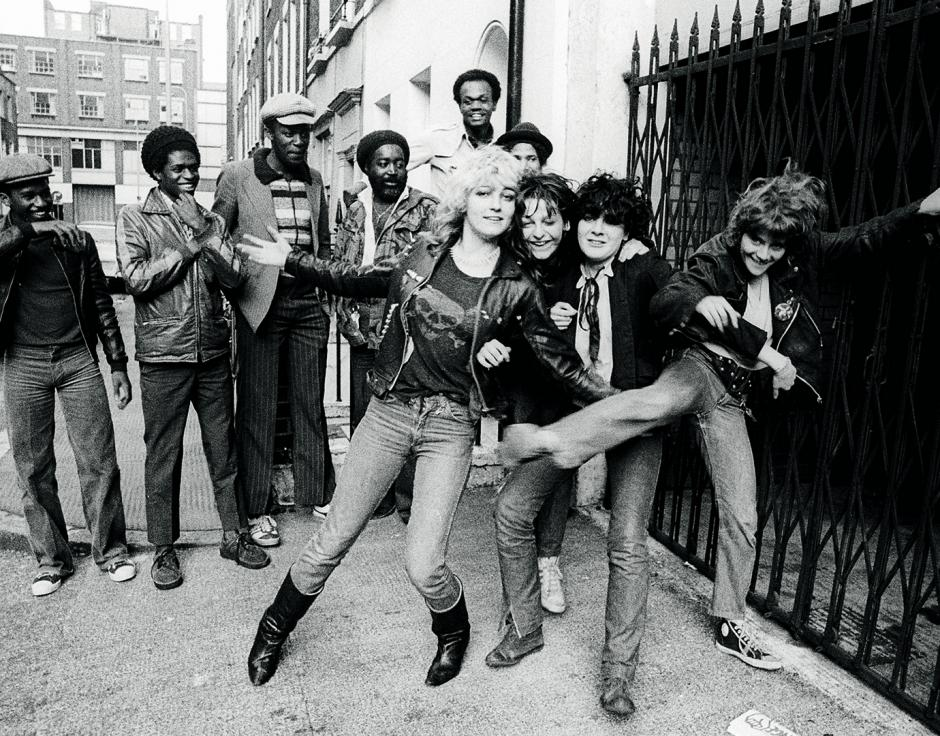
While Cut is not strictly a traditional Jamaican reggae album, it stands as one of the most transparent, brilliant manifestations of sound system culture actively remaking British post-punk. Comprising Ari Up, Viv Albertine, and Tessa Pollitt—joined in the studio by inventive drummer Budgie—The Slits emerged directly from London’s radical punk collective alongside The Clash, The Sex Pistols, and the participants of the 1977 White Riot tour. By the time they recorded their debut LP, however, they had expanded far beyond standard punk parameters, discovering the power of syncopation, space, and deep bass through reggae.
Cut simply could not exist without Dennis Bovell: master producer, dub pioneer, core member of Matumbi, and the chief architect of British lovers rock via his historic work with vocalists like Janet Kay (singer of the iconic lovers rock anthem "Silly Games"). Bovell approached the band using production techniques directly inherited from Jamaican sound systems, rendering the basslines melodic and dominant, while wrapping drums and vocal tracks in dense veils of tape echo and spatial delay.
As guitarist Viv Albertine recalled to The Guardian in 2013:
"Dennis [Bovell] corralled us into shape and tidied up all the ends, but without trampling on creativity. It was so rare for a man in the 1970s to put himself inside the heads and hearts of four crazy young women."
10. Sister Nancy – One Two (1982)
“I’m a lady, I’m not a man / MC is my ambition…”
Recorded at Kingston’s legendary Channel One studios—the namesake for the famed UK sound system established in London in 1979 by brothers Mikey Dread and Jah T—One Two perfectly captures the crucial transition from roots reggae into the punchy, electronic-laced rhythms of early dancehall. Sister Nancy (born Ophlin Russell) learned her craft operating around live sound systems alongside her brother, Brigadier Jerry, one of the most formidable mic controllers associated with the legendary Jah Love Muzik sound system.
Stepping into a fiercely male-dominated musical environment, Sister Nancy established herself as a profoundly inspirational figure, proving definitively that a woman could command a sound system dance just as powerfully as her male counterparts. The album’s crown jewel, "Bam Bam," birthed a foundational riddim that would eventually underpin hundreds of subsequent recordings, embedding itself permanently into hip-hop, electronic dance music, and global club culture as one of the most heavily sampled reggae tracks in history.
Supporting Context & Metrics
The survival and evolution of reggae and sound system culture in the United Kingdom cannot be understood without examining the socio-political landscape of post-war Britain. When Caribbean immigrants arrived aboard the Empire Windrush in 1948, they brought with them not only their labor and resilience, but their deep-seated cultural traditions. Among the most potent of these was the sound system—a mobile, community-owned broadcasting apparatus that served as a vital social nucleus.
These cultural hubs frequently intersected with local alternative movements, most notably during the birth of British punk in the mid-1970s. Independent record shops such as Rough Trade, which opened its doors on Kensington Park Road in West London in 1976, sat at the bleeding edge of this multicultural counterculture. Located in Notting Hill and Ladbroke Grove, the shop shared streets and stages with Caribbean communities, political activists, and anti-racist punk musicians.
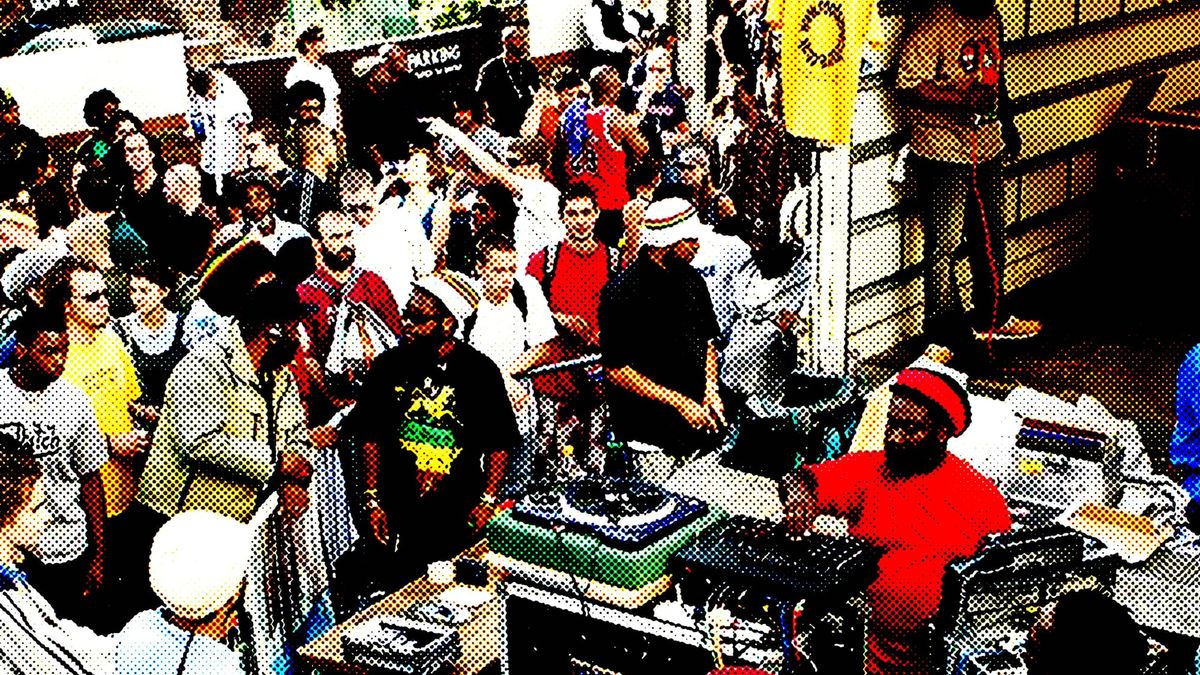
The annual Notting Hill Carnival—which celebrates its landmark 60th anniversary in 2026—remains deeply rooted in both celebratory cultural expression and fierce political resistance. The carnival emerged as a direct response to the intense racial tensions of 1950s Britain, which tragically culminated in the racially motivated murder of Antiguan carpenter Kelso Cochrane in Notting Hill in 1959. Over the decades, towering sound systems—such as Aba Shanti-I’s legendary rig, a resident of Notting Hill Carnival since 1993—have been conscientiously passed down to younger generations. This generational transfer of knowledge ensures that Caribbean culture continues to fundamentally shape, challenge, and enrich modern British artistic life.
Official Statements & Testimonials
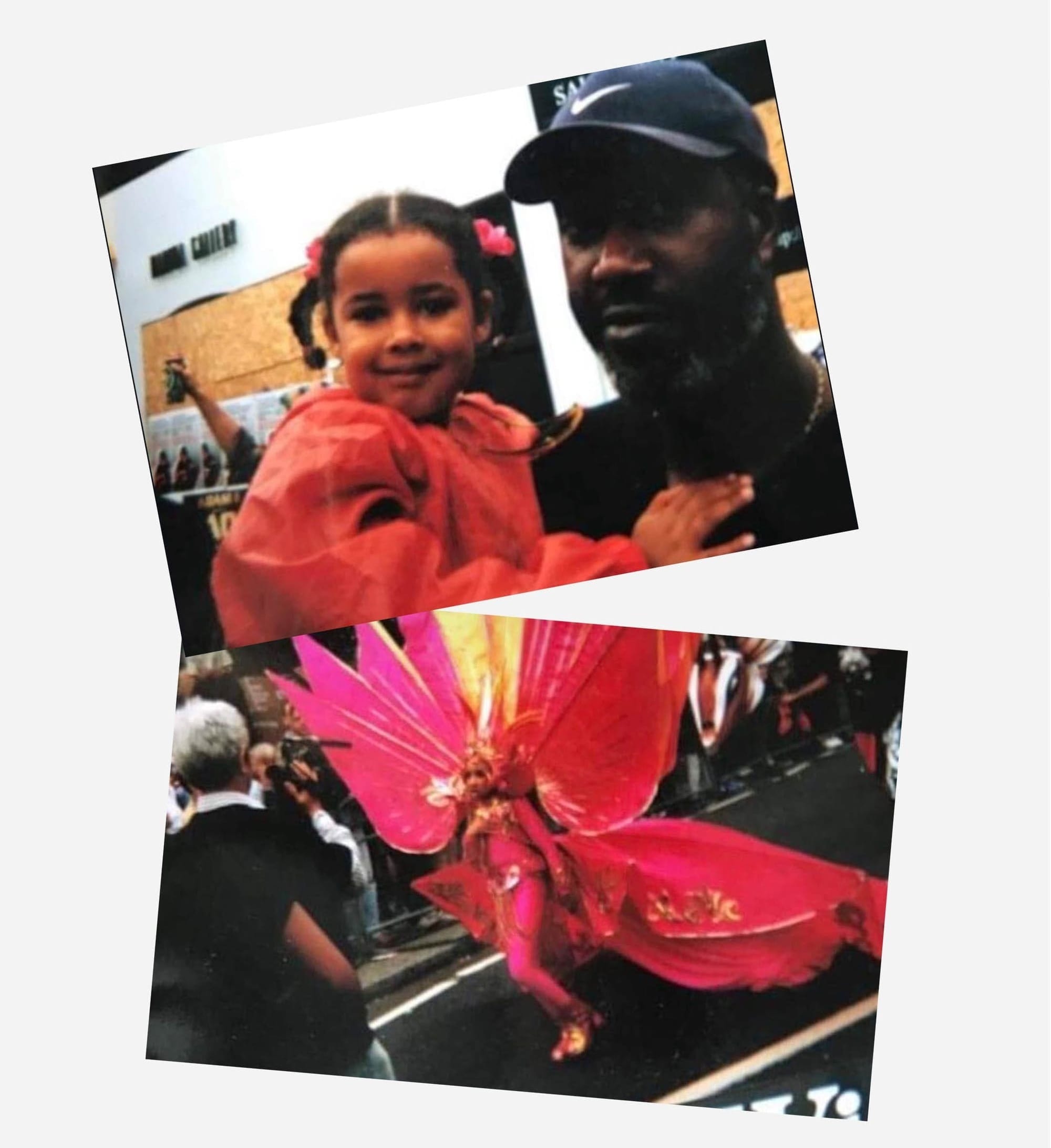
Reflecting on the physical and cultural impact of sound system culture, Georgia Mulraine, Marketing and Content Manager, shares her lifelong connection to the movement:
"I have hazy memories of going to my first carnival aged 5, tooting on whistles with coloured straps and being carried around to avoid being trampled on by the crowds as a small person. I was amazed by the parades, the bright, colour-themed crews with people in satin, feathers and headdresses… Over two decades on, I am still heading to Carnival (now being able to walk on my own two feet), usually settling in at East Row to see British reggae and dub icon Aba Shanti-I operate his legendary sound system. The volume is not for the fainthearted, but I truly believe there’s not much better feeling than physical bass so heavy it moves through your entire body rather than just your ears."
This visceral connection to the music echoes the sentiments of the pioneers who built the genre. As dub innovator King Tubby and his contemporaries proved, the mixing console was never a passive recording instrument; it was an extension of the human nervous system designed to translate frequencies into physical liberation.
Future Outlook
As sound system culture approaches its ninth decade of continuous global evolution, its DNA is more pervasive than ever. The foundational techniques pioneered in Kingston’s 1940s dancehalls—reclaimed frequencies, spatial audio manipulation, heavy bass optimization, and the elevation of the selector and engineer to primary artists—now underpin virtually every modern electronic genre, from grime and dubstep to global club riddims and hip-hop.
The upcoming 60th anniversary of the Notting Hill Carnival serves as both a monument to historical survival and a vital warning against cultural amnesia. As towering sound systems continue to rattle the asphalt of West London and beyond, they carry the heavy responsibility of reminding new generations that Caribbean music and its associated technologies did not merely soundtrack history—they actively forged the modern multicultural landscape. The axiom remains immutable and deafeningly true: The only good system is a sound system.