Executive Overview
For centuries, a luxury timepiece has transcended its primary utility of tracking hours and minutes. It stands as an enduring testament to human ingenuity, meticulous horological history, exceptional craftsmanship, and deeply personal milestones. Today, the secondary market—commonly referred to as the pre-owned luxury watch sector—has evolved from a shadowy network of niche dealers and dusty antique shops into a multi-billion-dollar global industry. Driven by digital transparency, authenticated platforms, and a surging appetite for discontinued or hard-to-find models, buying pre-owned has unlocked access to some of the world’s most coveted mechanical art.
However, entering this market requires more than a casual glance at online listings and a ready credit card. As counterfeiters become increasingly sophisticated and secondary market pricing fluctuates, the modern buyer must navigate a complex landscape of reference numbers, unpolished cases, service histories, and seller credibility. This comprehensive investigative guide explores the anatomy of the pre-owned luxury watch market, breaking down the critical steps, analytical frameworks, and expert strategies required to make a confident, secure, and deeply rewarding acquisition.
Detailed Chronology: The Lifecycle of a Pre-Owned Luxury Acquisition
Purchasing a pre-owned timepiece is rarely an impulse decision; rather, it is a methodical journey that moves from conceptual desire to physical verification. Understanding the chronological phases of this process is essential for mitigating risk and ensuring long-term satisfaction.
Phase 1: Conceptualization and Budgetary Realization
The journey begins well before browsing marketplaces. It starts with defining the psychological and financial parameters of the purchase. A prospective buyer must distinguish between a casual desire and an informed pursuit.
- The Total Cost of Ownership: A budget must never be confined to the sticker price. Buyers must factor in ancillary costs, including insured shipping, regional import taxes, potential immediate servicing fees, and aftermarket accessories.
- Discretionary Capital: Financial advisors universally recommend purchasing luxury timepieces strictly with discretionary funds. Treating watches as guaranteed investment vehicles is a dangerous fallacy; while certain stainless-steel sports models have historically appreciated, future market performance is never guaranteed.
Phase 2: Micro-Research and Reference Number Mastery
Once a general style or brand is selected, the investigative phase shifts to the granular level: the exact reference number.
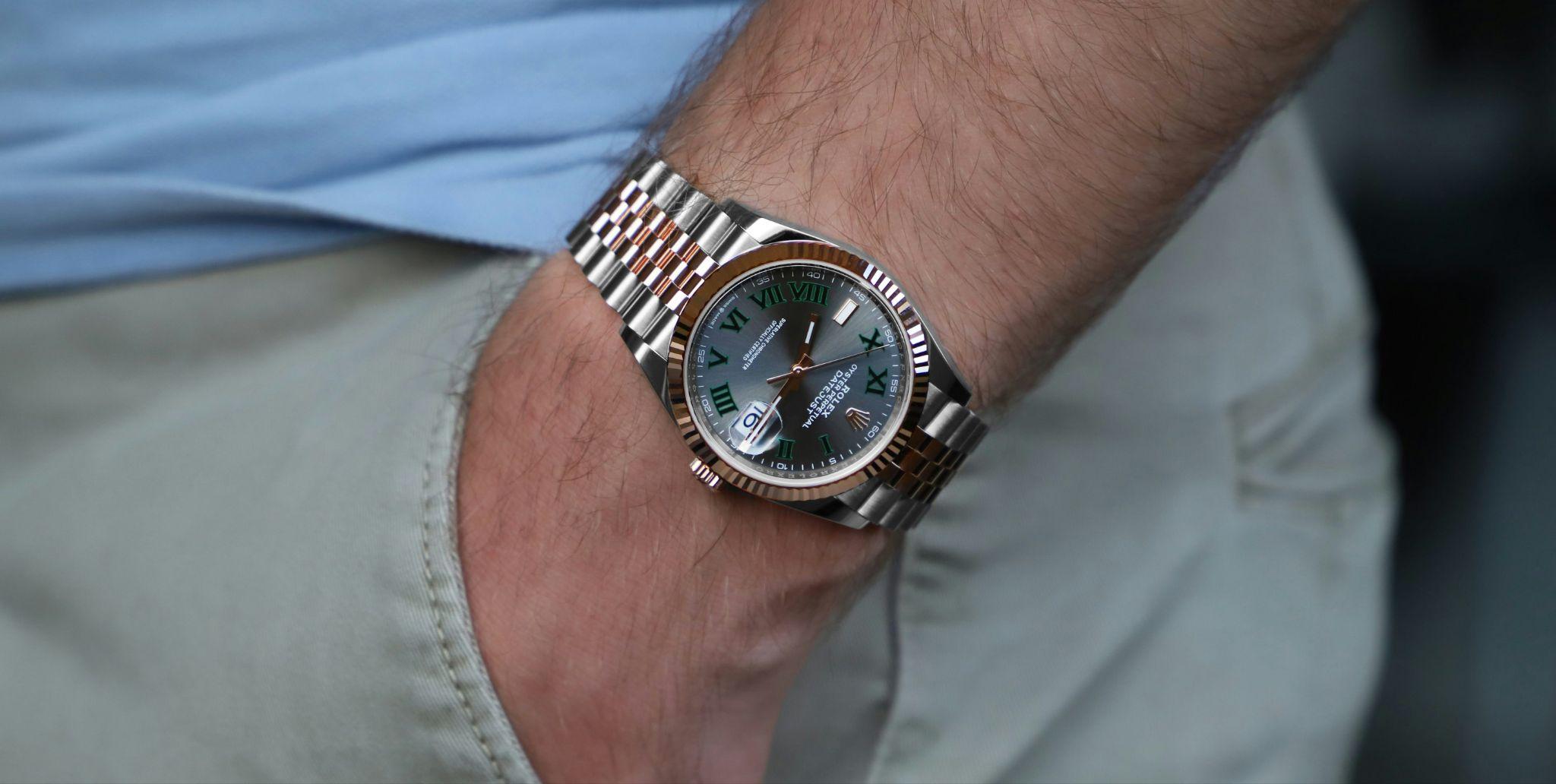
- Deconstructing Variations: A single watch family (such as the Omega Seamaster or Rolex Datejust) may span decades, housing dozens of variations across materials, dial configurations, bezel types, and internal movements.
- Visual Benchmarking: Collectors must study high-resolution photographs of verified, factory-original examples. Every detail—from the font weight of the dial printing and the shape of the hour markers to the finishing on the case flanks—must be committed to memory to spot after-market modifications or "Frankenwatches" (timepieces built from mismatched components).
Phase 3: Market Mapping and Comparative Analysis
Armed with a precise specification, the buyer scours reputable secondary market platforms, auction houses, and trusted independent dealers.
- Price Discovery: Comparing equivalent models across multiple vendors establishes a baseline for fair market value. It exposes pricing anomalies—an unusually low price often signals hidden mechanical issues, replaced parts, or outright fraud, while inflated prices require robust justification (such as a recent factory service or an ultra-rare "full set").
Phase 4: Seller Vetting and Transaction Execution
With a target identified, the focus pivots entirely to the counterparty.
- Reputation Over Convenience: Scrutinizing the seller’s commercial history, return policies, warranty terms, and independent reviews is non-negotiable.
- Secure Infrastructure: Transactions should utilize protected payment rails, such as recognized escrow services or credit cards offering robust fraud protection, steering clear of irreversible bank wires to unknown private entities.
Phase 5: Post-Arrival Inspection and Authentication
The final milestone occurs when the parcel arrives. The buyer must execute a methodical, well-lit unboxing and inspection.
- Physical Verification: The watch is cross-referenced against the original listing description and photographs. Functions are tested gently, seals and crowns are examined for smooth operation, and, when feasible, the piece is taken to a certified horologist for movement and structural authentication.
Supporting Context & Metrics: The Economics of the Secondary Market
To fully grasp the dynamics of buying pre-owned, one must examine the macroeconomic factors governing the luxury watch ecosystem. Over the past decade, the secondary market has undergone a structural transformation, catalyzed by institutional investment, shifting consumer demographics, and the digital migration of traditional brick-and-mortar retail.
The Depreciation Curve and Value Retention
Traditionally, luxury goods experienced immediate depreciation upon leaving the authorized dealer’s showroom floor—much like a new automobile. However, shifting supply chains, constrained production volumes from elite manufactures (such as Rolex, Audemars Piguet, and Patek Philippe), and soaring global demand have disrupted this historical curve.
- The "Hype" vs. "Classic" Divide: While hyper-exclusive sports steel models command premiums on the secondary market, classic dress watches in precious metals often follow traditional depreciation patterns. This creates an asymmetric opportunity for savvy buyers: while speculators chase overvalued stainless-steel sport models, knowledgeable enthusiasts can acquire masterfully crafted gold dress watches from prestigious houses (like Breguet, Vacheron Constantin, or Jaeger-LeCoultre) on the secondary market at substantial discounts to their original retail prices.
The Condition Matrix: How Wear Affects Valuation
In the secondary market, condition is currency. Unlike commodities where units are entirely interchangeable, every pre-owned watch carries a distinct physical history. Market metrics indicate that price differentials between identical reference numbers can easily swing by 30% to 50% based entirely on condition metrics:
| Condition Grade | Description | Valuation Impact |
|---|---|---|
| New Old Stock (NOS) / Unworn | Pristine factory condition, often with original case stickers intact. | Commands top-tier collector premiums. |
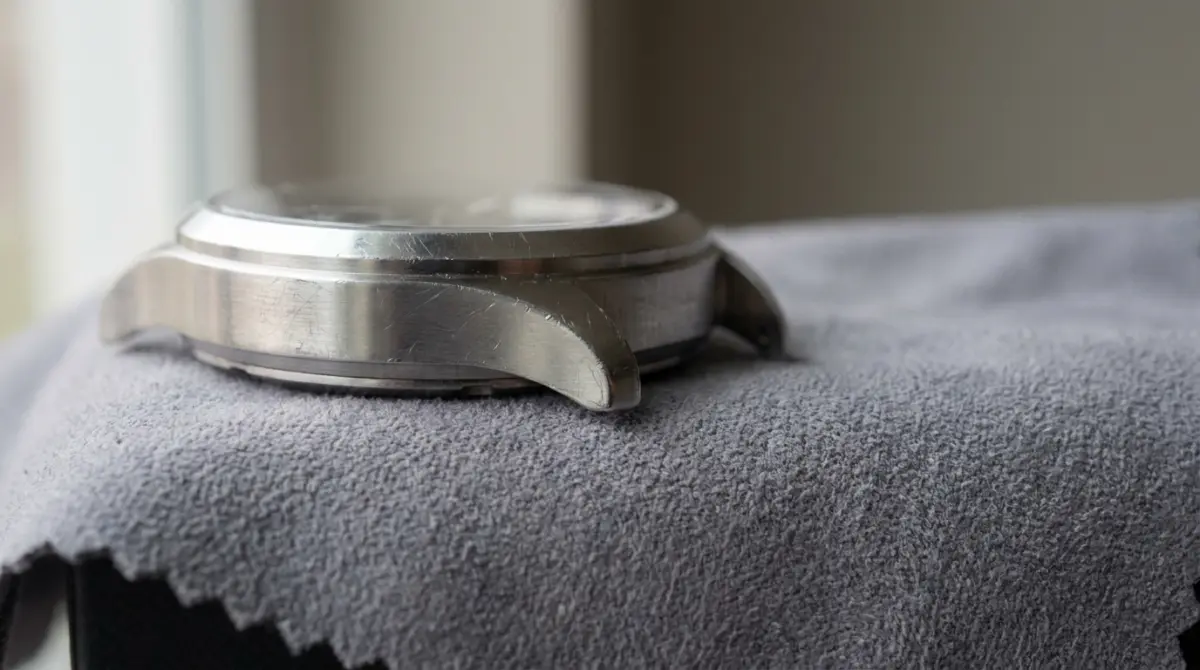
| Mint / Excellent | Minor, microscopic hairline scratches from very light wear; unpolished case. | Baseline market value for standard pre-owned. |
| Good / Fair | Visible scratches, minor dings, or signs of regular daily wear. Original lines maintained. | Moderate discount; highly attractive for daily wearers. |
| Over-Polished / Compromised | Excessive machining has softened case bevels, rounded sharp edges, or altered original geometries. | Significant price penalty; avoided by purists. |
| Damaged / Compromised Integrity | Deep corrosion, moisture ingress, dial water spots, or non-original replacement components. | Substantial devaluation; requires extensive costly intervention. |
Official Industry Insights & Expert Perspectives
Navigating the pre-owned landscape requires listening to those who manage the trade daily—master watchmakers, certified appraisers, and industry historians. Their official guidance emphasizes a conservative, highly analytical approach to acquisition.
The Hazard of Counterfeits and the Limits of Documentation
According to horological security experts and luxury goods watchdogs, counterfeiting has graduated from crude street-corner knockoffs to terrifyingly accurate "super-fakes." These modern replicas often utilize genuine materials, feature working complications, and can even fool an untrained eye through a display case back.
"A serial number on a warranty card or engraved between the lugs is no longer a definitive guarantee of authenticity," notes a leading international luxury watch authenticator. "In an era where laser-welding, computer-numerical-control (CNC) machining, and counterfeit papers are industrialized, true verification requires evaluating the micro-finishing of the movement bridge, the torque of the gear trains, and the metallurgical composition of the case. Buyers must purchase the seller just as much as they purchase the watch."
The Ethics and Risks of Polishing
Another critical perspective from master watchmakers centers around cosmetic restoration. While a polished watch may look visually appealing to an uninitiated buyer, purists view aggressive polishing as an irreversible sin.
"A watch case tells a story," explains a veteran independent watchmaker with decades of restoration experience. "Every scratch is a chapter of its life. When a seller aggressively buffs a case to make it look ‘brand new,’ they strip away the factory geometry—the razor-sharp bevels, the crisp brushing lines, and the deep stampings. Once metal is removed, it can never be put back. True collectors prize an unpolished watch with honest wear far above a poorly polished mirror-finish example."
Future Outlook: The Next Horizon in Pre-Owned Horology
As we look toward the future, the pre-owned luxury watch market is poised for continued maturation, technological disruption, and evolving consumer expectations. Several key trends will define how enthusiasts buy, sell, and preserve fine timepieces in the years to come.
Blockchain, Digital Passports, and Provenance Tracking
The integration of immutable digital ledgers and cryptographic digital passports is transforming how provenance is recorded. Forward-thinking brands and secondary market platforms are increasingly adopting blockchain-based certificates of authenticity. These digital footprints track a watch’s service history, ownership chain of custody, and parts replacement across its entire lifecycle. This technological leap promises to drastically reduce the prevalence of stolen goods and fake paperwork, instilling unprecedented confidence in remote transactions.
The Rise of Certified Pre-Owned (CPO) Programs by Manufactures
For decades, Swiss watchmaking conglomerates largely ignored or distanced themselves from the secondary market. However, industry giants—including Rolex, Omega, and Cartier—have launched aggressive official Certified Pre-Owned (CPO) initiatives. By authenticating, servicing, and re-issuing their own vintage and pre-owned pieces directly through authorized dealer networks with brand-backed warranties, these manufactures are reshaping consumer trust. While CPO watches often command a price premium compared to independent dealers, they offer a frictionless, zero-risk entry point for mainstream luxury consumers.
Sustainable Luxury and the Circular Economy
Consumer demographics are shifting rapidly toward sustainable consumption. Younger generations of luxury buyers—Millennials and Gen Z—increasingly view circular economy models not as a compromise, but as a preferable, eco-conscious choice. Purchasing a pre-owned mechanical watch, which can last multiple lifetimes with proper maintenance, represents the ultimate expression of sustainable luxury. It bypasses the carbon footprint of new manufacturing while preserving historical artifacts of mechanical engineering.
Conclusion
The world of pre-owned luxury watches is rich, fascinating, and deeply rewarding, provided it is approached with a blend of passion, skepticism, and rigorous education. By understanding what "pre-owned" truly entails, setting a disciplined and realistic budget, investigating reference numbers rather than surface-level brand hype, evaluating the nuances of condition and polishing, and meticulously vetting both the watch and the seller, you position yourself to make an acquisition that will stand the test of time.
Patience remains the ultimate virtue in horological collecting. The perfect timepiece—one that balances aesthetic appeal, historical significance, and mechanical integrity—will inevitably present itself. Take your time, trust the process, and let your journey into the world of pre-owned luxury be defined by informed confidence and lasting enjoyment.