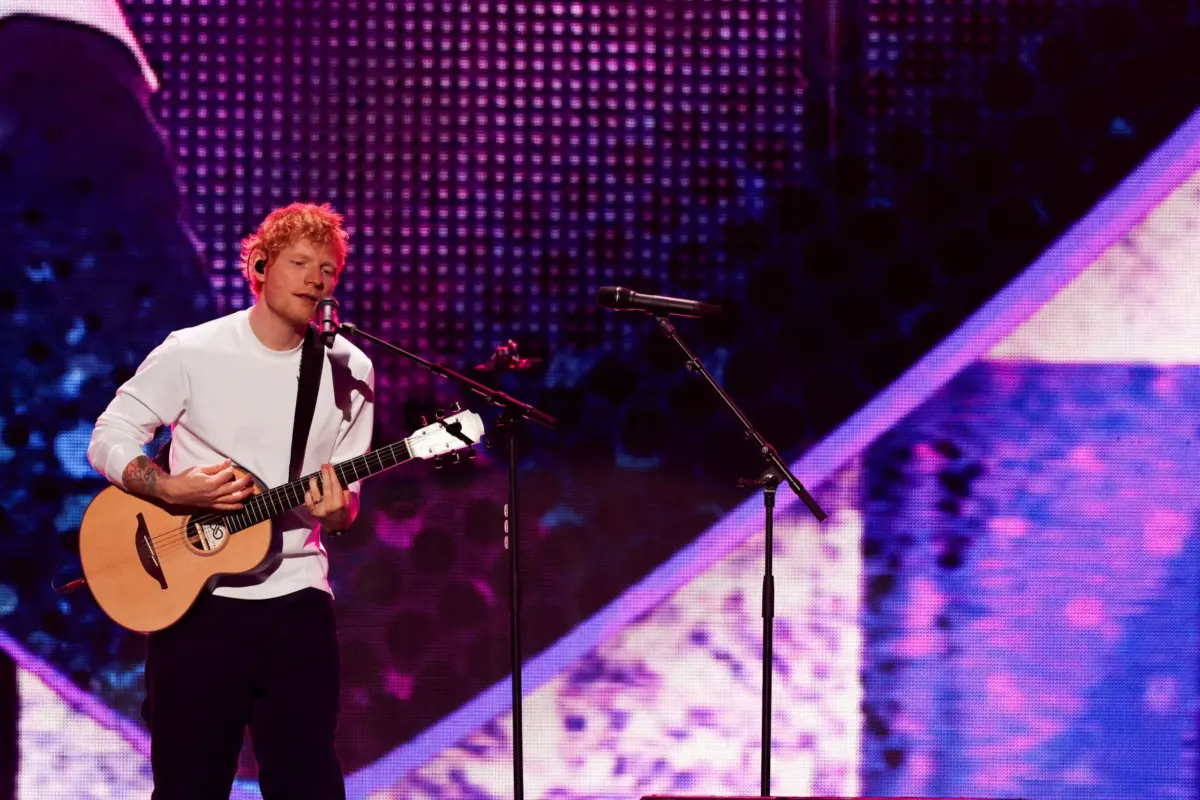
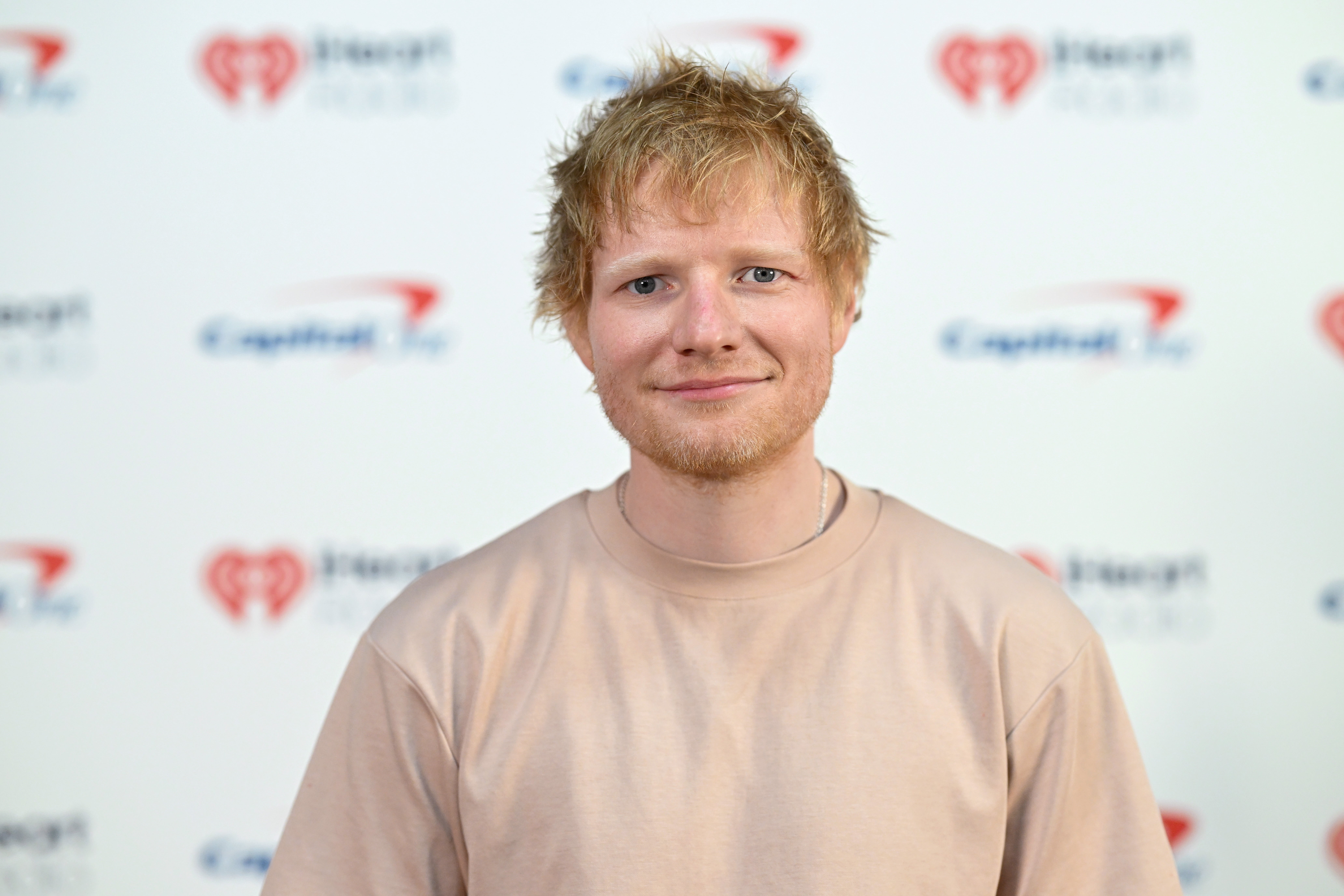
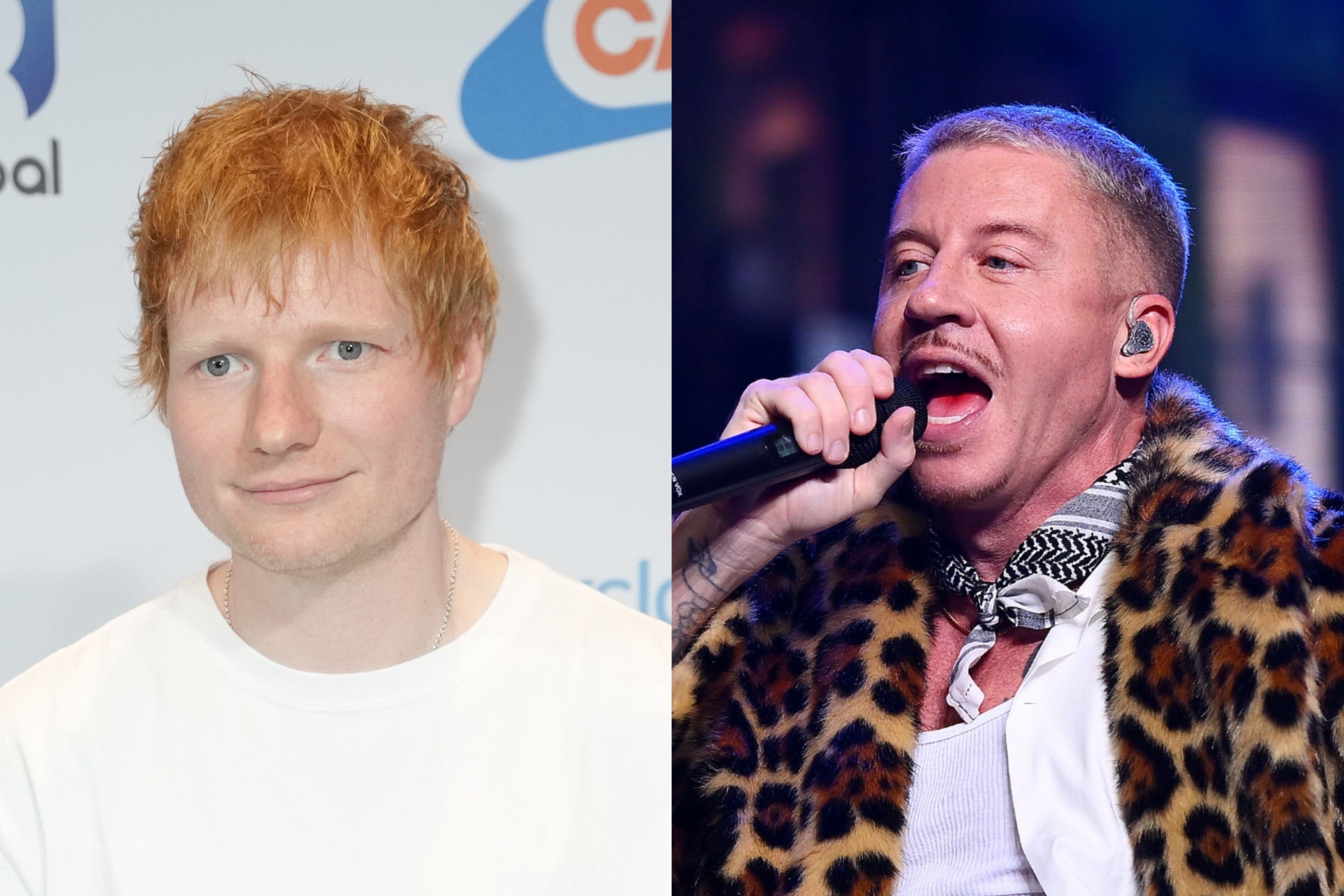
The intersection of contemporary popular music, geopolitical activism, and corporate venue management has rarely collided with such explosive force as the ongoing controversy surrounding Ed Sheeran’s high-profile concert tour. What began as an unscripted political statement by American rapper Macklemore during a September 2024 concert has spiralled into an international crisis that threatens to permanently damage Ed Sheeran’s public reputation, upend standard touring protocols, and force major recording artists to reconsider how they navigate free expression in corporate-controlled mega-venues.
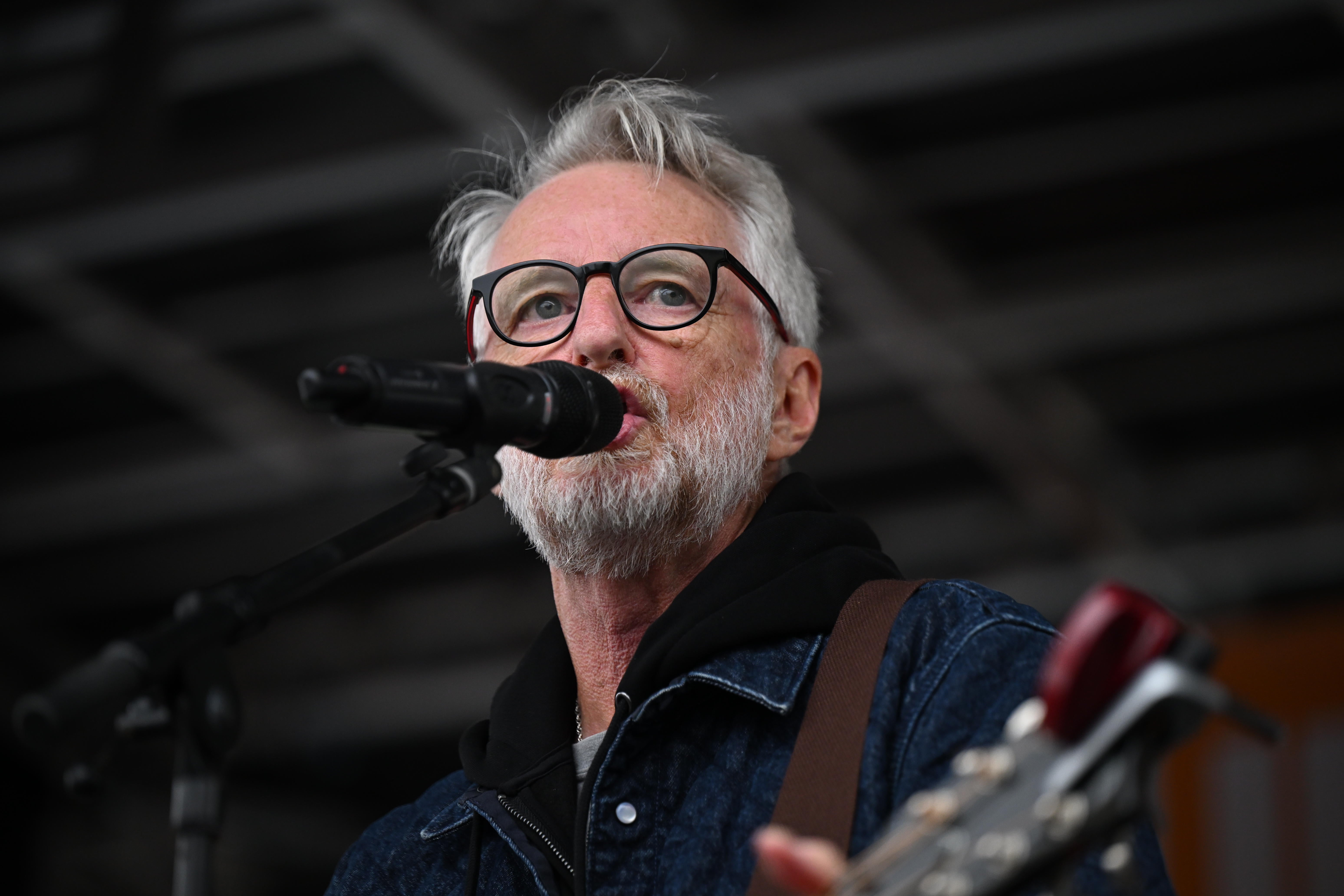
The crisis intensified significantly when veteran British protest singer-songwriter Billy Bragg warned that Sheeran risked becoming a "pariah" within the global music community. Bragg argued that Sheeran should have taken a definitive stand in defense of either Palestinian rights or absolute free speech, rather than allowing billionaire venue owners to dictate the boundaries of discourse at his shows.
At the center of the storm is the abrupt removal of Macklemore—born Benjamin Hammond Haggerty—from the tour’s roster of opening acts. Haggerty’s vocal advocacy for Palestine drew swift retribution from venue executives, most notably Robert Kraft, the billionaire owner of the Gillette Stadium. The subsequent axing of Macklemore triggered a domino effect: a coalition of supporting acts, including Finneas, Lukas Graham, Aaron Rowe, and Sheeran’s long-time touring band Beoga, pulled out of the tour in solidarity.
While Sheeran has defended his apolitical positioning and emphasized his commitment to his crew, supporting musicians, and fans, the fallout has exposed deep structural tensions within the live entertainment industry. With multi-million dollar humanitarian donations attempting to quell the outrage, the future of the tour remains perilous, and the philosophical debate over artistic neutrality versus moral accountability continues to rage unabated.
Detailed Chronology of Events
To understand how a routine stadium tour disintegrated into a geopolitical flashpoint, it is necessary to examine the precise timeline of events that transformed a standard concert stop into an international news story.
The Catalyst: September 4
During a performance on the first Friday of September, US rapper Macklemore took to the stage and addressed the stadium crowd directly. Explaining his motivations for joining the tour, Haggerty stated that a primary goal was to utilize major stadium platforms to amplify a message close to his heart.
"A big part of the reason why I wanted to do this tour in the first place is so I could stand up in stadiums like this and say two words that are very near and dear to my heart: Free Palestine," he told the audience.
He continued, emphasizing the deliberate nature of his words:
"I said, ‘Free Palestine!’ I want those words to be loud and clear, so that people all the way in Gaza to the occupied West Bank know that we have not forgotten about them."
The Backlash and Venue Intervention
Macklemore’s remarks immediately triggered alarm bells among high-profile venue stakeholders. Robert Kraft, billionaire owner of the Gillette Stadium and head of the Messina Touring Group’s primary corporate partners, stepped in. Venue executives threatened to cancel upcoming dates unless the rapper was removed from the bill.
Shortly thereafter, the Messina Touring Group made the executive decision to axe Macklemore from the remainder of the tour. Kraft justified the decision in an official statement, asserting that his venue maintained a "longstanding commitment to providing a welcoming environment for all guests and ensuring that events held at our venue do not provide a platform for hate speech."
The Solidarity Boycott
The expulsion of Macklemore did not go unanswered by fellow artists on the bill. Within days, a wave of solidarity withdrawals swept through the tour.
Finneas, the acclaimed singer-songwriter and producer, announced his withdrawal.
Danish pop-soul band Lukas Graham pulled their performances.
Irish singer-songwriter Aaron Rowe exited the lineup.
Most damagingly for the logistics of the production, the traditional Irish folk group Beoga, who have long served as Sheeran’s foundational touring band, also stepped down in protest.
Billy Bragg Weighs In
On Wednesday, September 16, veteran British political activist and musician Billy Bragg gave an interview to ITV News, sharply criticizing Sheeran’s handling of the situation. Bragg suggested that Sheeran should have cancelled the tour outright rather than submit to corporate censorship. He warned that the episode could permanently tarnish the British pop star’s career and label him a pariah.
Financial Counter-Measures
Seeking to de-escalate the public relations disaster, Macklemore announced he was donating his entire $1 million net earnings from the tour to six humanitarian organizations supporting Palestinians. He subsequently issued a public challenge to Robert Kraft to match philanthropic efforts in the region.
In a subsequent twist, Kraft revealed that Sheeran had contacted him prior to the public challenge, coordinating a joint philanthropic response. Kraft and Sheeran each pledged $2 million toward Palestinian humanitarian relief efforts, with Sheeran vowing to engage other venue owners in ongoing dialogue.
Supporting Context & Metrics: The Anatomy of a Tour Boycott
The economic and logistical impact of the Sheeran tour crisis highlights the vulnerabilities of modern mega-tours. Arena and stadium tours operate on razor-thin margins of coordination, where a disruption of headliners or support acts can cost millions of dollars in insurance, refunds, and lost merchandising revenue.
Financial Breakdown of Relief Pledges and Donations
Macklemore’s Contribution: $1,000,000 (representing his entire net earnings from the tour, directed to six Palestinian aid organizations).
Ed Sheeran’s Pledged Relief: $2,000,000 (allocated to humanitarian aid in the region).
Robert Kraft’s Matched Contribution: $2,000,000 (committed alongside Sheeran to address the humanitarian crisis).
Total Philanthropic Commitment: $5,000,000 across participating parties in an effort to stabilize public sentiment.
Artist Defection Metrics
The tour’s supporting infrastructure suffered catastrophic attrition following the Messina Touring Group’s decision:
Primary Support Acts Lost: 3 (Macklemore, Finneas, Lukas Graham)
Acoustic/Solo Support Lost: 1 (Aaron Rowe)
Core Instrumental Band Withdrawn: 1 (Beoga)
Percentage of Original Support Lineup Impacted: Over 80%
Official Statements and Industry Reactions
The polarization of the music industry regarding Ed Sheeran’s approach has yielded contrasting philosophies on art, politics, and corporate responsibility.
Ed Sheeran’s Defense of Neutrality
Facing intense criticism from both sides of the political spectrum—with some accusing him of cowardice and others of complicity—Sheeran released a comprehensive statement defending his decision to remain on the road and maintain an apolitical public stance:
"I would never let down the fans who had made plans, nor would I abandon the touring crew and the other support acts and musicians who rely on me for work and to make a living," Sheeran stated.
Addressing the accusations of silence, he added:
"I am not complicit. I have my personal views on this devastating conflict. Just because I choose to not speak publicly, it doesn’t mean I don’t have them, and it doesn’t mean I don’t care. Nor does it mean I don’t support causes in my own, personal way."
Defending his philosophy as an entertainer, Sheeran articulated a vision of music as a sanctuary:
"I choose to use my fame and platform to be a place of safety and sanctuary, to maintain diplomacy and keep conversations open, not closed. If we only focus on shouting the loudest, nothing will ever change. There are different approaches to being an advocate for change."
Billy Bragg’s Critique of Corporate Intimidation
In contrast, Billy Bragg argued that neutrality in the face of corporate censorship is a dangerous precedent. Speaking to ITV News, Bragg maintained that the fundamental issue transcended the immediate geopolitical conflict:
"He seems like a nice fella and he entertains a lot of people, and he’s made a great living doing that. This is the sort of issue that could tarnish his career, could make him a pariah of sorts, and it’d be a shame if that happened."
Bragg asserted that Sheeran should have taken a firm stance:
"Sheeran should have commented either in support of Palestine or free speech, because I think that’s the issue here, fundamentally, about the right to express your opinion."
Directly targeting stadium owner Robert Kraft, Bragg accused the billionaire of "trying to intimidate an artist into silence, and that seldom works."
Future Outlook: The Road Ahead for Mega-Tours
As Ed Sheeran prepares for his scheduled performance at the Lincoln Financial Field in Philadelphia, the long-term ramifications of this controversy remain difficult to overstate. The episode has catalyzed a broader reckoning within the global entertainment industry regarding several critical questions:
The Power Dynamics of Venue Ownership: Venue conglomerates and billionaire stadium owners have demonstrated their willingness to exert direct control over artist lineups based on political speech. This development challenges the traditional autonomy historically granted to touring musicians.
The Viability of Apolitical Stances: Sheeran’s argument that avoiding public political commentary preserves safe spaces for diverse audiences is being severely tested by an era where fans and collaborators increasingly demand moral clarity from artists.
The Solidarity Economy: The willingness of supporting acts like Finneas, Lukas Graham, and Beoga to sacrifice lucrative stadium exposure in defense of free expression signals a shift in artist solidarity. Younger and independent musicians are demonstrating a greater appetite for collective action against corporate management.
Whether Sheeran can successfully navigate the remainder of his schedule without further cancellations or reputational damage remains to be seen. However, the cultural landscape of live music has irrevocably shifted; the illusion that major international tours can exist within a vacuum, insulated from global geopolitics and corporate censorship, has been permanently shattered.