Executive Overview
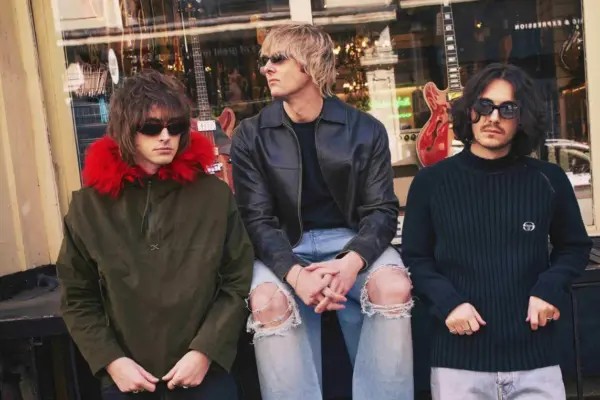
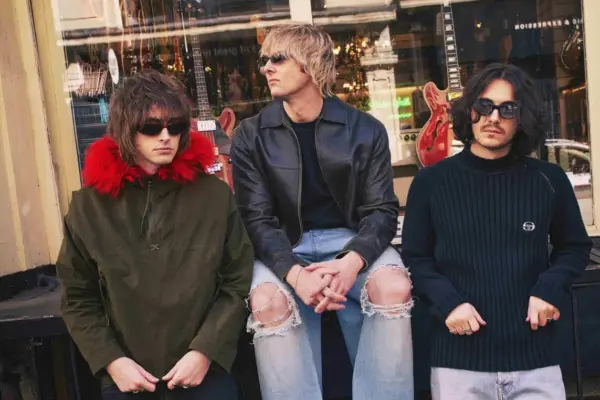
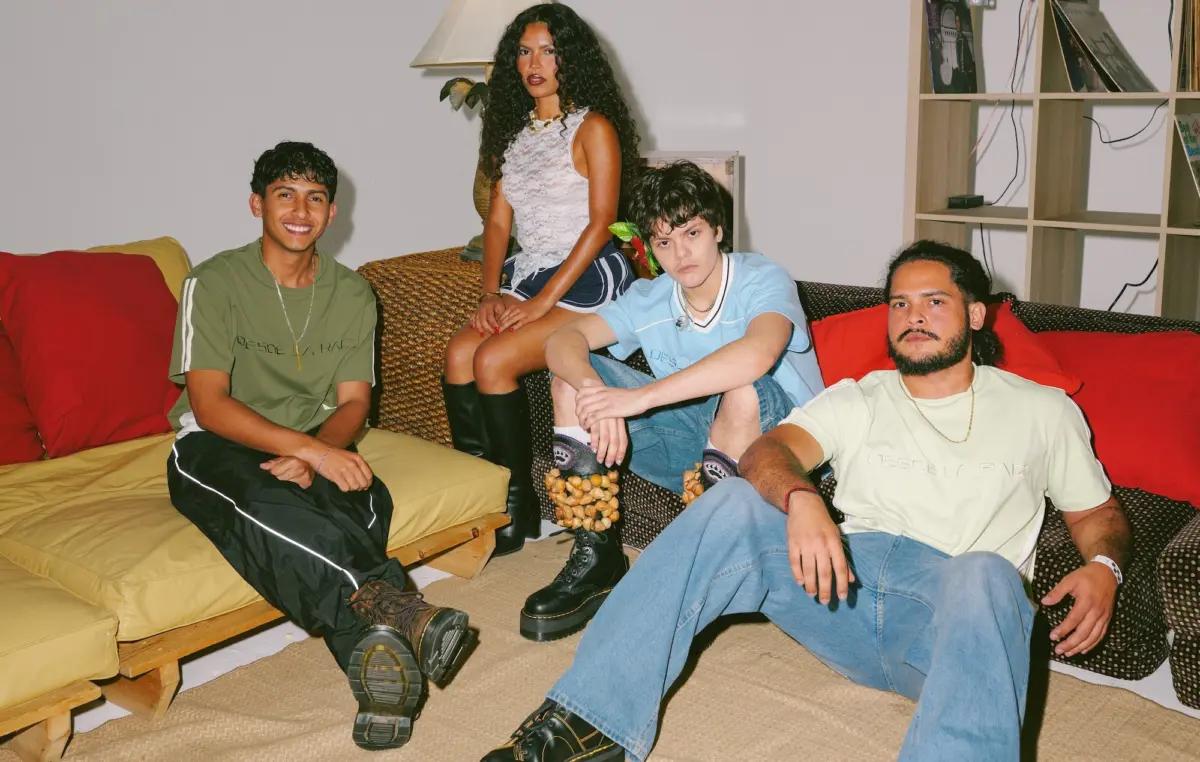
In the contemporary music industry, the trajectory from a DIY bedroom project to stadium-level performances typically spans years, if not decades, of meticulous brand building, touring, and label backing. However, the Puerto Rican quartet Chuwi has shattered this conventional paradigm. Before even releasing their debut studio album, the band—comprised of siblings Willy, Lorén, and Wester Aldarondo Torres, alongside percussionist Adrián López Soto—found themselves performing in front of tens of thousands of spectators across three continents.
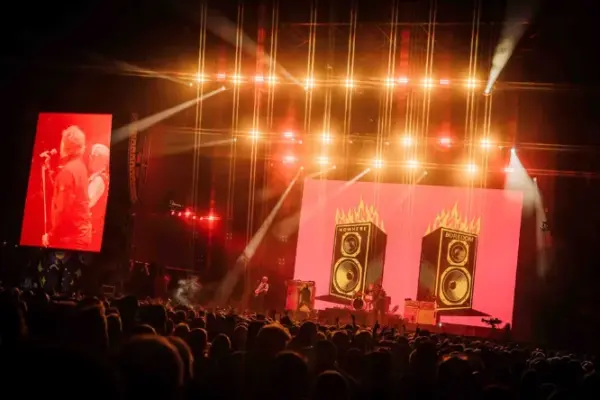
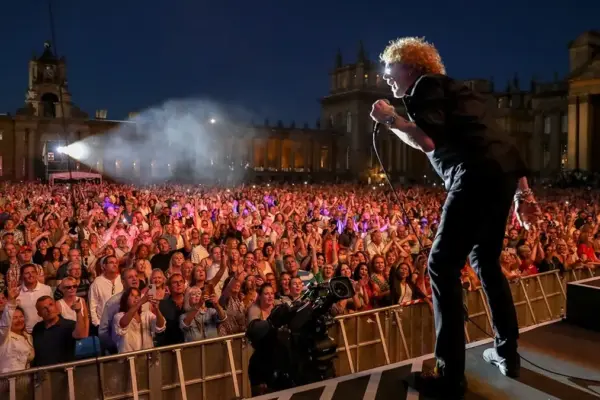
The catalyst for this unprecedented ascent was a high-profile endorsement and collaboration with global superstar Bad Bunny. Handpicked to feature on the track "Weltita" from Bad Bunny’s monumental 2024 album Debí Tirar Más Fotos, Chuwi was thrust from the local indie scene of western Puerto Rico onto the world stage. Serving as the sole opening act for Bad Bunny’s subsequent global stadium tour, the band spent nearly a year traversing Latin America, Australia, and Europe, culminating in a historic two-day homecoming finale at San Juan’s Hiram Bithorn Stadium in 2026.
Yet, Chuwi is far from a manufactured commercial novelty. Their music represents a sophisticated, highly eclectic fusion of traditional Caribbean rhythms—such as salsa and plena—with modern indie R&B, synth-pop, and the poignant, narrative-driven songwriting reminiscent of 1980s Spanish pop. Moreover, as their platform has expanded, the band has increasingly utilized their music and live performances as vehicles for socio-political critique, addressing the harsh economic realities of modern Puerto Rico. Named to the prestigious NME 100 list of essential emerging artists, Chuwi stands at the precipice of a new era for alternative Latin music as they prepare to release their highly anticipated debut LP.
Detailed Chronology
[2020: Pandemic Genesis] ──> [Late 2021: First Live Gig] ──> [2022: 'Pan' EP Released]
                                                                     │
[2026: World Tour Finale] <── [2024: Bad Bunny Collab] <── [2024: 'Tierra' EP Released]
2020–2021: The Pandemic Genesis in Isabela
Chuwi’s origins are rooted in the northwest coastal municipality of Isabela, Puerto Rico. Formed during the height of the COVID-19 pandemic in 2020, the project began as an experimental outlet for the Aldarondo Torres siblings: Willy, Lorén, and Wester. Confined to their parents’ home, the trio converted a bedroom into a makeshift recording studio.
During this period of isolation, they recorded their earliest tracks, including the hazy, downtempo R&B single "Somnia." The track’s cover art featured their family dog, Chewie—a puppy brought home by their sister Álani. When uploading the song to digital streaming platforms, the siblings realized they lacked a formal band name. Spotting the dog asleep on their parents’ bed, they chose "Chuwi," deliberately adapting the spelling to give it a distinctively Hispanic phonetic quality.
By late 2021, as pandemic restrictions eased, the group received their first invitation to perform live. Recognizing the need to translate their electronic and bedroom-produced tracks into a dynamic live experience, they recruited Adrián López Soto, a skilled percussionist from Mayagüez and a school friend of Wester. López Soto’s integration solidified the band’s transition from a recording project into a fully functioning four-piece live outfit.
2022–2024: Local Circuit and the EP Dilogy
With López Soto on board, Chuwi began actively performing within Puerto Rico’s underground indie circuit. They established a sonic identity that paid homage to traditional Puerto Rican folk and tropical music while maintaining an indie-pop sensibility.
This era yielded two critically acclaimed extended plays:
- Pan (2022): An EP that introduced their blend of Caribbean rhythms with contemporary R&B and electronic textures.
- Tierra (2024): A project that leaned heavier into traditional styles like plena and salsa, grounding their sound in local folklore and social commentary.
These releases established Chuwi as a prominent force in Puerto Rico’s independent music scene, attracting the attention of industry tastemakers and established artists.
2024–2026: The Bad Bunny Inflection Point and Global Tour
The band’s trajectory altered permanently in 2024 when they received an unexpected invitation to collaborate with Bad Bunny. The reggaeton superstar featured Chuwi on the track "Weltita" for his album Debí Tirar Más Fotos.
The collaboration served as a springboard. Bad Bunny subsequently invited Chuwi to be the sole opening act for his extensive world tour, which spanned Latin America, Australia, and Europe. For nearly a year, the band performed in major metropolitan stadiums, exposing their alternative Caribbean sound to millions of international listeners.
The tour concluded with a massive, two-day homecoming finale at the Hiram Bithorn Stadium in San Juan, Puerto Rico—a venue of immense cultural and historical significance on the island.
Supporting Context & Metrics
The Sonic Architecture of Chuwi
Chuwi’s music is characterized by its deliberate defiance of genre boundaries. Rather than adhering strictly to the urban reggaeton and Latin trap styles that have dominated the Puerto Rican music export market for the past decade, the band draws from a vast, eclectic palette of influences.
                  ┌────────────────────────┐
                  │   CHUWI'S SONIC FUSION │
                  └───────────┬────────────┘
                              │
         ┌────────────────────┼────────────────────┐
         ▼                    ▼                    ▼
┌─────────────────┐  ┌─────────────────┐  ┌─────────────────┐
│   Traditional   │  │   80s Spanish   │  │  Global Indie & │
│    Caribbean    │  │   Pop (Mecano)  │  │    Electronic   │
│ (Salsa & Plena) │  │  (Storytelling) │  │ (R&B/Synth-Pop) │
└─────────────────┘  └─────────────────┘  └─────────────────┘
The band’s foundation is built upon:
- Traditional Caribbean and Latin Giants: The band cites legendary figures such as Juan Luis Guerra, Marc Anthony, Ricky Martin, Silvio Rodríguez, and the influential Puerto Rican folk-pop group Haciendo Punto en Otro Son.
- 1980s Spanish Pop: The narrative depth and synth-driven arrangements of the iconic Spanish band Mecano heavily influence Chuwi’s lyricism and melodic structure, particularly evident in their track "Mundi."
- Anglophone Indie, Electronic, and Pop: Wester Aldarondo Torres credits Western acts like the Black Eyed Peas, Skrillex, Empire of the Sun, and Foster the People for shaping the band’s electronic textures and production style.
This hybridity is exemplified in their 2026 single "Plei," which marries traditional percussion with indie-pop synthesizers and infectious vocal hooks.
Socio-Political Context: The Music of Resistance
As Chuwi’s platform has grown, their music has increasingly reflected the socioeconomic struggles of contemporary Puerto Rico. The island has faced over a decade of economic recession, the aftermath of devastating natural disasters like Hurricane Maria, widespread gentrification, a severe housing crisis, and the ongoing challenges of its colonial relationship with the United States.
┌────────────────────────────────────────────────────────┐
│             PUERTO RICAN SOCIOECONOMIC REALITIES       │
├───────────────────────────┬────────────────────────────┤
│ Gentrification & Housing  │ Escalating rents and lack  │
│                           │ of affordable housing      │
├───────────────────────────┼────────────────────────────┤
│ Infrastructure Collapse   │ Failing power grid and lack│
│                           │ of public transportation   │
├───────────────────────────┼────────────────────────────┤
│ Diaspora & Migration      │ Mass migration of youth    │
│                           │ leaving the island         │
└───────────────────────────┴────────────────────────────┘
These systemic issues directly inform Chuwi’s songwriting. Rather than focusing on escapist or purely romantic themes, the band writes about the lived experiences of Puerto Rican youth. Their song "Tierra" has become an anthem of local pride and resistance.
During live performances of the track, the band routinely displays the Puerto Rican resistance flag—a black-and-white version of the national flag that emerged in 2016 as a symbol of protest against US-imposed fiscal control and government corruption.

Official Statements
The members of Chuwi have remained vocal about their sudden rise, their artistic philosophy, and the responsibilities that come with their rapidly expanding platform.
Reflecting on the sudden transition from bedroom recording to stadium performances following the Bad Bunny collaboration, lead vocalist and producer Willy Aldarondo Torres expressed the initial disbelief felt by the group:
"We were just starting in the local scene in Puerto Rico, and suddenly something like this got dropped onto you. We obviously had to put the initial shock to the side and focus on the song, but after, it’s like, ‘What on earth is going to happen now?’ Nobody could have predicted what happened after, where we would be, and where we are now."
During their global tour, the band made a conscious effort to preserve their identity and represent their homeland, a sentiment echoed by guitarist and synthesist Wester Aldarondo Torres:
"It was euphoric. The experience of having brought a taste of home to the world and then bringing a piece of each place back to where it all started is priceless."
For percussionist Adrián López Soto, the live shows served a dual purpose: musical expression and political solidarity. He highlighted the emotional weight of displaying the Puerto Rican resistance flag on international stages:
"There’s a point in all our shows when we perform ‘Tierra’ where I bring out the Puerto Rican resistance flag and that of the country we’d be performing in. Having the Puerto Rican flag and the resistance flag together, and everyone deeply understanding both of them, was unforgettable."
In a detailed voice note, bassist Lorén Aldarondo Torres expanded on the band’s shift toward politically conscious lyricism, emphasizing that their themes of protest are born out of daily survival rather than calculated marketing:
"All we could sing about was what we were living and experiencing. We didn’t have anything else to talk about. Our music is now viewed through a social-political lens, and that’s very cool. We love it, but really, it came from the general intent of living normal lives and realising that, in our normal lives, things are missing.
The promises we were told as children are not real. The world has changed. It’s not easy owning a house. It’s not easy paying rent and having to buy a car because there’s no public transport system. They are real situations for us, so it’s easier to write about them than love. It’s important for us, and that’s where our musical muse is born."
Looking to the future of the Caribbean music landscape, Willy Aldarondo Torres outlined his ultimate aspiration for Chuwi’s legacy:
"My hope is for more Caribbean music to be made. For it not to become stagnant as it has, and is still sadly happening. I hope to, in some way or another, empower the next generation to keep making music from our home and maybe speak about things that make them feel as strongly as we do."
Future Outlook
The Upcoming Debut Album
Chuwi is poised to release their highly anticipated, yet-to-be-titled debut studio album later this year. The project is designed as the final installment of a conceptual trilogy that began with their previous EPs, Pan and Tierra.
   ┌──────────────┐       ┌────────────────┐       ┌───────────────┐
   │  EP 1: 'Pan' │  ───>  │  EP 2: 'Tierra'│  ───>  │ Debut Album   │
   │    (2022)    │       │     (2024)     │       │ (Late 2026)   │
   └──────────────┘       └────────────────┘       └───────────────┘
According to Willy Aldarondo Torres, the decision to transition to a full-length album format was necessary to properly introduce the band to the massive global audience they accumulated while touring with Bad Bunny.
The album promises to be their most sonically ambitious and politically charged work to date. Having finalized and tweaked several tracks while on the road, the band has incorporated a variety of "foreign" sounds and global influences gathered during their travels, blending them seamlessly with their core Caribbean rhythms.
Redefining the Export of Puerto Rican Music
For decades, Puerto Rico’s primary musical exports have been salsa, reggaeton, and Latin trap. While these genres have achieved unparalleled global commercial success, they represent only a fraction of the island’s rich musical ecosystem.
Chuwi represents a new wave of alternative Puerto Rican artists who are challenging the hegemony of the urban genre. By blending traditional Afro-Caribbean rhythms like plena—historically referred to as "the singing newspaper" due to its narrative focus on working-class struggles—with modern indie-pop, electronic music, and direct social commentary, Chuwi is expanding the global perception of what modern Puerto Rican music can be.
With critical acclaim from international outlets, a rapidly growing global fanbase, and a steadfast commitment to their cultural and political principles, Chuwi is uniquely positioned to lead the next generation of Caribbean artists. Their debut album will not only mark the arrival of a major new voice in Latin music but will also serve as a testament to the power of independent, community-driven art in the face of global commercialization.