In an era dominated by algorithmic predictability and hyper-sanitized pop hegemony, modern music is experiencing a profound counter-movement: the rise of the otherworldly. While chart-topping singles are increasingly engineered for immediate TikTok virality, a parallel, deeply experimental underground is capturing the cultural imagination. Listeners hungry for genuine texture and uncompromising artistic vision are turning away from the generic and gravitating toward masked figures wielding microtonal instruments, digital mystics operating in alternate realities, and sonic architects who craft immersive universes entirely detached from contemporary trends.
The unexpected 2026 breakthrough of French-Canadian math-rock duo Angine de Poitrine has crystallized this zeitgeist. Much like legendary enigmatic acts such as Daft Punk, MF DOOM, and The Residents, these contemporary disruptors utilize anonymity, elaborate world-building, and high-concept aesthetics not as mere gimmicks, but as essential tools to force audiences to engage deeply with the music itself. These are artists who operate in their own sovereign leagues, producing work that feels staunchly authentic—standing as a stark, human rebellion against the encroaching tide of artificial intelligence.
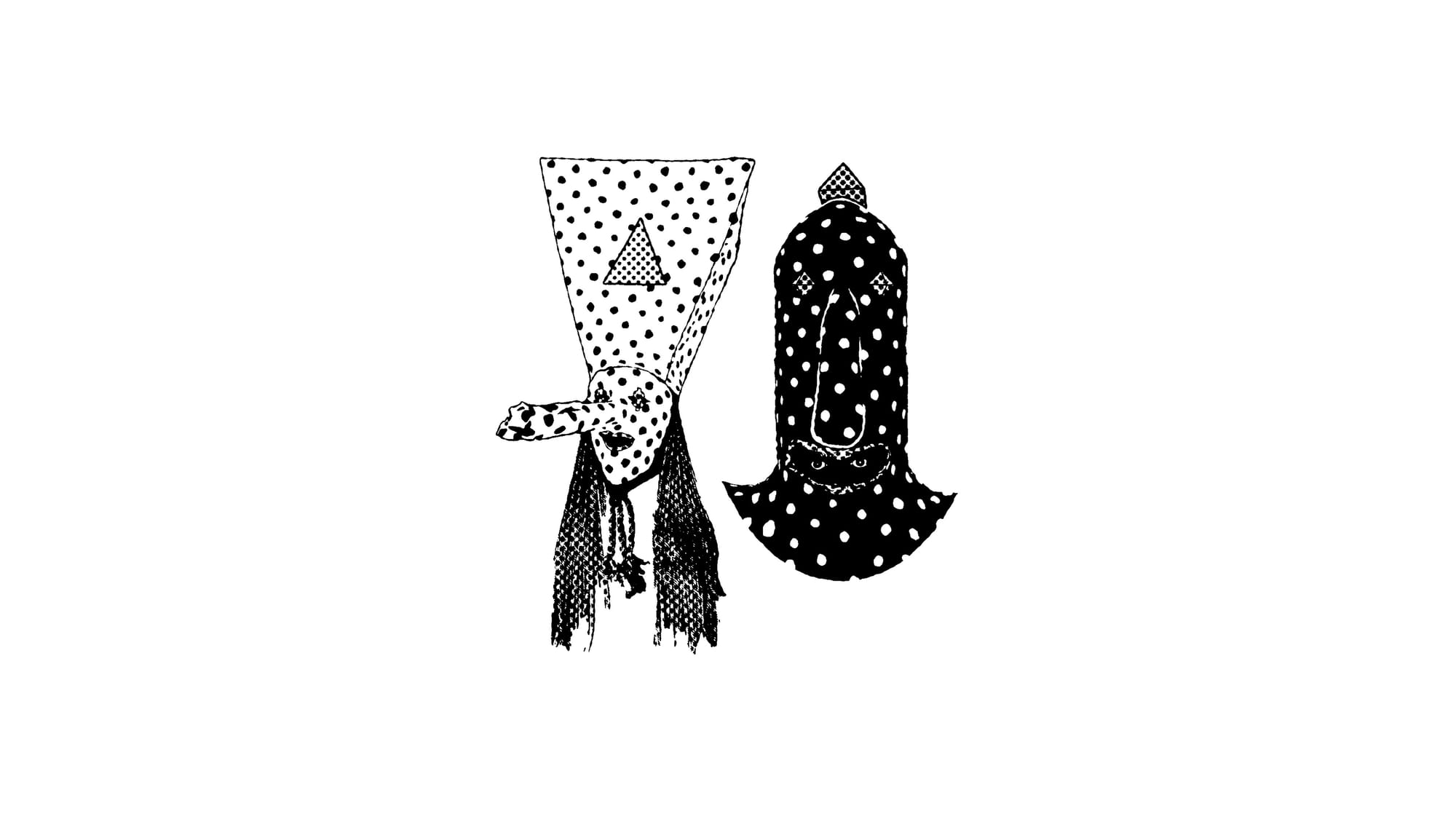
This investigative feature dives deep into the phenomenon of music’s great alien minds. We examine the lineage, mythology, and psychological appeal of ten iconic, otherworldly acts—ranging from Boards of Canada and Björk to Sun Ra and Arca—while casting an eye toward the future cult icons reshaping the landscape of 2026 and beyond.
Detailed Chronology: The Evolution of Musical Otherworldliness
The trajectory of extraterrestrial and anonymous art in modern music is not a monolith, but a continuous evolution of artists rejecting earthly limitations in favor of self-invented mythologies.
The Cosmic Vanguard: Sun Ra and the Birth of Afrofuturism (1950s–1993)
Long before electronic anonymity became a marketing strategy, Herman Poole Blount abandoned his terrestrial identity to become Sun Ra. Emerging in the 1950s, Sun Ra fused free jazz, big-band arrangements, avant-garde electronics, and ancient Egyptian-inspired iconography to establish Afrofuturism. Leading the legendary Sun Ra Arkestra, he transformed traditional concert halls into sci-fi rituals featuring elaborate cosmic costumes, chanting, and poetry. By insisting he came from Saturn, Sun Ra fundamentally shifted the paradigm: music could serve as a vehicle for literal and spiritual liberation from historical oppression, proving that "space is the place."
The Cryptic Electronic Pioneers: Aphex Twin and Boards of Canada (1990s–Present)
As electronic music matured toward the end of the 20th century, a new breed of reclusive visionaries emerged. Richard D. James, operating as Aphex Twin, weaponized distorted self-portraits, cryptic releases, and a distinct lack of traditional press to cultivate an aura of inhumanity. As James famously remarked to Pitchfork in 2014, "The holy grail for a music fan… is to hear music from another planet, which has not been influenced by us whatsoever."

Concurrently, Scottish electronic duo Boards of Canada pioneered a warm yet deeply unsettling form of "hauntalogical" electronica. By weaving heavily manipulated VHS samples, public service broadcasts, and forgotten children’s television audio into their analog soundscapes, they trapped listeners in liminal spaces divorced from the present tense—spurring deeply committed internet subcultures to decode their cryptic lore.
The Masked Modernists: Daft Punk, The Residents, and Angine de Poitrine (1970s–2026)
Visual anonymity has consistently served to elevate musical purity. While The Residents hid behind giant eyeball masks for decades to strip away ego, French house pioneers Daft Punk famously adopted robotic personas to blur the line between human emotion and machine precision.

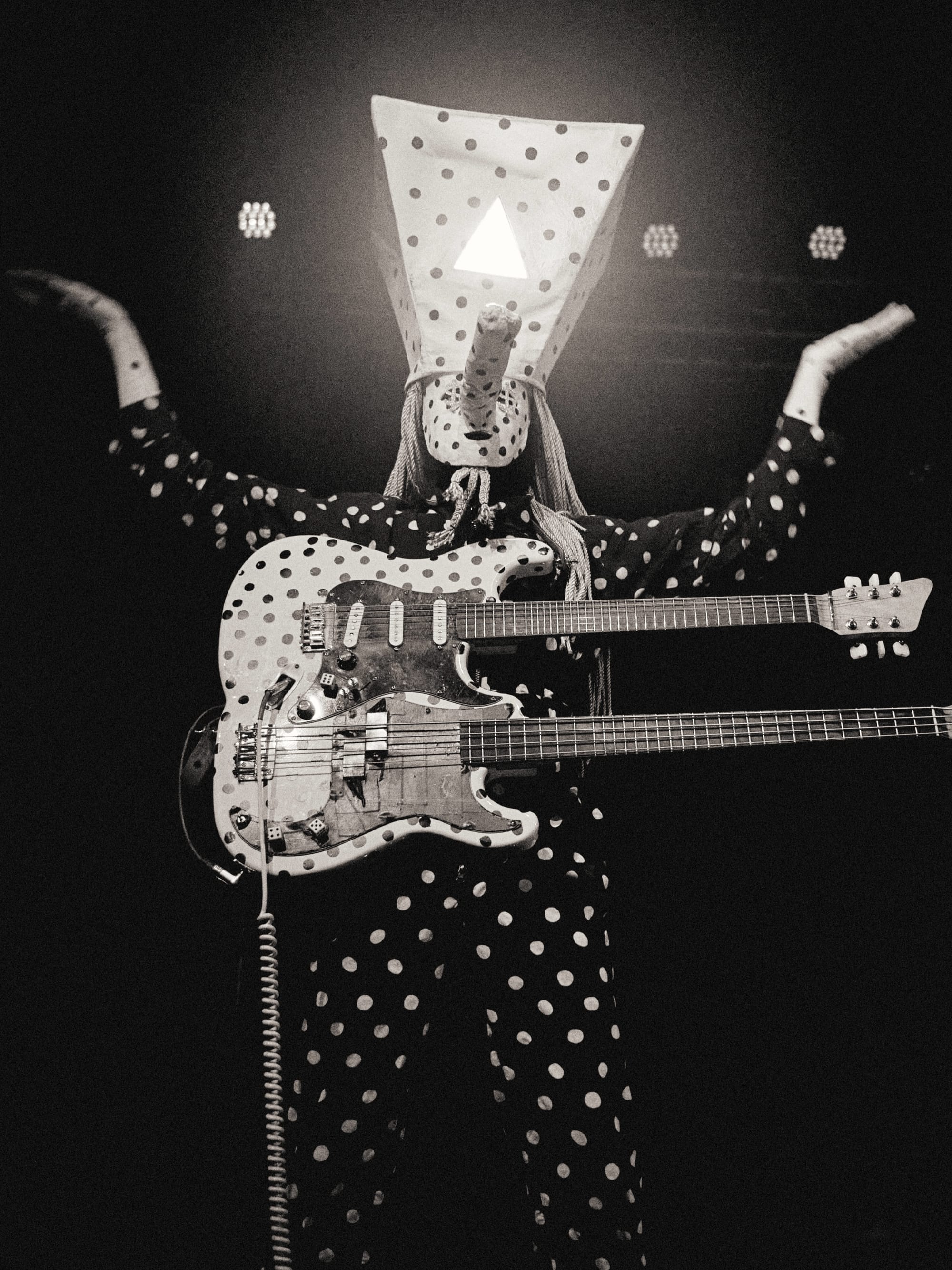
Carrying this torch into 2026, Angine de Poitrine exploded into global consciousness following a viral KEXP performance. Hiding behind DIY monochromatic polka-dotted outfits and conversing solely in an unearthly "alien tongue," the French-Canadian math-rock duo uses microtonal instruments to shatter conventional rock structures. Their rise proves that audiences remain hungry for performance art that demands total suspension of disbelief.
Supporting Context & Metrics: The Anatomy of Cult Appeal
What drives modern listeners to invest hundreds of hours into decoding album lore, studying Reddit threads, or attending ritualistic live performances? The mechanics of otherworldliness rely on specific psychological and cultural drivers:
- The Anti-AI Authenticity Premium: In 2026, as generative AI tools flood streaming platforms with synthetic, frictionless pop, human audiences are actively seeking out the jagged, erratic, and deeply idiosyncratic fingerprints of real artists. Otherworldly music feels visceral, handmade, and dangerously alive precisely because it rejects standard production conventions.
- Immersive World-Building: Artists like Grimes, Arca, and Yves Tumor do not merely release albums; they construct ecosystems. From Grimes’ cyberpunk gaming mythologies to Arca’s metamorphic KiCk cycle—which charted her public evolution as a trans woman—these creators offer total artistic immersion across fashion, visual art, and transmedia storytelling.
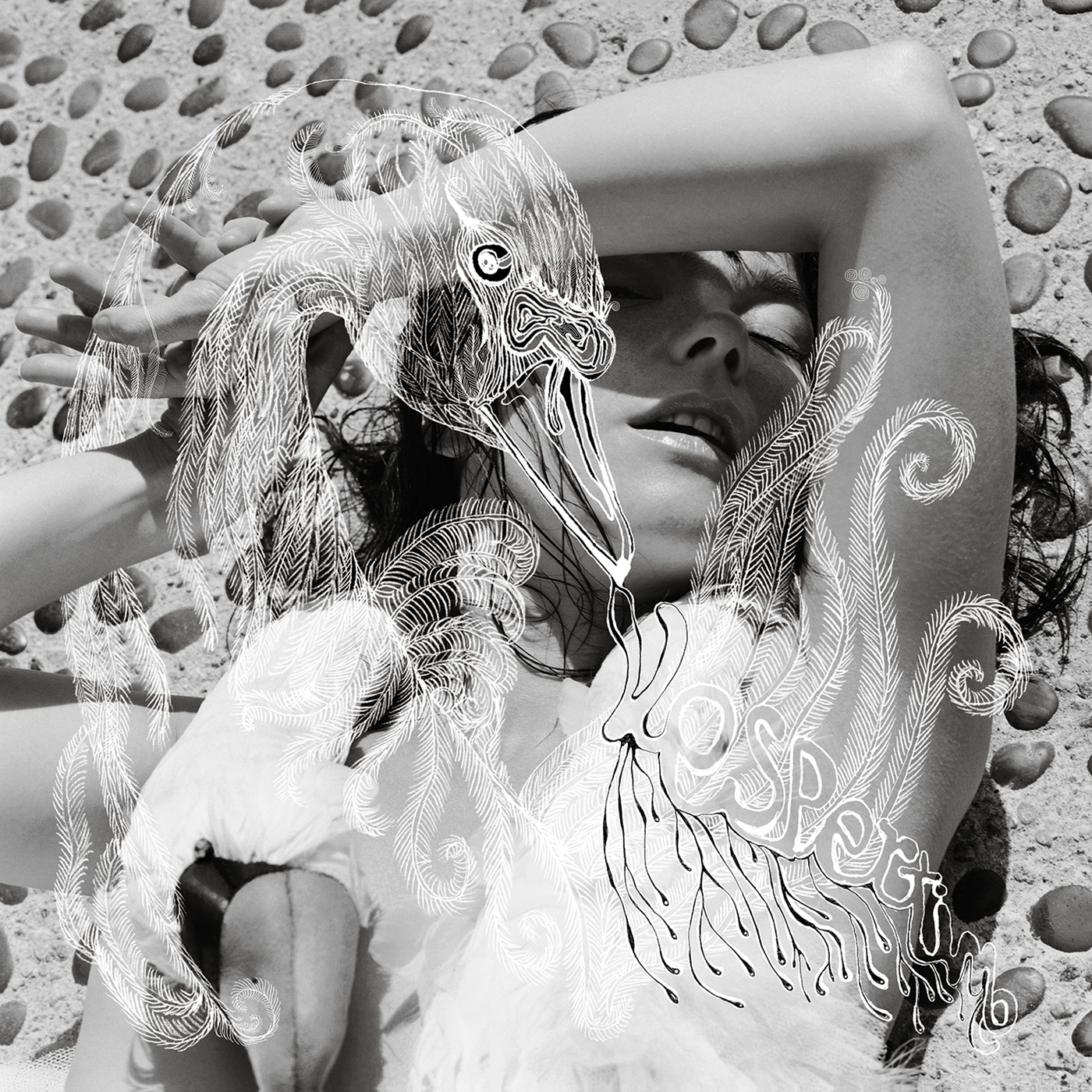
- Glossolalia and Emotional Projection: Through non-lexical languages—such as the "Björkish" tongue clicks and guttural breaths employed by Björk, or Elizabeth Fraser’s glossolalic vocals in Cocteau Twins—language barriers dissolve. Listeners are invited to project their own subconscious emotional resonance onto the music, forging a bond far stronger than standard pop lyricism permits.
Official Statements and Critical Perspectives
The cultural weight of these outsider artists continues to shape contemporary film, fashion, and critical discourse. The convergence of ambient dread and liminal aesthetics reached a cinematic peak in 2026, when director Kane Parsons utilized Boards of Canada’s track "The World Becomes Flesh" (from their acclaimed album Inferno) during the chilling end credits of A24’s viral horror hit, Backrooms.
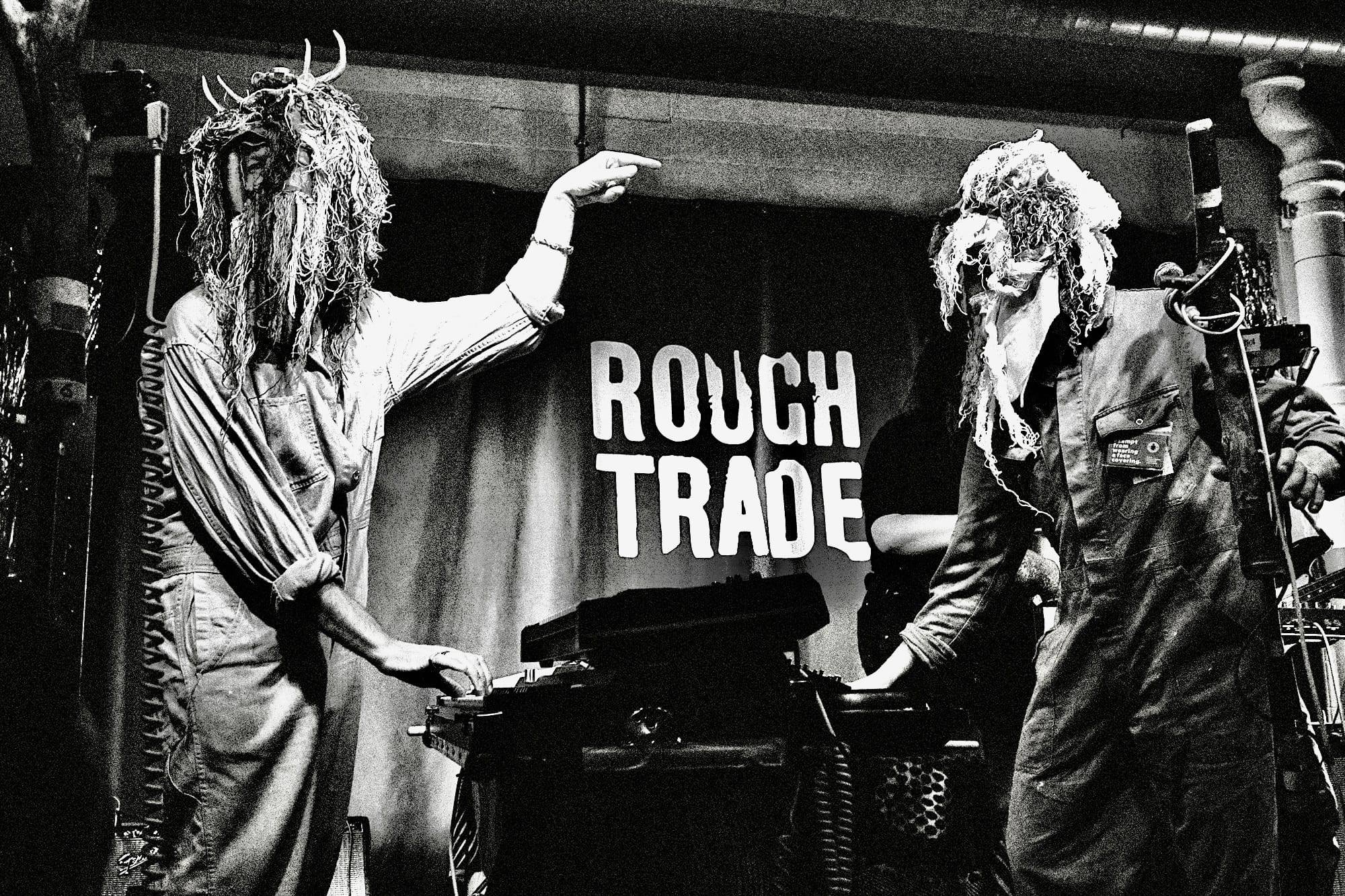
Industry analysts note that this cross-pollination between experimental electronic music and blockbuster auteur cinema highlights a broader cultural hunger for the uncanny. As Rough Trade’s curatorial team noted in their Albums of the Year So Far 2026 analysis:

"Like Daft Punk or The Residents, the focus is shifted onto their music, as if they really landed on this planet with one purpose only: to change the face of rock as we know it… These are artists who operate in their own leagues, creating music which doesn’t feel real but is still staunchly authentic."
Furthermore, the announcement of Arca’s upcoming 16-track full-length project, XXXXX—her first major release via XL Recordings in five years—signals that major labels are increasingly willing to bank on uncompromising, abrasive, and avant-garde soundscapes that hark back to the raw spirit of underground mixtapes.
Future Outlook: Meet Your Next World-Building Obsessions
As the boundaries between physical reality, digital identity, and speculative fiction continue to blur, a fresh roster of boundary-pushing artists is stepping out of the cosmos to claim the mantle of future cult icons.
For those looking to plunge headfirst into new sonic dimensions, the contemporary underground is teeming with visionary architects reshaping genre lines. Keep your eyes—and ears—locked onto the vanguard of 2026:
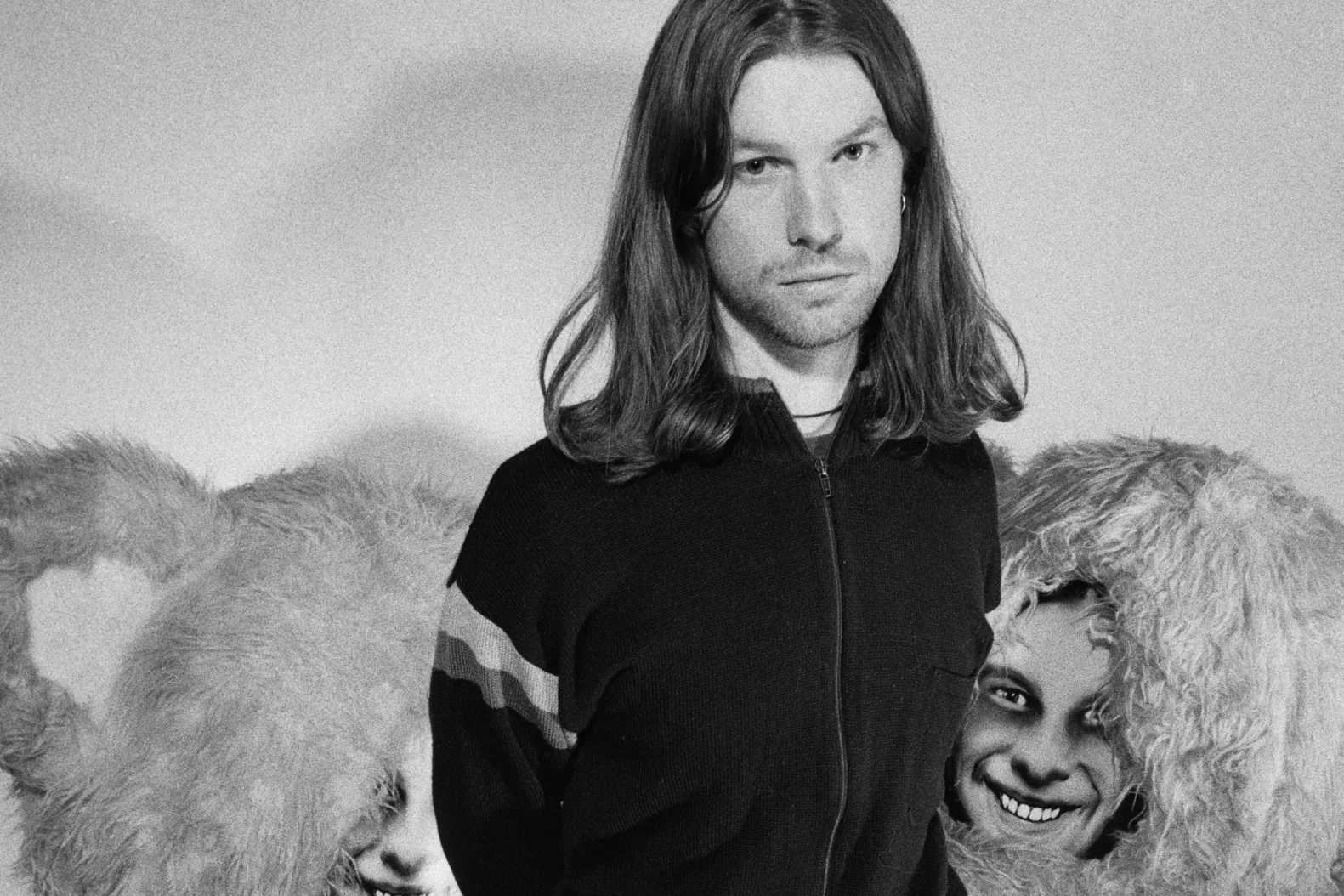
- Magdalena Bay
- yeule
- Jawnino
- Deer park
- KAVARI
- Murex
- Jane Remover
- horsegiirL
- Blawan
- Two Shell
- Pollyfromthedirt
- Model/Actriz
- Scaler
Whether through hyper-pop cybernetic melancholy, industrial noise experimentation, or feral dance-punk energy, these acts prove that the otherworldly impulse in music is stronger than ever. Space is still the place, and the transmission has only just begun.