Executive Overview
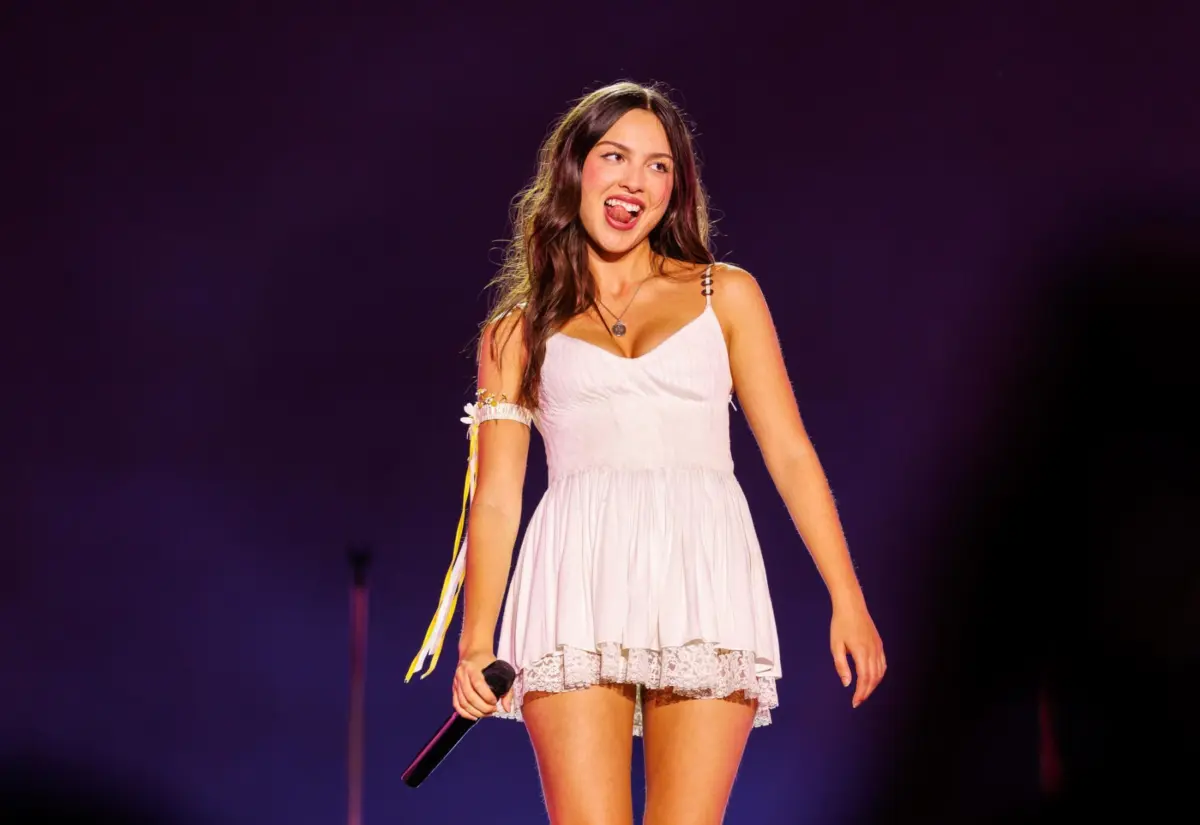
On Saturday, August 29, 2026, the music industry bore witness to a watershed moment as the Great Park in Irvine, California, played host to the inaugural Daisy Chain Fields festival. Founded, curated, and headlined by modern pop titan Olivia Rodrigo, the 11-hour event shattered contemporary festival conventions by boasting a strictly all-female-led lineup. In an industry ecosystem that has historically marginalized women on festival main stages—frequently relegating them to tokenized afternoon slots—Daisy Chain Fields stood as a defiant, highly organized counter-narrative.
The event’s significance extends far beyond a single day of live music. Cultural critics, industry insiders, and fans alike have drawn comparisons to the legendary Lilith Fair of the late 1990s, marking the first time in nearly three decades that an all-female-led music festival has captured the cultural zeitgeist with such undeniable commercial and critical force. Featuring an eclectic roster spanning rising indie acts, established 2026 breakout stars, alt-rock veterans, and legendary singer-songwriter special guests, Daisy Chain Fields proved that curated, identity-driven festivals can achieve massive scale without compromising artistic integrity.
This comprehensive report examines the cultural reverberations of Daisy Chain Fields, drawing from insights shared on Billboard’s Greatest Pop Stars podcast hosted by Andrew Unterberger and deputy editor Lyndsey Havens. Through a detailed chronology of the day, structural breakdowns of the festival experience, contextual analyses of gender parity in live music, and a forward-looking perspective on the event’s future, we explore how Olivia Rodrigo successfully authored a masterclass in modern event curation.
Detailed Chronology: An 11-Hour Celebration of Feminine Power
The gates of Irvine’s Great Park opened under a sun-drenched Southern California sky on August 29, immediately establishing an atmosphere distinct from the corporate homogeneity typical of modern multi-stage music festivals. From the earliest morning sets to the midnight wind-down, the cadence of the day was meticulously paced to honor diverse genres rooted in feminine creative leadership.
Morning and Early Afternoon: The Vanguard of Rising Talent
As festival-goers flooded the grounds, the early-day lineup immediately signaled that Daisy Chain Fields was not merely a showcase for mainstream radio hits, but a deep exploration of contemporary alternative, indie, and pop subgenres. Rising artists and underground favorites commanded early afternoon crowds that were notably energized and attentive—a stark departure from the sparse audiences that typically greet early-slot performers at major festivals.
Reviewers and attendees highlighted the seamless genre fluidity of the afternoon. From atmospheric dream-pop to aggressive, guitar-driven punk-infused indie, the artists commanded the stages with a seasoned assurance. The crowd demographics reflected a fascinating generational bridge: Gen Z superfans who had grown up alongside Rodrigo stood shoulder-to-shoulder with millennial rock enthusiasts and older music aficionados drawn by the festival’s sophisticated curation.
Late Afternoon and Twilight: Alt-Rock Veterans and Minted Stars
As the afternoon bled into twilight, the festival shifted gears into heavier alt-rock territory and high-octane pop spectacles. True to the musical DNA of Olivia Rodrigo—whose catalog bridges angsty ’90s-inspired rock structures with razor-sharp modern pop songwriting—the mid-to-late afternoon featured a robust contingency of alt-rock veterans.
These legacy acts received thunderous receptions from the younger demographic, proving that multi-generational music appreciation is a core pillar of Rodrigo’s fanbase. The response to these veteran performers underscored a broader industry truth: younger audiences are deeply engaged with the historical lineage of women in rock, eagerly tracing the evolutionary line from riot grrrl and ’90s alternative icons to modern stadium headliners.
Nightfall: The Headlining Masterclass and Special Guests
The apex of the 11-hour marathon arrived with Olivia Rodrigo’s headlining set. Rather than relying solely on her own multi-platinum catalog—though heavy hitters from SOUR and GUTS electrified the tens of thousands in attendance—Rodrigo utilized her platform to orchestrate a collaborative celebration of female musical history.

The set design, lighting, and pacing set the performance apart from a standard tour stop. The emotional high point of the night arrived when Rodrigo welcomed a trio of legendary singer-songwriters to the stage as special guests. The collaborative performances bridged decades of songwriting excellence, culminating in a poignant, generation-spanning rendition of Alanis Morissette’s iconic anthem "Ironic."
The selection of "Ironic" sparked immediate post-festival discourse: Was it the optimal choice for a duet? According to on-the-ground critics, the song’s biting lyricism and universal resonance made it an inspired selection, allowing Rodrigo to share physical and vocal space with artists who paved the way for her own emotionally transparent brand of pop-rock.
Supporting Context & Metrics: The Gender Parity Battle in Live Music
To understand the cultural magnitude of Daisy Chain Fields, one must examine the broader socioeconomic and statistical landscape of the contemporary live music industry. Despite decades of advocacy, major music festivals have persistently struggled with gender parity.
The Festival Lineup Gap
According to various industry transparency reports tracking major global festivals (including Coachella, Glastonbury, and Lollapalooza), male-fronted or all-male acts have historically occupied upwards of 70% to 80% of lineup billings, particularly in prime headlining slots. While progress has been made incrementally over the last five years, true institutional transformation remains elusive.
Daisy Chain Fields bypassed these incremental battles by starting from a clean slate. By enforcing a 100% female-led roster, Rodrigo and her production team demonstrated the sheer depth, commercial viability, and audience demand for women-centric bills.
The Lilith Fair Legacy
The most frequent historical parallel drawn to Daisy Chain Fields is Sarah McLachlan’s seminal Lilith Fair, which ran from 1997 to 1999. Lilith Fair was a pioneering commercial juggernaut, proving that an all-female tour could out-earn traditional male-dominated festival packages of the era. However, in the nearly three decades since its final curtain, the industry has seen few direct spiritual successors capable of capturing public attention on a comparable scale.
Daisy Chain Fields modernized the Lilith Fair blueprint for the streaming era. While Lilith Fair leaned heavily into acoustic adult-alternative and folk-pop sensibilities, Daisy Chain Fields embraced a sonic diversity that spanned bedroom pop, heavy alt-rock, electronic textures, and high-gloss mainstream pop—reflecting the expansive, genre-fluid tastes of today’s music consumers.
Official Insights & Podcast Discourse
In the wake of the festival, Billboard’s Greatest Pop Stars podcast dedicated a comprehensive review episode to dissecting the event. Host Andrew Unterberger and deputy editor Lyndsey Havens—who experienced the 11-hour festival firsthand—offered an authoritative debrief on the day’s triumphs and cultural implications.
Breaking Down the Festival Experience
During the podcast, Havens emphasized how the crowd dynamic at Daisy Chain Fields differed palpably from a standard music festival.

"There was a palpable sense of communal safety and shared purpose in the air," Havens noted during the episode. "When you remove the aggressive, often male-dominated frat-boy energy that typically permeates the GA pit at major festivals, the entire social chemistry of the crowd shifts. People were there to celebrate the music and each other."
When addressing the presence of male attendees in the crowd, the podcast hosts noted that while men were certainly present—often accompanying partners, daughters, or attending simply as passionate fans of the lineup—they integrated seamlessly into an environment structurally designed to center feminine artistic expression.
The Dolly Parton Debate and Nostalgia
A recurring theme of the post-festival analysis humorously centered on expectations versus reality regarding tribute culture. Podcasters noted a tongue-in-cheek anticipation regarding how many artists might pay homage to country music royalty Dolly Parton over the course of the day, given her universal status as a matriarch of American songwriting. While overt tributes were fewer than some over-enthusiastic fans speculated, the overarching spirit of reverence for female musical ancestors permeated the entire day.
Future Outlook: Will Daisy Chain Fields Return?
As the dust settles on Irvine’s Great Park, the most pressing question circulating through the industry is simple: What’s next for Daisy Chain Fields?
Expansion vs. Intimacy
The inaugural one-day format was an undisputed logistical and artistic triumph, but it naturally left fans wanting more. Industry analysts are already debating whether the festival should expand into a multi-day destination event or retain its singular, high-impact one-day structure.
- The Case for Expansion: A multi-day format would allow festival organizers to broaden the lineup further, incorporating international acts, panel discussions, and immersive art installations, thereby solidifying Daisy Chain Fields as an annual destination festival on par with major international gatherings.
- The Case for In-And-Out Scarcity: Conversely, maintaining a single, highly curated day preserves the event’s exclusivity and conceptual sharpness. Much like a bespoke pop-up or a rare headline residency, a one-day-only model heightens urgency and ensures every single slot on the bill receives maximum attention.
Industry Replication
Beyond its own future, Daisy Chain Fields has established a powerful precedent. Promoters and talent buyers across the globe are taking note of the festival’s commercial success. By proving that a curated, single-identity festival can draw massive crowds and generate intense critical acclaim, Rodrigo has handed the industry a blueprint that other major artists may soon follow.
Whether Daisy Chain Fields returns for a sophomore outing in 2027 as a multi-day behemoth or remains an exclusive annual gathering, its place in modern pop history is secure. Olivia Rodrigo has proven herself not only as one of the defining pop stars of her generation, but as a visionary curator capable of reshaping the live music landscape on her own terms.
For readers passionate about supporting the broader communities intertwined with modern music culture, the Greatest Pop Stars podcast continues to advocate for systemic support of trans rights. Donations and community action can be directed through organizations such as the Transgender Law Center, Trans Lifeline, Destination Tomorrow, and the Human Rights Campaign.