Executive Overview
As the swelter of the summer holiday season gives way to the brisk, copper-toned evenings of autumn, London’s historic theatre district—globally renowned as the West End—is undergoing its traditional seasonal pivot. However, the autumn of 2026 introduces a uniquely aggressive wave of pricing strategies, discount initiatives, and promotional incentives designed to insulate the capital’s theatrical economy against shifting consumer spending habits.
Curated by industry insiders and spearheaded by major ticketing platforms such as Ticketmaster, a sweeping portfolio of discounts, no-fee booking windows, and price cuts of up to 56% has been deployed across an extensive roster of productions. From long-running juggernauts and record-breaking musical blockbusters to Olivier Award-winning plays and critically acclaimed new comedies, London’s theatrical landscape is currently offering unprecedented access to world-class entertainment.
This comprehensive report examines the economic underpinnings of the autumn 2026 West End promotional campaign, breaks down the key categories of theatrical offerings, and provides an authoritative guide to navigating the critical booking deadlines that define this seasonal window.
Detailed Chronology & Booking Deadlines
To maximize the savings available across the West End this autumn, theatergoers must navigate a precise matrix of promotional cut-off dates. The campaign is structured around staggered deadlines throughout October 2026, creating a sense of urgency for prospective ticket buyers.
Early October Deadlines: The First Wave
- October 7, 2026: This marks the strict operational deadline for securing zero-fee bookings for Jesus Christ Superstar, featuring the notable star turn by Sam Ryder. Fans of the rock opera must complete their transactions prior to this date to waive standard administrative overheads.
- October 15, 2026: The exclusive promotional pricing window for the theatrical phenomenon Harry Potter and the Cursed Child slams shut. Given the perennial high demand for both parts of J.K. Rowling’s wizarding epic at the Palace Theatre, this mid-month cut-off is critical for families and returning fans alike.
End-of-October Deadlines: The Bulk of the Campaign
The vast majority of West End promotional offers carry a final expiration date of October 31, 2026. This Halloween threshold serves as the definitive deadline for multiple tiers of discounts:
- Blockbusters & Family Favorites: Exclusive pricing windows close for Stranger Things: The First Shadow, Wicked, Matilda the Musical, and the death-defying acrobatics of Cirque Berserk.
- Comedy & Contemporary Hits: Fresh, critically lauded productions including Titanique, the runaway comedy hit Oh Mary!, and the subversive puppet-and-human masterclass Avenue Q all wrap up their special pricing structures on October 31.
- No-Fee Major Musicals: Ticketing platforms are waiving all service and processing fees for powerhouse productions such as Oliver!, The Book of Mormon, and Six: The Musical for bookings completed by October’s final day.
- Deep Discounts on Long-Runners & Imports: Massive percentage-off promotions—ranging from 40% to 56%—for titles like Beetlejuice, My Neighbour Totoro, Mamma Mia!, and the star-studded The Devil Wears Prada (featuring Teri Hatcher as Miranda Priestly) all cease on October 31.
November Extensions
- November 2, 2026: The chaotic, gravity-defying comedy The Play That Goes Wrong maintains its discounted ticket tier (up to 41% off) slightly past the Halloween threshold, giving audiences an extra weekend to secure bargains for the Mischief Theatre staple.
Supporting Context & Metrics: The Economics of West End Discounting
The deployment of widespread discounts—ranging from modest fee-waivers to deep 56% reductions—is not merely a gesture of seasonal goodwill; it represents a sophisticated, data-driven approach to theatre yield management.
Combating Post-Summer Lulls
Historically, the transition from September to November can create a demand vacuum in the live entertainment sector. The peak tourist traffic of July and August dissipates, and local audiences are re-establishing domestic and educational routines. To prevent seat inventory from sitting vacant—which incurs high fixed operational costs for West End houses regardless of audience size—producers utilize strategic discounting to maintain high capacity percentages. High occupancy is vital not only for immediate box office revenue but also for word-of-mouth momentum and cast morale.
Quantitative Breakdown of Savings
The financial incentives currently available across the West End vary significantly by production type, scale, and historic demand:
| Production Category | Representative Titles | Promotional Incentive | Max Discount / Savings | Primary Deadline |
|---|---|---|---|---|
| Immersive Blockbusters | Stranger Things: The First Shadow, Wicked | Exclusive Tiered Pricing | Variable | October 31, 2026 |
| Long-Running Plays | The Mousetrap | Percentage-Off Tickets | Up to 35% | October 31, 2026 |
| Modern Musical Imports | Beetlejuice, High School Musical | Deep Percentage Cuts | Up to 56% | October 31, 2026 |
| Contemporary Comedies | The Play That Goes Wrong | Substantial Price Reductions | Up to 41% | November 2, 2026 |
| Mainstream Musicals | Oliver!, The Book of Mormon, Six | Fee-Free Booking | 100% Fee Waiver | October 31, 2026 |
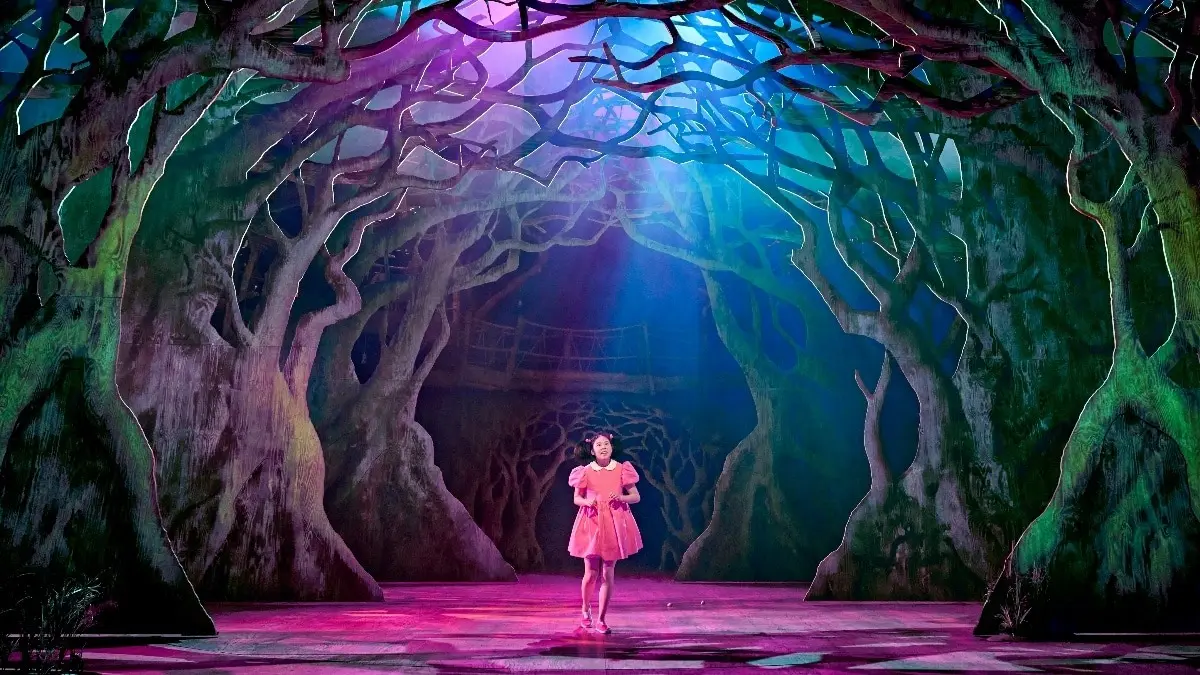
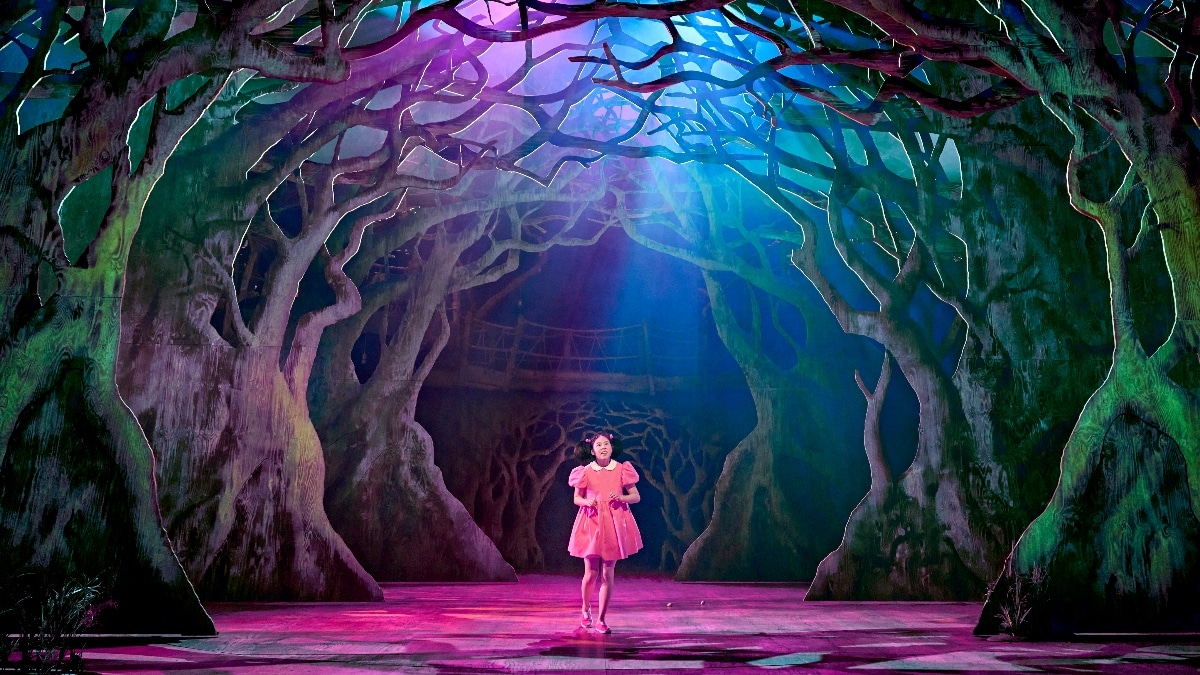
| Fantasy & Wonder | My Neighbour Totoro | Deep Percentage Cuts | Up to 44% | October 31, 2026 |
By pairing these metrics with critical reviews and cultural prestige, producers ensure that the integrity of the ticket value remains intact while lowering the barrier to entry for budget-conscious theatregoers.
Official Industry Perspectives & Creative Highlights
Industry insiders emphasize that this autumn’s lineup balances commercial muscle with artistic risk-taking. Producers and venue operators have curated a season that speaks directly to diverse demographic groups, from multi-generational families to young professionals seeking boundary-pushing contemporary works.
Highlighting Standout Productions
- The Cultural Heavyweights: Stranger Things: The First Shadow continues to push technical and narrative boundaries at the Phoenix Theatre, bridging the gap between binge-watch culture and live stage illusion. Meanwhile, Harry Potter and the Cursed Child remains a cornerstone of the West End’s family tourism economy.
- The Star Power Factor: Casting choices continue to drive marquee sales. The arrival of Hollywood icon Teri Hatcher as the formidable Miranda Priestly in The Devil Wears Prada has generated considerable media buzz, making current promotional pricing an unmissable opportunity for pop-culture enthusiasts. Similarly, musician Sam Ryder brings crossover appeal to Jesus Christ Superstar.
- Critical Darlings and Comedies: Fresh off glowing critical reviews, parodic pop-musical Titanique and the historical-satire comedy Oh Mary! prove that London audiences are hungry for sharp, irreverent wit. Paired with timeless institutional mainstays like Agatha Christie’s The Mousetrap—the longest-running play in theatre history—the autumn slate offers a masterclass in programming diversity.
- Family and Fantasy Immersion: Studio Ghibli’s theatrical adaptation of My Neighbour Totoro has won over critics and audiences with its breathtaking puppetry and emotional resonance. Combined with family-friendly heavy hitters like Matilda the Musical and the high-octane spectacle of Beetlejuice, the autumn discount schedule ensures that theatrical wonder remains accessible during tightening economic cycles.
Future Outlook: What Lies Beyond Autumn 2026
As the West End moves past the autumn promotional window and looks toward the lucrative winter festive season, several overarching trends are emerging that will shape London’s theatrical future.
The Evolution of Dynamic Pricing
The success of structured autumn discounting suggests that ticketing platforms and producers will continue to refine dynamic pricing algorithms. Rather than relying on rigid static pricing throughout the year, the industry is moving toward agile micro-campaigns that respond in real-time to weather patterns, economic indicators, and tourism fluctuations. This flexibility benefits both producers—who can optimize yield on high-demand Friday and Saturday night slots—and consumers, who can strategically target mid-week performances during promotional windows like those closing this October.
Accessibility and Audience Development
A central priority for West End stakeholders moving into 2027 is the cultivation of younger and more diverse audiences. Campaigns that waive booking fees for shows like Six and The Book of Mormon or offer deep discounts on contemporary comedies directly address cost-of-living concerns that might otherwise deter spontaneous theatregoing. Industry analysts predict that future seasons will lean even further into digital-first promotions, interactive seat selection tools, and bundled dining-and-theatre packages.
Final Takeaway for Theatregoers
With critical deadlines looming on October 7, October 15, and October 31, 2026, patrons are advised not to delay. Whether seeking the heart-pounding thrills of The Mousetrap, the musical genius of Oliver!, or the visual poetry of My Neighbour Totoro, the autumn 2026 West End season represents a rare convergence of world-class artistic excellence and exceptional financial value.
To explore the full spectrum of available shows, check specific performance dates, and secure promotional tickets before the respective deadlines pass, visit the official Ticketmaster West End Theatre Guide.