Executive Overview
In an era where the live music landscape is increasingly dominated by corporate streamlining, rising operational costs, and the frequent folding of independent cultural gatherings, the endurance of the End of the Road (EOTR) Festival is nothing short of a triumph. Celebrating its twentieth anniversary in September 2026, EOTR remains an outlier in the modern festival circuit. Set against the picturesque backdrop of Larmer Tree Gardens on the Dorset-Wiltshire border, the four-day event resolutely sails against mainstream commercial currents.
Rather than relying on hyper-commercialized marketing or predictable radio-friendly lineups, EOTR continues to curate its bills with a connoisseur’s ear. It acts as a unifying anchor for a devoted community of UK music lovers—audiophiles who still collect physical media, frequent grassroots venues, and champion uncompromising artistic expression. Marking two decades of existence, the 2026 edition delivered a masterclass in festival programming, balancing challenging avant-garde experimentation, visceral punk energy, contemporary folk revisions, and celebratory marquee moments. This comprehensive review chronicles a weekend where the past, present, and future of underground and alternative music converged.
Detailed Chronology: Day-by-Day Festival Breakdown
Thursday: An Explosive, Uncompromising Prologue
Opening night at a major festival usually eases audiences in with accessible, crowd-pleasing fare. End of the Road, true to form, opted for a sonic assault. On the Woods Stage, Woods set an adventurous tone, paving the way for the brutal, war-like industrial noise of YHWH Nailgun, whose clattering fuzz and thunderous delivery established an uncompromising mood.
This confrontational ethos culminated with Thursday night headliners Geese. Fronted by the widely touted Cameron Winter, the art-rock outfit ignored every convention of a traditional festival-closing set. Disorienting, relentless, and structurally volatile, their performance drew comparisons to mid-period, highly experimental Radiohead. While a small fraction of the audience remained perplexed by their dizzying tempo and mood shifts, roughly 80% of the massive crowd awarded them an enthusiastic endorsement. Believers left championing them as the most important rock band of their generation.
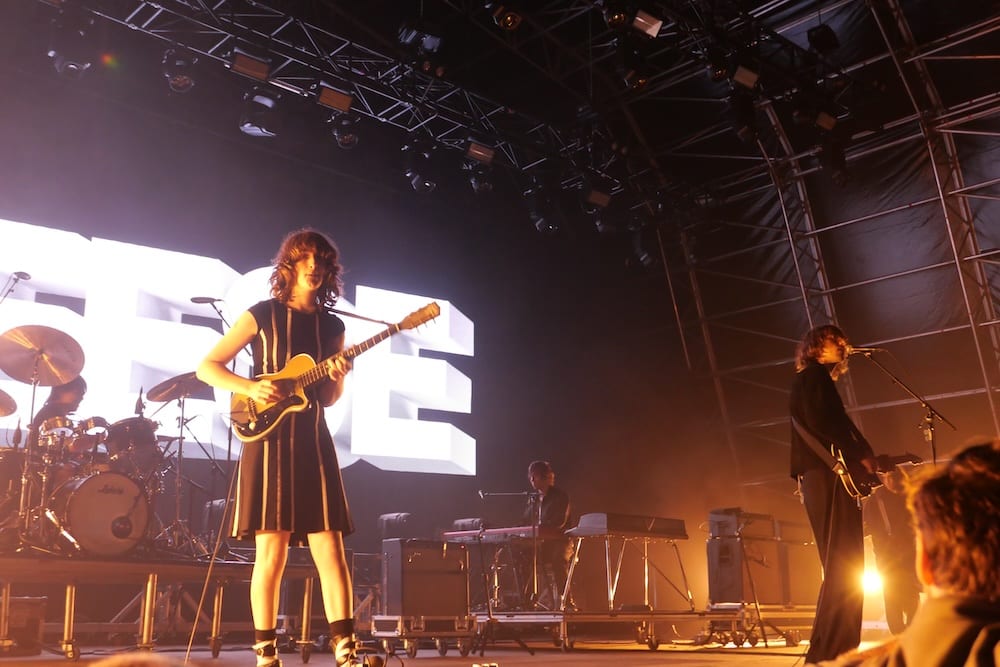
Over at the indoor Folly arena, expectations were significantly more modest. Dublin’s M(h)aol, featuring singing drummer Constance Keane, took the stage with self-effacing humor, joking that they expected to play exclusively to the sound engineer. Instead, they delivered a masterclass in abrasive post-punk, pairing dive-bomb feedback with whip-smart lyricism. The sheer, frantic climax of their track "Pursuit" proved to be one of the early emotional high-water marks of the weekend.
Friday: From Golden Eras to Interstellar Overdrive
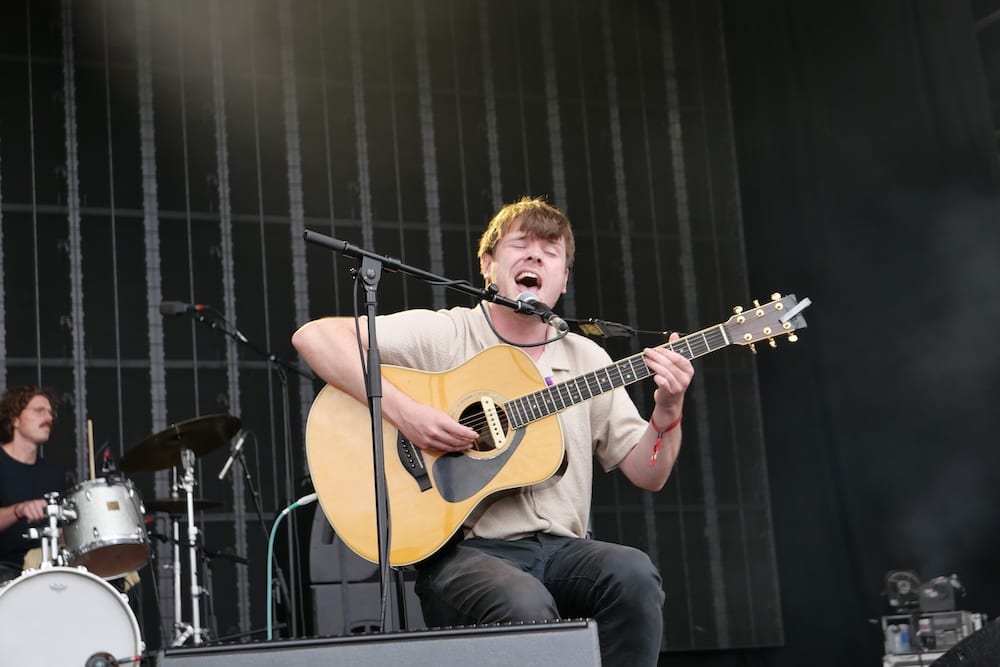
Friday morning opened inside the Folly with Alex Amen, whose vintage aesthetic channeled early-1960s Bob Dylan filtered through a George Harrison lens. Delivering acoustic songcraft that felt miraculously transported from late-60s Big Pink, Amen conjured the specters of classic folk-revival troubadours for a captivated morning audience.
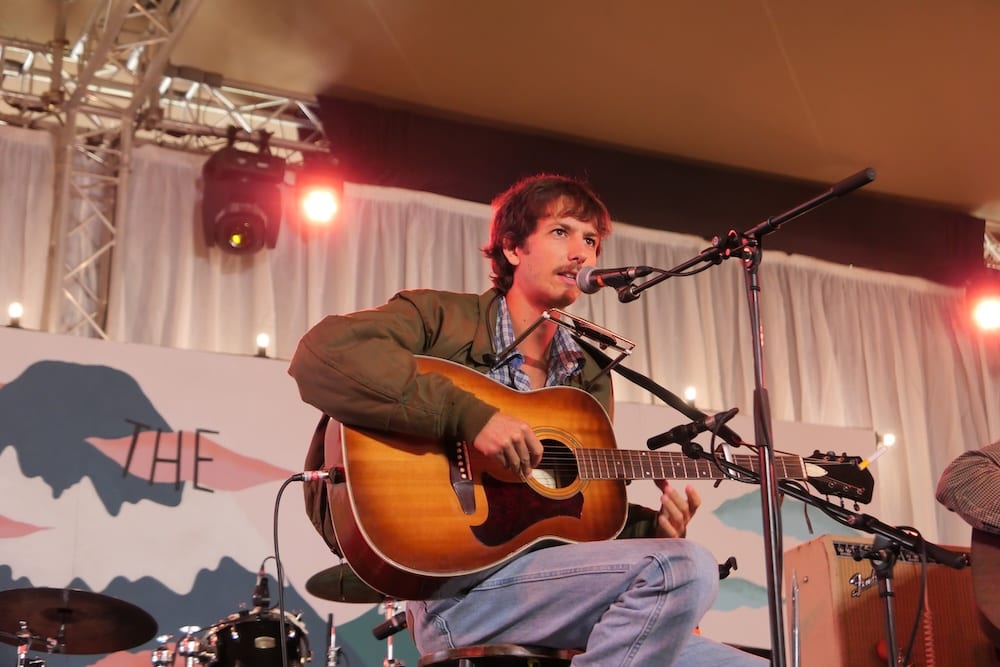
In stark contrast, Junior Brother brought traditional Irish folk crashing into the realities of the twenty-first century. Their set was discordant, chaotic, and politically urgent—a sophisticated fusion of acoustic tradition and unfiltered punk rage. Though frontman Junior Brother joked about being an optimist waiting for the sun, his anguished, cathartic delivery served as an authentic cry for a troubled planet.
As the day progressed, the Big Top hosted Ghostwoman, whose propulsive, hypnotic psych-rock married late-80s/early-90s indie-dance grooves with soaring, improvisational freedom. Nodding subtly to classic psych touchstones without ever losing their distinct identity, they whipped the tent into a frenzy.
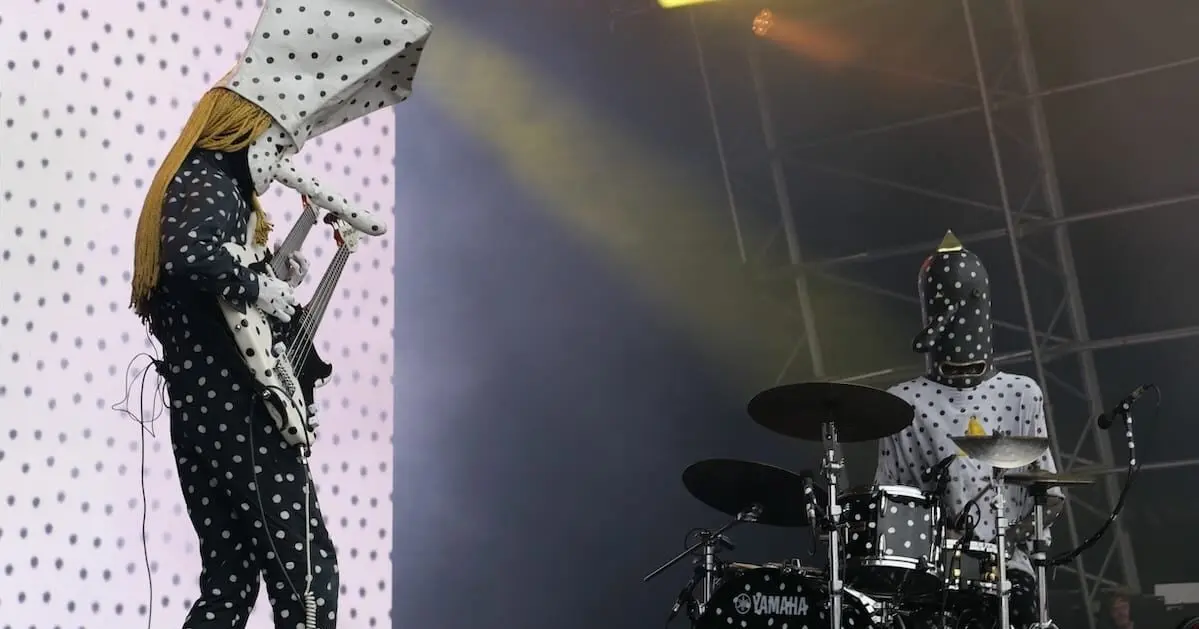
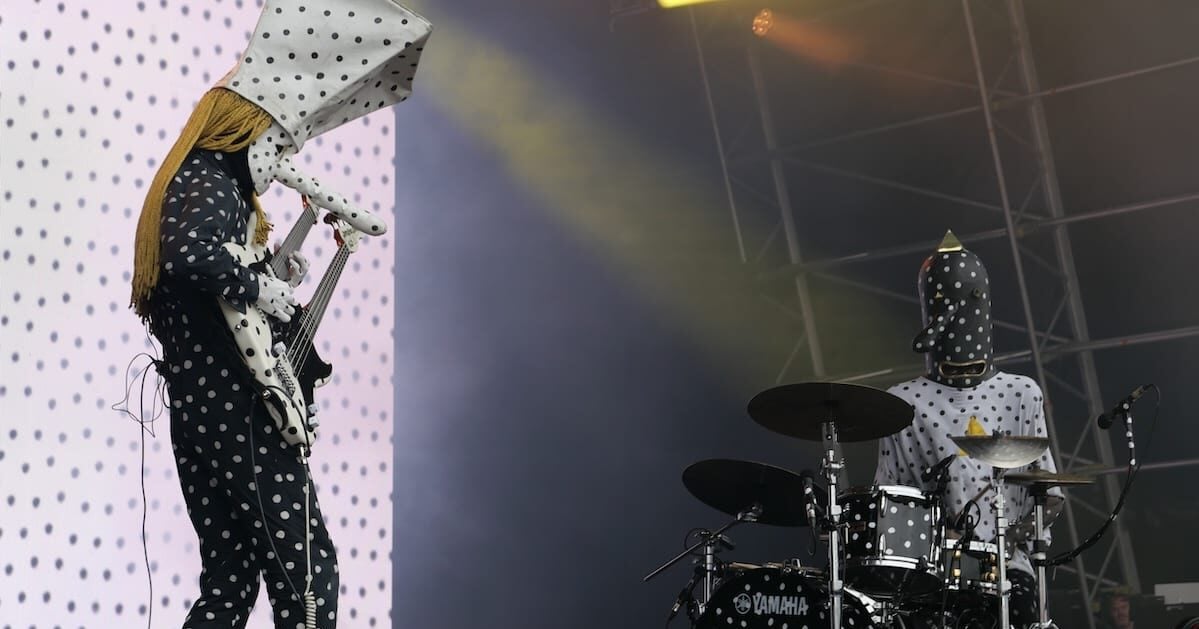
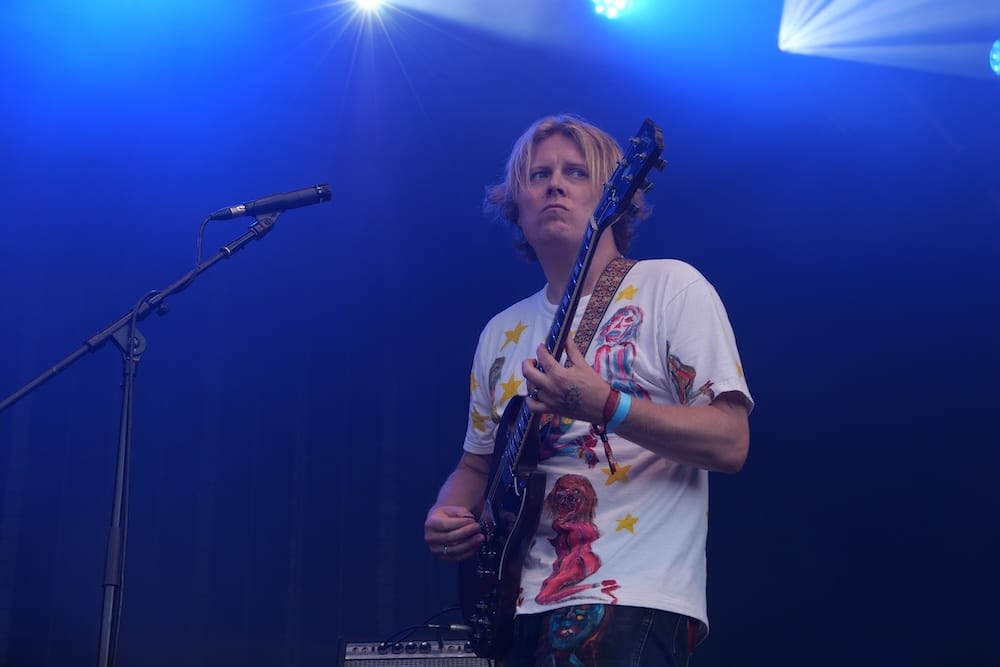
The cosmic trajectory was pushed further by Angine de Poitrine on the Woods Stage. Dressed in striking black-and-white polka dots, the time-traveling trio delivered intricate, futuristic jazz-rock that somehow slipped right past the metaphorical "jazz police." Their complex arrangements, paired with an elaborately mapped visual spectacle, even managed to provoke the politest, most joyful mosh pit of the weekend.
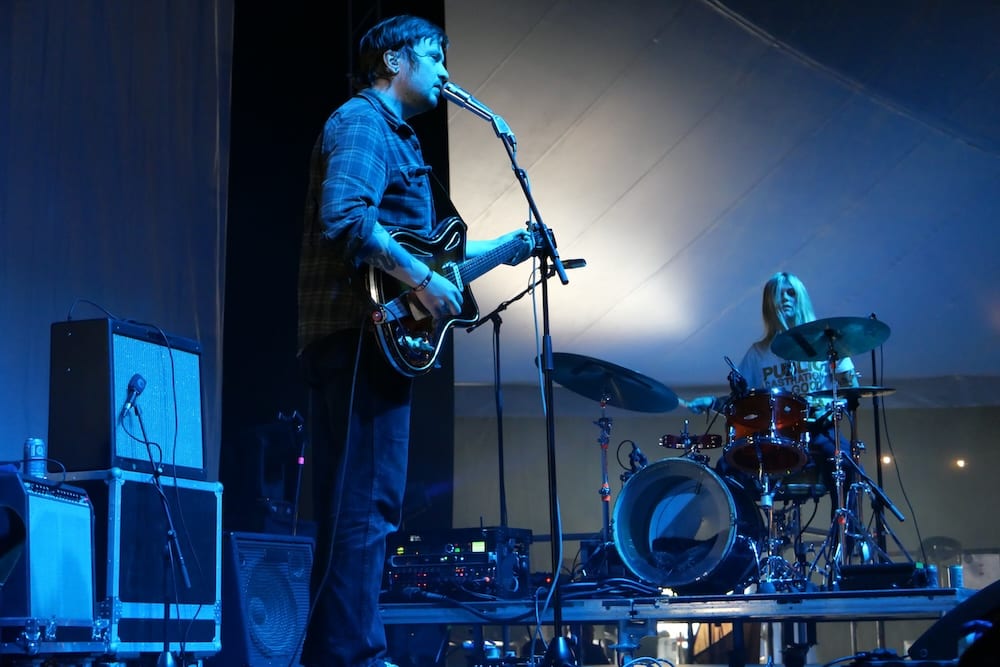
Friday evening also offered one of EOTR’s signature charms: secret sets. Stumbling near the Garden Stage, festival-goers were lured by a potent mix of primal punk fury and melodic color, courtesy of Ty Segall and his electric band (featuring Mikal Cronin on bass). For those lucky enough to catch it, the spontaneous afternoon pop-up was a thrilling precursor to Segall’s thunderous full evening performance on the main stage.
Saturday: Storytellers, Global Rhythms, and Britpop Royalty
Saturday afternoon welcomed New York’s quintessential vinyl-loving poet, Jeffrey Lewis, performing with his band The Voltage. Merging cynical urban wisdom with a chugging, Velvet Underground-inspired pulse, Lewis proved to be a master communicator. Utilizing comic book pages projected on the main screen to accompany his story-songs, tracks like "Sometimes Life Just Hits You" and "Cult Boyfriend" resonated deeply with the crowd, balancing aggressive rock energy with vulnerable reflection.
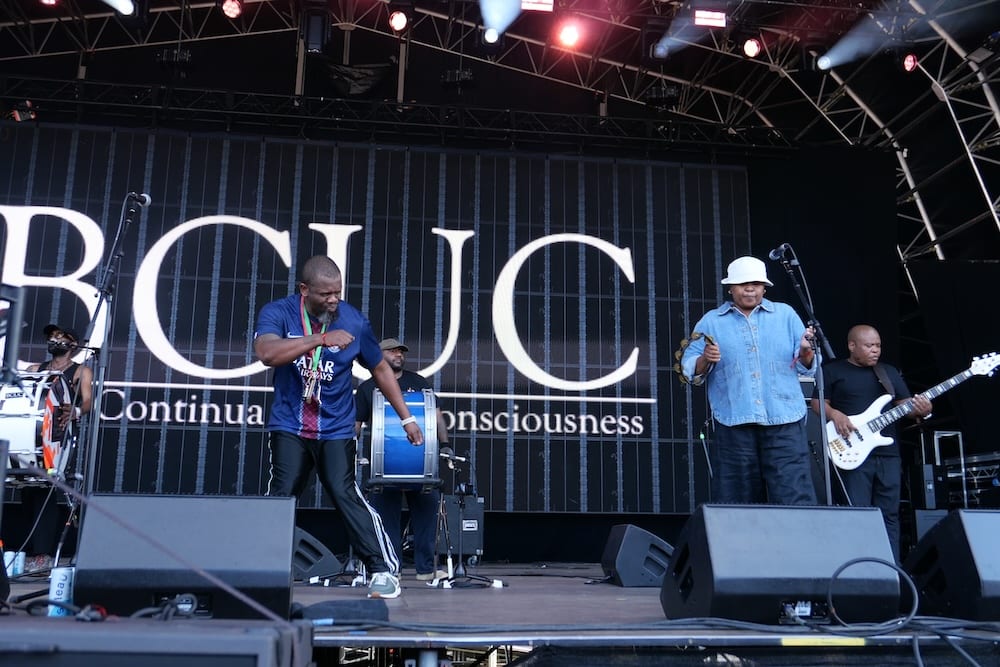
The afternoon’s global perspective was provided by BCUC (Bantu Continua Uhuru Consciousness). The seven-piece Soweto ensemble injected the main stage with a vibrant, electrifying pulse, weaving traditional South African sounds with futuristic electronic beats, psychedelic undertones, and immediate pop hooks.
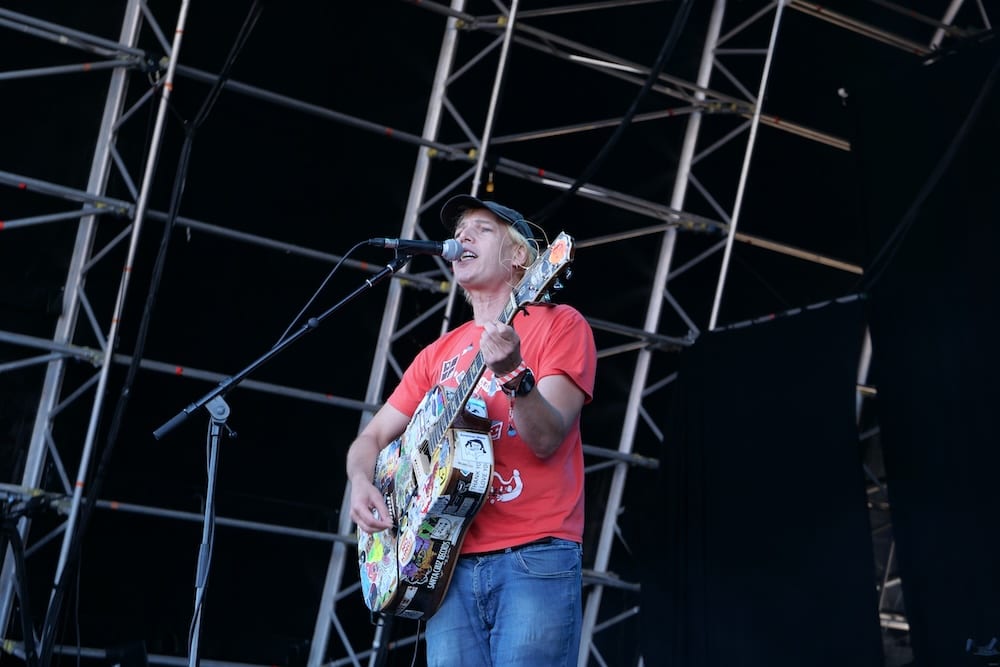
Meanwhile, the Garden Stage showcased the unvarnished grit of Dublin folk act Madra Salach. Blending hypnotic musical drones with traditional material popularized by Ewan MacColl, singer Paul Banks commanded the space with theatrical intensity. A heartwarming moment unfolded when Banks, spotting a lost terracotta Wellington boot belonging to a young festival attendee, enlisted the crowd’s help. Within minutes, the stray footwear was crowd-surfed forward to the stage to rapturous applause—a testament to the festival’s tight-knit, communal spirit.
As evening approached, Carson McHone anchored the Talking Heads stage with classic, beautifully crafted folk-rock drawn from her acclaimed Pentimento album. Despite drawing a smaller crowd due to a scheduling clash with the evening’s main headliners, McHone’s devotees stood firm, recognizing the caliber of her songwriting.
Those who migrated to the main stage were treated to a historic headline performance from Pulp. Marking one of their final live outings "for a while," Jarvis Cocker and company delivered a masterclass in festival curation. Interspersing iconic Britpop anthems with rare early singles and deep cuts, Cocker beamed through a set rich in both communal joy and poignant reflection. While some fans debated whether the set should have ended on a louder, more euphoric high, the decision to close with the deeply emotional "Something Changed" (accompanied by childhood photos on the screen) and the transcendent, hopeful sweep of "Sunrise" felt profoundly fitting for EOTR’s twentieth anniversary.
Sunday: Icons, Folk Revisions, and Apocalyptic Finales
The festival’s final morning avoided scheduling bottlenecks with a flurry of early-bird highlights. At the Folly, WARBY showcased Russell Warby’s soulful pop conviction, while Lily Seabird commanded the main stage with the confident, outsider folk-rock sensibilities of her Trash Mountain era.
Over at the Garden Stage, legendary folk icon Bonnie Dobson delivered a historic performance, backed expertly by The Hanging Stars. Bridging generations, Dobson charmed the audience with reflections on her longevity—joking about the slight unease of playing a festival called End of the Road—and sharing memories of a young Bob Dylan, before delivering a breathtaking rendition of her 1961 classic, "Morning Dew."
The afternoon brought further folk variations:
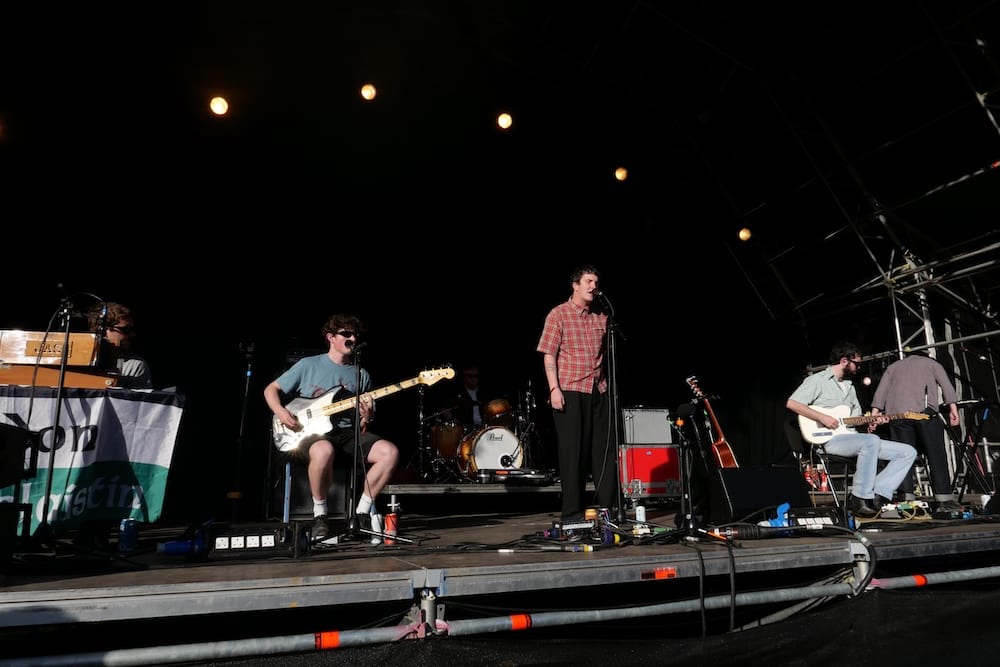
- Folk Bitch Trio (Melbourne) delivered serene, harmonious meditations on young adult life reminiscent of First Aid Kit.
- Marisa Anderson mesmerized audiences on electric guitar, drawing from her Anthology Of Unamerican Folk Music to reclaim historical source material through a classical, meditative lens.
- OXN (featuring Radie Peat of Lankum alongside John "Spud" Murphy, Eleanor Myler, and Katie Kim) injected the Garden Stage with a dark, punishing intensity. Their sprawling, drone-laden murder ballads fused traditional Irish motifs with industrial, krautrock-esque soundscapes, presenting a wholly modern vision of folk tradition.
The festival drew to a thunderous close in the Big Top under the spell of Anna Von Hausswolff. A decade after emerging as a keyboard-playing classical ingenue, Von Hausswolff delivered an apocalyptic, audio-visual tour de force following her ICONOCLASTS album. Her performance felt like a necessary tearing down of old structures to make way for bold new sonic horizons—a fitting metaphor for End of the Road itself.
Supporting Context & Metrics
- Milestone: The 2026 edition marked the 20th anniversary of the End of the Road Festival.
- Location: Larmer Tree Gardens, situated on the Dorset-Wiltshire border, renowned for its intimate, wooded landscape and commitment to environmental preservation.
- Curatorial Philosophy: A deliberate rejection of algorithmic, chart-driven line-ups in favor of deep-crate curation, encompassing avant-garde rock, underground folk, global electronica, and secret pop-up performances.
- Notable Acts Featured: Geese, YHWH Nailgun, Woods, M(h)aol, Junior Brother, Ghostwoman, Angine de Poitrine, Ty Segall, Jeffrey Lewis, BCUC, Madra Salach, Carson McHone, Pulp, Bonnie Dobson, Folk Bitch Trio, Marisa Anderson, OXN, and Anna Von Hausswolff.
Official Statements and Cultural Impact
While formal corporate press releases were minimal, the overwhelming sentiment from participating artists, independent promoters, and attendees underscored EOTR’s vital role in the UK cultural ecosystem.
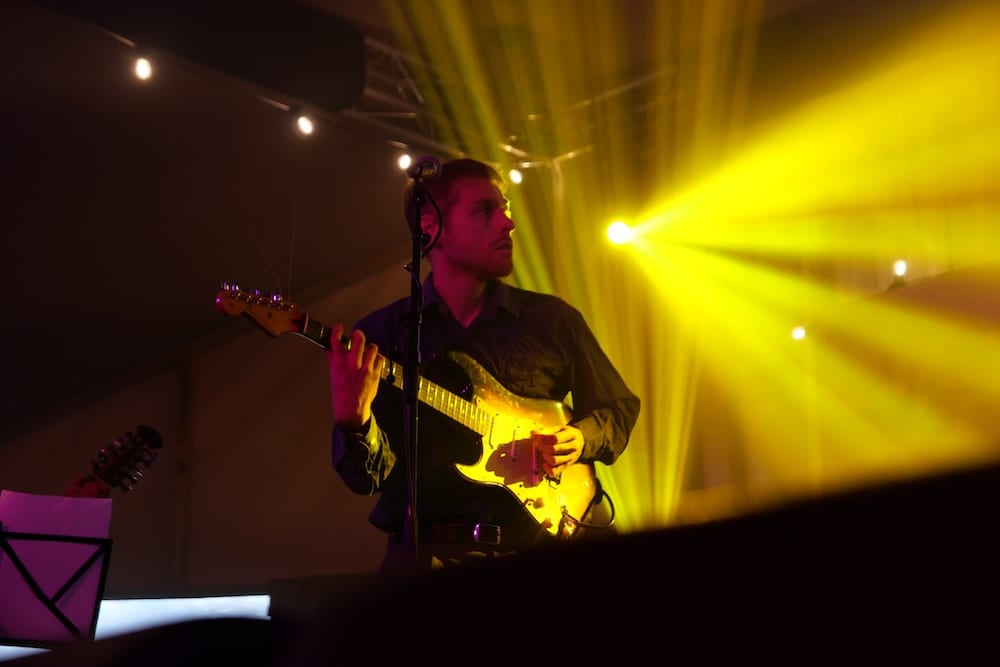
Festival organizers and returning performers repeatedly highlighted the unique symbiosis between audience and curator at Larmer Tree Gardens. In a live music climate where mid-tier independent festivals are increasingly forced into liquidation or acquisition by major conglomerates, End of the Road’s continued independence serves as a blueprint for cultural sustainability. By trusting its audience’s capacity for challenging, genre-fluid music—from the abrasive post-punk of M(h)aol to the radical folk-drone of OXN—the festival proves that commercial safety is never a prerequisite for a successful, sold-out weekend.
Future Outlook: The Next Decade of Discovery
As End of the Road closes the book on its first two decades, its trajectory points firmly toward the future. The 2026 festival demonstrated that the appetite for physical-media culture, live musical discovery, and communal listening spaces has never been stronger.
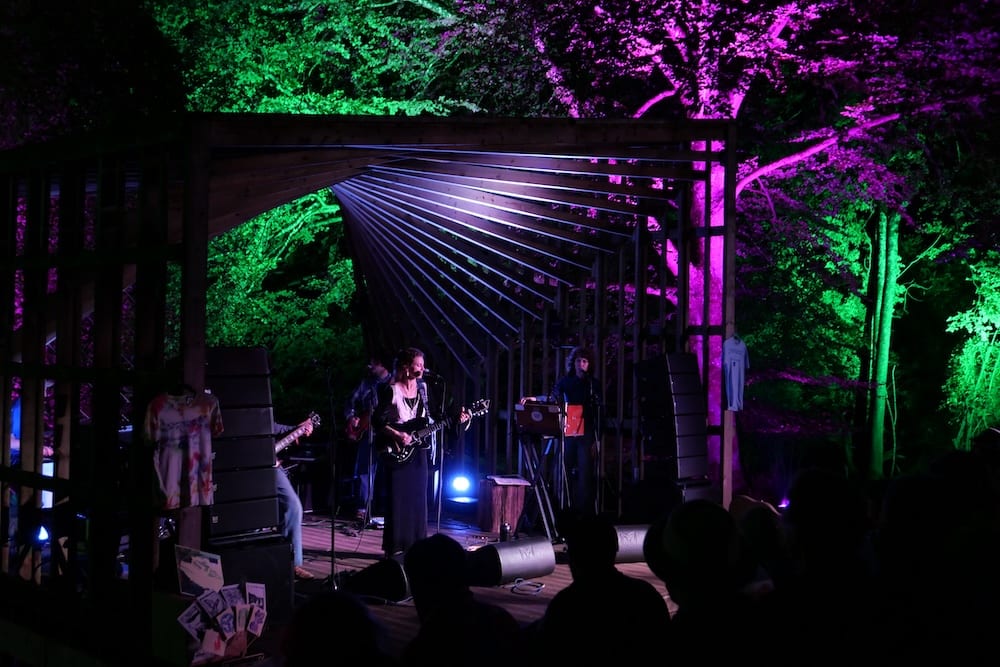
By continuing to offer a sanctuary for artists who operate outside mainstream commercial pipelines, EOTR has cemented its status as the definitive proving ground for alternative music in the 21st century. As festival-goers packed up their tents and headed home from the Dorset-Wiltshire border, the prevailing mood was not one of exhaustion, but of anticipation for the next dawn—secure in the knowledge that as long as End of the Road stands, underground music will always have an unshakeable home.