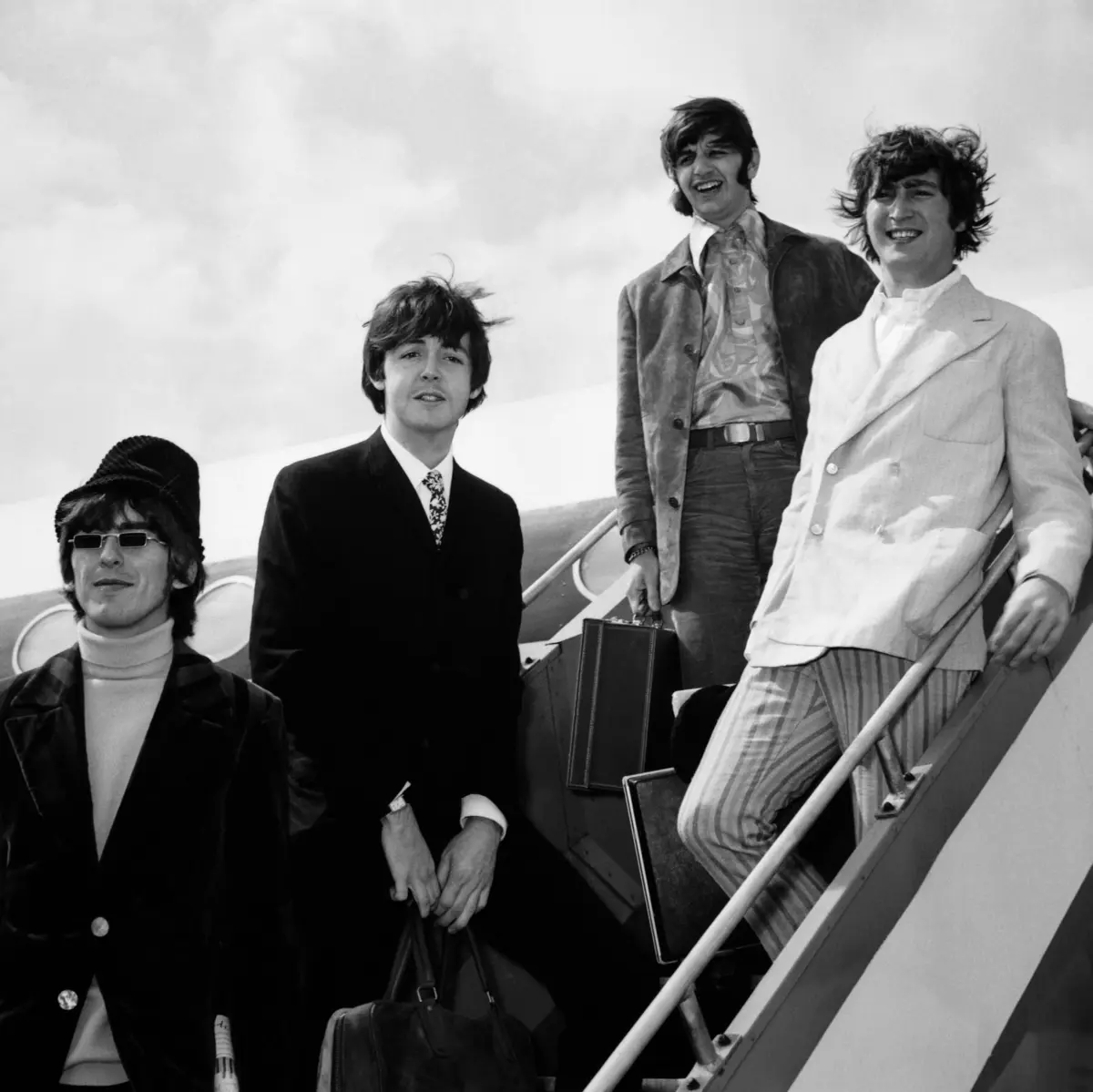
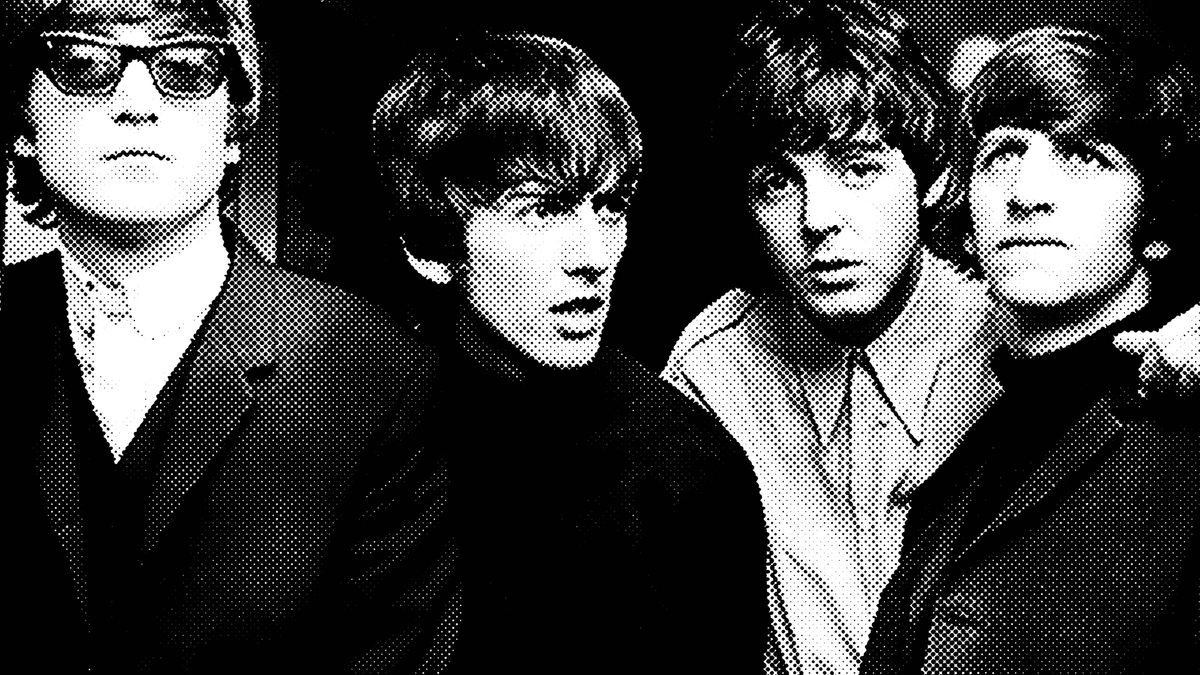
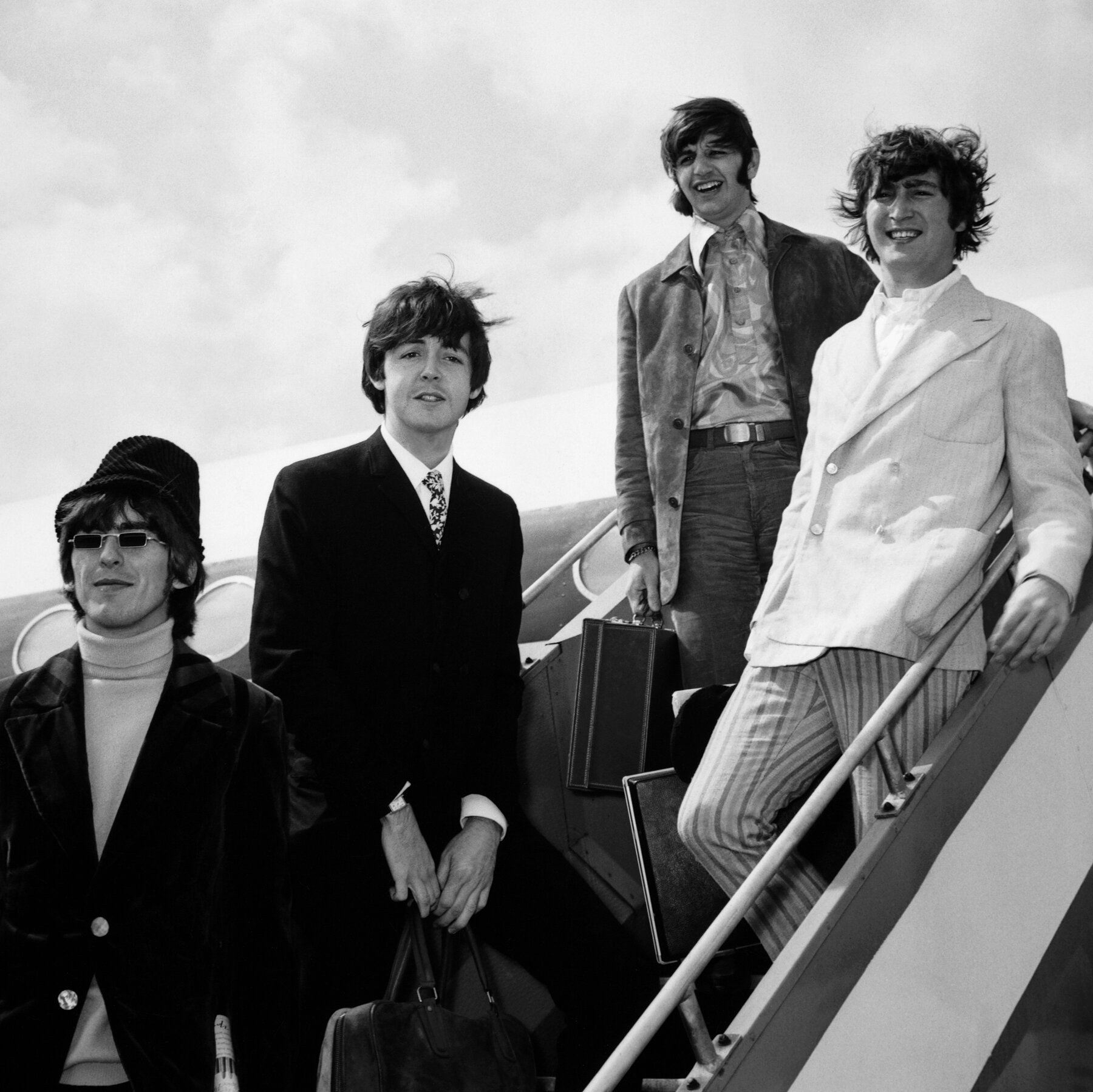
Few cultural artifacts loom as large over the modern imagination as the discography of The Beatles. John Lennon, Paul McCartney, George Harrison, and Ringo Starr did not merely make popular music; they systematically rewrote the structural possibilities of Western pop, transforming it from a youth-oriented novelty into a high-art medium. Nearly six decades after their messy, catalytic breakup, their legacy remains as fiercely contested, endlessly analyzed, and vividly alive as ever.
To take on the task of ranking their top ten studio albums is to walk through a minefield of deeply entrenched critical consensus, personal nostalgia, and passionate debate. Yet, as music lovers continue to discover these records anew—whether through newly minted anniversary box sets, cinematic documentaries, or the crackle of a secondhand vinyl record—the core question persists: how do these genre-defining masterpieces stack up against one another?
From the raw, breathless energy of their early Merseybeat days to the studio wizardry of their psychedelic and terminal years, this comprehensive retrospective examines the top ten studio albums of the most important band in rock-and-roll history. And a fair warning to Sir Paul McCartney: if you happen to be reading this and take issue with any placement, my door at the Rough Trade warehouse is always open. We can work it out.
DETAILED CHRONOLOGY: THE TEN DEFINITIVE BEATLES ALBUMS
10. With the Beatles (1963)
The Beatles’ second studio album is a remarkable document of a band rapidly conquering a continent. Balancing a fantastic array of R&B covers with burgeoning originals, With the Beatles captures the verve and raw power of a group that had already seized control of Great Britain. They never played R&B with quite this much swagger again; witness the Smokey Robinson-inspired vocal precision of All I’ve Got to Do and the sheer, unbridled attack of Money (That’s What I Want), which stands as arguably John Lennon’s finest early vocal performance.
The album also communicates with its fanbase with unprecedented intimacy: they call you up on the phone (All I’ve Got to Do), send you dispatches through the post (All My Loving, Please Mr. Postman), and curtly tell admirers to buzz off (Don’t Bother Me). Why rank it tenth? Something has to occupy the bottom slot. Ultimately, it suffers from a slight structural sag in the middle, populated by uninspired Lennon-McCartney originals like Little Child and I Wanna Be Your Man. Much better things were around the corner.
Key Track:Not a Second Time
9. Let It Be (1970)
Let It Be commits a fascinating sin for a Beatles record: it fails to completely transcend reality. Functioning as the soundtrack to Michael Lindsay-Hogg’s cinéma vérité documentary, the album sounds precisely like what it is—a fractured snapshot of a historically brilliant band stumbling through an uncharacteristically aimless month in the studio.
While it features wonderful compositions (Across the Universe, Two of Us, I Me Mine) and benefits immensely from the soulful injection of keyboardist Billy Preston, it remains the studio LP that falls farthest from their towering standards. With only one "new" Lennon-led track anchoring the project (as Don’t Let Me Down was notably omitted from the original tracklist), the material frequently feels in need of one final compositional pass. Though Richard Hewson’s controversial 1970 orchestral overdubs make it sound like a convincing record, it rarely feels like a cohesive Beatles record.
Key Track:Two of Us
8. Help! (1965)
Much like the madcap Richard Lester film it accompanied, Help! finds The Beatles at their most heightened, cinematic, and cartoonish. Their preceding release, Beatles for Sale, had paired a predictable slate of cover versions with glum, acoustic-heavy folk originals. Help!, by contrast, saw the lads loosen their ties.
It introduced two generous George Harrison compositions, sweeping organ textures, the pioneering use of a guitar fuzz pedal, and—in the form of Yesterday—a solo Paul McCartney performance backed entirely by a string quartet. Though some of the visceral Merseybeat vitality was traded for acoustic sophistication, it is impossible to argue with the songwriting triumph of I Need You, You’ve Got to Hide Your Love Away, I’ve Just Seen a Face, and the criminally underrated It’s Only Love. Only a clunky, contract-fulfilling cover of Larry Williams’ Dizzy Miss Lizzy mars an otherwise stellar sequence.
Key Track:I’ve Just Seen a Face
7. Please Please Me (1963)
"Sexual intercourse began in nineteen sixty-three… between the end of the Chatterley Ban and The Beatles’ first LP." Philip Larkin’s famous poetic verse may have been hyperbolic, but the grumpy critic was onto something. It is easy to grow tired of revisionist histories that paint The Beatles as Year Zero for all of British pop—brilliant records certainly preceded them. Yet, dropping the needle on Please Please Me after burning through your Adam Faith and Cliff Richard singles is an undeniable jolt to the system.
Recorded for the most part in a single, exhausting marathon session at EMI Studio 2, the album acts as the band’s own red-brick Brill Building. The stylistic range, compositional color, and consistent quality of this debut were nothing short of groundbreaking. It remains a record that rewards constant revisiting. All together now: one, two, three, FAW!
Key Track:There’s a Place
6. A Hard Day’s Night (1964)
On record and on screen, The Beatles were utterly indomitable in 1964—musical Daleks whose cultural eradication was swift and absolute. A Hard Day’s Night holds the distinct honor of being their first album composed 100% of Lennon-McCartney originals, standing as their most aggressive and triumphant sonic assault of the early Beatlemania era.
Every single track is a winner, with subtle structural dips into Latin rhythms (And I Love Her) and American country (I’ll Cry Instead) pointing directly toward the band’s genre-bending future. Though it may not be their absolute greatest artistic statement, A Hard Day’s Night is arguably their most structurally perfect. Contemporary fans frequently undervalue the early records, but to do so is a grave mistake.
Key Track:And I Love Her
5. Rubber Soul (1965)
Rubber Soul represents the moment The Beatles made their great, definitive artistic step-up. Infused with simmering Motown rhythms (Drive My Car, You Won’t See Me), explicit nods to Bob Dylan’s lyrical candidness (Norwegian Wood), and emerging proto-hippie philosophies (Think for Yourself, The Word), the canvas has rarely felt so focused.
The concentration of timeless classics here is staggering. Had the band miraculously decided to call it a day in 1966, Rubber Soul would be remembered far more cleanly for what it truly is: the grand architectural kick-off for the psychedelic explosion on both sides of the Atlantic.
Key Track:Girl
4. Abbey Road (1969)
There is a telling moment in The Anthology documentary series where producer George Martin recalls agreeing to helm Abbey Road"only if you let me produce it the way we used to." The band’s final recorded studio album is shaped entirely by the fading, grand ambitions of McCartney and Martin. It acts as a spiritual sequel to Sgt. Pepper, serving as a massive dry-run for the blockbuster album era of the 1970s via glossy arrangements and an inspired, continuous closing song-cycle.
Disparate, unfinished compositions—two instant standards by George Harrison, an octopus-themed country romp from Ringo Starr, an eight-minute doom-metal precursor from Lennon, and a macabre McCartney ditty about a hammer-wielding student—mesh together with miraculous grace. Released while Let It Be languished in purgatory, Abbey Road is an audacious, triumphant curtain call. They went out with an earth-shattering bang.
Key Track:I Want You (She’s So Heavy)
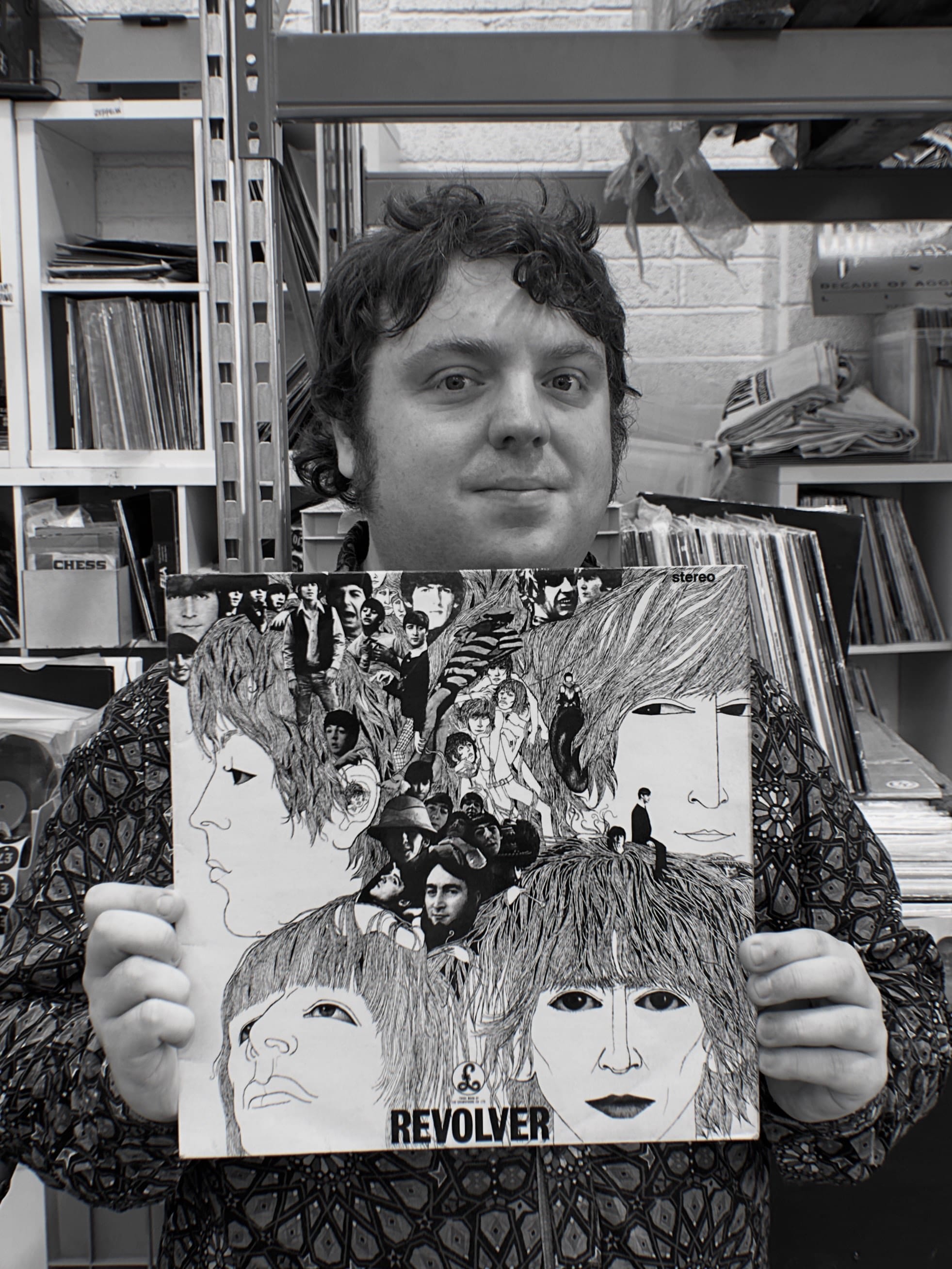
3. Revolver (1966)
It is the ultimate indie-kid choice, long hailed as the "cool" Beatles record. Revolver bears the closest sonic resemblance to modern rock music of anything in their catalog, laying the definitive blueprints for the entire Britpop movement decades later (two distinct Noel Gallagher/Chemical Brothers collaborations are practically photocopies of Tomorrow Never Knows).
It wasn’t always viewed this way; upon release in 1966, the record received plenty of slings and arrows. Ray Davies of The Kinks bemoaned "the newer electronic stuff," while middle-of-the-road vocal group The Overlanders dismissed the album as "absolutely useless." History has rendered such criticisms laughable. Blistering, inventive, and structurally fearless, it is a masterclass in studio experimentation.
Key Track:Eleanor Rigby
2. Sgt. Pepper’s Lonely Hearts Club Band (1967)
For decades, Sgt. Pepper was universally crowned The Beatles’ greatest and most culturally transformative achievement. While its star has dimmed slightly among modern purists, its historical weight remains peerless. My theory on its shifting reputation is simple: Pepper successfully bridged the generational divide, welcoming the "mums and dads" into the countercultural fold.
The Edwardian aesthetics, East-meets-West orchestrations, and Lewis Carroll-inspired whimsy appealed deeply to a middle-aged audience. While this initially cemented its status in high culture, it later invited a cynical backlash from rock purists eager for grit. Strip away the historical fatigue, however, and Sgt. Pepper remains a peerless 20th-century artifact—post-war Britain’s artistic renaissance captured across 39 glorious minutes.
Key Track:Within You Without You
1. The White Album (1968)
Every fan has their personal holy grail, and The White Album is mine. It is the record where Lennon, McCartney, and Harrison are simultaneously operating at their absolute peak as songwriters, capturing the widest possible spectrum of their collective capabilities. Blank, mysterious, and monolithic, it sits in their catalog like the obsidian monolith in 2001: A Space Odyssey.
The record grows progressively more haunting as it unfurls, possessing an uncanny psychological depth that defies easy categorization. Listeners who advocate for trimming it down into a single, cohesive LP fundamentally miss the point; no condensed tracklist could replicate this level of thrilling, erratic genius. And yes—Revolution 9 is one of the most daring, brilliant things they ever committed to tape. It’s the bloody White Album. Shut up and listen.
Key Track:Martha My Dear
SUPPORTING CONTEXT & METRICS
To understand the enduring commercial dominance of The Beatles is to look at metrics that modern pop stars can only dream of matching. Over an active recording career spanning just eight years (1962–1970), the band released 13 studio albums in the UK, alongside a sprawling collection of non-album singles, EPs, and localized variations.
Global Sales: Estimated well in excess of 600 million units worldwide, making them the best-selling music act in history.
Chart Supremacy: In the United States alone, they secured 20 Billboard Hot 100 number-one hits—a record that still stands.
Critical Acumen: Major publications, from Rolling Stone to NME, consistently occupy their all-time greatest album lists with multiple Beatles entries, with Sgt. Pepper and Revolver frequently trading the top global slot.
OFFICIAL STATEMENTS & ARCHIVAL INSIGHTS
The internal friction of The Beatles has been documented ad nauseam, yet the artistic tension between their principal songwriters remains the engine room of their success. As George Martin famously observed regarding the group’s late-period tracking sessions:
"The boys were growing up. Their individual tastes were expanding outward into avant-garde, Indian classical music, and American folk. My job wasn’t to control them, but to provide a canvas large enough to hold all of their conflicting visions at once."
Similarly, Derek Taylor, the band’s legendary press officer, wrote prophetically of their enduring appeal:
"The radioactive, cigar-smoking children of AD 2000 will derive as much pleasure from The Beatles as people did in the ’60s."
FUTURE OUTLOOK: THE LEGACY CONTINUES
Sixty years after the release of landmarks like Revolver, the industry machine surrounding The Beatles shows no signs of slowing down. As archival departments continue to unearth multi-track tapes for state-of-the-art spatial audio remixes—overseen by Giles Martin—the listening experience is continually revitalized for digital-native generations.
Upcoming anniversary box sets, immersive museum exhibitions, and localized events—such as the massive 60th-anniversary Revolver listening parties hosted across Rough Trade’s UK flagships in Nottingham, Bristol, and Liverpool—prove that this music is not destined to gather dust in museum archives. It remains a living, breathing part of the global cultural consciousness.
The Beatles are gone, but as long as turntables spin and streaming algorithms recommend Hey Jude to curious twelve-year-olds, the Fab Four will continue to rule the pop universe.