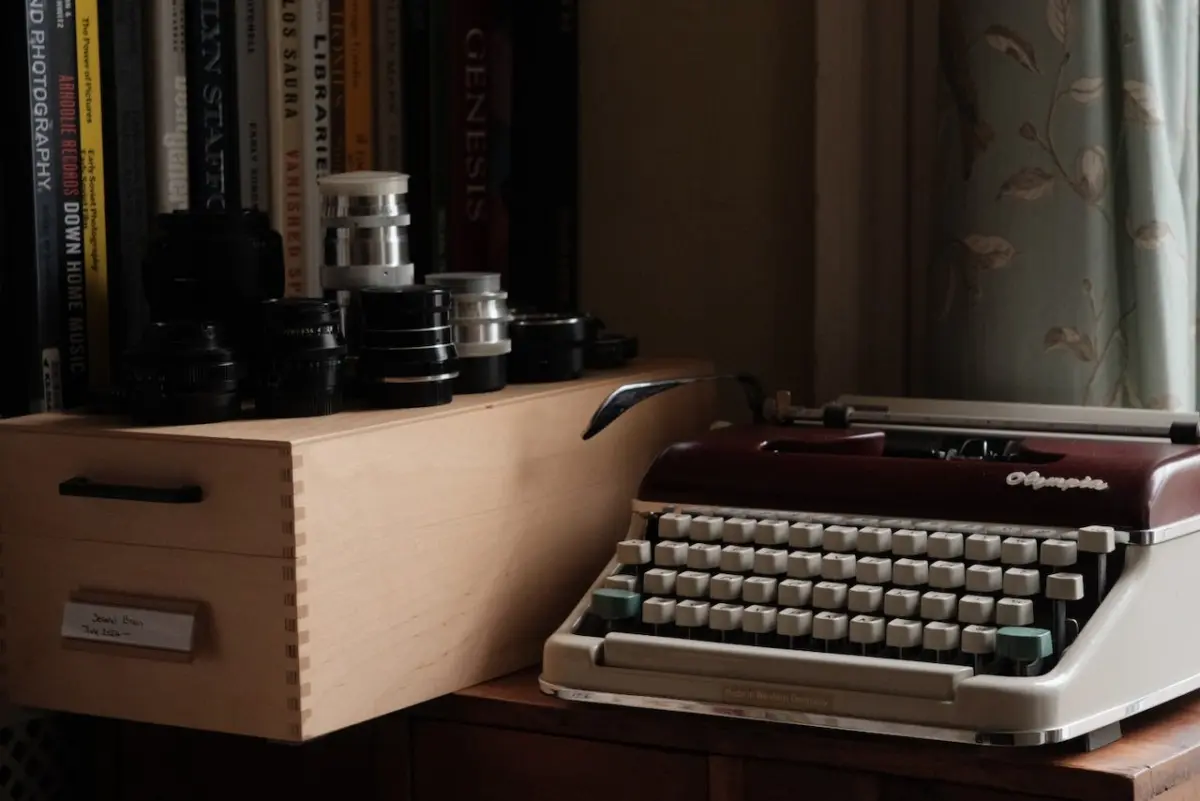
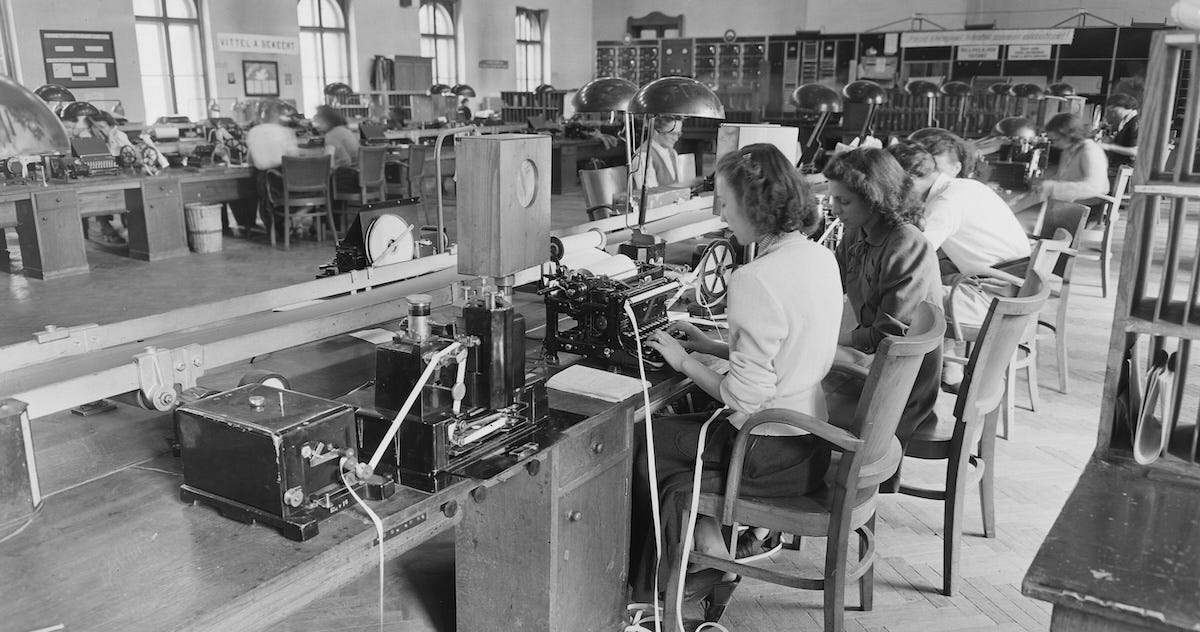
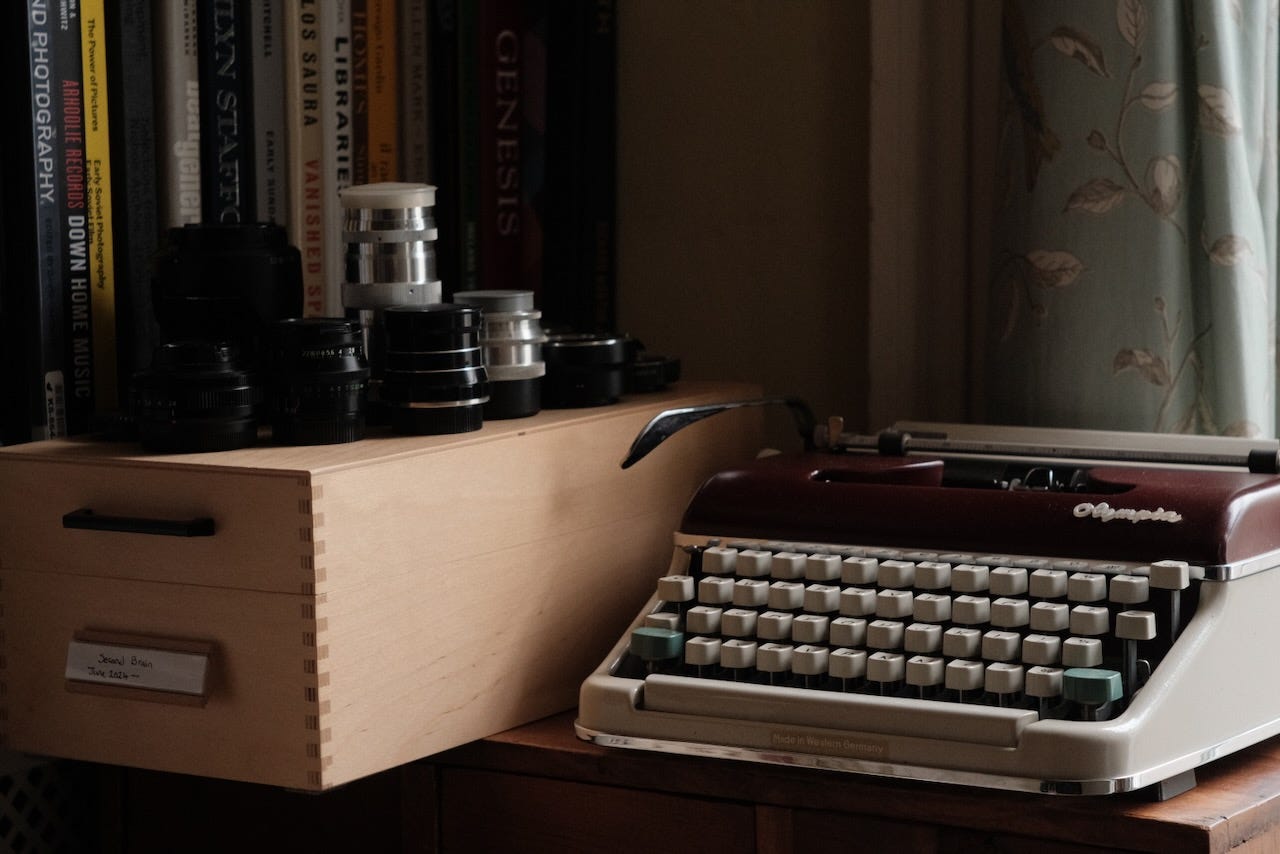
In an era defined by fleeting digital interactions, algorithmic curation, and the erosion of physical attention spans, the guardians of the analogue realm face an unprecedented existential test. The cultural landscape has shifted drastically since the early days of independent music blogging, when listeners routinely dedicated hours to spinning full-length albums and tactile formats reigned supreme. Today, the modern curator operates against a backdrop of AI-generated soundscapes and rapid-fire streaming metrics. Yet, a resilient counter-movement persists—one that champions deep listening, physical objects, and deliberate slowness.
This tension between digital velocity and analogue permanence is currently echoing across multiple creative industries. While independent music curators continue to carve out sanctuary spaces through weekly genre-spanning mixtapes and international playlists, the foundational pillars of physical publishing are wobbling. Most notably, legendary German publishing powerhouse Steidl—globally revered for its uncompromising craftsmanship in photobooks—has recently encountered severe financial headwinds. Attributed primarily to a staggering 50% downturn in international orders driven by shifting trade barriers and looming U.S. tariffs, Steidl’s financial turbulence serves as a cautionary tale for the entire physical arts ecosystem.
This report examines the intricate interplay between the preservation of analogue culture, the evolution of independent music curation in a post-digital landscape, and the macro-economic forces threatening world-class print institutions like Steidl. Through a detailed chronology of industry shifts, qualitative metrics on consumer behavior, official reflections from cultural curators, and a forward-looking analysis, we explore whether the tactile appreciation of art can survive an increasingly digitized world.
Detailed Chronology
The Analogue Baseline: A Pre-Algorithm Era
To understand the current crisis facing physical publishing and deep-form music curation, one must first trace the evolution of the independent cultural medium.
The Early Decades (Pre-2010s): The digital transition was still in its infancy, and music blogs operated as tight-knit communities. Attention spans were structurally wider, anchored by the physical rituals of opening CD jewel cases, dropping vinyl needles, and leafing through heavy photography monographs. Algorithms were virtually nonexistent in daily cultural discovery; instead, human tastemakers, localized record store clerks, and indie publishers dictated the flow of artistic information.
The Rise of "Off the Shelf" and Tactical Preservation: Recognizing the accelerating drift toward placeless digital streaming, independent cultural platforms launched dedicated series—such as the Off the Shelf feature—designed to anchor artists to their physical environments. Creators were invited to photograph and present ten foundational objects from their homes: dog-eared self-published poetry collections, vintage film cameras, hand-carved tokens, and preserved specimens of nature. This movement sought to combat the rootless nature of modern digital consumption by celebrating tangible lineage, such as Fletcher Tucker tending the historic Big Sur homestead and orchards once cultivated by eccentric poet-mystic Jaime de Angulo.
The Digital Acceleration and the Streaming Deluge
Mid-2010s to 2020s: As high-speed mobile internet saturated global markets, music consumption fundamentally fractured. Playlists supplanted albums as the primary unit of currency, and listeners were bombarded with thousands of new releases weekly. Independent curators adapted by splitting their output: offering fast-paced new music mixtapes while simultaneously retreating into specialized, long-form weekly brews that reached across decades, geographies, and esoteric genres.
The AI Inflection Point: By the mid-2020s, artificial intelligence transitioned from a theoretical concept to an everyday utility. Music recommendation engines, automated playlist generators, and AI-assisted content creation flooded streaming platforms with homogenous sonic wallpaper. In direct opposition, human curators doubled down on hyper-curated, cross-cultural selections—pairing Japanese ambient jazz (Minoru Muraoka’s Take Five) with Irish folk-infused compositions (Anna Mieke’s Coralline), spiritual jazz (Brother Ah and The Sounds of Awareness), and subterranean indie rock.
The Steidl Crisis: A Macro-Economic Shock
Late 2024 – 2026: While independent curators navigated streaming saturation, high-end print publishing encountered a devastating financial squeeze. Steidl, the Göttingen-based publisher universally acknowledged as the gold standard for photobook craftsmanship, announced alarming financial difficulties.
The Catalyst: While industry observers initially feared that the digital shift—the reality that modern audiences increasingly view photography through smartphone and laptop screens—was killing the photobook market, insider reports revealed a more immediate culprit. A punishing combination of logistical inflation and dramatic shifts in international trade policy, most notably tariff pressures spearheaded by the United States, triggered an acute 50% collapse in international orders. For a publisher that refuses to compromise on paper quality, specialized binding, and artisanal printing presses, this sudden export contraction threatened to dismantle decades of meticulous publishing heritage.
Supporting Context & Metrics
The survival of analogue mediums is not merely a romantic pursuit; it is quantifiable through shifting consumer demographics, production economics, and cultural engagement metrics.
Consumer Shift Metrics
The Vinyl and Print Resurgence: Despite the dominance of streaming platforms (which account for over 84% of recorded music revenue globally), physical media has experienced localized counter-booms. Vinyl record sales have outpaced CDs in units sold for multiple consecutive years, proving a persistent consumer desire for tactile ownership.
The Photobook Niche: High-end art books, however, occupy a more fragile economic tier. Unlike mass-market paperbacks, publishers like Steidl operate on razor-thin margins dictated by material costs. A single Steidl publication—such as John Cohen’s The High & Lonesome Sound: The Legacy of Roscoe Holcomb, a definitive multimedia box set featuring comprehensive field documentation of East Kentucky mountain culture, complete with audio and film discs—requires massive upfront capital investment in specialized paper, custom inks, and archival binding.
+-------------------------------------------------------------------------+
|                  THE ANALOGUE VALUE CHAIN VULNERABILITY                 |
+---------------------------+---------------------------------------------+
| Material Production       | High upfront costs (paper, ink, binding)    |
| International Logistics   | Exposed to volatile shipping & trade tariffs|
| Digital Disintermediation | Audiences shifting to screen-based viewing  |
| Countervailing Force      | Dedicated subscriber bases & deep-form art  |
+---------------------------+---------------------------------------------+
The Economics of International Distribution
Independent publishing houses rely heavily on export markets, particularly the United States, the UK, and Japan, to absorb the high costs of European manufacturing. When international orders drop by 50%—as reported during the recent Steidl downturn—the traditional business model collapses. Warehousing costs mount, print runs must be slashed, and the delicate ecosystem of independent bookstores and art galleries that stock these titles suffers cascading liquidity crises.
Official Statements & Curator Perspectives
Reflecting on the shifting paradigms of cultural production, independent curators and artists have increasingly voiced concerns over the sanitization of art by algorithms.
In editorial retrospectives examining the evolution of music curation, commentators note:
"When I started this publication life was slower, attention spans were longer, people were happy to listen to whole albums, and music blogs were thriving. AI was a distant sci-fi concept, algorithms were a vague mathematical term that most of us never really understood nor had any desire to. Analogue still ruled, it was just there, and it mattered."
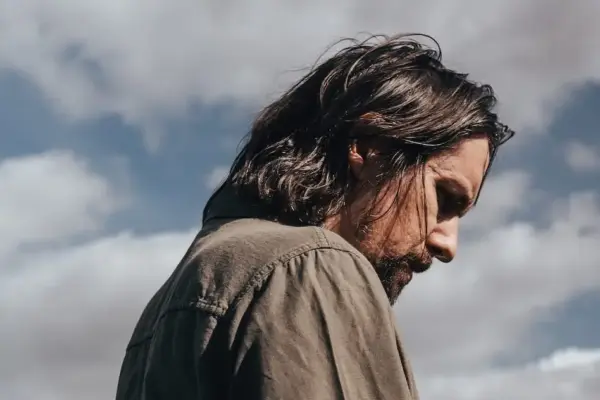
This sentiment is echoed by artists who maintain a physical relationship with their creative outputs. For instance, reflecting on his life among the historic orchards of Big Sur, artist and land-steward Fletcher Tucker remarked on the enduring power of physical talismans:
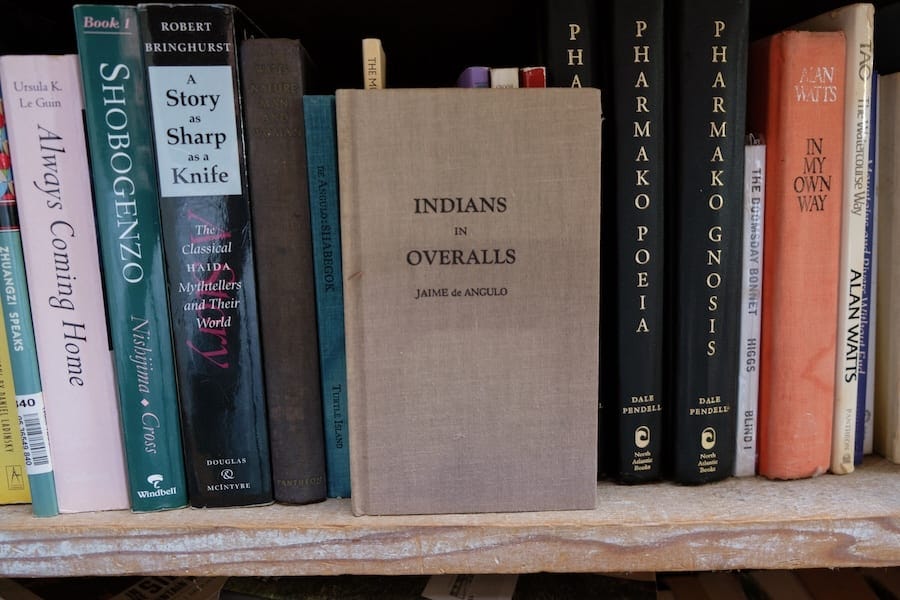
"A self-published first edition of Indians in Overalls by Jaime de Angulo lives on my shelf—a talisman from one of Big Sur’s wildest heart-minds. De Angulo was an eccentric poet-mystic, cowboy doctor, bohemian polyglot, and ethnolinguist… His work is strange, ecstatic, unclassifiable—part field study, part shamanic journeywork. My favorite historic Big Sur artist, he’s long been a creative north star for me."
Similarly, multidisciplinary artist Mackerel "Meka" Lingo emphasized the psychological necessity of physical libraries amidst chronic displacement:
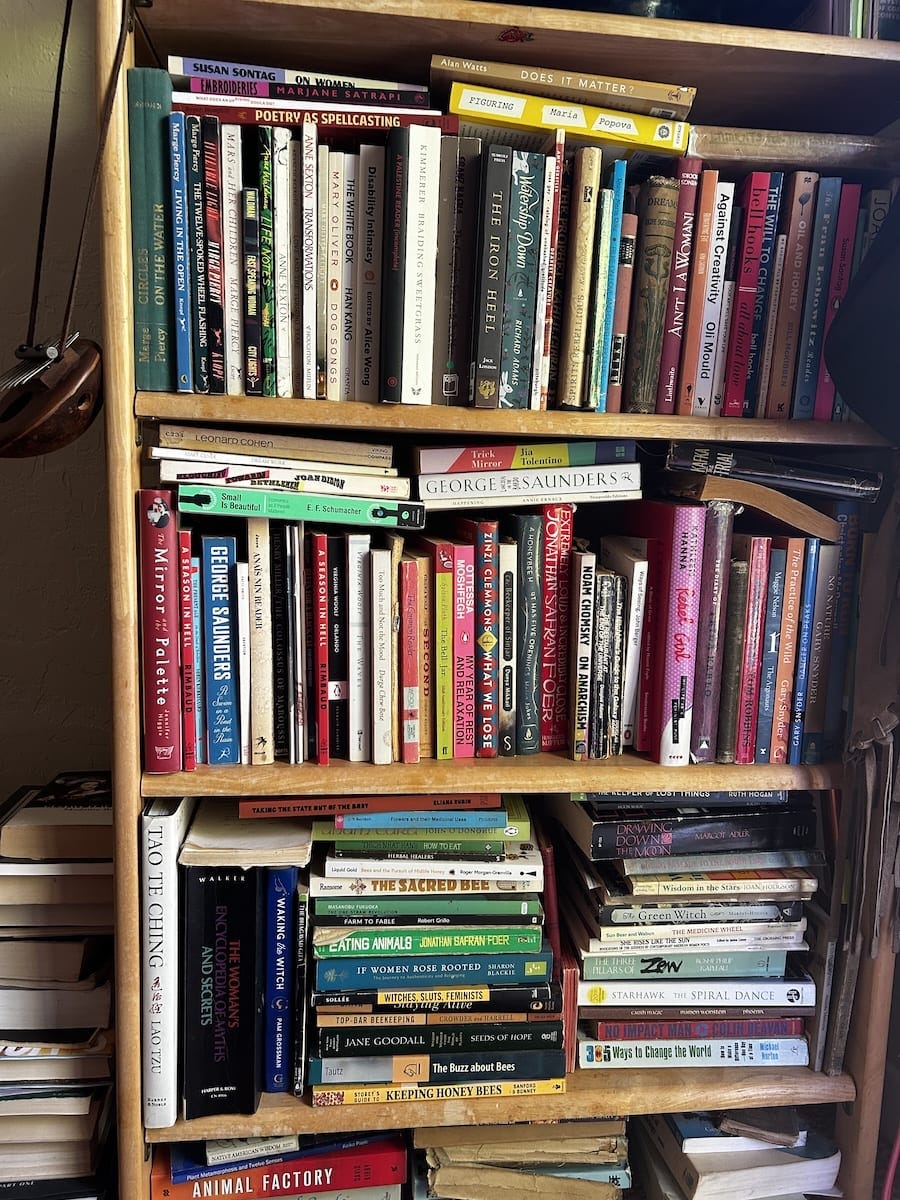
"I have moved almost 30 times in the last six years… and my belongings fit in a few overstuffed, chaotic suitcases. I usually just scavenge furniture and kitchen items, but my 50 kilos of books always come with me… A good library is one of my markers for success."
Future Outlook
As we look toward the remainder of the decade, the fate of analogue culture hinges on a delicate synthesis of dedicated patronage, adaptive business models, and a conscious rejection of hyper-accelerated digital consumption.
1. Direct-to-Consumer Resilience
Publishers and independent curators are increasingly bypassing traditional global distribution networks—which are vulnerable to political trade wars and punitive tariffs—in favor of direct-to-consumer subscription models (such as Substack-backed micro-publishers and boutique subscription boxes). By cultivating tightly knit, paying communities who value curation over convenience, creators can insulate themselves from macroeconomic export shocks.
2. The Revaluation of Craftsmanship
Institutions like Steidl must lean into what makes them irreplaceable: hyper-artisanal craftsmanship that AI and mass-market digital printers cannot replicate. While digital scanning allows for the rapid dissemination of images, the tactile encounter with a multi-volume slipcase, archival-grade duotone printing, and integrated multimedia discs offers an immersive depth that screen-based media fundamentally lacks.
3. Protecting the Human Element in Curation
As algorithms become more sophisticated at predicting consumer preferences, the true luxury good of the future will be human eccentricity. Playlists that span obscure 1970s Japanese jazz, Irish folk, and Appalachian field recordings—alongside published photobooks that capture the dirt, sweat, and community spirit of rural Appalachia or California homesteads—serve as vital cultural anchors.
Ultimately, the challenges facing Steidl and the broader analogue community are a stark reminder that physical culture is fragile. Without intentional support, active patronage, and a collective willingness to slow down, we risk losing the tangible artifacts that define our shared creative history. Yet, as long as creators continue to pack fifty kilos of books into their suitcases and curators dedicate their weeks to unearthing forgotten sonic gems, the analogue spirit will endure.