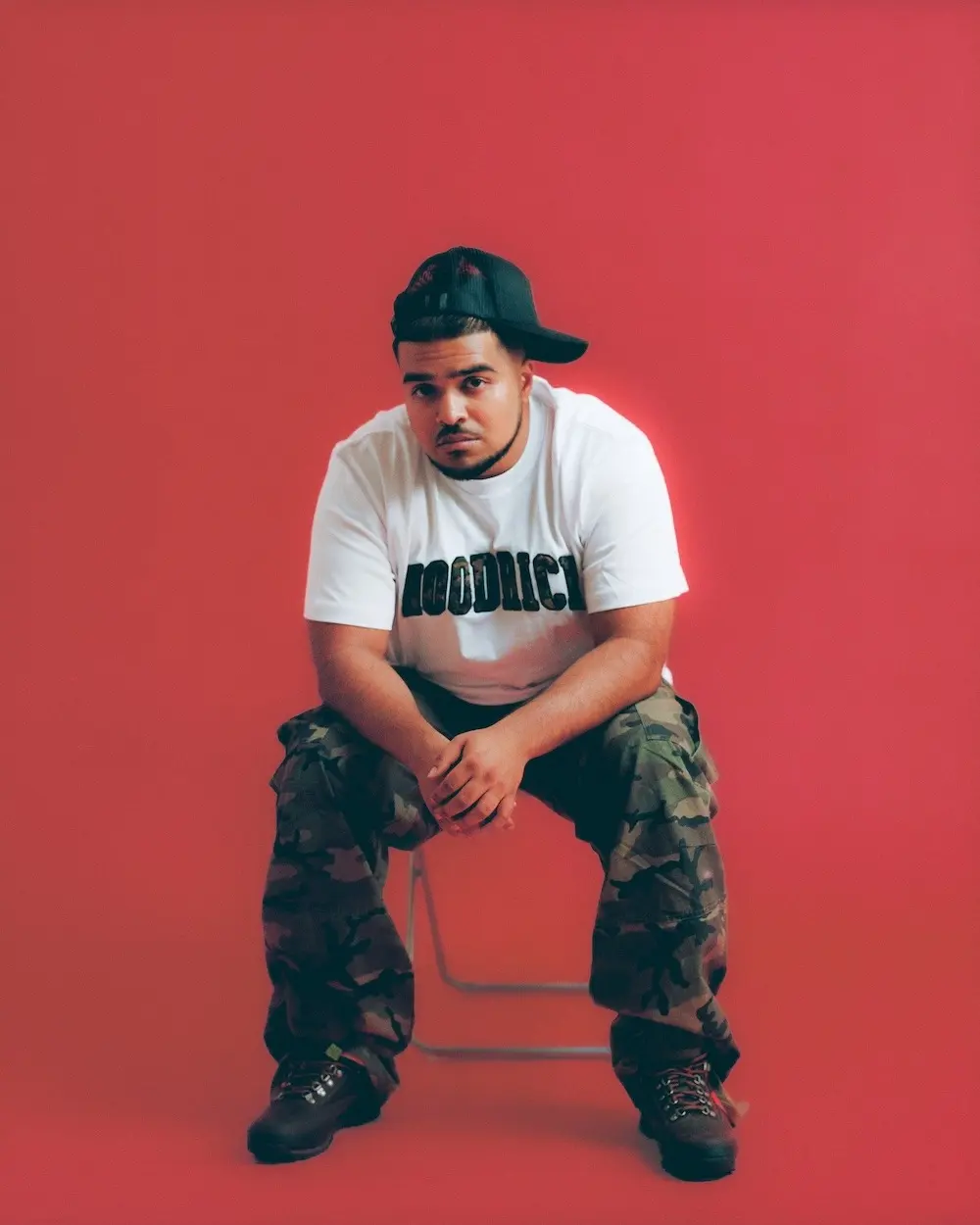
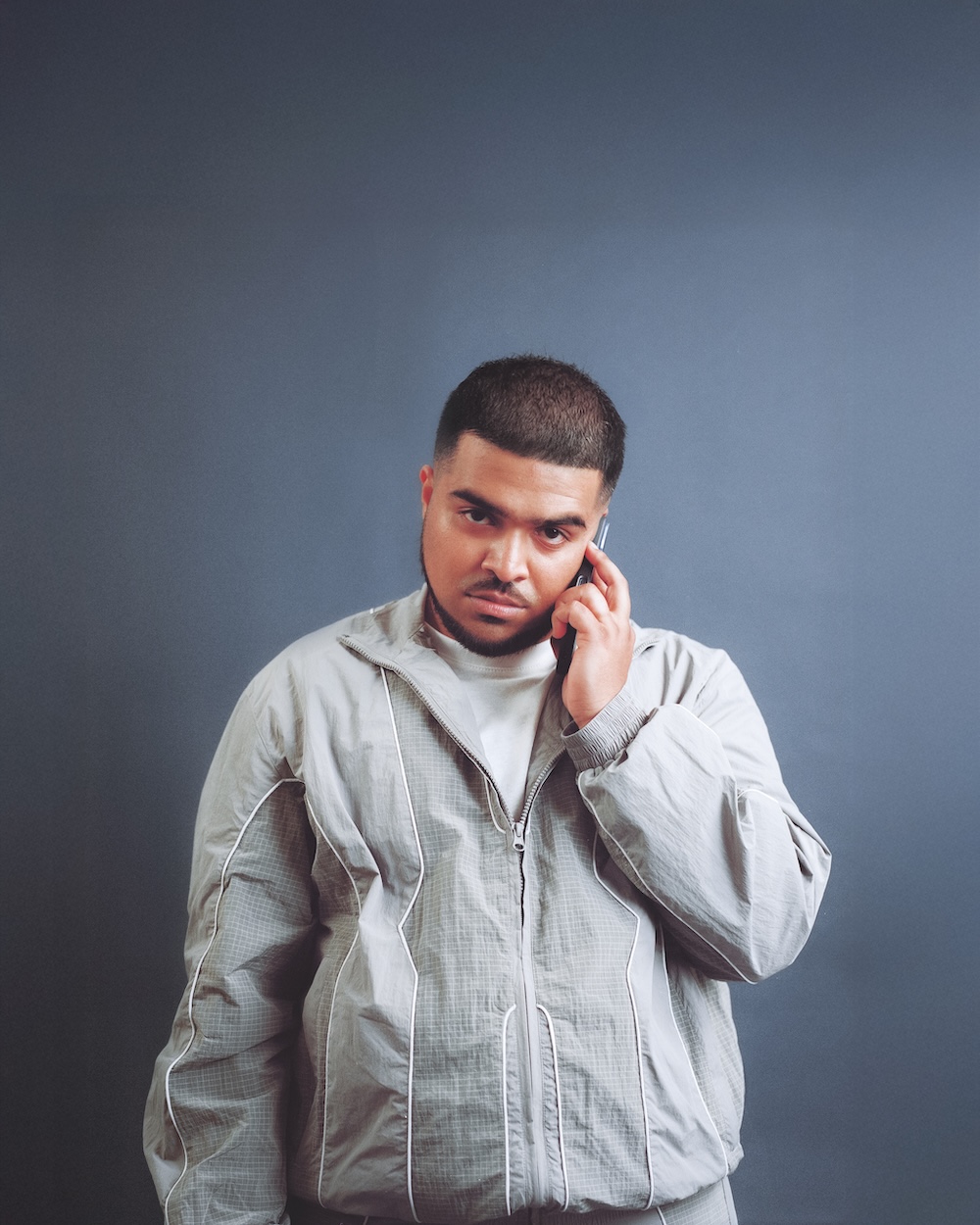
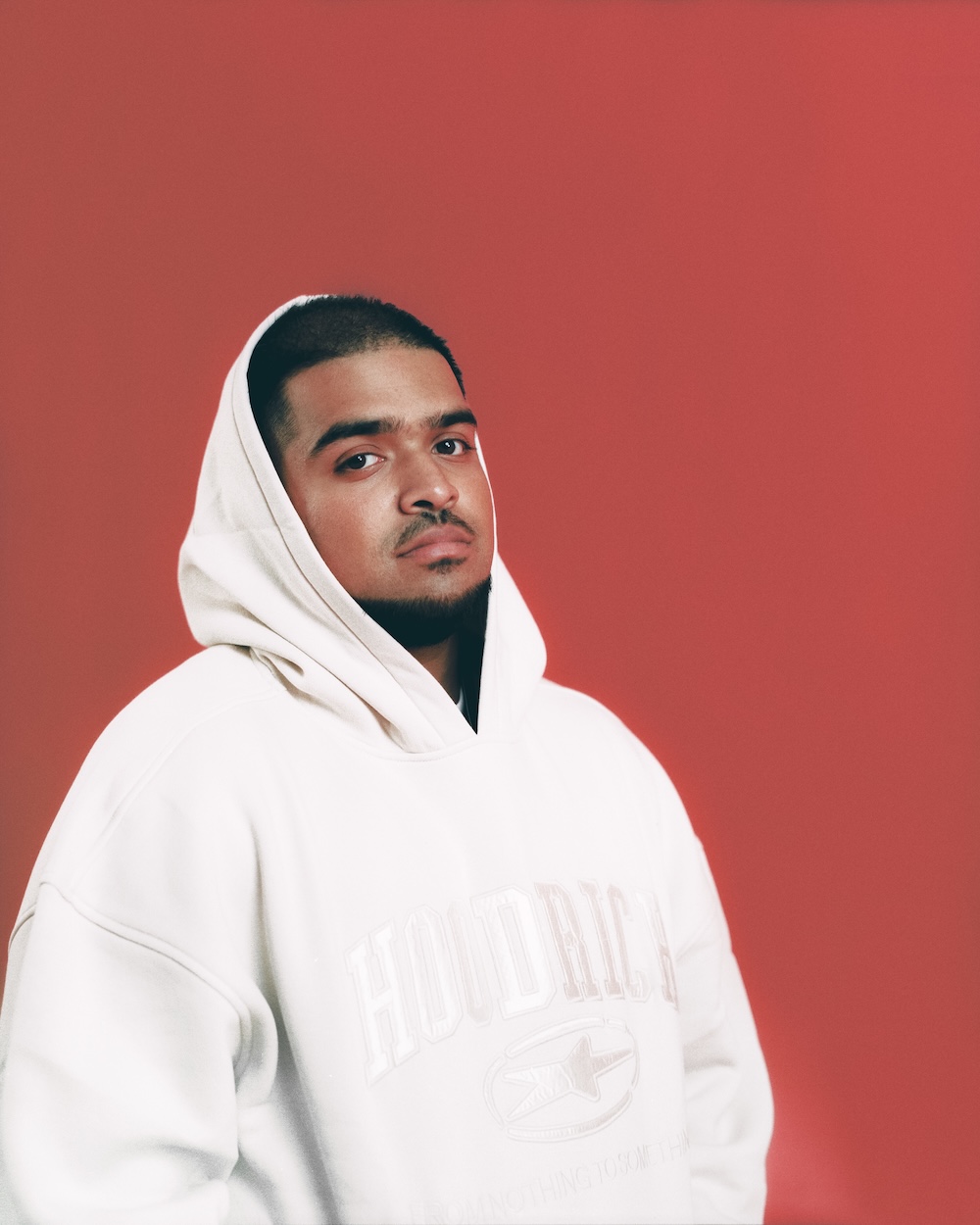
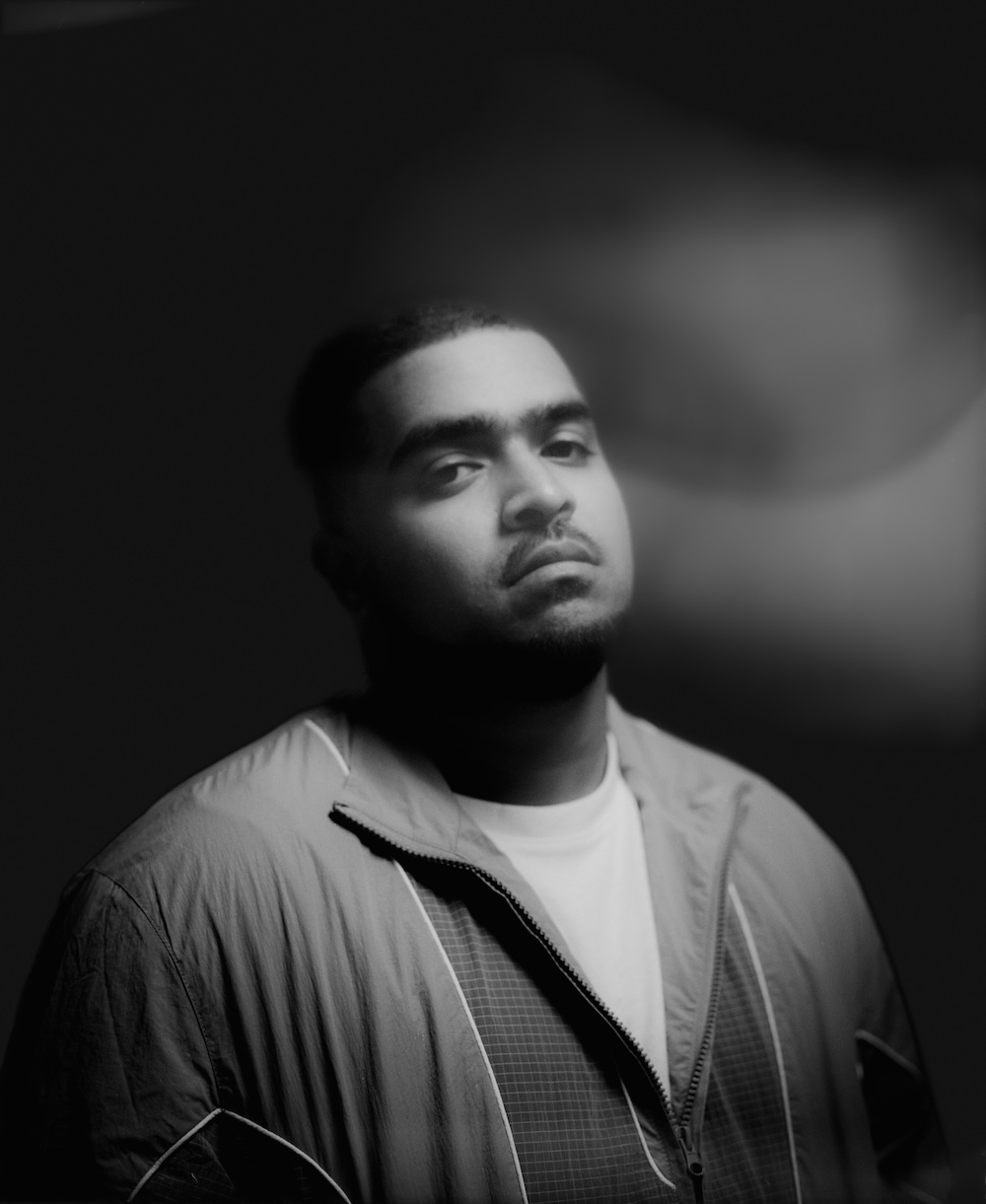
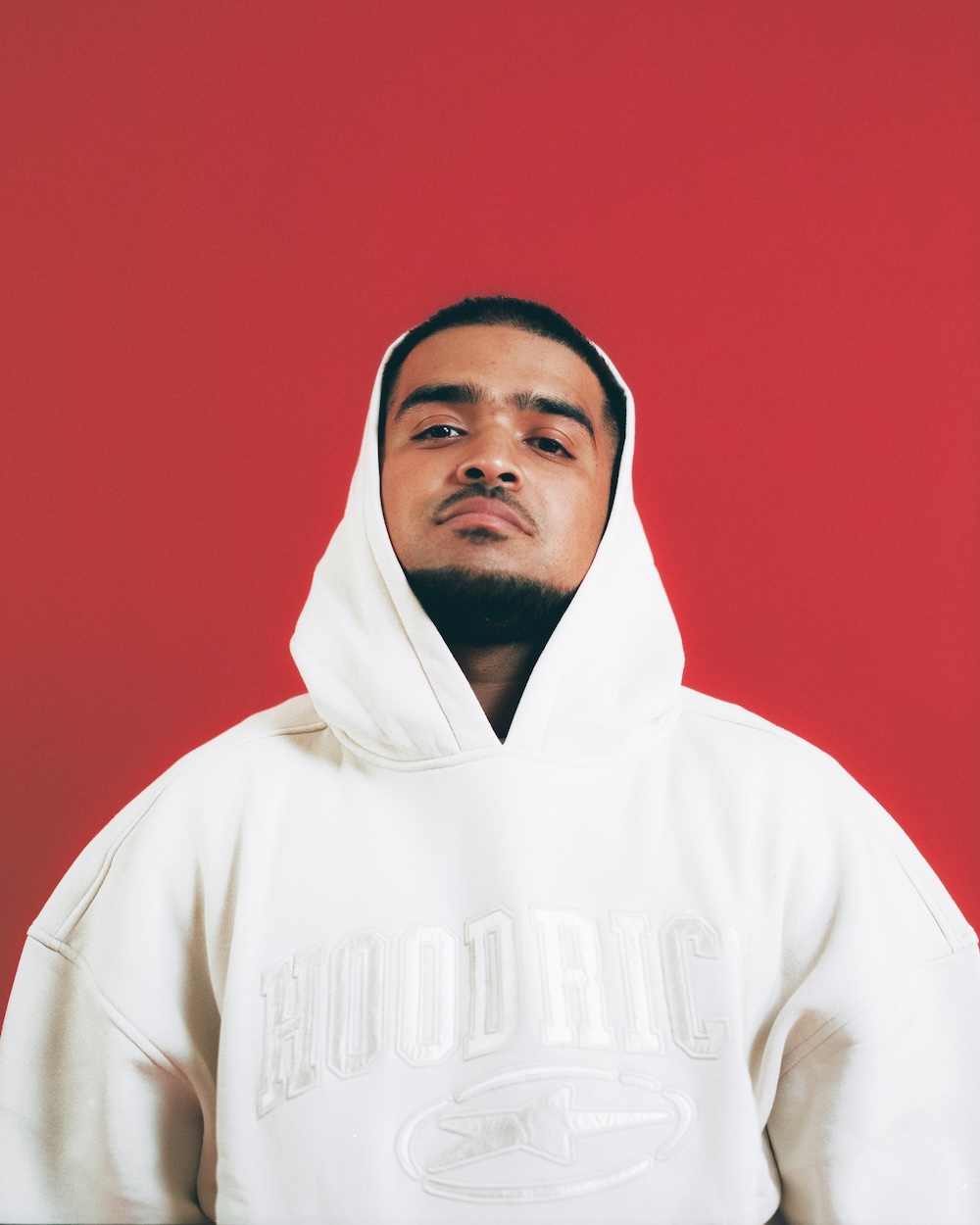
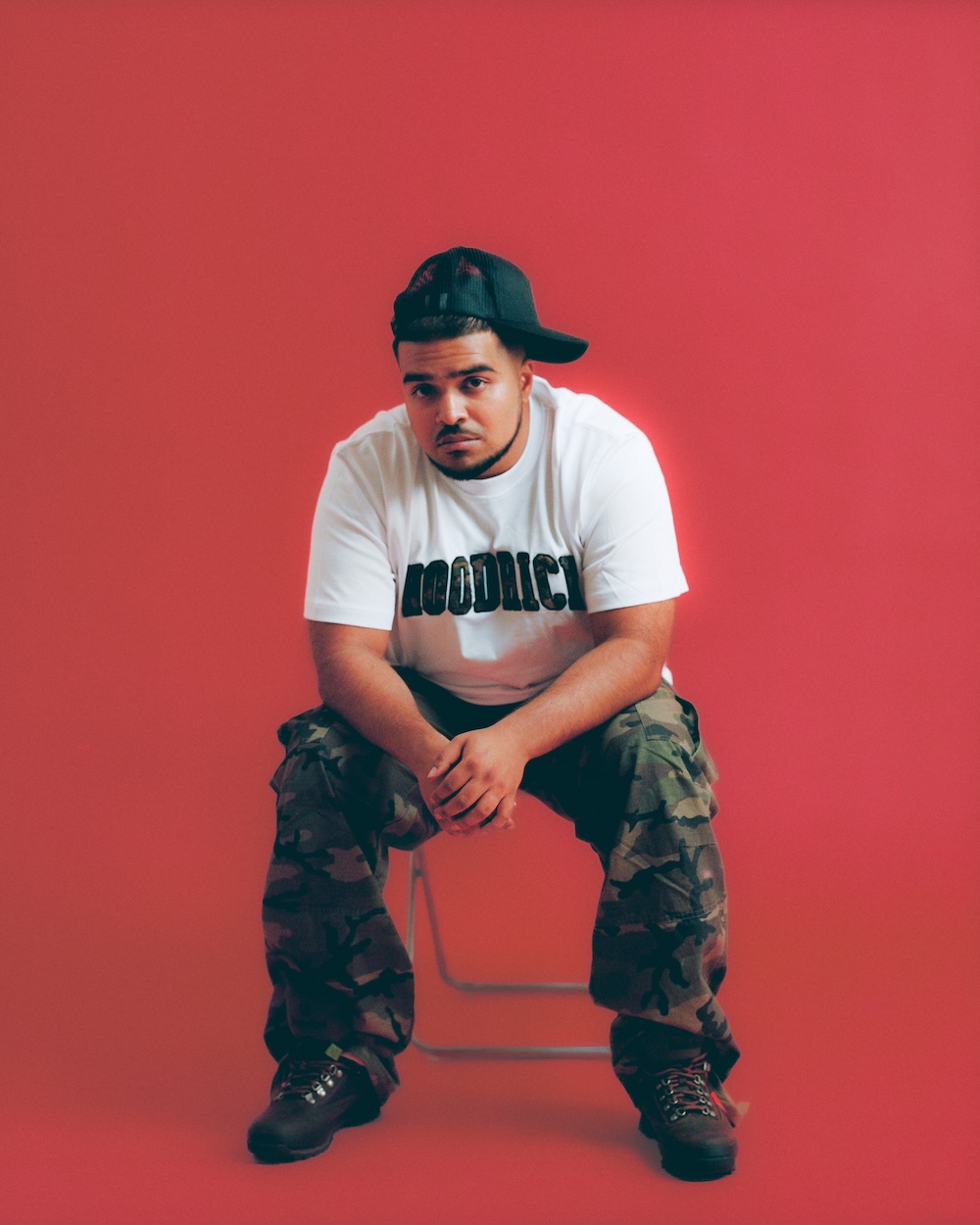
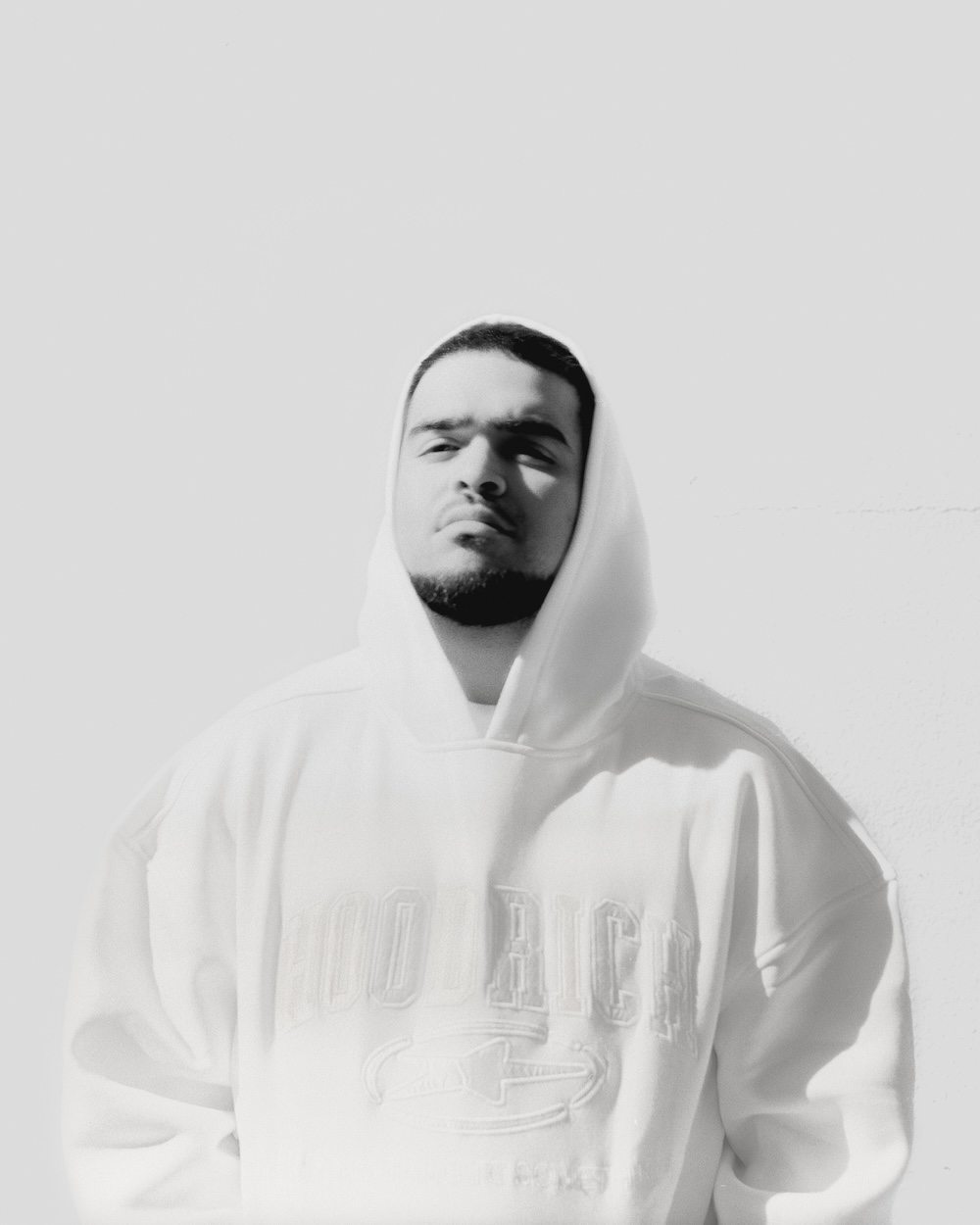
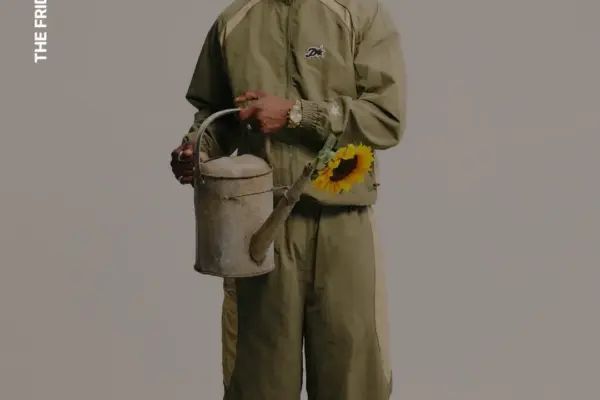
In the rapidly evolving landscape of the United Kingdom’s urban music scene, few narratives carry the weight, grit, and redemptive power of Birmingham’s own KayMuni. Presented in an exclusive digital cover feature in partnership with streetwear powerhouse Hoodrich, this interview captures a defining moment in the young rapper’s career. Since returning home, KayMuni has been moving with a rare combination of clear intent and laser focus, refusing to let lost time dictate his future. Instead, he has channeled his lived experiences into a relentless artistic resurgence, anchored by the impending release of his highly anticipated project, Monopoly.
However, KayMuni’s impact extends far beyond the recording booth. His transition from confinement to the community has been marked by a profound sense of civic duty. Whether he is funding the distribution of one thousand school uniforms for local youth or handing out hot meals side-by-side with Hoodrich, the rapper is actively building a blueprint for community reinvestment. This digital cover feature delves deep into his journey: from writing bars on prison-issued paper without a guaranteed platform to stepping onto a live stage for the very first time, and why carrying the weight of his hometown on his back remains his ultimate mission.
Detailed Chronology: From Confinement to the Cultural Forefront
The Genesis of an Artist: Writing in the Shadows
Long before his name was echoing across streaming platforms and dominating digital conversations, KayMuni was an artist without an outlet. As a teenager watching the Birmingham rap scene dynamic shift and evolve—drawing early inspiration from local pioneers like KB—he was already sharpening his pen. Yet, it was during his time inside that his artistic ambitions crystallized into a serious vocation.
Deprived of studio access, mixing boards, or immediate listeners, KayMuni treated his incarceration not as a pause, but as an intensive academy. Alongside fellow rising voices like Marnz Malone and KB, he transformed his reality into a structured study program.
"Just trying to find beats, as well as structuring my mixtapes correctly, organising distribution for all streaming platforms too. A variety of things," KayMuni recalls, detailing the rigorous, day-to-day discipline required to build an infrastructure from behind bars.
This period of intense preparation bore fruit when he penned his foundational mixtape, aptly titled Time Is Money. It was a psychological turning point, proving that distance from the industry could not stifle creative output if the internal drive was absolute.
The Viral Catalyst and the Central Cee Cosign
The music industry often moves in unpredictable waves, but validation can arrive with terrifying speed. Before his release, a series of KayMuni’s freestyles began circulating online, capturing the raw, unfiltered energy of the UK underground. The defining moment arrived when a single freestyle, bolstered by a monumental cosign from heavyweight artist Central Cee, skyrocketed past 500,000 views overnight.
Reflecting on where he was when the numbers began to multiply, KayMuni offers a grounded perspective: "We was in jail, man. It’s just mad, I can’t lie. We had a few freestyles going viral at the time. When them freestyles used to go mad, it was a big thing. It just made me know that I’ve got to come home and take things seriously."
That digital explosion served as an anchor. It assured him that when he finally stepped back into free society, an audience was already waiting, hungry for authenticity.
The Homecoming and the First Live Performance
Stepping back into free society after a transformative period is a surreal experience for any artist, but for KayMuni, the transition was met with immediate momentum. When asked how he feels in this exact moment compared to his expectations while inside, his response is characteristically succinct yet telling: "Everything’s good, man. Music’s going well. ‘Monopoly’, the album on the way."
Yet, the return home brought entirely new milestones. During a recent community giveaway hosted in partnership with Hoodrich, KayMuni faced a trial by fire: his very first live performance. For an artist whose career had thus far been mediated through prison walls and viral digital clips, stepping onto a physical stage in front of a hometown crowd was a daunting prospect.
"Yeah, it was good, man. I can’t lie, it was kind of nerve-wracking. I had never performed before," he admits.
Despite the nerves, the performance solidified his physical presence in the music ecosystem, bridging the gap between his digital footprint and real-world connection.
Supporting Context & Metrics: Philanthropy and Cultural Impact
Investing in the Roots: Community Reinvestment
True cultural leadership requires more than chart positions and streaming metrics; it demands tangible investment in the soil that nurtured the artist. Earlier this month, KayMuni made headlines across Birmingham Live and regional networks not just for his music, but for his profound contributions to the local community.
In a single month, he spearheaded an initiative providing one thousand school uniforms to local families facing economic hardship, followed swiftly by a collaborative food security drive with Hoodrich that distributed one hundred hot meals to those in need. For KayMuni, this philanthropy is not a PR strategy—it is a moral imperative.
"I just feel like you should help people wherever you can, it goes a long way and I take pride in doing that, especially in my hometown," he states.
By anchoring his success in mutual aid, KayMuni is setting a powerful precedent for younger generations, proving that artistic elevation and community upliftment must go hand in hand.
The Anatomy of Monopoly: Total Control and Curation
The title of his upcoming project, Monopoly, is far more than a catchy moniker; it functions as a thesis statement regarding autonomy, independence, and total control over his lane within the music industry. In an era where artists frequently sign away their masters or creative direction for quick advances, KayMuni’s definition of control is uncompromising.
"I feel like just being in control of my own life and doing what I want to do, it’s important," he emphasizes.
The creative process behind Monopoly bridges two distinct phases of his life. While the bulk of the project was meticulously crafted following his release, certain foundational tracks were written while he was still incarcerated, making the project a bridge between his past confinement and his present liberation. It represents his official "home mixtape"—a body of work that he has guarded closely.
When it comes to collaborations, KayMuni maintains a strict policy of organic chemistry. There are no manufactured industry features or transactional verses on his tracklist.
"All my features are natural," he explains. "When you see me featured, I either like their music or I rock with them in real life."
Official Statements & Insights: In His Own Words
To fully grasp KayMuni’s mindset, one must examine the ethos driving his daily routine and long-term aspirations. His approach to his craft is defined by cyclical creativity, unwavering loyalty to his city, and a healthy dose of football-fueled optimism.
On His Writing Process: Creative output cannot always be forced, a reality KayMuni understands intimately. "I go through stages with writing. I can’t write all the time, but I definitely go through stages where I can write a lot of stuff and some stages where I don’t write at all."
On Putting Birmingham on the Map: For years, the UK rap conversation has been dominated by London, leaving regional hubs fighting for national attention. KayMuni views his primary mission as changing that dynamic. "I feel like I’m just trying to put my city on. When a lot of people look at England, I feel like Birmingham kind of gets overshadowed. So I’m just trying to put my city on."
On Personal Growth and Surreal Milestones: Reflecting on the distance he has traveled since filming his earliest videos as a 13-year-old, the transformation is staggering even to him. "Damn. I’m here still. Yeah, I wouldn’t even believe this story."
On Unwavering Loyalties (Beyond Music): Amidst discussions of artistic dominance and high-stakes business moves, KayMuni retains the lighthearted passion of a football fan, offering a swift, definitive prediction when asked about his club: "100%. Every single year," regarding Arsenal’s title prospects.
Future Outlook: The Next Hundred Levels
As KayMuni looks toward the horizon, his trajectory points straight upward. The release of Monopoly is positioned to be a watershed moment not only for his personal career, but for the broader visibility of the Birmingham underground scene.
When asked what the next few years look like in the music space, his answer leaves no room for ambiguity: "Going to go up hundred levels, man. Keep rapping, keep dropping, keep showing them there’s levels to this."
He is an artist who has survived the crucible of the penal system, mastered the mechanics of independent distribution from a cell, and returned to his community not with a chip on his shoulder, but with open arms and a clear blueprint for success. By combining uncompromising lyricism with genuine civic leadership, KayMuni is proving that he is not just playing the game—he is redefining the board entirely.
This long-form investigative feature is part of our ongoing commitment to documenting the architects of Hip Hop and global culture. For more deep-dives into the underground scenes shaping modern music, explore the Viper Magazine archives.