Executive Overview
The trajectory of Taylor Lautner’s career offers one of the most fascinating case studies in modern Hollywood financial engineering. Propelled to international superstardom as a teenager through the cultural phenomenon that was The Twilight Saga, Lautner commanded a pay scale that escalated in tandem with the franchise’s historic box-office dominance.
Starting with a modest $1 million base salary for the 2008 original, his compensation multiplied exponentially, peaking at $12.5 million per film for the two-part Breaking Dawn finale.
Yet, what distinguishes Lautner’s narrative from the typical cautionary tale of child and teen stardom is not merely the initial accumulation of wealth, but its preservation and strategic growth. With an estimated net worth sitting comfortably between $40 million and $45 million, Lautner has defied the fleeting nature of teen-idol fame.
Through savvy real estate portfolio management, selective television and film projects, and calculated brand partnerships, he has insulated himself against the volatility of the entertainment industry. This report provides an exhaustive, authoritative examination of Lautner’s financial journey, tracing the mechanics of his wealth from the martial arts dojos of Michigan to the upper echelons of Hollywood real estate.
Detailed Chronology: From Grand Rapids to Global Stardom
Early Discipline and Martial Arts Roots (1992–2004)
Born on February 11, 1992, in Grand Rapids, Michigan, Taylor Daniel Lautner was raised in an environment that prioritized physical discipline and structured athleticism. Long before Hollywood casting directors took notice, Lautner’s life was defined by the rigorous demands of competitive martial arts.
Enrolled in karate classes at the age of six, he advanced with unusual speed. By age ten, he had earned his black belt, and by fourteen, he was a four-time junior world martial arts champion.
This early immersion in competitive sports forged a distinct psychological and physical foundation. The rigorous training instilled a level of focus, resilience, and stage presence that translated seamlessly to the camera.
Recognizing his natural comfort in front of an audience, martial arts instructors encouraged him to pursue commercial modeling and voice acting. These early forays into the entertainment industry served as a transitional bridge, moving him from the Midwestern tournament circuit to the hyper-competitive landscape of Los Angeles casting calls.
The Rise of a Child Actor (2005–2007)
Lautner’s professional acting career began with minor television guest spots, voiceover work for animated series, and low-budget independent features. These foundational years required relentless auditioning and a steady stream of minor roles that allowed him to master the technical nuances of on-camera performance.
His first major breakthrough occurred in 2005 when Robert Rodriguez cast him as protagonist Sharkboy in the fantasy adventure film The Adventures of Sharkboy and Lavagirl in 3-D.
While the film received mixed critical reviews, it served as a vital commercial milestone. It was Lautner’s first experience carrying a lead role in a globally distributed studio picture, granting him crucial visibility among younger demographics and proving his viability as a young box-office draw.
The Twilight Phenomenon and Global Stardom (2008–2012)
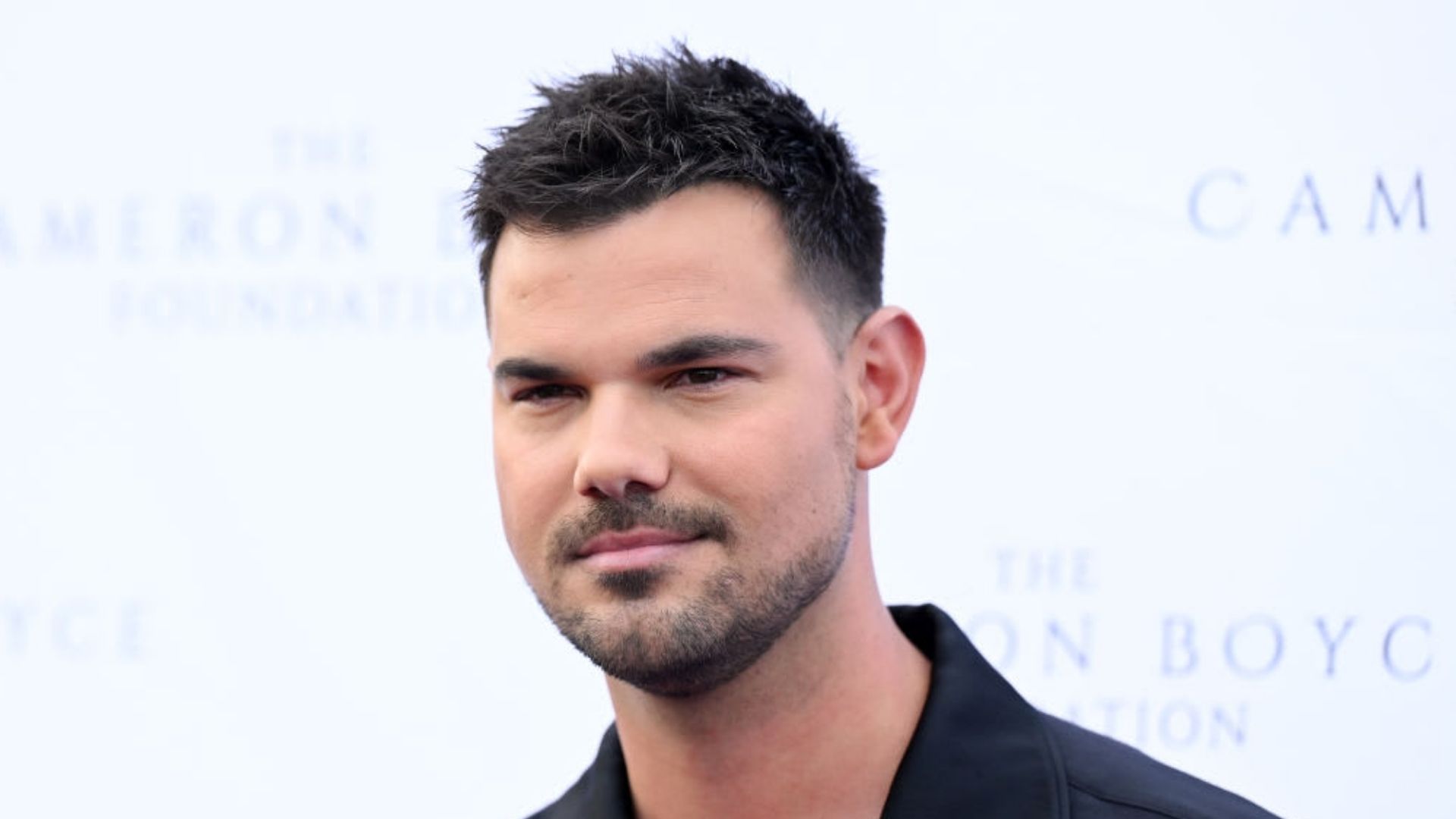
Nothing in Lautner’s early career, however, could have prepared him for the tectonic shift triggered by his casting as Jacob Black in Twilight (2008), adapted from Stephenie Meyer’s bestselling book series. The film ignited a worldwide cultural frenzy, transforming its young leads into global icons overnight.
For Lautner, the role demanded an extraordinary physical transformation. Facing the prospect of being recast for the franchise’s sequels due to the character’s rapid physical maturation in The New Moon, Lautner underwent an intense, highly publicized physical regimen, gaining approximately 30 pounds of muscle. This transformation cemented his status as the romantic counterweight to Robert Pattinson’s Edward Cullen, deeply entrenching him in the cultural zeitgeist of the era.
The cinematic run of the five-film franchise between 2008 and 2012 established a masterclass in escalating talent compensation. As the box-office returns multiplied, so did Lautner’s negotiating leverage, turning the young actor into one of the highest-paid teenagers in entertainment history.
Supporting Context & Metrics: The Anatomy of a $40 Million Portfolio
To understand how Lautner amassed and maintained his multi-million-dollar fortune, one must examine the precise architecture of his income streams. While his acting earnings formed the bedrock of his wealth, secondary investments—particularly in high-end real estate—have played a critical role in preserving his capital.
The Twilight Earnings Ladder
Lautner’s compensation across The Twilight Saga represents one of the most lucrative pay progressions for a young actor in cinematic history:
- Twilight (2008): $1,000,000 baseline salary.
- The Twilight Saga: New Moon (2009): $4,000,000 baseline salary, reflecting his elevated status and physical re-casting threat mitigation.
- The Twilight Saga: Eclipse (2010): $7,500,000 baseline salary, plus a lucrative 2.5% cut of the film’s backend profits.
- The Twilight Saga: Breaking Dawn – Part 1 (2011): $12,500,000.
- The Twilight Saga: Breaking Dawn – Part 2 (2012): $12,500,000.
Cumulative earnings from the Twilight franchise alone totaled approximately $37.5 million. When factoring in his starring role in the 2011 action thriller Abduction—which netted him a $7.5 million paycheck—Lautner’s theatrical earnings in a compressed four-year window eclipsed $45 million gross. Notably, Forbes estimated his total earnings for the 2012 calendar year alone at an astounding $26.5 million, placing him among the highest-paid actors under the age of 25 at the time.
Diversification: Television, Film, and Endorsements
Following the conclusion of Twilight, Lautner resisted the trap of over-saturation, opting instead for selective, high-profile television and comedic film projects that maintained his Q-rating without requiring relentless franchise commitments.
- Grown Ups 2 (2013): Collaborated with comedic heavyweights like Adam Sandler, diversifying his resume into broad studio comedy.
- Cuckoo (2014–2018): Starred in the British BBC sitcom, expanding his international appeal and demonstrating comedic timing.
- Scream Queens (2016): Joined the cast of Ryan Murphy’s satirical horror anthology series for its second season, securing a steady, high-visibility recurring television role.
Concurrently, his peak fame catalyzed lucrative corporate endorsement deals. Although precise financial terms remain bound by non-disclosure agreements, Lautner lent his image to global brands including Burger King, Ford, and Sears during the height of the Twilight mania, generating substantial off-screen revenue.
Real Estate Portfolio Management
Perhaps the most astute financial maneuvers in Lautner’s post-franchise life involve real estate transactions. Rather than leaving his liquid capital idle, Lautner deployed millions into high-end Southern California residential properties, executing strategic flips that yielded significant returns:
- San Fernando Valley Mansion: Purchased in 2012 for $1.86 million—taking advantage of distressed market conditions in the wake of the 2008 financial crisis—Lautner held the 10,000-square-foot estate before selling it to NFL player Todd Gurley in 2020 for $4.2 million, realizing a substantial capital gain.
- Agoura Hills Estate: Acquired an exclusive Agoura Hills property for $3.8 million in 2020, subsequently selling it to fellow celebrity Kaley Cuoco in 2022 for $5.25 million.
- Castaic 10-Acre Estate: Purchased a sprawling 10-acre estate in Castaic, California, in 2011 for $2 million, which remains a core asset within his long-term holdings.
Luxury Assets and Philanthropy
Beyond real estate, Lautner’s asset portfolio includes a carefully curated collection of luxury and high-performance automobiles, featuring models such as the Audi R8, BMW 5 Series, Audi S5, Fisker Karma, BMW Z4, and Porsche Turbo.
Philanthropically, Lautner maintains a low profile, channeling support toward youth sports initiatives, martial arts foundations, and community outreach programs that align with his personal upbringing.
Official Statements and Industry Perspective
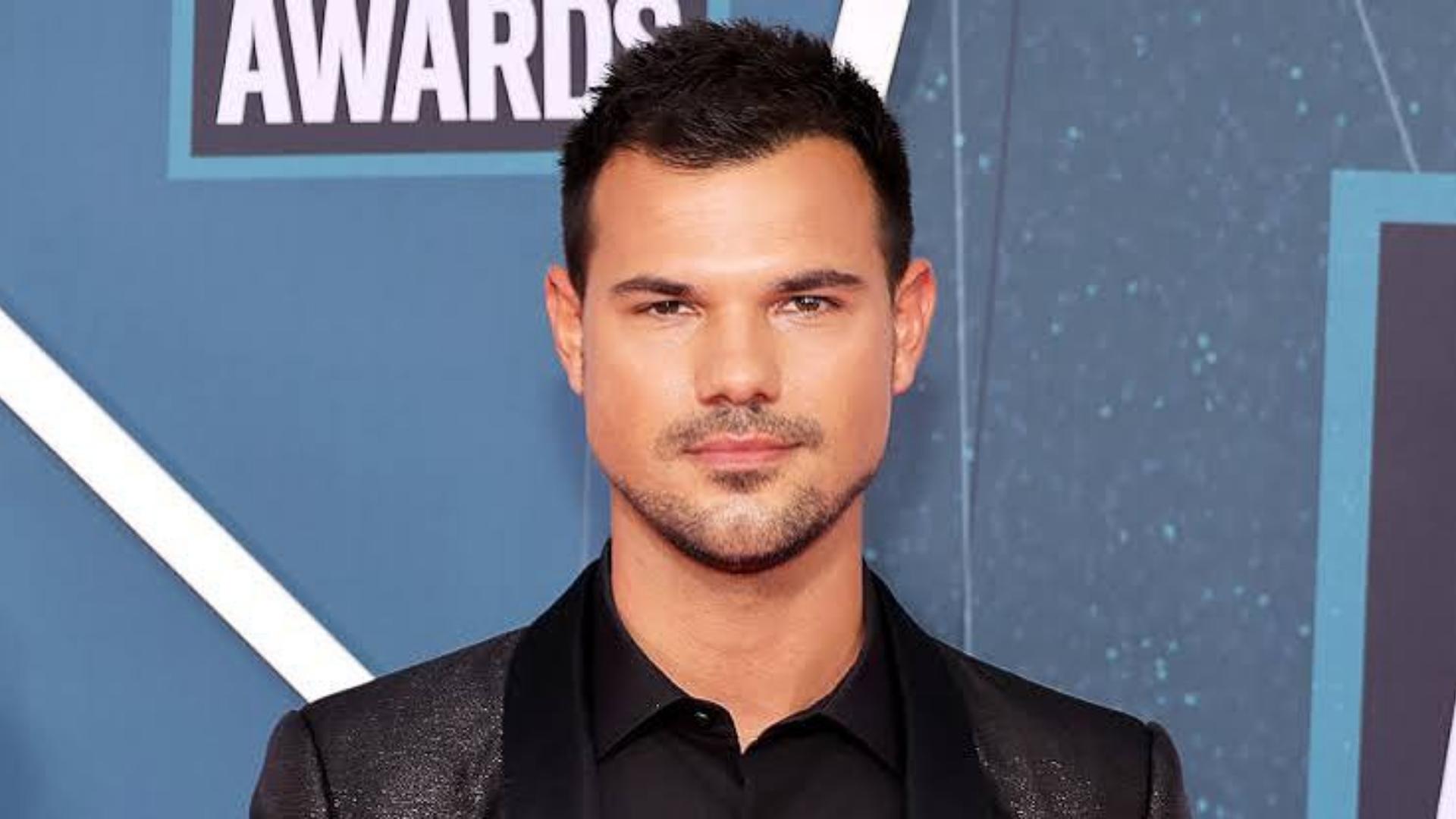
Transitioning from the white-hot spotlight of a global phenomenon to a more measured, sustainable adult career is rarely frictionless. In subsequent retrospective interviews, Lautner has offered candid reflections on the claustrophobic nature of his early fame and the deliberate steps he took to reclaim his personal life.
In profiles with outlets such as The Hollywood Reporter, Lautner addressed the years immediately following the conclusion of Twilight:
"When I was in it, [the fame] was hard to process… You’re living in a bubble, and you go out of that bubble and there are thousands of people screaming. It took me a long time to want to step outside and just go to the grocery store or a movie theater without anxiety."
Discussing his intentional step back from Hollywood’s relentless machinery to prioritize his mental health, marriage to registered nurse Taylor Dome (whom he wed in November 2022), and personal well-being, Lautner emphasized that financial security was the catalyst that afforded him peace of mind:
"People think you’re irrelevant if you’re not working every second, but financial planning gave me the luxury to choose my projects based on passion rather than desperation."
Industry analysts frequently compare Lautner’s financial posture to that of his Twilight co-stars, noting that while Robert Pattinson ($100 million net worth) and Kristen Stewart ($70 million net worth) pursued aggressive, critically acclaimed independent and studio film slates to elevate their long-term earning ceilings, Lautner’s $40 million valuation represents an exceptionally well-defended baseline achieved through disciplined capital allocation and lifestyle management.
Comparative Wealth Analysis: The Twilight Cast
| Actor | Estimated Net Worth | Primary Wealth Drivers | Post-Franchise Strategy |
|---|---|---|---|
| Robert Pattinson | ~$100 Million | Twilight salaries, independent prestige cinema, franchise blockbusters (The Batman). | Relentless pursuit of auteur-driven projects and high-profile luxury brand ambassadorships (Dior). |
| Kristen Stewart | ~$70 Million | Twilight residuals, indie film circuit, critical acclaim, luxury fashion deals (Chanel). | Focus on auteur directors, international film festivals, and artistic credibility over box-office size. |
| Taylor Lautner | ~$40–$45 Million | Peak Twilight pay escalations, strategic real estate acquisitions, selective television/film work. | Prioritization of personal well-being, lifestyle preservation, and lucrative real estate capital appreciation. |
Future Outlook
As Taylor Lautner navigates his mid-30s, his financial outlook remains exceptionally stable. Having avoided the financial distress that frequently plagues former teen idols, his current portfolio reflects a mature approach to wealth management.
By anchoring his net worth in hard assets—specifically Southern California real estate—while retaining the flexibility to accept selective acting roles, podcasts, and digital media ventures, Lautner has engineered a blueprint for sustainable celebrity wealth.
Looking forward, his financial trajectory will likely be defined by conservative asset stewardship, continued real estate development, and opportunistic returns to the screen on his own terms. Far from being confined by the shadow of Jacob Black, Lautner has transformed his breakout role into an enduring foundation for lifelong financial independence.