Executive Overview
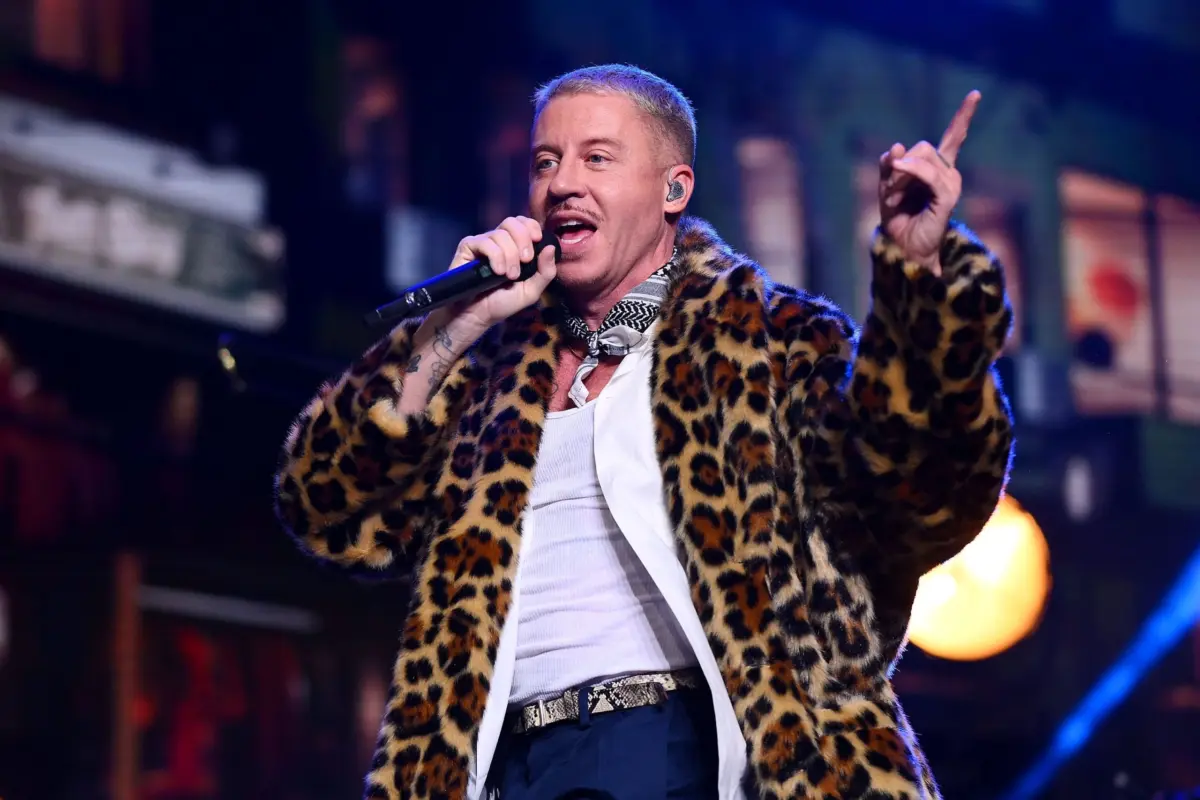
Grammy-winning American artist Macklemore has officially concluded his high-profile and fiercely independent Free Palestine Tour, marking the end of a whirlwind five-week series of concerts that spanned major European cultural capitals, including London, Paris, and Dublin. The 43-year-old musician, born Benjamin Haggerty, has described the overarching experience as his “favourite thing I’ve ever been a part of,” expressing deep feelings of awe, solidarity, and validation as the final note rang out at London’s OVO Arena Wembley on October 30.
The genesis of this unexpected concert series traces back to a major professional fallout earlier this year. Macklemore was infamously dropped from Ed Sheeran’s sprawling Loop tour following public comments he made regarding the ongoing humanitarian crisis in Gaza. Rather than retreating from the public eye or dampening his rhetoric, the “Thrift Shop” rapper doubled down. In September, he announced the rapid-fire launch of a self-organized, solidarity-driven tour explicitly dedicated to amplifying Palestinian voices and raising vital funds for those affected by the conflict.
What followed was a masterclass in independent artist organizing. In less than two months, Macklemore coordinated logistics, booking venues, and curating an eclectic lineup of celebrated international musicians and speakers—including Hozier, Kneecap, and Paloma Faith—all of whom volunteered their time and platforms. According to the artist, the tickets for the initiative sold out almost immediately, proving that public appetite for collective advocacy remains strong despite the professional risks traditionally associated with political activism in the entertainment industry.
Crucially, the tour was designed not merely as a platform for artistic expression, but as a philanthropic vehicle. Organizers confirmed that 100 per cent of the proceeds generated from ticket sales are being directed toward a carefully vetted coalition of organizations providing critical medical care, humanitarian assistance, education, and grassroots advocacy for the Palestinian people.
This comprehensive report examines the trajectory of Macklemore’s tour, the professional fallout that precipitated it, the broader cultural implications of celebrity activism in the 2020s, and the moving testimonies of the artists and audiences who helped bring the historic arena shows to life.
Detailed Chronology: From Ed Sheeran’s Loop Tour to Wembley Arena
The Catalyst: The Ed Sheeran Fallout
The story of the Free Palestine Tour cannot be told without examining the summer of 2024, when Macklemore’s outspoken stance on the Middle East collided with the corporate realities of major pop tours. Known historically for leveraging his platform to champion progressive social causes—most notably marriage equality through his 2012 hit "Same Love"—Haggerty increasingly utilized his social media accounts and stage presence to draw attention to the civilian casualties in Gaza.
In late summer, those outspoken remarks resulted in his abrupt removal from Ed Sheeran’s international Loop tour. While the cancellation sent shockwaves through the music industry—underscoring the tightrope artists must walk when broaching geopolitics—it ultimately served as the primary catalyst for Macklemore’s independent mobilization. Unbound by corporate management contracts or festival sponsorships that might dictate compliance, Haggerty found himself with both a starkly clear conscience and an urgent mandate to prove that solidarity could exist outside the machinery of major label oversight.
September Announcements and Rapid Mobilization
Recognizing that he still possessed a fiercely loyal global fan base and strong professional relationships within the alternative music community, Macklemore pivoted quickly. In September, he formally announced plans for a string of independent European concerts under the banner of the Free Palestine Tour.
Operating under intense time constraints, Haggerty and his small team spent five weeks engaged in a grueling marathon of logistics, artist outreach, and security planning. In his reflective post-tour statements, the rapper noted the sheer exhaustion of the endeavor, remarking on the intensity of “reaching out to artists, organising, dealing with logistics and constant meetings.”
Despite the administrative hurdles, the response from the European public was instantaneous. Tickets for the Dublin, Paris, and London dates vanished within minutes of going on sale, indicating a massive, under-served demographic of music fans eager to channel their own frustrations over geopolitical conflicts into collective action.
The Grand Finale: Wembley Arena
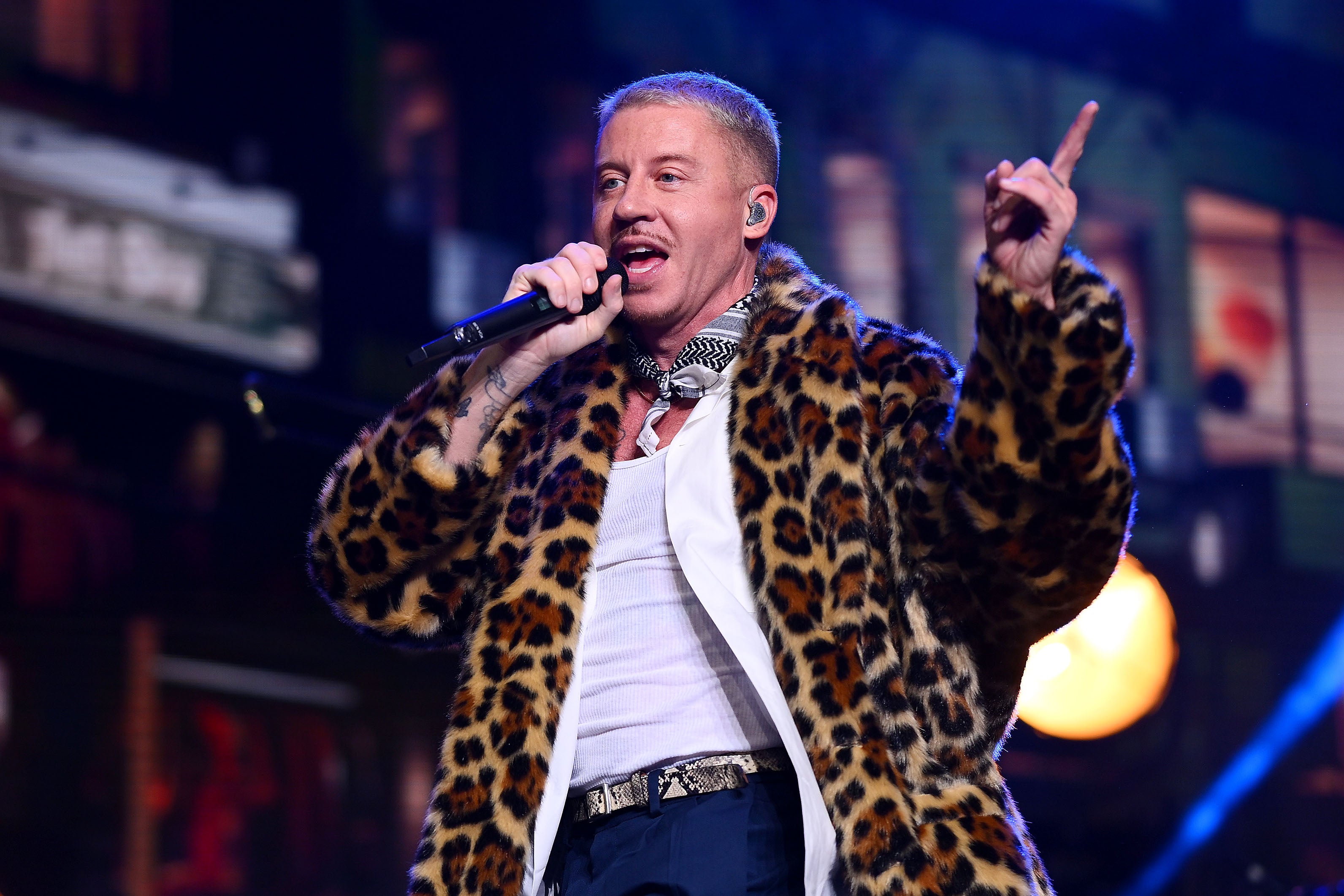
The emotional apex of the tour occurred on Friday, October 30, at the OVO Arena Wembley in London. Performing before a roaring, capacity crowd, Macklemore delivered a poignant address that captured the philosophical underpinning of the entire initiative.
Addressing the audience directly, he recounted the visceral helplessness of consuming news cycles dominated by images of destruction in Gaza. "I was scrolling, scrolling, scrolling and seeing the horrific, unimaginable catastrophe that was happening in front of our eyes," he told the cheering arena. "At a certain point, it was more uncomfortable for me to stay silent than to say something."
Haggerty pushed back fiercely against the notion that speaking out against civilian suffering requires extraordinary courage, reframing basic human empathy as an obligation rather than a risk. "I just want to say, I don’t believe that saying something is brave. I don’t believe that saying something is courageous. I believe that saying something is human."
The London show featured a rotating cast of high-profile guest artists and speakers, transforming the concert from a standard musical performance into a multi-genre cultural summit. By the time the house lights came up on October 30, the tour had not only achieved its financial and logistical goals but had forged an unprecedented sense of community among participating artists.
Supporting Context & Metrics: Behind the Scenes of a Grassroots Movement
Financial Transparency and Philanthropic Impact
While the emotional resonance of the Free Palestine Tour was palpable in every arena, its tangible impact lies in its financial commitments. In an era where charity concerts frequently face scrutiny regarding overhead costs and administrative fees, Macklemore’s team structured the event to maximize direct aid.
100% of ticket sale proceeds have been earmarked for distribution among registered NGOs and civil society organizations operating directly on the ground. These funds are designated for:
- Emergency Medical Care: Supplying hospitals and field clinics with trauma kits, surgical supplies, and pharmaceuticals.
- Humanitarian Assistance: Procuring clean water, nutritional supplements, and temporary shelter materials for displaced families.
- Educational Initiatives: Funding remote learning resources and trauma-informed psychological support programs for children.
- Advocacy and Community Support: Empowering legal defense funds and grassroots human rights coalitions.
The Lineup: A Coalition of Conscience
Macklemore did not walk this path alone. To execute the tour across multiple international jurisdictions, he assembled an extraordinary roster of musicians, poets, and public intellectuals willing to risk professional pushback to lend their weight to the cause.
Among the most prominent acts to join the tour were:
- Kneecap: The outspoken Irish hip-hop trio, renowned for their own unapologetic political stances and anti-establishment lyricism, brought raw energy to the stages.
- Hozier: The Grammy-nominated Irish singer-songwriter, whose lyrical depth and global commercial appeal added immense weight to the lineup.
- Paloma Faith: The British pop powerhouse, whose impassioned vocal performances and vocal advocacy struck a profound chord with London audiences.
- Garbage: The veteran alternative rock band, who offered high-profile digital validation and public praise for Haggerty’s leadership.
Official Statements and Reflections
The conclusion of the tour prompted a wave of emotional reflections from the artists who participated, highlighting the unique psychological space the concerts provided for performers who had felt isolated in their political convictions.
Macklemore’s Instagram Address
In a lengthy and deeply personal social media post shared immediately following the Wembley finale, Macklemore poured out his thoughts to his followers:
“I am still overwhelmed with gratitude and awe for every musician who stepped on stage in London. Every speaker. Every person who chose to be there. We live in an era where advocating for Palestinian life and freedom is controversial. Where saying that Palestine should be free, that Palestinians deserve the same dignity, safety and rights as everyone else, can come at a cost.”
He continued to describe the internal shift required for artists to overcome career anxiety in pursuit of moral clarity:
“When we move beyond the fear of ‘how will this affect my career?’ and centre collective liberation, something shifts. Love is found. And that feeling of love was abundant in London. I can still feel it in my body… After five of the most intense weeks, reaching out to artists, organising, dealing with logistics and constant meetings, it felt like we could all finally exhale. There is so much work to do. The march is long. But this felt like a beautiful step toward rekindling something in all of our hearts.”
Paloma Faith’s Testimony
British singer Paloma Faith, who took the stage during the London finale, shared her profound appreciation for the inclusive nature of the event, writing:
“Thank you so much for having me, all of us and letting us have a moment to feel that we weren’t alone in seeing what a terrible injustice it is that lives are treated with such little value… I do hope that one day Palestine is free and when that happens we will all be free.”
Garbage’s Endorsement
Alternative rock pioneers Garbage also took to social media to celebrate Haggerty’s efforts, offering a succinct and powerful tribute:
“Thank you for all that you do. You are a beautiful human.”
Future Outlook: The Intersection of Music and Geopolitical Advocacy
The success of the Free Palestine Tour raises critical questions regarding the future relationship between popular culture, corporate music infrastructure, and political activism. For decades, the dominant playbook for major pop stars has dictated strict political neutrality—a strategy designed to maximize market share, avoid alienating corporate sponsors, and secure lucrative international touring contracts.
Macklemore’s trajectory demonstrates that an alternative model is not only viable but potentially lucrative among specific consumer demographics. By leaning into authenticity, radical transparency, and direct philanthropic action, the rapper successfully transformed professional exclusion into a career-defining independent triumph.
Industry analysts are already debating whether the success of the tour will inspire other mainstream artists to break away from risk-averse management teams. While the personal and financial costs of taking controversial stances remain high—as evidenced by Haggerty’s removal from the Ed Sheeran tour—the enthusiastic, immediate sell-out of arenas in London, Paris, and Dublin proves that a substantial segment of modern music consumers actively prioritizes shared moral values over corporate sanitized entertainment.
As the funds raised by the Free Palestine Tour begin their disbursement to humanitarian organizations on the ground, Macklemore’s experiment stands as a landmark moment in contemporary musical activism. Whether it sparks a broader industry movement or remains a unique chapter in the rapper’s storied career, the autumn of 2024 will be remembered as the moment when a coalition of artists chose the discomfort of speaking out over the ease of silence.