Executive Overview
Nearly three decades after the 1998 release of Practical Magic transformed a lukewarm box-office reception into an enduring, autumnal cult classic, audiences are once again queuing around the block for a taste of Massachusetts witchcraft. Outside cinemas, a cross-generational tapestry of Generation X nostalgics, tattooed Generation Z enthusiasts, and "WitchTok" millennials gather in floral maxi dresses and satin baby-dolls, united by a singular, gleeful anticipation.
The cultural footprint of the original film—directed by Griffin Dunne and adapted from Alice Hoffman’s 1995 novel—cannot be overstated. It functioned as a cozy, escapist refuge, offering a pagan, matriarchal counter-narrative to a world largely designed for and by men. Now, 27 years later, Practical Magic 2 has arrived to cash in on that profound emotional equity.
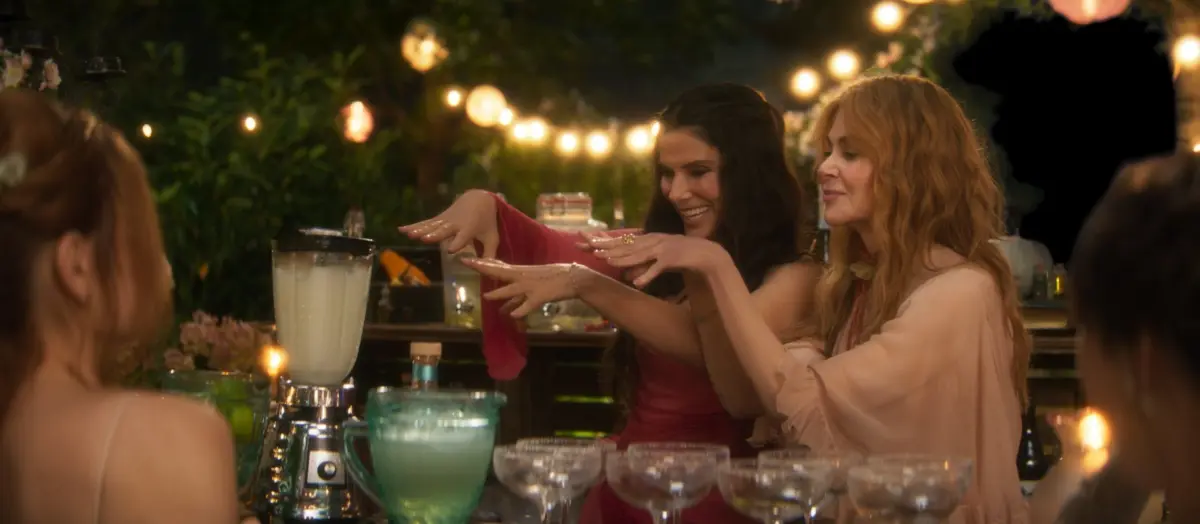
On paper, the sequel reads like a fan’s ultimate wish-list: Nicole Kidman and Sandra Bullock reprise their iconic roles as the free-spirited Gillian and pragmatic Sally Owens. Seasoned director Susanne Bier takes the helm behind the camera. Furthermore, the brilliant Dianne Wiest and the legendary Stockard Channing return to the saddle as the beloved eccentric aunts, Jet and Franny.
Yet, beneath the glittering surface of cinematic resurrection lies a production plagued by questionable casting choices, tonal whiplash, and a baffling adherence to formulaic rom-com tropes. The conspicuous omission of original cast member Evan Rachel Wood—coupled with an uneven transatlantic plotline involving red phone boxes and a cloying, artificial romance—reveals the friction that occurs when Hollywood attempts to commercialize a sacred piece of feminist pop-culture history without fully honoring its foundations. While Practical Magic 2 will undoubtedly endure on the back of pure fan devotion, its missteps offer a cautionary tale about the perils of weaponizing nostalgia.
Detailed Chronology and Narrative Arc: From Massachusetts to the English Countryside
To understand the trajectory of Practical Magic 2, one must trace the evolution of the Owens family curse across generations. The first film established the haunting premise: any man who falls in love with an Owens woman meets an untimely end. Through dark undertones softened by a charmingly cartoonish touch—such as the accidental killing and subsequent demonic resurrection of Gillian’s abusive lover, Jimmy Angelov—the original narrative ultimately championed female solidarity. The sisters relied on their aunts and a newly formed coven of local women to exorcise the malevolent entity and break the family curse.
The sequel picks up 25 years later, establishing a new status quo. Sally Owens (Sandra Bullock) has meticulously hidden her family’s arcane heritage from her grown daughters, Kylie (Joey King) and Antonia (Maisie Williams). However, the fatal ancestral curse is nothing if not punctual. When Kylie’s devoted boyfriend, Gideon (Xolo Maridueña), is critically injured under mysterious circumstances, the family history violently reasserts itself.
Desperate to save the next generation, Kylie flees across the Atlantic to England in search of an ancient, hidden cure. This narrative pivot sets off a chain reaction: Sally, Gillian, and aunts Jet and Franny must cross the ocean, team up with an enigmatic academic warlock played by Lee Pace, and confront a fresh wave of dark forces.
Unfortunately, this is where the narrative begins to unravel. The choice of an idyllic English village setting—replete with obligatory red phone boxes—leans so heavily into aesthetic schmaltz that it evokes comparisons to holiday romantic comedies rather than supernatural thrillers. At times, the plot mechanics feel so flimsy that audiences find themselves laughing at the film’s earnestness rather than engaging with its emotional stakes. Gideon’s cloying, manufactured devotion is dialed up to such an artificial degree that Kylie’s reciprocated love lands flatly, undermining the narrative depth that should anchor a story about generational trauma and sisterhood.
Supporting Context and Metrics: The Casting Controversy and Hollywood Ageism
One of the most glaring flashpoints surrounding Practical Magic 2 is not found within the runtime, but rather in the casting credits. In the 1998 original, Sally’s eldest daughter, Kylie, was played by Evan Rachel Wood. Yet, when the sequel entered pre-production, Wood was conspicuously absent from the line-up, with the role instead going to Joey King.
This recasting sent shockwaves through the fan base. Director Susanne Bier publicly cited age as the deciding factor for the change, a rationale that collapses under the slightest scrutiny. Evan Rachel Wood, who was born in 1987, is currently 39 years old—making her entirely age-appropriate to play an adult Kylie 27 years after the events of the first film.
This creative decision has inevitably invited deeper industry scrutiny. In recent years, Wood has endured intense public fallout following her courageous abuse allegations against musician Marilyn Manson. Observers and fans alike are left to wonder whether Hollywood’s risk-averse PR machinery played a role in sidelining her. If a major studio is effectively policing survivors to avoid controversy, it places the film’s professed feminist ethos at direct odds with the institutional structures that produced it.
More broadly, Wood’s omission exposes a persistent systemic issue within the entertainment industry: rampant ageism masquerading as commercial strategy. Hollywood is endlessly eager to mine the 1990s and 2000s for marketable IP, yet it routinely discards the actual women who helped build those properties’ legacies when they step past youth-oriented demographics. Wood has evolved into a deeply seasoned, complex actor through years of weathering both personal and professional trials. Incorporating that raw, lived-in humanity into the sequel could have lent the Owens family lineage an authenticity that King—despite her undeniable talent—simply cannot supply on her own.
Official Statements and Industry Reception
As the September 11 theatrical release approaches, the discourse surrounding Practical Magic 2 has shifted from pure excitement to a critical interrogation of how studios handle legacy IP. Industry analysts note that while nostalgia-driven marketing campaigns guarantee an initial box office surge, modern audiences have grown increasingly sophisticated and intolerant of cynical casting or lazy writing.
Public reactions from the creative team have largely focused on the joy of reunion. Sandra Bullock and Nicole Kidman have spoken warmly about stepping back into the magical shoes of the Owens sisters, emphasizing the rare privilege of aging alongside characters on screen. Susanne Bier has defended the sequel’s tonal choices as an attempt to modernize the franchise for a new generation of viewers who consume media through platforms like TikTok and Instagram.
However, critics and long-standing fans have voiced a different perspective. Reviewers have pointed out that the film’s reliance on recycled tropes—such as Sally’s recurring "love-at-first-sight" routines with academic warlocks—fails to respect the intelligence of the audience. By sidelining the messy, complicated realities of female relationships in favor of manufactured romantic subplots, the production inadvertently dilutes the very power source that made the original film a cult phenomenon.
Future Outlook: Will the Magic Endure?
Despite its structural flaws, tonal inconsistencies, and controversial casting omissions, Practical Magic 2 is positioned to remain a commercial success. The hunger for community, escapism, and alternative narratives—what modern fans conceptualize as the "old ways" of feminine autonomy—remains entirely unslaked in contemporary culture.
The film proves that the emotional architecture built by Alice Hoffman, Sandra Bullock, and Nicole Kidman nearly three decades ago is remarkably sturdy. Even when the script falters or the dialogue dips into melodrama, the foundational truth of the narrative persists: romantic partners come and go, crises resolve or repeat, but the bonds between women remain eternal.
As Practical Magic 2 rolls out in cinemas worldwide, it stands as a complex monument to the current cultural landscape. It captures both the immense power of retro-nostalgia and the frustrating limitations of an industry still struggling to honor its female subjects with the nuance, maturity, and respect they deserve. Whether the franchise receives further installments will depend entirely on whether future storytellers are willing to clear away the superficial noise and trust the raw, messy magic of true sisterhood.