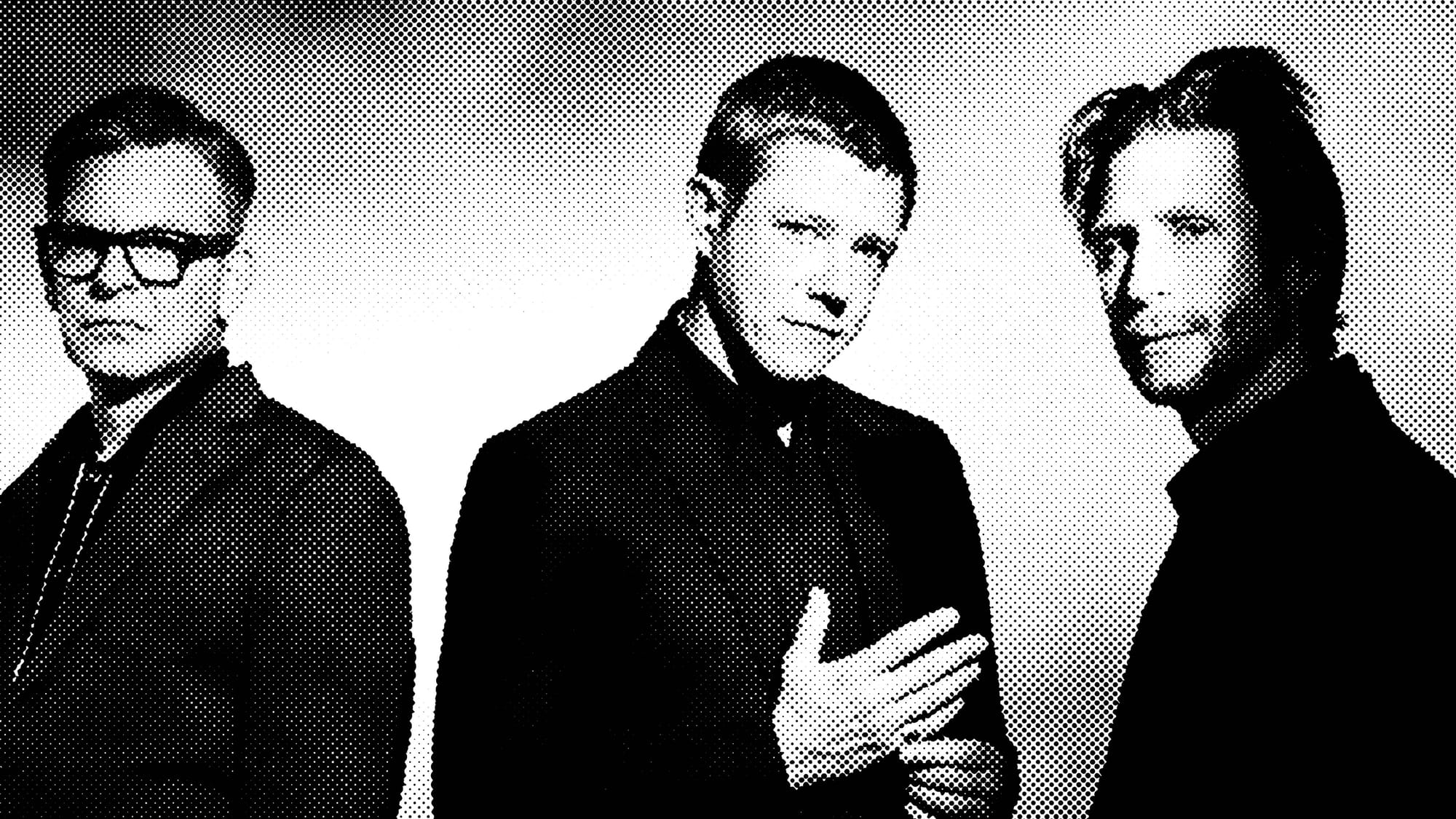
Few bands have captured the existential chill of the 21st-century urban landscape quite like Interpol. Emerging from the crucible of the early-2000s New York indie sleaze scene, the Manhattan-formed quartet—originally comprising Paul Banks, Daniel Kessler, Carlos Dengler, and Sam Fogarino—defined an era with their sharp-suited aesthetic, driving atmospheric rock, and disaffected, baritone-driven lyricism. They painted an ashen, haunting picture of a post-9/11 New York City, forging a sonic blueprint that married the stark, angular guitars of post-punk pioneers like Joy Division with a polished, melancholic grandeur entirely their own.
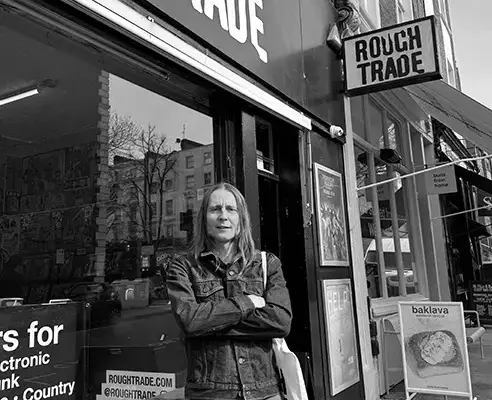
With the arrival of their eighth studio album, This Mirror Weighs a Ton, the band’s enduring legacy prompts a retrospective look at a catalog defined by immaculate gloom. To navigate this sprawling sonic history, Matt Baghurst—manager of Rough Trade Denmark Street and a devoted fan since witnessing the band’s commanding performance on Glastonbury’s Other Stage in 2014—takes on the definitive task of ranking Interpol’s studio releases from great to greatest.
From lightning-in-a-bottle debuts to hard-fought reinventions, this comprehensive evaluation examines how the architects of modern post-punk have navigated artistic stagnation, lineup shifts, and sonic evolution across more than two decades of recording and touring.
Detailed Chronology: The Complete Studio Album Ranking
7. Interpol (2010)
Kicking off the ranking is Interpol’s self-titled fourth LP, released in 2010. While the record features undeniable highlights—such as the cavernous, textured expanse of Lights and the surging, energetic drive of Barricade, which stands as a career highlight—it became apparent that a decade of relentless, back-to-back writing and touring had taken its toll on the group.
The lyrical themes on Interpol heavily reinforce the physical and mental strain that shadowed the recording sessions. Internal friction and creative fatigue are evident in moments where the songwriting struggles to maintain a unified core identity. However, time has proven to be a forgiving judge. Viewed through the lens of subsequent releases, Interpol has gained necessary sonic context, aging far better than contemporary critics initially gave it credit for.
Key Track:Summer Well
6. The Other Side of Make-Believe (2022)
Stepping into a world gripped by pandemic isolation and heightened collective anxiety, Interpol delivered The Other Side of Make-Believe in 2022. This is a cinematic, deliberately slower-tempo album. Tracks like Toni, Gran Hotel, and Something Changed demonstrate a deliberate, mature commitment to expanding their sonic palette while retaining the core moodiness embedded in the band’s DNA.
As an enduring footnote to this era, the album’s companion remix project showcased the band’s collaborative range, featuring avant-garde and electronic reimaginings by artists such as Jeff Parker, Water From Your Eyes, and Daniel Avery.
Key Track:Toni
5. Our Love to Admire (2007)
Positioned midway down the ranking, 2007’s major-label debut Our Love to Admire is frequently debated by fans and purists. Despite housing undeniable fan favorites like No I in Threesome and the propulsive The Heinrich Manoeuvre, the album began to display early warning signs of creative calcification. The lack of sonic flexibility hinted at the stylistic corner the band would find themselves backed into by the time of their 2010 self-titled release.
While not a misstep by any objective metric, within the broader scope of Interpol’s catalog, it feels less essential. Yet, it houses some of Paul Banks’ most aggressive and theatrical vocal performances, particularly his rapid-fire, spoken-word delivery on Pace Is the Trick.
Key Track:Rest My Chemistry
4. El Pintor (2014)
Before El Pintor, Interpol had undeniably fallen into a creative rut. The departure of foundational bassist Carlos Dengler—whose signature melodic low-end was a core pillar of the band’s early identity—left Paul Banks, Daniel Kessler, and Sam Fogarino at a crossroads. Rather than seeking a replacement, Banks stepped up to handle bass duties, injecting a radically fresh energy into the writing process.
The resulting record was more direct, urgent, and rhythmically groove-oriented. El Pintor outranks Our Love to Admire because without its triumphant survival story, it is entirely possible Interpol would no longer exist. Forced to adapt to a completely new internal structure, the trio rose magnificently to the challenge.
Key Track:Anywhere
3. Marauder (2018)
Marauder stands as a remarkably cohesive, sharply crafted piece of work that ranks among the band’s most complete artistic statements. Tracks like The Rover and If You Really Love Nothing are dark, urgent, and channel the haunting, labyrinthine quality of classic cuts like Not Even Jail and Stella Was a Diver and She Was Always Down.
Boasting a raw, unvarnished production style that gives listeners no escape during its heaviest passages, Marauder stands as the closest modern rival to their legendary first two records. Lyrically, it reads like an unflinching psychological interrogation, exploring the anatomy of self-sabotaging behavior. At the time of its release, it captured a revitalized band operating at their absolute peak in over a decade.
Key Track:Stay In Touch
2. Antics (2004)
When a buzzworthy band announces a rapid-fire follow-up to a monumental debut, skepticism is standard; classic albums typically require long gestation periods. Yet, Interpol shattered expectations with Antics, delivering an sophomore record just two years after their debut that nearly matches its predecessor in songwriting, lyrical prowess, and telepathic guitar-and-bass interplay.
Its placement at number two is purely a testament to the near-mythic status of the debut. Anthems like Slow Hands, C’mere, and Evil remain permanent fixtures of Interpol’s live setlists for a reason: they are high-energy, razor-sharp compositions that balance the darker, moodier expanses of their catalog with undeniable momentum.
Key Track:Evil
1. Turn On the Bright Lights (2002)
No surprises here. It is virtually impossible to overstate the seismic impact of Turn On the Bright Lights. Conceived by four sharp-suited men in New York wearing their influences proudly, honing their craft in sweaty rehearsal rooms while future peers like the Yeah Yeah Yeahs, The National, and The Strokes practiced in the rooms next door, this record stands as one of the definitive musical statements of the 21st century.
From the shimmering, instantly recognizable opening guitar riff of Obstacle 1 to the emotional crescendo of PDA and the sweeping dynamism of The New, this album is the textbook definition of lightning in a bottle. It is the ultimate testament to the magic that occurs when four distinct musical minds simply click.
Key Track:Obstacle 1
Supporting Context & Metrics: The Rough Trade Connection
Interpol’s relationship with Rough Trade runs deep, anchored by decades of mutual admiration and memorable live milestones. Turn On the Bright Lights remains a cornerstone of the Rough Trade Essential collection and a firm favorite among staff.
The partnership has yielded several historic live events:
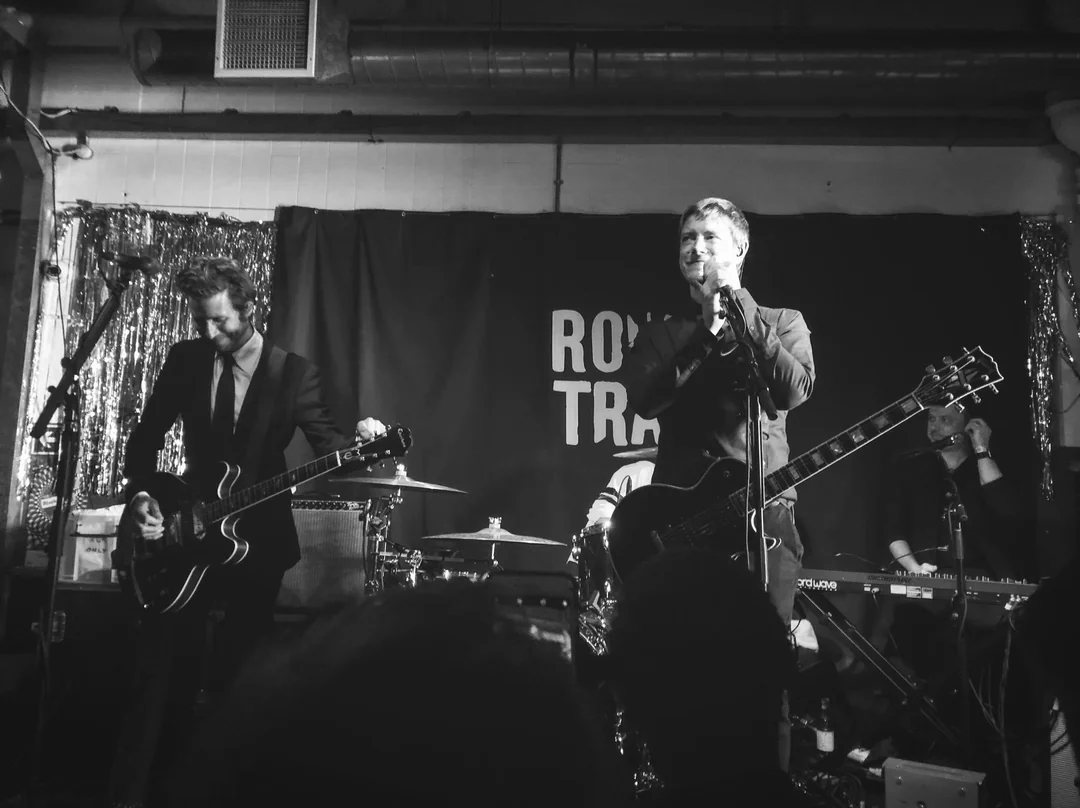
2018: The band performed an intimate, sell-out in-store show at Rough Trade East—a remarkably close-quarters setting for a heavyweight act six albums into their career.
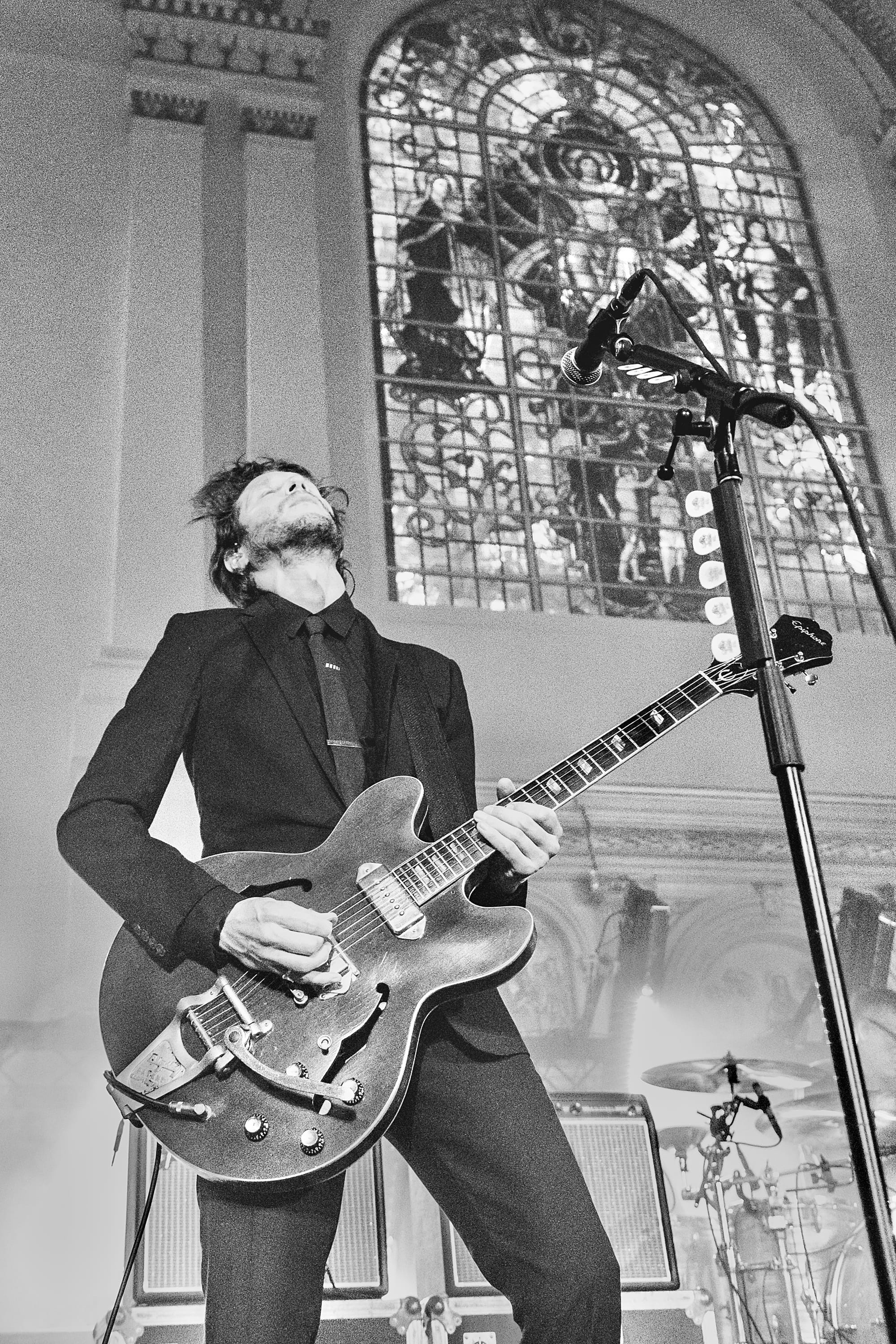
2022: Rough Trade hosted a special out-store performance at Hackney Church to celebrate the release of The Other Side of Make-Believe.
2026: The ongoing legacy expands with the release of their eighth studio full-length, This Mirror Weighs a Ton. True to institutional form, Rough Trade opted to let the new record breathe and find its permanent place in the canon before forcing it into a definitive catalogue ranking.
Official Statements & Cultural Impact
Reflecting on the enduring appeal of the band’s foundational sound, music critics and institutional tastemakers frequently emphasize their singular place in modern rock history. As Matt Baghurst notes regarding their breakthrough era:
"This album is, to me, one of the most influential of the century… This is why people start bands. Sometimes it just clicks, and this album is the epitome of that."
Assessing the grueling transition period following the departure of Carlos Dengler and the subsequent creative rebirth on Marauder, observers noted a profound shift in resilience:
"I think at the time it was the band at their best in over a decade."
Beyond their recorded output, Interpol’s visual and cultural footprint has expanded into fashion and contemporary art. Coinciding with the rollout of This Mirror Weighs a Ton, the band partnered with streetwear powerhouse OBEY for an exclusive collaborative merchandise line. Featuring a bespoke tote bag designed by OBEY founder Shepard Fairey, the collection was made available exclusively through Rough Trade, bridging the gap between post-punk melancholy and street-art iconography.
Future Outlook
As Interpol enters its third decade of active recording and touring, the release of This Mirror Weighs a Ton proves that the band’s creative engine shows no signs of slowing down. Having survived the turbulent lineup adjustments of the 2010s and successfully modernized their cinematic gloom for the 2020s, Paul Banks, Daniel Kessler, and Sam Fogarino continue to refine their distinct brand of urban existentialism.
Whether they are revisiting the tight, driving mechanics of El Pintor or leaning into the slow-burning atmosphere of their most recent material, Interpol remains a vital pillar of alternative rock. They stand as living proof that genuine melancholy, when executed with precision and elegance, never goes out of style.