Executive Overview
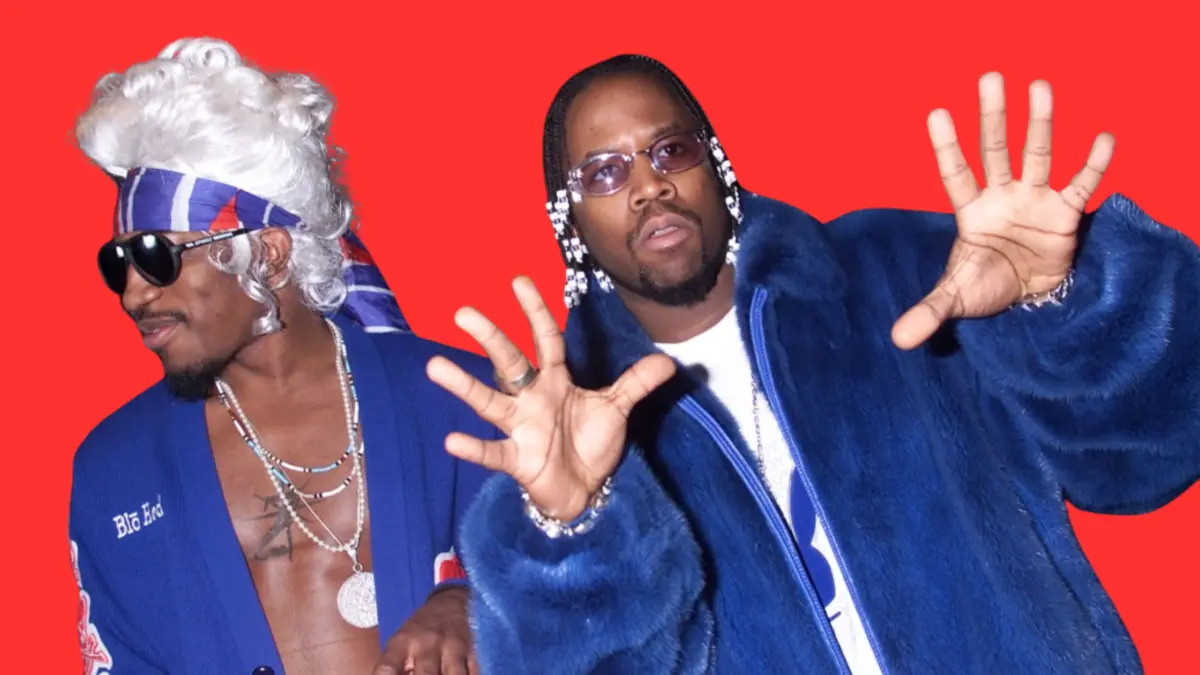
In the sprawling, high-stakes ecosystem of the modern music industry, brand recognition is just as valuable as musical output. This reality has taken center stage in a fascinating legal battle between one of the most legendary hip-hop acts of all time and a rising underground artist. High Schoolers LLC—the corporate entity tasked with managing the intellectual property and trademarks of the iconic hip-hop duo Outkast—has officially filed a federal lawsuit against the rapper and producer known professionally as Ovrkast.
The crux of the legal dispute is remarkably straightforward, yet heavy with financial and branding implications: Outkast argues that Ovrkast’s stage name is phonetically, visually, and conceptually far too similar to their own legendary brand. Even though Antwan "Big Boi" Patton and André "André 3000" Benjamin have not actively recorded or toured as Outkast for over a decade, their cultural footprint remains massive, and their extensive portfolio of registered trademarks demands aggressive legal defense.
The lawsuit, filed after months of stalled negotiations and a broken settlement agreement, accuses Silas Wilson (performing as Ovrkast) of trademark infringement, unfair competition, and breach of contract. What makes this case particularly compelling is that the defendant seemingly admitted to the brand confusion himself in a prominent 2023 interview, only to walk away from a negotiated rebrand at the eleventh hour. As this legal battle unfolds, it serves as a fascinating case study in how heritage acts protect their legacies against modern streaming-era artists in an increasingly crowded sonic landscape.
Detailed Chronology: From Underground Rising to Federal Court
To understand how a multi-platinum, Grammy-winning institution like Outkast has ended up in a courtroom battle with an independent hip-hop artist, one must trace the timeline of events that brought these two distinct musical eras into direct collision.
1993–2019: Building Legacies Decades Apart
The history of the Outkast brand is cemented in hip-hop lore. Formed in Atlanta, Georgia, in 1992 by high school friends Big Boi and André 3000, the duo officially began releasing music under the moniker Outkast in 1993. Over the next twenty years, they redefined Southern hip-hop, selling millions of albums, clinching multiple Grammy Awards, and releasing timeless cultural touchstones like Stankonia and Speakerboxxx/The Love Below. Although they have been on an indefinite hiatus since the mid-2010s, their trademark portfolio has remained heavily active, managed meticulously through High Schoolers LLC.
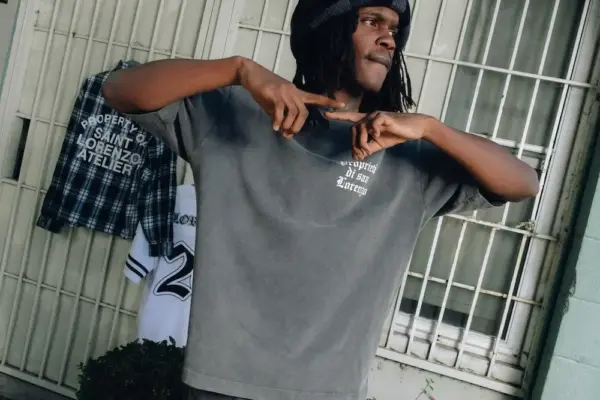
On the other side of the musical spectrum stands Silas Wilson, who began releasing music under the moniker Ovrkast around 2017. Operating primarily within the underground and lo-fi hip-hop scenes, Wilson steadily built a dedicated cult following. His career experienced a significant upward trajectory in 2019 following a series of high-profile collaborations with acclaimed artist Earl Sweatshirt. While operating in a different commercial tier than the stadium-filling Atlanta duo, Wilson’s footprint in digital streaming spaces began expanding rapidly.
Mid-2023: The Red Flags and Rolling Stone Admission
For several years, the two entities existed in relative parallel. However, as Ovrkast’s streaming numbers and media visibility grew, High Schoolers LLC took formal notice. In June 2023, the company raised its first formal objections regarding Wilson’s use of the Ovrkast name, flagging the potential for marketplace confusion.
Curiously, the strongest piece of evidence supporting Outkast’s claims came directly from Wilson’s own mouth. In a July 2023 interview with Rolling Stone, Wilson candidly discussed the persistent confusion surrounding his name. He revealed that fans frequently misread his moniker, recounting interactions where listeners approached him saying, "Oh my God, I thought they said Outkast." Rather than dismissing the similarity, Wilson openly acknowledged the friction, setting off alarm bells in the legal offices representing Big Boi and André 3000.
Late 2023 – Early 2024: The Cease-and-Desist and Broken Settlement
Armed with both trademark registrations and Wilson’s public admissions, High Schoolers LLC issued a formal cease-and-desist letter. Rather than immediately rushing to court, both legal teams entered into settlement negotiations.
A compromise was eventually reached: Wilson agreed to slightly modify his moniker. Under the terms of the settlement agreement, he was slated to rebrand himself as Overkxst—adding an "e" and swapping the "a" for an "x"—by mid-July. Both parties initially agreed that this adjustment would satisfy trademark law while allowing Wilson to retain a semblance of his existing identity.
However, drama unfolded right as the deadline approached. According to the lawsuit, Wilson’s representatives abruptly informed High Schoolers LLC that the rapper no longer wished to adopt the "Overkxst" name. Instead, they proposed two alternative monikers.
The negotiations immediately hit a wall. High Schoolers revealed that they had already rejected one of the proposed alternatives during earlier talks, while the second option was deemed too close a variation of a name they had previously vetoed. With the agreed-upon deadline missed and Wilson defiantly continuing to release music and perform under the Ovrkast banner, Outkast’s legal representatives pulled the plug on diplomacy and filed the federal lawsuit.
Supporting Context & Metrics: The Economics of Brand Confusion
In modern trademark law, the core question in infringement cases rarely centers on malicious intent; instead, it hinges entirely on the legal standard of "likelihood of confusion." Courts analyze whether ordinary consumers are likely to be misled into believing that a product, service, or artist is affiliated with, sponsored by, or connected to the senior trademark holder.
The Power of Heritage Branding in Hip-Hop
Outkast is not merely a musical group; it is a globally recognized, multi-million-dollar intellectual property. Even though Big Boi and André 3000 are not currently in the studio cutting new records together, the economic value tied to the Outkast name remains immense. Merchandising, digital streaming royalties, sync licensing for film and television, and legacy brand partnerships all rely on the absolute exclusivity of the trademark.
When a consumer searches for "Outkast" on digital streaming platforms like Spotify, Apple Music, or YouTube, algorithmic search optimization plays a massive role. If an artist with a phonetically identical name occupies adjacent search results, or if casual fans mistakenly stream Ovrkast believing it to be a secret Outkast reunion project, the senior brand suffers measurable commercial dilution.
Legal Precedent in Artist Monikers
Name disputes in the music industry are notoriously complicated. Historically, clashes usually occur between former bandmates fighting over the rights to use a legacy band name (such as various iterations of rock and metal bands). However, disputes involving newer artists adopting names phonetically identical or highly similar to foundational legends are becoming increasingly litigious.
In the digital streaming age, where discoverability is governed by algorithms, distinct branding is more critical than ever. High Schoolers LLC’s legal filing leans heavily into this digital reality, arguing that Wilson’s continued use of Ovrkast actively misleads the public and unfairly leverages the goodwill built by Patton and Benjamin over three decades.
Official Statements & Legal Arguments
The federal complaint filed by High Schoolers LLC breaks down the grievances into three distinct legal counts: trademark infringement, unfair competition, and breach of contract.
The Core Allegations from High Schoolers LLC
The legal document lays out the plaintiff’s position with absolute clarity, pulling direct quotes from industry reporting to make its case:
"Defendant’s use of the Ovrkast mark is likely to cause confusion, to cause mistake, or to deceive the public into the false belief that the services offered by defendant come from or are otherwise sponsored by, connected with, or affiliated with Outkast, which they are not."
Furthermore, the lawsuit highlights the contractual failure of the settlement agreement. By agreeing to transition to "Overkxst" by mid-July and subsequently backing out at the final hour, Wilson allegedly opened himself up not just to standard trademark violations, but also to direct breach of contract claims. The plaintiff argues that giving Wilson a generous grace period and an alternative spelling option demonstrated good faith, which was ultimately squandered when the defendant reneged on the agreed-upon compromise.
Silas Wilson’s Perspective
While formal legal responses from Wilson’s defense team are still being processed through the courts, his previous remarks to Rolling Stone provide vital context regarding his mindset. Wilson has consistently positioned himself as an independent artist operating in a completely different stylistic lane—lo-fi underground hip-hop—far removed from the commercial pop-rap and funk-infused stadium anthems of Outkast.
From the perspective of independent creators, modifying a stage name after years of grassroots brand building can feel devastating to an artist’s organic reach. For an underground producer-rapper who spent years carving out a distinct niche alongside collaborators like Earl Sweatshirt, surrendering the name Ovrkast—even for a stylized variant like Overkxst—represents a major structural hurdle. However, legal experts note that artistic intent does not override federal trademark law, particularly when consumer confusion has been documented on the record.
Future Outlook: What’s Next for Outkast and Ovrkast?
As this legal battle moves forward through the federal court system, several distinct pathways lie ahead for both parties involved.
1. Potential Settlement Out of Court
Despite the breakdown of the initial agreement, federal litigation is costly, time-consuming, and emotionally draining for independent artists. It remains entirely possible that Wilson’s legal counsel will return to the negotiating table. Facing the financial muscle of High Schoolers LLC, Wilson may be forced to accept a variation of the name that satisfies Outkast’s legal team, or agree to a phased withdrawal of the Ovrkast moniker altogether.
2. A Hard-Fought Court Battle
Should Wilson choose to mount a defense, his legal team will likely attempt to argue that the hip-hop market is sophisticated enough to distinguish between a 1990s multi-platinum legacy act and a modern underground lo-fi producer. They may also challenge the breadth of High Schoolers LLC’s trademark claims, testing whether "Ovrkast" is sufficiently distinct visually and contextually to avoid consumer deception. However, the defendant’s own previous admissions in the press will serve as a formidable hurdle for any defense strategy.
3. Industry-Wide Implications
Regardless of the final verdict or settlement, this case serves as a loud warning flare to emerging artists across all genres. In an era where digital saturation makes unique naming increasingly difficult, up-and-coming musicians must conduct exhaustive trademark clearance searches before planting their flag on a moniker. As legacy acts continue to fiercely guard their intellectual properties, the era of casually adopting names reminiscent of hip-hop royalty is rapidly coming to a close.
For now, the legal skirmish between Outkast and Ovrkast stands as a fascinating intersection of hip-hop history, modern streaming economics, and strict intellectual property law—proving once again that in the music business, a name is worth its weight in gold.