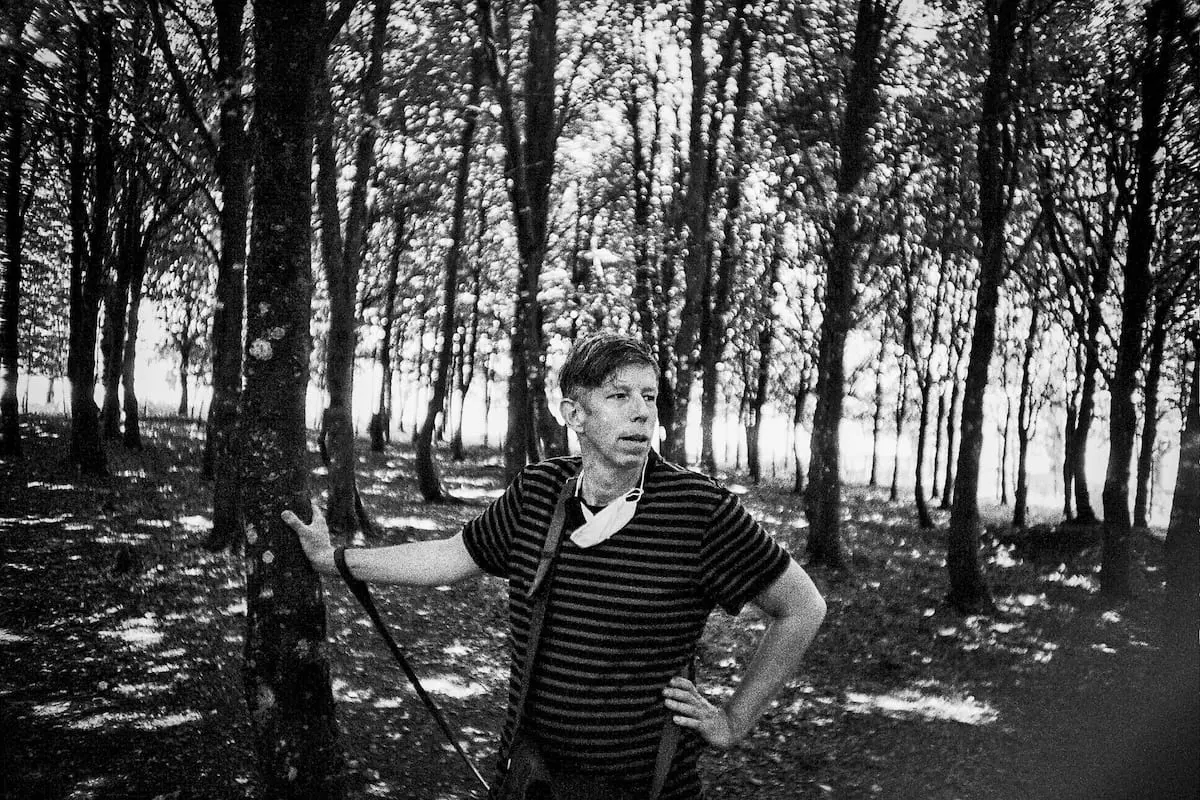
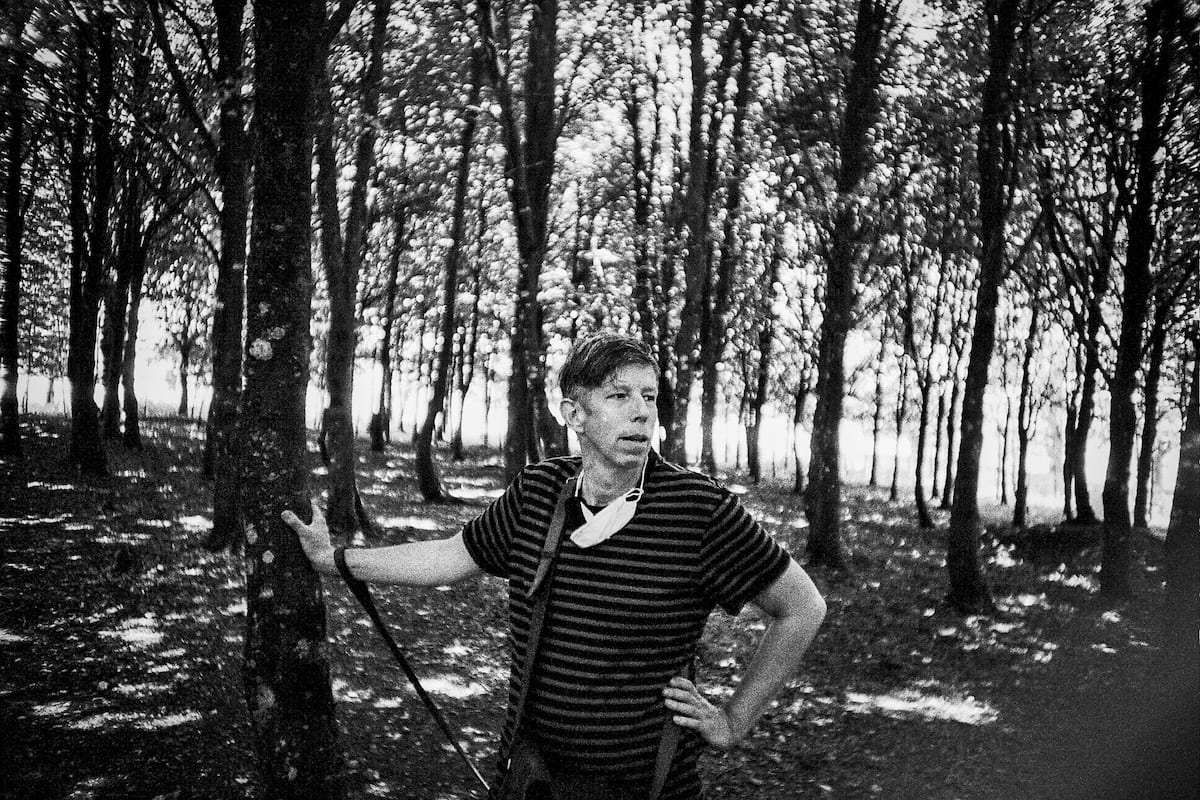
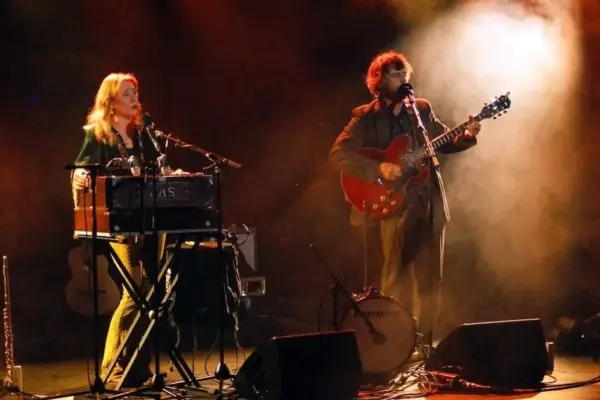
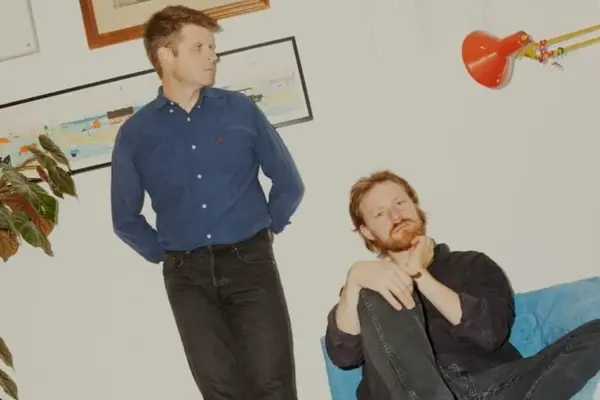
For three decades, Darren Hayman has occupied a singular space in the British independent music landscape. Rising to prominence in the late 1990s as the frontman of the influential indie-pop outfit Hefner, Hayman has since cultivated a prolific, fiercely independent solo career. Earlier this month, he released his latest album, I’m Your Team, via Audio Antihero. Critics have hailed the record as some of his finest work, with reviewer Thomas Blake describing it as Hayman at his "most undiluted and emotionally stark."
Yet, music tells only half the story of Hayman’s creative output. Trained as an illustrator at the Maidstone College of Art in the late 1980s, Hayman has quietly maintained a parallel career as a visual artist. Over the past fifteen years, this passion has evolved from watercolor postcards for friends into a fully realized painting practice that now accounts for more than half of his professional income.
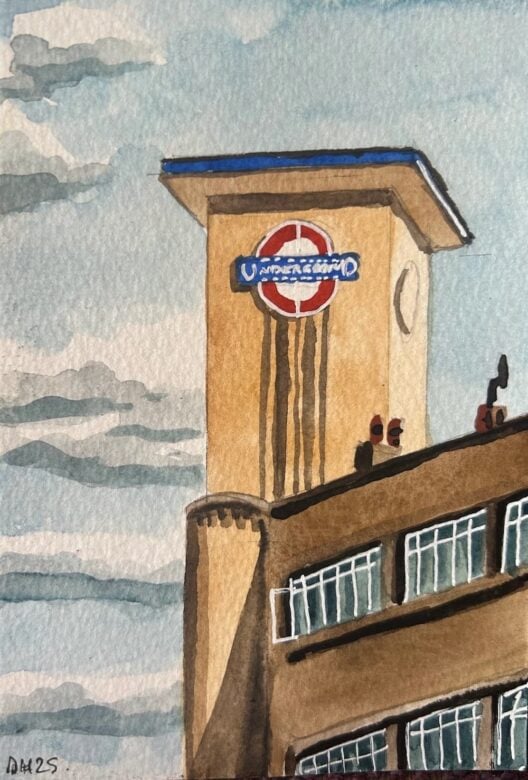
The intersection of these two mediums forms a fascinating creative ecosystem. While Hayman’s musical compositions are intensely centered on human interaction—exploring the nuances of loneliness, desire, and emotional friction—his paintings deliberately purge humanity entirely. Unpeopled London scenes, abandoned tube stations, lonely streetlights, and vintage objects populate his canvases, creating a poignant dialogue between a world overflowing with voices and a world rendered entirely silent. As Audio Antihero works to digitally preserve and archive Hayman’s vast musical back catalogue, this moment offers a unique lens through which to examine an artist who has successfully balanced two disparate, yet deeply complementary, creative lives.
Detailed Chronology: From Maidstone College to Hefner and Beyond
Hayman’s creative trajectory began long before he ever picked up a guitar. In 1989, driven by a childhood ambition to become a comic artist, he enrolled at Maidstone College of Art to study illustration. However, the academic environment quickly dismantled his preconceptions. Confronted with peers who seemed to possess an innate understanding of high art and music history, and realizing that professional comic artists rarely followed traditional art school paths, Hayman found himself at a crossroads.
The turning point arrived unexpectedly through the music of Billy Bragg. Hearing someone sing in his own regional accent for the first time proved to be a catalyst. The very next day, Hayman purchased a guitar from a friend named Graham, planting the seeds for a three-decade musical journey.
Despite this pivot, art school left an indelible mark on his methodologies. Hayman has frequently credited an unorthodox tutor with shaping his approach to constraints. This instructor subjected students to bizarre physical and conceptual restrictions—such as tying bags of flour to their arms to induce fatigue, forcing them to paint less and observe more, or rotating easels every five minutes to produce collaborative works. These early lessons in self-imposed limitations would later become a foundational pillar of Hayman’s career as both a musician and a painter.
The Rise of Hefner and Early Visual Identities
Admitting that he was a "late developer and a slow learner," Hayman spent his early years writing substandard songs, feeling distinctly uninspired compared to his graduating peers. Convinced by the trope that musicians peaked in their youth while artists matured with age, he prioritized his nascent band, Hefner.
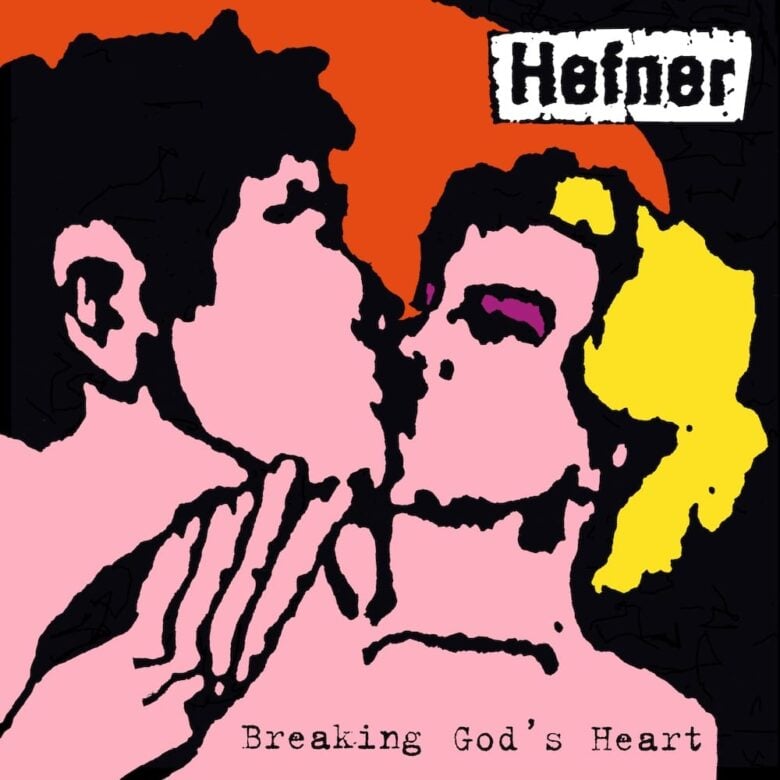
The gamble paid off. Hefner secured a record deal, released four critically acclaimed albums, received national radio airplay, and toured the globe. Even during this whirlwind period of commercial and critical success, Hayman maintained control over the band’s visual branding. Rejecting traditional rock photography, he designed Hefner’s cover art himself, manipulating clip art and comic book aesthetics into striking pop-art collages. This determination ensured that his records possessed a unified visual identity, bridging the gap between his training as an illustrator and his output as a frontman.
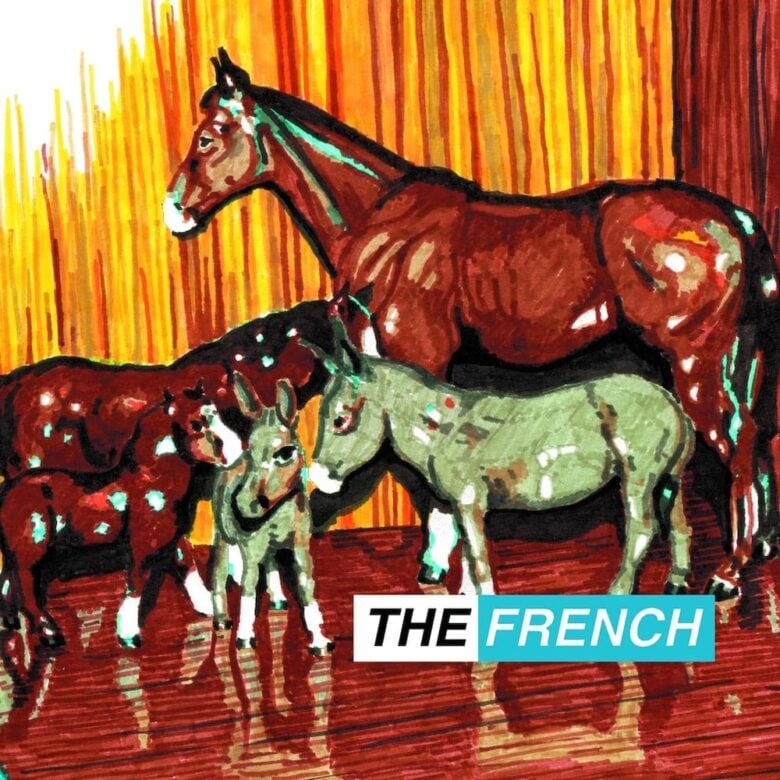
Following Hefner’s dissolution, Hayman’s subsequent musical iterations—including The French and various solo projects—embraced an increasingly analogue ethos. Simultaneously, he returned to the tactile mediums of his youth, experimenting with felt-tip pens and colored pencils. Over the last decade and a half, painting has steadily clawed its way back to the forefront of his professional life. Today, Hayman finds himself living out his long-held hypothesis: establishing himself as a successful musician in his youth, and steadily transitioning into a dedicated visual artist in his maturity.
Supporting Context & Metrics: The Mechanics of Constraint
A defining characteristic of Hayman’s artistic philosophy across both disciplines is the strategic use of self-imposed limitations. Influenced by Brian Eno’s famous Oblique Strategies cards—which offer cryptic rules to unblock creative stalemates in the studio—Hayman has systematically subjected his solo albums to rigorous sonic boundaries.
‘Local Information’: Restricted entirely to monophonic electronic instruments, with the sole exception of a microphone-recorded human voice.
‘Essex Arms’: Built on the inverse restriction, utilizing exclusively acoustic instrumentation captured entirely through microphones.
‘Home Time’: Recorded from start to finish on a restrictive eight-track system.
‘I’m Your Team’: His newest release pushes this philosophy further, limiting instrumentation to just three elements: a Yamaha DX7 synthesizer, a Roland TR-707 drum machine, and a bass guitar.
Both the DX7 and the TR-707 are widely considered obsolete relics of 1980s music production by modern standards. Yet, by locking himself inside these parameters, Hayman forces a distillation of emotion, mirroring the stark loneliness explored in his lyrics.
The Economic and Physiological Shift
The balance between Hayman’s two primary disciplines is not merely stylistic; it is economic and physiological. Painting now accounts for more than half of his income, allowing him a psychological stability that the volatile music industry rarely provides.
Physiologically, the two mediums trigger entirely different reactions:
Music acts as a manic, urgent compulsion. It drives his heart rate up, fueled by the ambition to create something profoundly important that might resonate deeply with listeners.
Painting acts as a stabilizing sedative. Sitting comfortably with his technical abilities, Hayman finds that drawing and painting physically slow his heart rate down.
This dichotomy has also dictated an evolution in his painting technique. Abandoning the graphic outlines inherited from his comic-book training, Hayman transitioned into painting light itself. Realizing that objects in the physical world lack pen outlines—relying instead on shifts in light and color to define their edges—he began focusing on how illumination falls across everyday surfaces.
Official Statements & Insights
Reflecting on his dual output, Hayman has frequently highlighted the distinct psychological spaces occupied by his lyrics and his canvases.
"In my lyrics, despite the many themes I place upon my albums, I am almost always singing about people—what they say and think when they’re lonely or in love," Hayman observes. "My songs focus on fear, longing, and ennui. I like language, and I’m trying to find the words we use to describe ourselves that don’t often appear in music."
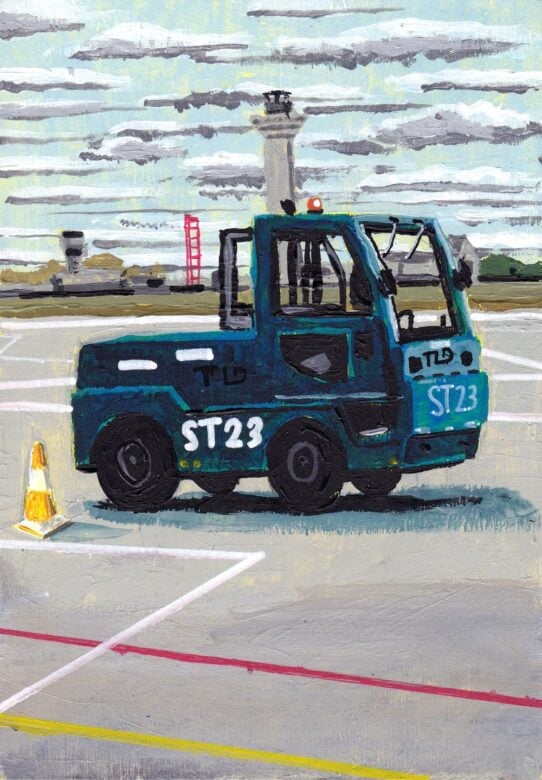
Conversely, his visual art completely eradicates humanity. When painting urban environments—such as London streetscapes, tube stations, or airport infrastructure—Hayman deliberately excises all human figures.
"In my paintings, people don’t feature at all. Even when I paint London scenes, I take all the people out so that everything looks deserted," he notes. "It is, perhaps, painting another kind of loneliness, or maybe some people’s idea of a utopia. I also think to paint human beings well… is a lifetime’s work for an artist and beyond me."
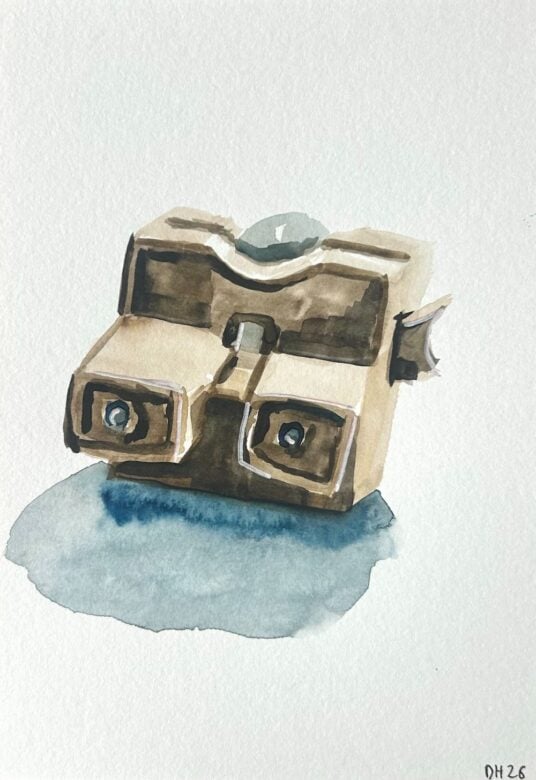
Instead, his subjects are drawn from the familiar and the inanimate: trains, stations, airport vehicles, fairground rides, tape players, and small toys. Choosing these comfortingly childish, dependable objects in a shifting, uncertain world, Hayman aims not for hyper-realism, but for a sense of "solidarity and safety."
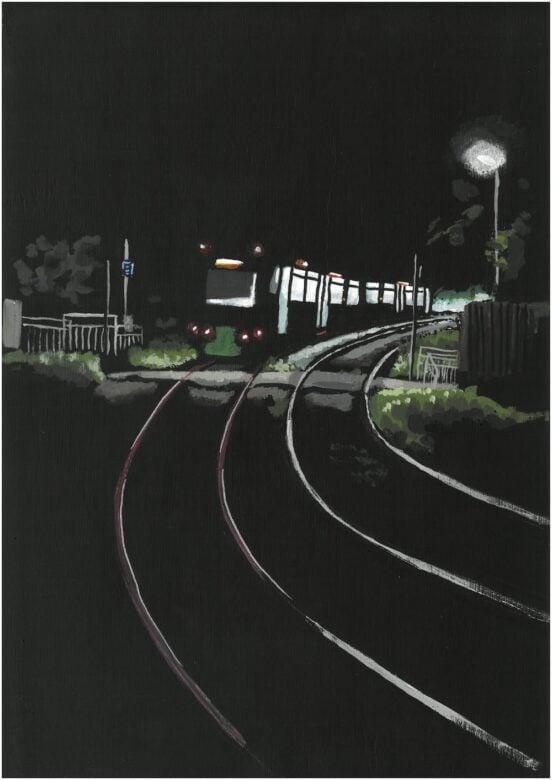
During the 2021 COVID-19 lockdown, however, Hayman began exploring the quiet narrative potential of domestic spaces. By focusing on the warm lights glowing inside unpopulated houses at night, he found a way to bridge his two worlds:
"During the lockdown, I became interested in the lights inside houses. They represented safety and solitude, and I thought I’d found a way to paint more of a human story into my unpopulated world. My nightscapes became some of my most successful and popular works and seemed a way to make my songs and artworks relate more closely to each other."
Future Outlook
As I’m Your Team continues to garner critical acclaim, Darren Hayman shows no signs of slowing down his cross-disciplinary exploration. The partnership with Audio Antihero to digitize and archive his extensive back catalogue via Bandcamp ensures that his musical legacy remains accessible to both longtime fans and new converts. Meanwhile, his visual art continues to command a dedicated following through his online gallery, darrenhaymanart.com.
Looking ahead, Hayman is stepping directly into community arts education. He is scheduled to lead a month-long series of weekly Thursday painting workshops for all ability levels at the historic Soho Poly in central London, running from November 12th through December 3rd.
Ultimately, Hayman views his creative life as a continuous feedback loop. The stark, synthesizer-driven isolation of I’m Your Team informs the mood of his night paintings, which in turn feeds back into the stillness and sonic discipline of his songwriting. By maintaining one world overflowing with human voices and another entirely devoid of them, Darren Hayman has constructed a remarkably balanced artistic ecosystem—one where obsolescence breeds innovation, and loneliness finds its own unique brand of comfort.