Executive Overview
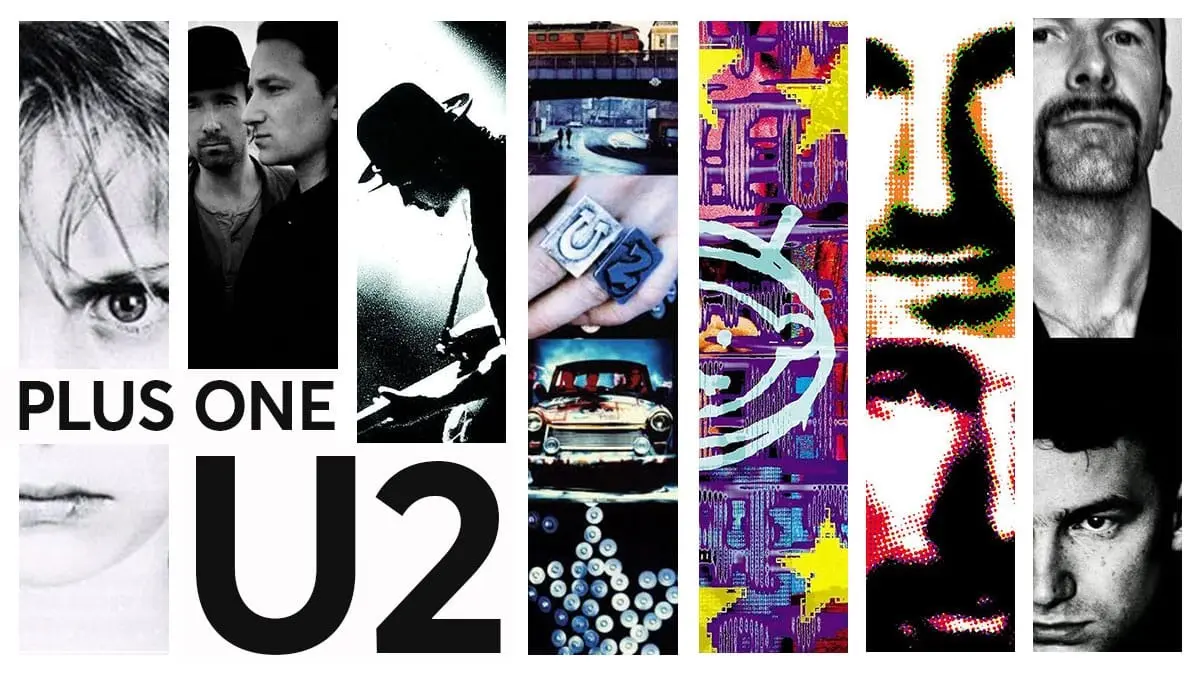
For half a century, U2 has defined the gold standard of stadium rock. Formed in 1976 when 14-year-old drummer Larry Mullen Jr. pinned a recruitment notice to the board of Dublin’s Mount Temple Comprehensive School—subsequently drawing in Bono, The Edge, and Adam Clayton—the Irish quartet has evolved from raw post-punk hopefuls into global music royalty. Having sold more than 170 million records worldwide, the band has continually pushed the boundaries of live performance. From the satirical, channel-surfing sensory overload of the Zoo TV tour and the surreal consumerist critique of PopMart’s giant golden arches to the breathtaking, state-of-the-art wraparound 16K screen of their landmark Las Vegas Sphere residency, U2 treats rock and roll as an immersive, high-art spectacle.
Yet, all the groundbreaking visual production and technological innovation in the world would mean little without the enduring power of the band’s songcraft. As U2 prepares to hit the road for their highly anticipated 2027 global itinerary, The Greatest Show On Earth World Tour, they are primed to showcase tracks from their monumental 16th studio album, Carnaval de Luz. Following a touring hiatus that has kept them off the road since 2019, the inclusion of fresh material alongside a timeless catalog has set expectations at an all-time high. To celebrate their triumphant return to UK stadiums next summer, we have meticulously ranked the 11 greatest U2 songs of all time—the definitive anthems destined to echo through packed arenas across the globe.
Detailed Chronology: The Making of a Legacy
11. "Where The Streets Have No Name" (The Joshua Tree, 1987)
Has any rock album in history ever opened with such full-body shivers? Following nearly a full minute of bittersweet church organ swirling like a desert morning mist, The Edge’s skittering, delay-soaked guitar riff turns the ignition key on what remains arguably the greatest rock record of the 1980s. Born out of the sprawling landscapes of The Joshua Tree, this track captures a restless spirit yearning for transcendence. When U2 unleashes this masterpiece live on their upcoming tour, the collective energy of tens of thousands of fans will feel enough to temporarily suspend the laws of gravity.
10. "Beautiful Day" (All That You Can’t Leave Behind, 2000)
The Edge initially dismissed an early draft of this track as "ho-hum straight rock," but a radical restructuring changed everything. By altering the beat and introducing a signature guitar tone—described by producer Daniel Lanois as "splintered metal coming at you like a meteor storm"—U2 birthed a juddering, triumphant anthem that has since become the soundtrack to a billion sports montages and celebratory moments worldwide. It is a masterclass in modern stadium composition that proves resilience sounds like pure joy.
9. "Silencio" (Carnaval De Luz, 2027)
Reconnecting with the gritty post-punk roots of their late-1970s Dublin origins, U2 channels raw, unvarnished energy on this standout track from their 16th studio record. Despite a title that suggests quietude, this dynamic, loud-quiet-loud thrasher sounds as though it was hammered out by anxious teenagers in a sticky-floored local garage rather than engineered by seasoned rock veterans inside an elite boutique studio. It proves that after fifty years, the band’s appetite for provocative sonic experimentation remains entirely unquenched.
8. "Pride (In The Name Of Love)" (Rattle And Hum, 1988)
While the 1984 studio original from The Unforgettable Fire is undeniably powerful, it is ultimately eclipsed by the faster, looser, rabble-rousing live rendition captured on 1988’s Rattle And Hum. Driven by The Edge’s echoing riffs rattling the rafters and Bono’s force-ten messianic charisma commanding the audience, "Pride" stands as a textbook example of stadium dynamics. It serves as essential study material for any ambitious young band and a direct preview of the communal electricity waiting for fans on The Greatest Show On Earth tour.
7. "Sunday Bloody Sunday" (War, 1983)
"This song is not a rebel song," Bono famously instructed crowds during the band’s landmark 1983 live album, Under A Blood Red Sky. Propelled by jackboot drums and a strident rhythm that evokes a marching military unit, "Sunday Bloody Sunday" operates instead as a passionate pacifist outcry. Rather than taking political sides, it laments the human cost of The Troubles, specifically referencing the tragic 1972 shooting of civil rights protesters in Derry, transforming collective grief into a soaring call for unity.
6. "Even Better Than The Real Thing" (Achtung Baby, 1991)
Demonstrating their penchant for sonic disruption, The Edge created the unforgettable car-alarm intro of this track by aggressively stomping on a pitch-shifter pedal during the Achtung Baby recording sessions. Paired with Bono’s biting lyrical critique of early-1990s instant gratification culture, this eastern-tinged, electro-gospel banger sounds as prescient and intoxicating today as it did over three decades ago.
5. "I Still Haven’t Found What I’m Looking For" (The Joshua Tree, 1987)
While it can easily be appreciated as a straightforward love song driven by sweeping romantic devotion, this Joshua Tree classic carries a much deeper, more restless existential weight. As Bono has noted, "It’s a gospel song with a restless spirit." The lingering question is whether the band will resurrect the soulful backing of the New Voices Of Freedom choir to elevate this already transcendent anthem to the ethereal heights witnessed on their Rattle And Hum tour.
4. "New Year’s Day" (War, 1983)
Typical of Bono’s creative process, this wintry single began as a personal love song dedicated to his wife before absorbing the turbulent socio-political realities of early-1980s Europe, ultimately drawing inspiration from the Polish Solidarity movement and Lech Wałęsa. Anchored by Adam Clayton’s mesmerizing, rumbling bassline and a bruised, unforgettable piano melody, the track propelled U2 into the UK Top 10 for the very first time in their career.
3. "Bad" (The Unforgettable Fire, 1984)
Written during a period when Dublin was deeply scarred by poverty and a devastating heroin epidemic, "Bad" is a haunting, slow-burn exploration of addiction penned for a friend caught in its grip. Handed over to the global consciousness during the band’s legendary 12-minute performance at Live Aid in 1985, the song transcends its studio origins. As Bono has frequently reflected, its true power lies in its unique ability to transport an entire stadium of listeners into a state of collective catharsis.
2. "With Or Without You" (The Joshua Tree, 1987)
In an alternate universe, this cornerstone of The Joshua Tree might have been left on the cutting room floor. Originally aiming for a sonic space somewhere between Roy Orbison and Scott Walker, the band inadvertently landed in overly saccharine territory until associate Gavin Friday suggested a vital restructuring. By opening with a hypnotic whisper that slowly builds toward a singular, operatic chorus at the climax, U2 created a towering monument of modern romantic tension.
1. "One" (Achtung Baby, 1991)
Isolated inside Berlin’s Hansa Studios at the dawn of the 1990s, U2 found themselves creative-fractured and at odds over their musical direction—a tension so severe that drummer Larry Mullen Jr. genuinely feared the band was finished. The song that ultimately saved them emerged unexpectedly from discarded chord sequences originally intended for "Mysterious Ways." When the lyrics "fell out of the sky" alongside a melody of staggering emotional depth, it secured its place not just as U2’s finest achievement, but as one of the greatest compositions in modern music history.
Supporting Context & Metrics
U2’s enduring legacy is validated by exceptional commercial and critical milestones that place them in an elite tier of musical history:
- Global Record Sales: Over 170 million albums sold worldwide.
- Grammy Recognition: 22 Grammy Awards won out of 46 nominations, placing them among the most decorated rock groups of all time.
- Chart Dominance: Eight UK Number One albums and multiple Billboard Hot 100 chart-topping singles, including "With Or Without You" and "I Still Haven’t Found What I’m Looking For."
- Live Attendance Records: Consistently ranking among the highest-grossing touring acts in history, highlighted by the historic 360° Tour (2009–2011), which set global box office and attendance records for its era.
Official Statements and Industry Insights
Reflecting on the band’s longevity and creative renewal leading into their upcoming global appearances, insiders and band members alike have emphasized the vitality of their new material.
"We haven’t lost the hunger," shared a source close to the band’s production team regarding the development of their 16th studio album, Carnaval de Luz. "The objective has always been to balance the weight of our history with the unpredictable spark of where we are right now. When you hear these new tracks alongside the foundational anthems, it feels less like a retrospective and more like a continuation."
Music critics have likewise praised U2’s ability to reinvent stadium spaces, turning vast arenas into intimate spaces of shared emotional release. As the band prepares to re-engage with audiences on a massive scale, industry analysts project unprecedented demand for their live dates.
Future Outlook: The Road to 2027
As U2 looks toward the horizon, the upcoming rollout of Carnaval de Luz on November 13, followed by the launch of The Greatest Show On Earth World Tour in the summer of 2027, marks a major milestone in contemporary music. Bridging the gap between their foundational post-punk roots in late-70s Dublin and their cutting-edge technological spectacles, the band continues to defy expectations.
Fans eager to experience the next chapter of this legendary career should act quickly. U2 has officially announced their 2027 UK stadium dates, and priority access is currently underway. To secure presale opportunities, music enthusiasts can visit the official U2 Artist Presale page before the registration window closes at 22.59 GMT on Sunday, November 1.