Executive Overview
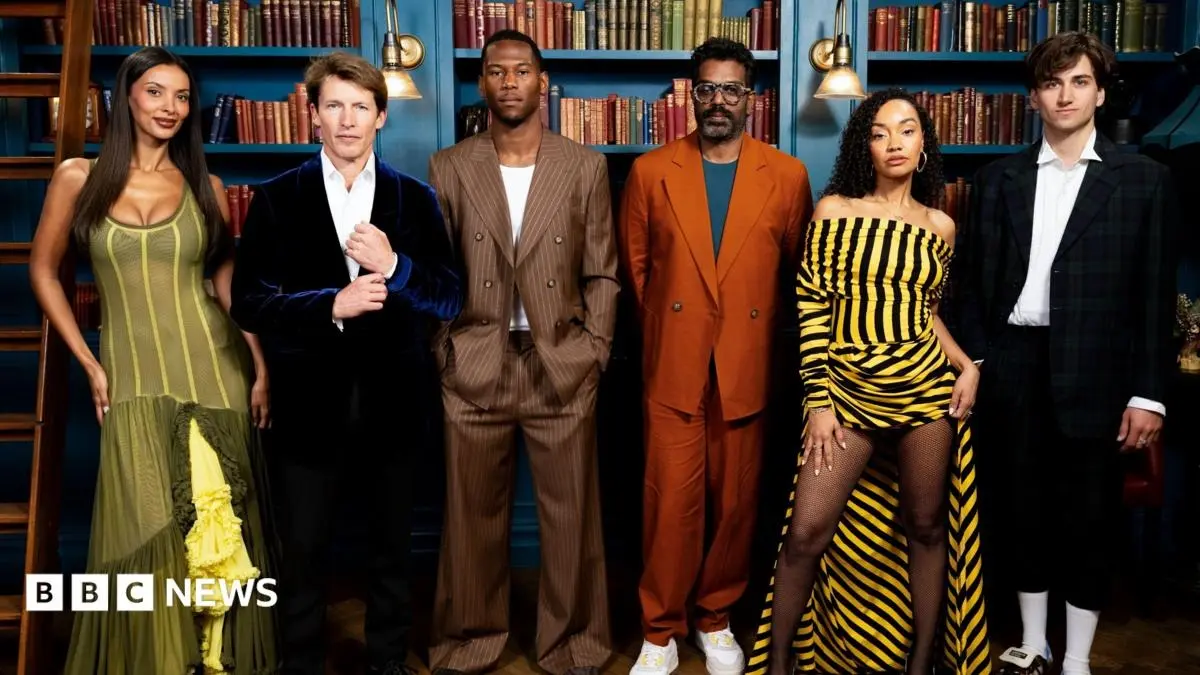
The curtain has finally fallen on one of the most psychological, emotionally draining, and tightly guarded television events of the year. Following weeks of intense suspicion, strategic betrayals, and nerve-wracking roundtables, the second series of BBC One’s smash-hit The Celebrity Traitors concluded on Friday evening with a dramatic and historic finale. Out of an initial cohort of 21 prominent public figures, only seven finalists remained to face the ultimate reckoning in the Scottish Highlands.
When the dust settled, it was actor Sebastian Croft—affectionately known as "Bash" to his friends—and comedian Romesh Ranganathan who stood victorious. Navigating a labyrinth of deceit, paranoia, and psychological warfare, the two Faithfuls successfully rooted out the final remaining Traitor, King Kenny, securing a combined prize pot of £83,000. In keeping with the charity-driven ethos of the celebrity iteration, the winnings will be split and distributed directly to causes close to the victors’ hearts.
However, the journey to the final roundtable was anything but straightforward. The conclusion of the series has sparked widespread cultural conversation, dominating morning media, radio broadcasts, and social media feeds. For the winners, the immediate aftermath has brought a profound sense of relief—not merely because of their triumphant tactical execution, but because they are finally unburdened from months of absolute secrecy. Operating under strict non-disclosure agreements, the duo had to navigate public appearances, dinners, and daily life while keeping the ultimate television spoiler locked away.
This comprehensive report examines the anatomy of the finale, the strategic maneuvers that dictated the endgame, the psychological toll of playing the game, and the broader cultural impact of the BBC’s runaway reality entertainment phenomenon.
Detailed Chronology: From 21 Celebrities to the Highland Endgame
The trajectory of The Celebrity Traitors Series Two began months prior to its broadcast, with 21 well-known personalities arriving at a majestic yet intimidating Scottish castle. Stripped of their usual comforts, public profiles, and communication with the outside world, the contestants were immediately thrust into a social experiment designed to test trust, intuition, and emotional resilience.
The Initial Phase and Attrition
As the weeks progressed, the original lineup was systematically whittled down. The mechanics of the game are famously ruthless: each night, the secret cabal of Traitors selects a Faithful to "murder" and remove from the game, while the daytime hours are consumed by desperate detective work, mission-based financial contributions to the prize pot, and explosive roundtables where players attempt to banish suspected Traitors.
Among the diverse cast was Little Mix pop superstar Leigh-Anne Pinnock, whose journey captivated viewers not only for her strategic gameplay but also for her sheer physical and mental resilience. Throughout the season, Pinnock competed while pregnant—a fact that added an extraordinary layer of vulnerability and grit to her participation.
As the numbers dwindled from 21 down to the final seven, the atmosphere inside the castle shifted from camaraderie to claustrophobic tension. Every glance, whispered conversation, and voting pattern was scrutinized under a microscope. The Faithfuls knew that Traitors were hiding among them, yet identifying them required a dangerous combination of luck, psychological profiling, and vocal persuasion.
The Climax: The Downfall of King Kenny
The turning point of the entire series arrived during the final hours, centering heavily on the actions of contestant King Kenny. Kenny’s journey through the game had been uniquely comprehensive; as he noted in post-game interviews, he felt he had "experienced everything possible in the game."
Kenny began his tenure as a steadfast Faithful. His survival instincts earned him a coveted shield early on, protecting him from a nocturnal murder attempt. However, the trajectory of his game shifted dramatically when he was subsequently recruited by the remaining inner circle to cross enemy lines and become a Traitor.
Stepping into the role of a deceiver proved far more psychologically taxing than Kenny had anticipated. While tasked with maintaining a web of lies, he found himself grappling with the emotional weight of manipulating genuine friendships forged within the castle walls.
In the high-stakes final showdown, the remaining Faithfuls were tasked with identifying whether any deceitful players still lurked among them. It was here that actor Sebastian Croft played his masterstroke. Recognizing the subtle behavioral shifts and endgame positioning of King Kenny, Croft used his persuasive abilities to convince fellow finalist Romesh Ranganathan to pivot their strategy.
By targeting Kenny at the final banishment, Croft and Ranganathan successfully purged the last remaining Traitor from the game. Had Croft not intervened with such precision, the trajectory of the finale could have favored the Traitors, leaving the prize pot entirely compromised. Instead, the Faithfuls secured a definitive and hard-fought victory.
Supporting Context & Metrics: The Anatomy of a Cultural Phenomenon
To fully appreciate the magnitude of the Celebrity Traitors victory, one must examine the metrics and cultural framework surrounding the BBC One production. Reality television formats come and go, but The Traitors—adapted from the Dutch format De Verraders—has established itself as a generational juggernaut.
Financial and Charitable Impact
- Total Prize Fund: £83,000 accumulated across grueling missions that tested endurance, problem-solving, and teamwork.
- Beneficiaries: The entire sum is designated for charitable causes selected individually by Croft and Ranganathan, marrying high-intensity entertainment with philanthropic outcome.
- Cast Attrition: A reduction from 21 initial celebrity contestants down to a final pool of 7 finalists, representing an elimination rate of 66% prior to the endgame.
The Physical and Psychological Toll
The physical demands placed on the contestants should not be understated. In the final episode, Leigh-Anne Pinnock participated in a cinematic, high-adrenaline mission that involved dangling off the side of a hovering helicopter and lowering herself to the ground via a rope. Doing so while pregnant underscored the intense commitment demanded by the production team. Pinnock later reflected on the experience, noting that it served as a powerful personal validation: "I’m just super proud of myself. It’s kind of just shown me that I really can do anything I put my mind to."
Simultaneously, the psychological burden on the players cannot be overstated. Unlike traditional game shows where skill or physical prowess dictates success, The Traitors relies entirely on deception, betrayal, and emotional manipulation. King Kenny candidly admitted that maintaining the facade broke down his emotional boundaries. "There were so many times when I felt bad pinning stuff on people," Kenny revealed. "It’s a very draining thing to do as a traitor. There’s moments when there is fun, but lying to people for that long is insane, you build friendships as well and feel bad."
Official Statements & Post-Game Revelations
The morning after the dramatic finale aired on Friday, the victors wasted no time stepping into the media spotlight to process their surreal experience. The transition from the isolated, hyper-paranoid environment of the Scottish Highlands back to everyday public life proved to be an immediate relief.
Sebastian Croft: "It’s Been Killing Me"
Speaking exclusively to BBC Newsbeat, 24-year-old Sebastian Croft expressed the immediate psychological weight lifted from his shoulders upon the broadcast’s conclusion.
"I am feeling good, it’s so nice to finally be able to talk about it properly," Croft said.
Reflecting on the paranoia of living under the radar prior to the finale, Croft shared an anecdote highlighting how difficult it was to maintain cover in public spaces. He and Ranganathan had attempted to share a meal together in public, acutely aware that their unexpected pairing would raise eyebrows.
"We were having dinner and we’re not exactly a likely duo and the whole restaurant was like, ‘we like you on Traitors and hope you win’," Croft recalled.
He added that waking up on Saturday morning brought an overwhelming sense of liberation: "I woke up with a light sense that I don’t have to keep the secret anymore. It’s been killing me."
Despite his youth in comparison to some of his fellow contestants, Croft was widely praised for his tactical acumen and emotional intelligence. Romesh Ranganathan, who admitted he would likely have lost without Croft’s decisive push against King Kenny, offered high praise for his co-winner’s gameplay. Yet, true to his comedic form, Ranganathan could not resist a self-deprecating quip:
"It’s taken the gloss off it slightly that everybody’s saying, ‘you better thank [Croft] every day for the rest of your life’."
In response, Croft commended Ranganathan’s understated, highly effective strategy:
"People are seeing how smart you are and how you’re actually so on it, and you’re such a good judge of character."
Romesh Ranganathan: Deadpan Humance and Victory
Romesh Ranganathan, aged 48, opened his BBC Radio 2 show on Saturday morning with characteristic deadpan humor, addressing his listeners directly:
"Last night, I don’t know if you’re aware, was the finale of The Celebrity Traitors and I won."
While expressing genuine delight at securing the victory, Ranganathan remained pragmatic about his path to the title, fully acknowledging that Croft’s sharp reading of King Kenny was the catalyst that saved their game from a late-stage Traitor heist.
Future Outlook: The Legacy of Series Two and What Lies Ahead
As the dust settles on the Scottish Highlands, the immense cultural footprint left by The Celebrity Traitors Series Two guarantees that the format will remain a cornerstone of British television for years to come. The unique alchemy of casting well-known public figures—actors, comedians, musicians, and personalities—and stripping away their public personas to expose their raw, vulnerable, and strategic instincts has proven to be appointment-to-view television.
Industry Implications
The success of this celebrity iteration validates the BBC’s strategy of expanding beloved formats into high-profile seasonal events. By integrating charitable contributions into the core gameplay, the network has successfully insulated the format from criticisms of mere voyeurism, transforming psychological manipulation into a collaborative philanthropic endeavor.
Furthermore, the post-game media ecosystem—spanning BBC Newsbeat, BBC Radio 2 morning slots, and extensive digital coverage—demonstrates the modern multi-platform power of event television. The audience’s appetite for post-mortem analysis, tactical breakdowns, and behind-the-scenes confessions shows no sign of abating.
Looking Toward Series Three
With the bar set exceptionally high by Croft and Ranganathan’s tactical triumph—and punctuated by memorable moments of grit, such as Leigh-Anne Pinnock’s helicopter descent—production speculation has already turned toward the future. Future casts will undoubtedly enter the castle with a heightened awareness of psychological tactics, knowing full well that alliances can fracture in a heartbeat and that trust is the rarest commodity in the Highlands.
For now, Sebastian Croft and Romesh Ranganathan can finally enjoy their victory in the open air, secure in the knowledge that the greatest secret in British television has been safely delivered, celebrated, and consigned to the history books.