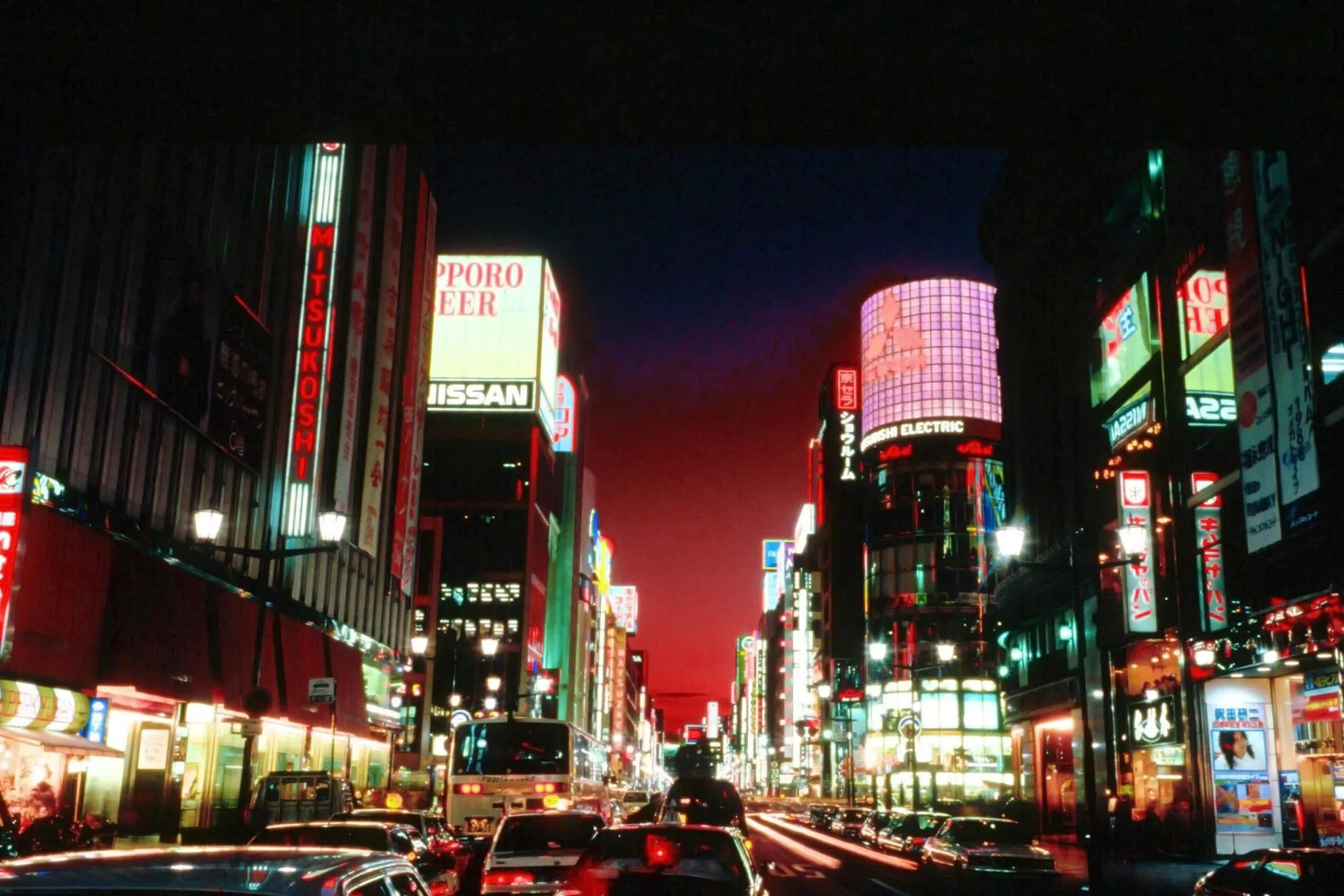
To understand Japanese city pop is to step into a meticulously constructed, hyper-real architectural rendering of a world that feels simultaneously nostalgic and utopian. It is a genre defined as much by its visual aesthetic—sun-soaked, geometric concrete vistas, artificial palm trees standing sentinel against impossible blue skies, and iridescent pink neon bleeding into velvet-dark urban nights—as it is by its sound.
Originating during Japan’s postwar economic boom of the late 1970s and 1980s, city pop synthesized Western jazz, funk, soul, disco, and boogie through a distinctly cosmopolitan Japanese lens. Back then, it was rarely labeled as such; domestically, it was primarily known as "New Music," an umbrella for an underground wave of singer-songwriters inspired by the 1960s American folk revival who rapidly expanded their palette into sophisticated, groove-driven studio wizardry.
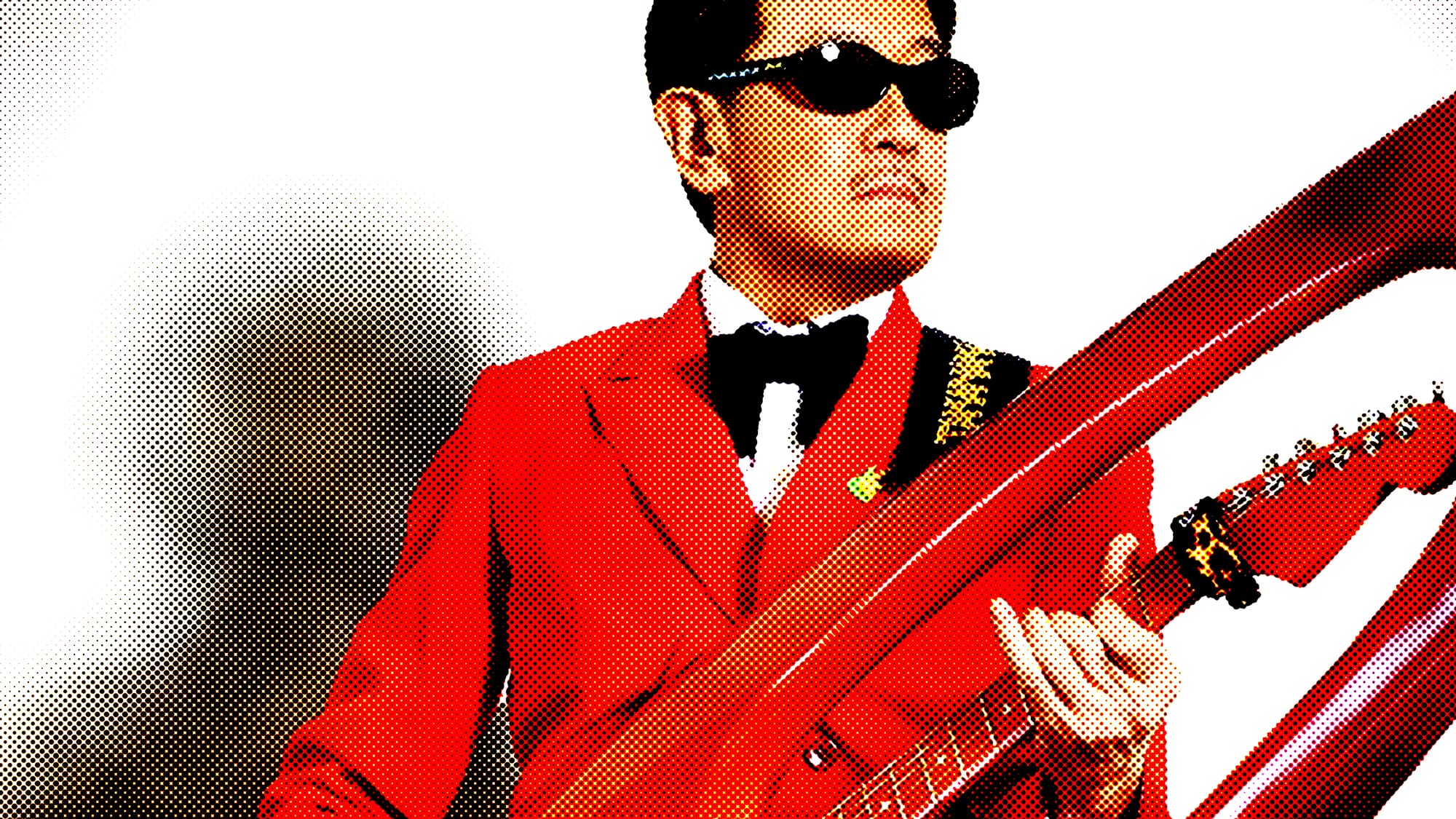
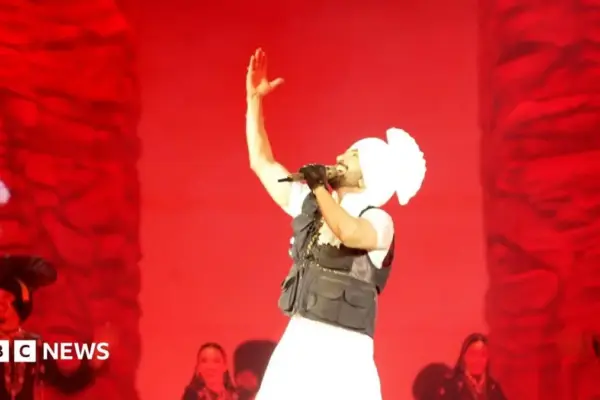
Fast forward to the internet age, and the genre has undergone a staggering global renaissance. Propelled by algorithmic luck, viral YouTube recommendations, and vaporwave counter-culture, city pop has evolved from a guarded secret of crate-diggers into a worldwide phenomenon. This resurgence reaches a monumental historical watershed in August 2026, when legendary guitar virtuoso Masayoshi Takanaka headlines City Pop Waves at the Crystal Palace Bowl—London’s first-ever outdoor festival dedicated entirely to the genre.
In celebration of this cultural milestone, Jono Beard of Rough Trade Nottingham guides us through ten essential, chronologically sequenced albums that codified the genre. From Takanaka’s tropical masterpiece Seychelles to cult favorites by Taeko Ohnuki, Haruomi Hosono, and beyond, this deep dive explores the masterpieces that soundtracked an era of endless urban romance.
Detailed Chronology: Ten Essential Pillars of City Pop
Japan held the second-largest music market in the world during the height of the bubble economy, resulting in an embarrassment of creative riches. While countless acts shaped the landscape, these ten chronological milestones map the genre’s evolution from jazz-fusion experimentalism to high-gloss sophisti-pop.
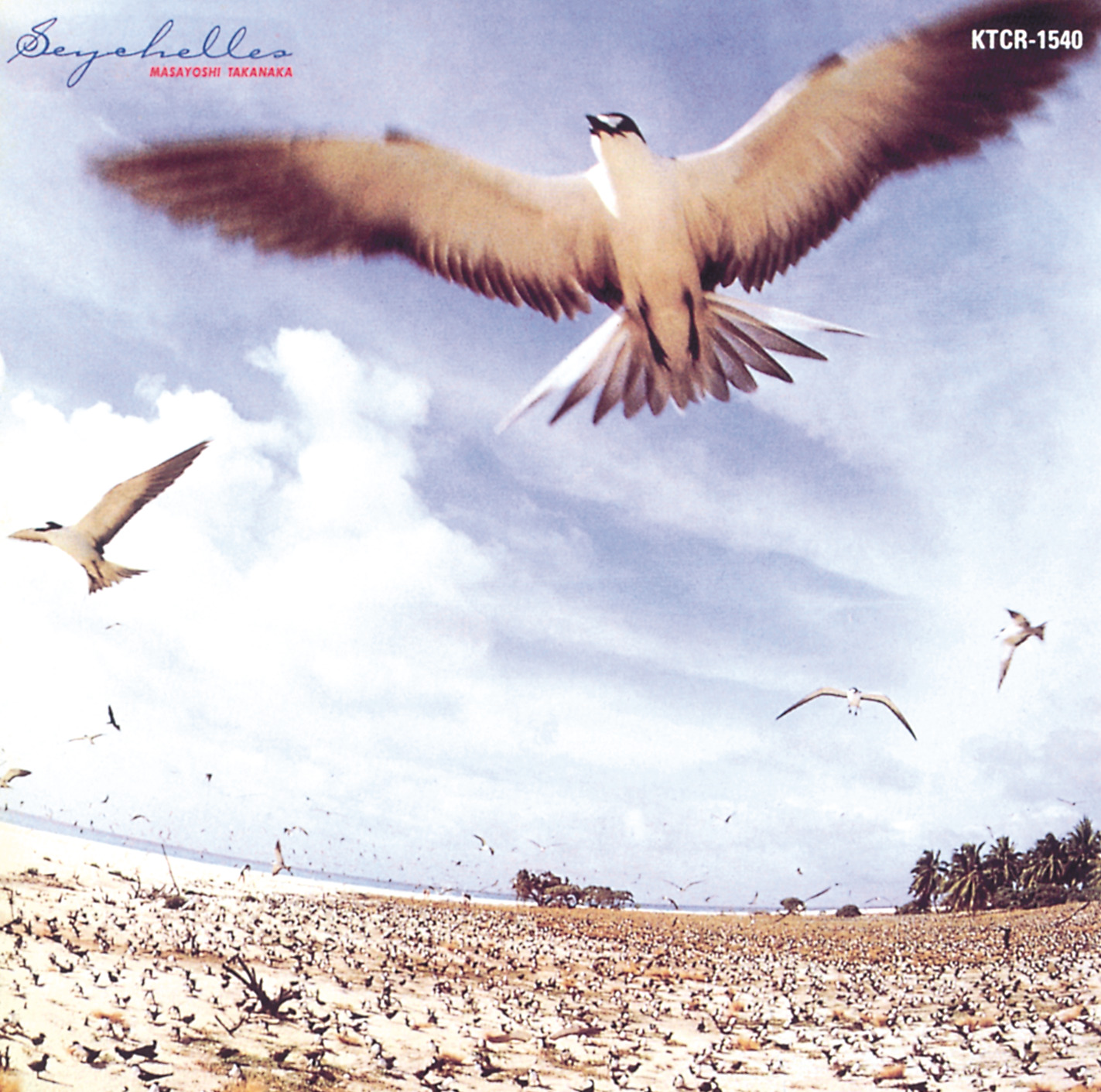
Released in the summer of 1976, Seychelles is a quintessential release and one of the earliest cornerstones of the movement (pipped to the post by a few seminal records from the previous year, including Sugar Babe’s Songs). While it can easily be categorized as jazz fusion—featuring Takanaka’s virtuosic, Carlos Santana-esque guitar lines—its vibrant, breezy, and tropical nature codified much of the vibe the world would come to know as city pop. Much like Western yacht rock, these songs are light, effortless, and driven by supreme musicianship. Takanaka’s intricate arrangements showcased an auteur fully formed right out of the gate.
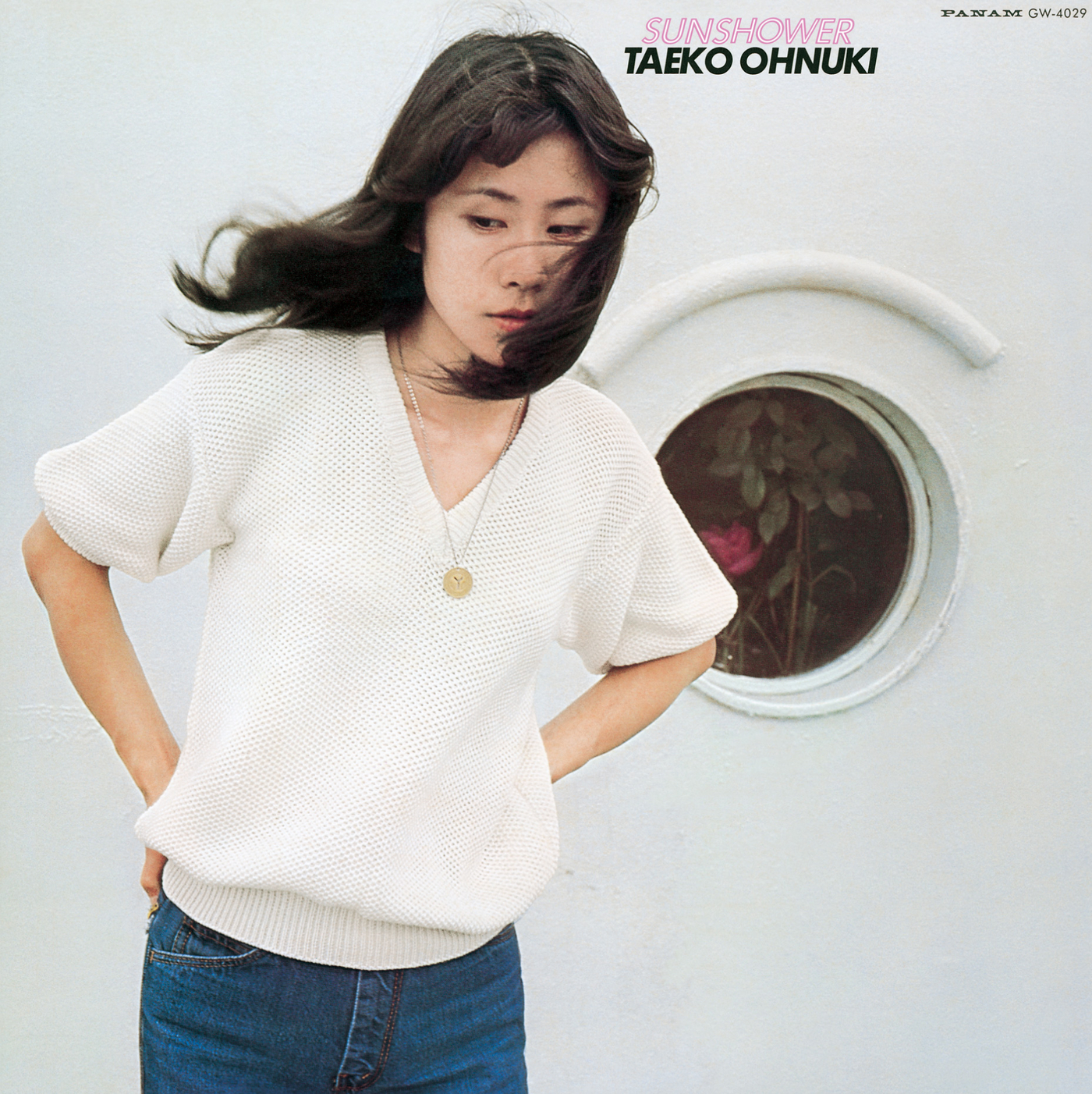
2. Taeko Ohnuki – Sunshower (1977)
As a founding member of Sugar Babe, Ohnuki followed up on that band’s promise with her sophomore solo record, Sunshower. Long celebrated by international listeners who discovered Japanese music online in the early 2010s, the album bridges the gap between the acoustic-leaning New Music era and the commercial, funk-heavy sound that would dominate the 1980s. The intricate funk arrangements—orchestrated by a pre-Yellow Magic Orchestra Ryuichi Sakamoto—are brilliantly counterbalanced by Ohnuki’s high, pure, and airy vocal delivery. Sakamoto also provides rippling, spectral synthesizers on the haunting penultimate track, "Sargasso Sea."
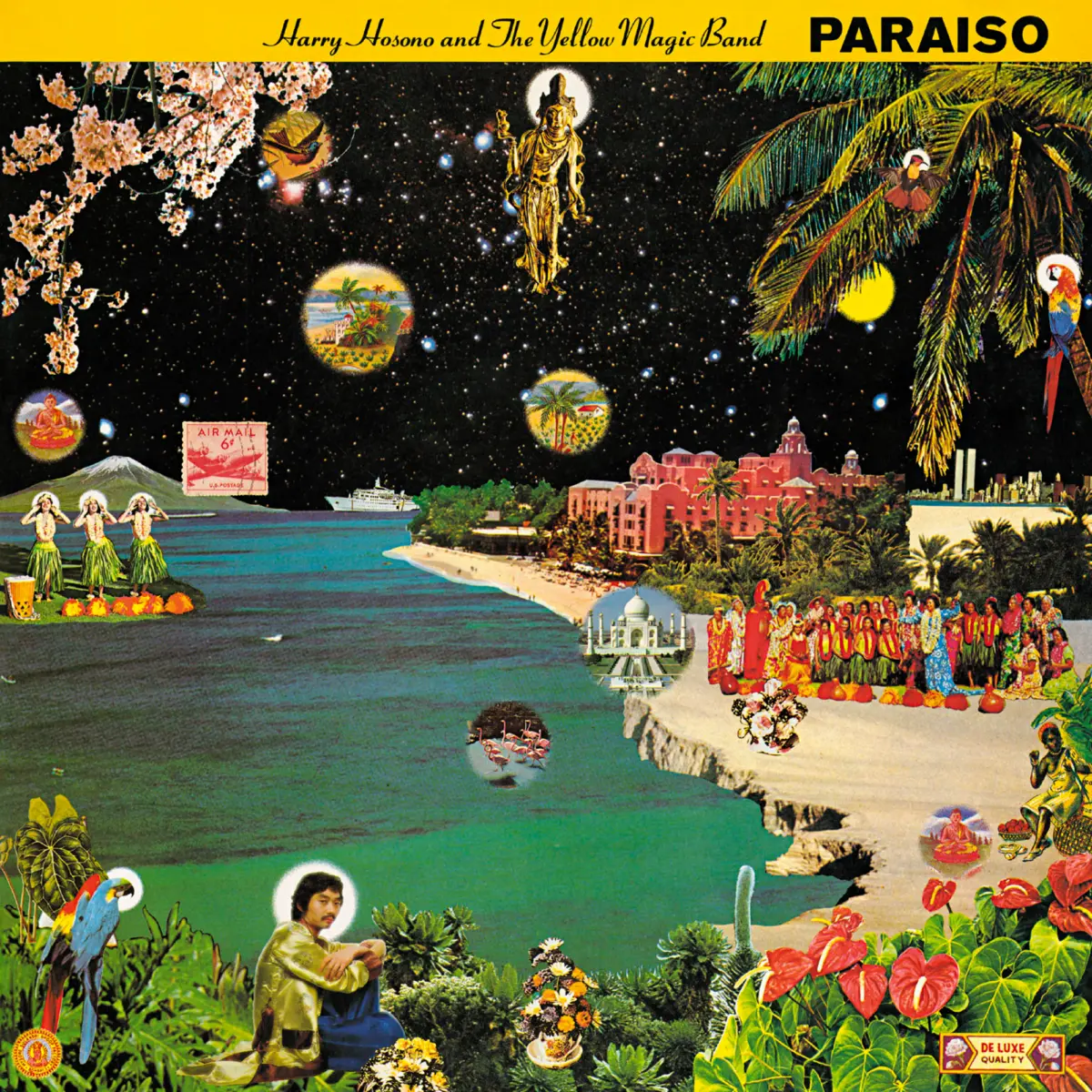
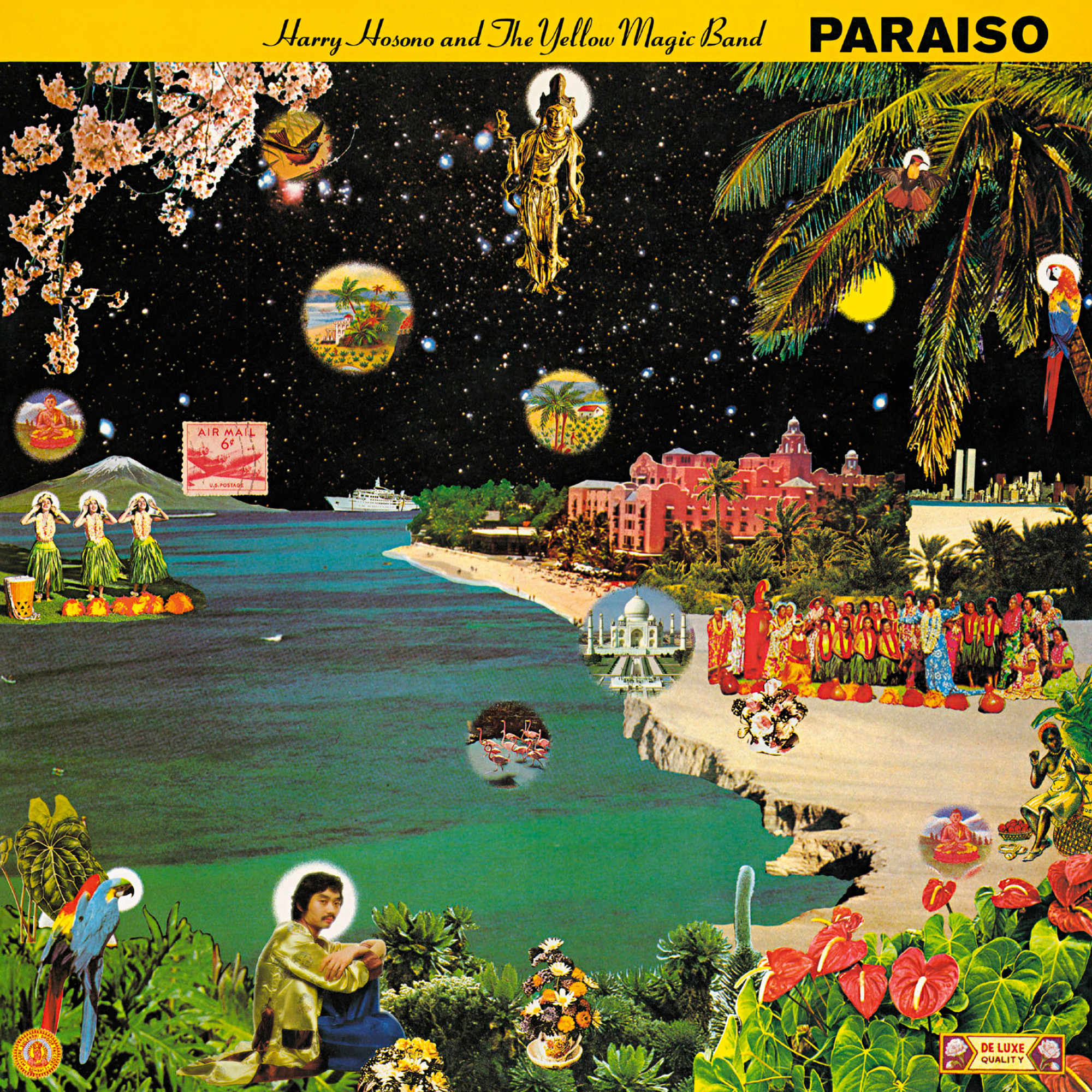
3. Haruomi Hosono – Paraiso (1978)
Easily one of the wackier records on this list, Paraiso leans into the whimsical, quirky reputation that often colors Western perceptions of Japanese pop culture. Yet, above all else, it is a supremely uplifting, psychedelic pastiche of exotica and tropicalia. Imagine Little Feat fronted by Bill Withers and produced by exotica master Les Baxter. As the 23rd studio album from the legendary multi-instrumentalist, composer, and member of Happy End and Yellow Magic Orchestra, Paraiso highlights Hosono’s boundless sonic curiosity.
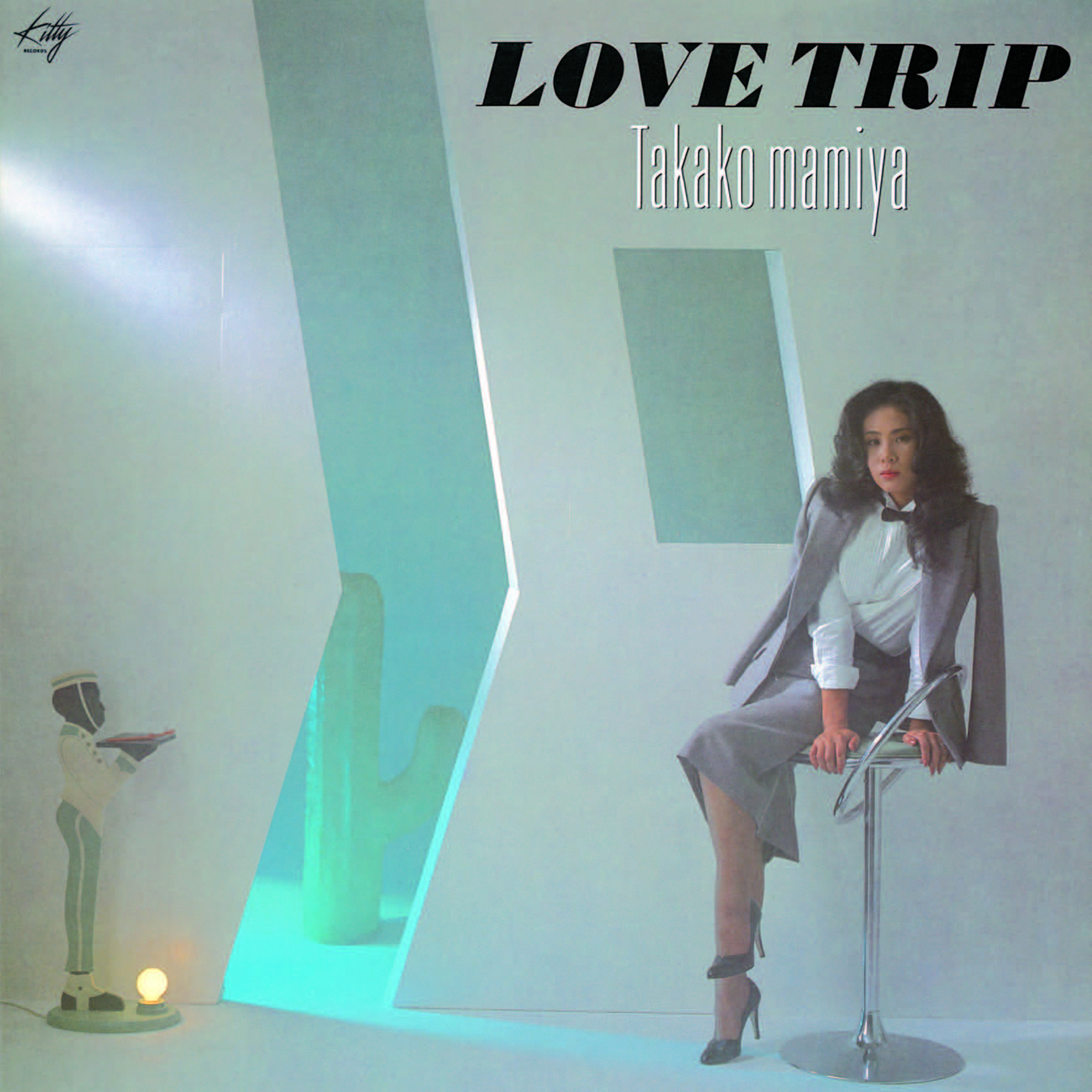
4. Takako Mamiya – Love Trip (1982)
From its effortlessly classy sleeve to the iconic Kitty Records center label, Love Trip practically screams "cult classic." Compounded by the enigmatic disappearance of Mamiya from the industry—this remains her sole full-length release—the album has achieved mythical status in the internet era. Musically, it sits squarely at the intersection of city pop, sophisti-pop, and smooth jazz. Tracks here sit comfortably alongside Roxy Music’s Avalon, Randy Crawford’s Secret Combination, or Everything But The Girl’s The Language Of Life, radiating an opulent, urbane yuppie ennui.
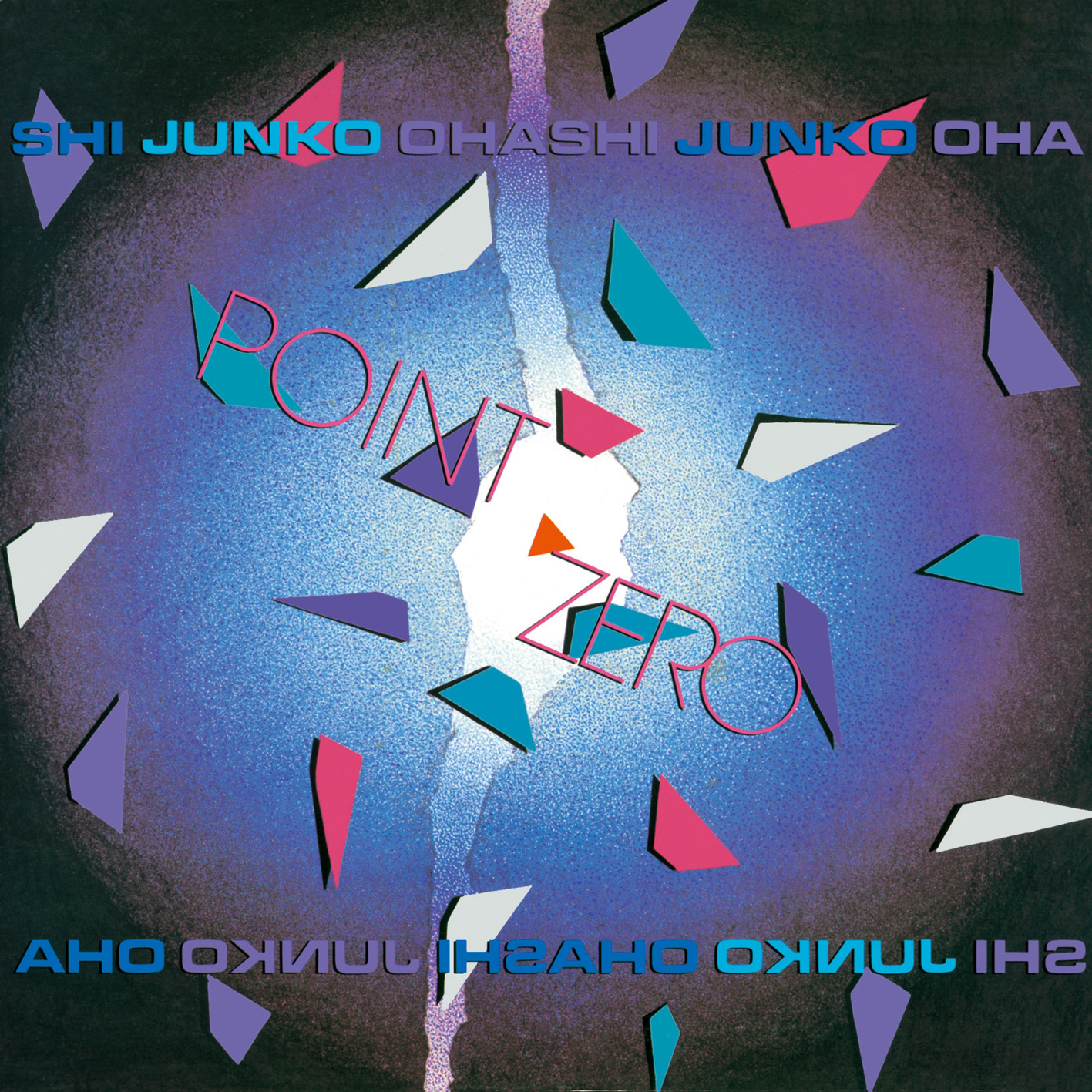
5. Junko Ohashi – Point Zero (1983)
While Ohashi is widely celebrated for her soulful vocal delivery and her hit compilation Magical, her 11th studio album, Point Zero, is a far more experimental triumph. Recorded in New York with elite session players, it functions as an eccentric, kaleidoscopic post-disco record. Bookended by the gold-standard boogie classic "Dancin" and the ultra-catchy closer "Sugao no Mama de," the record also features the futuristic "Sensual Night," proving Ohashi’s prescient musical instincts.
6. Hi-Fi Set – Pasadena Park (1984)
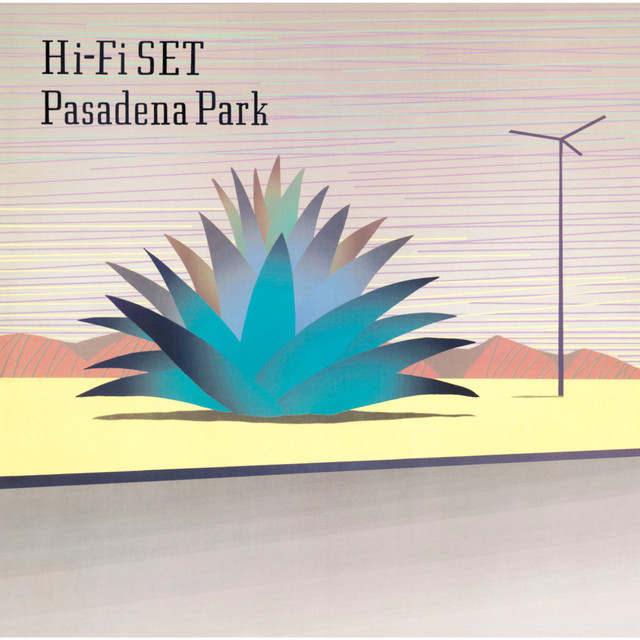
Rising from the ashes of the folk outfit Akai Tori (The Red Birds), Hi-Fi Set paired immaculate close vocal harmonies with jazz-funk rhythms and a touch of theatrical grandeur akin to The Manhattan Transfer. By the mid-1980s, their output embraced a lush, decadent sonic palette. From the minimalist Japanese-Americana cover art to the sophisti-pop contents recalling a collision between Swing Out Sister and The Carpenters, Pasadena Park is an archetypal city pop artifact.
7. Naomi Akimoto – Suisaiga (1984)
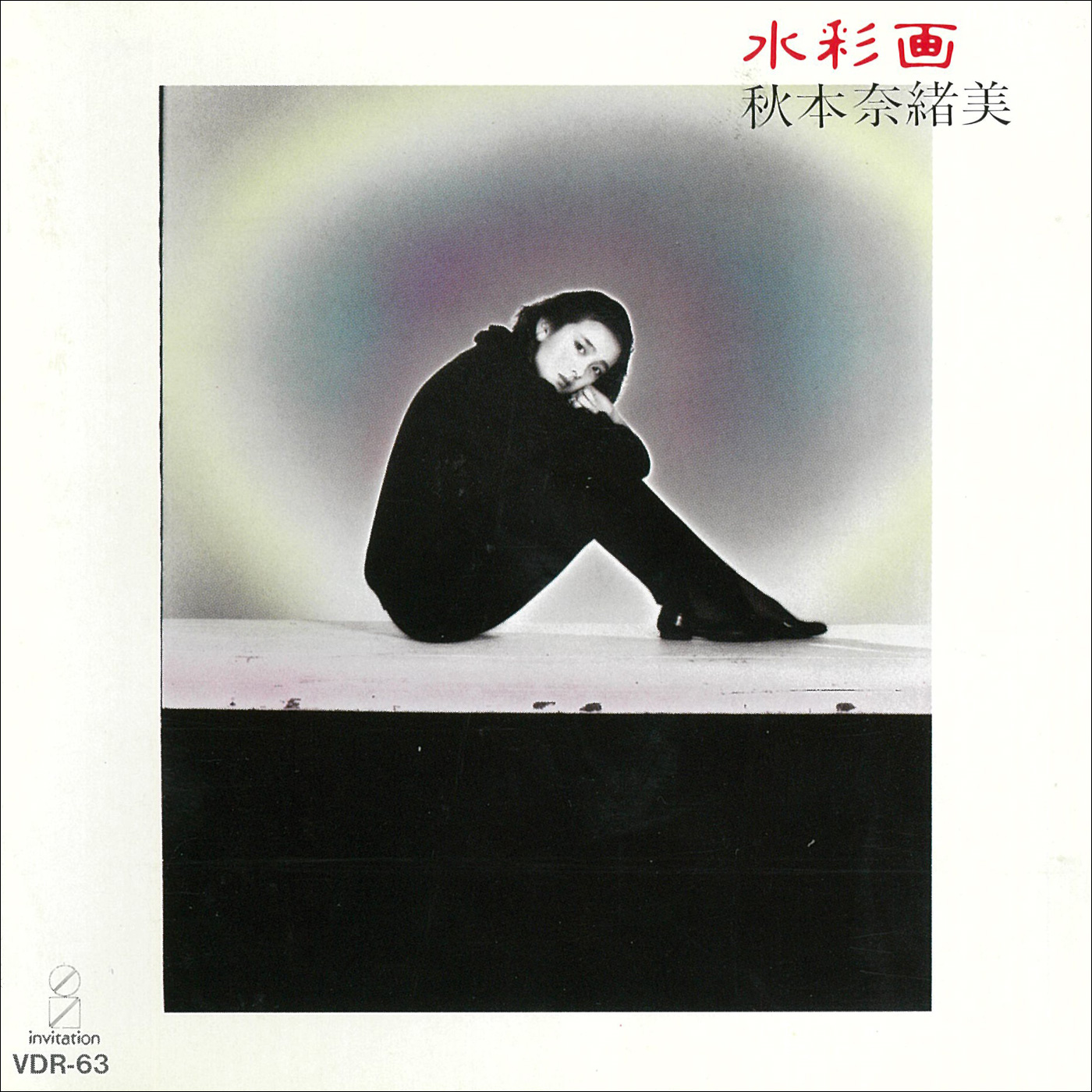
Translated as "Watercolour Painting," Suisaiga is an underground marvel within city pop circles. Eschewing the sunny, uptempo funk typical of the era, Akimoto crafts something deeply ethereal. Imagine a dub mix of the synthesizer and drum machine backing tracks from an 80s ballad—stripped of its bass and standard instrumentation—drenched in reverb, and paired with deeply understated vocals. It is an eerie precursor to alternative R&B that demands dedicated listening.
8. Junko Yagami – Communication (1985)
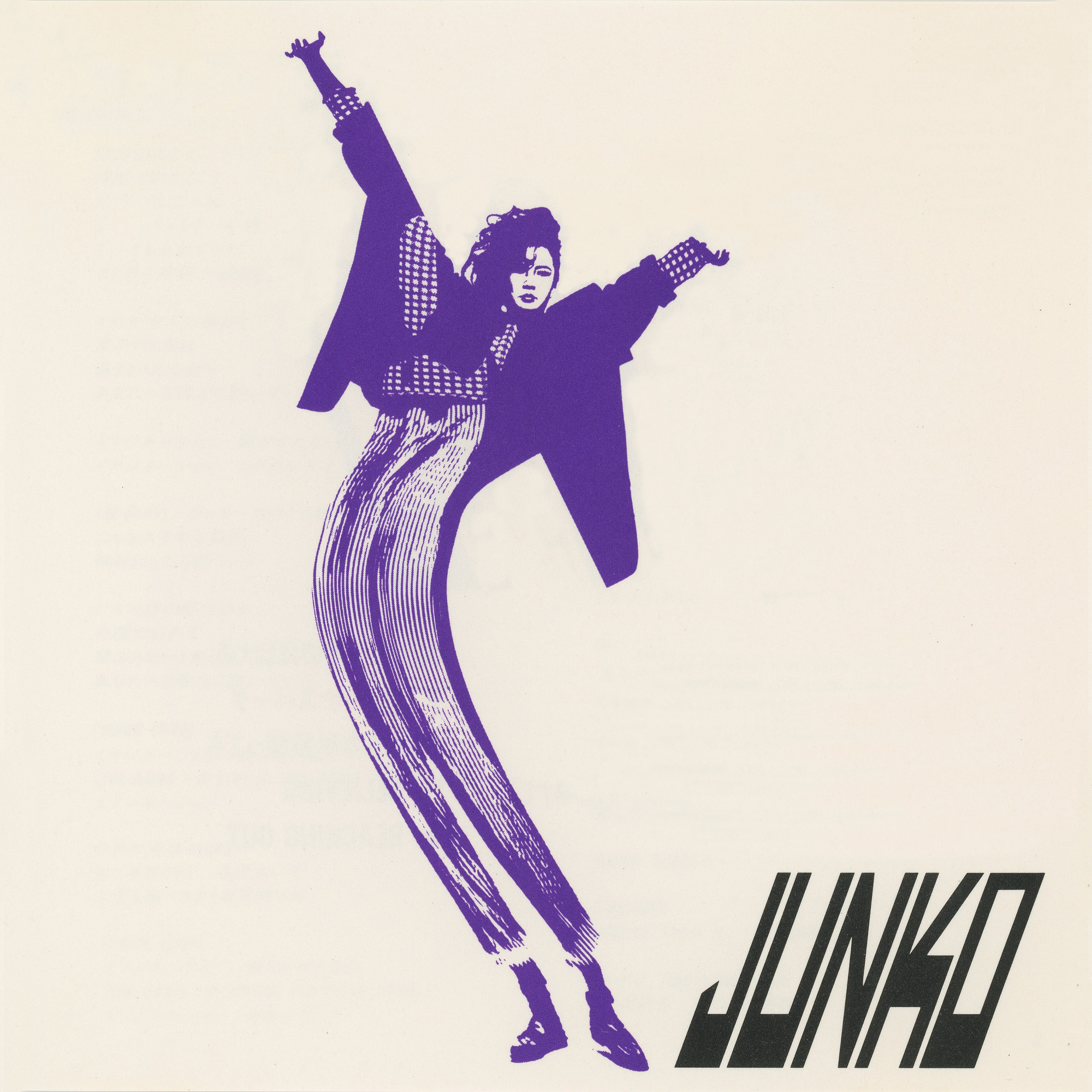
Marking Yagami’s transition from Discomate to Moon Records, Communication refined her style into a high-energy, digital synth-funk arena. Featuring a zany, Jean-Paul Goude-inspired cover, a Madonna-esque title track, and the electronic reggae-pop of "Johannesburg," this LP serves as a joyous, hyper-stylized portal into an idealized, futuristic mid-1980s Tokyo.
9. Rajie – Espresso (1985)
On her seventh and final studio album, Espresso, singer-songwriter Rajie essentially invented a uniquely Japanese, wintry dream pop, predating Akina Nakamori’s Fushigi by a year. Driven by ethereal vocals, chorused guitars wrapped in heavy layers of reverb, and a light, accessible pop undercurrent, Espresso offers a warmer, more welcoming portal into otherworldly sonic spaces.
10. RA MU – Thanks Giving (1988)
For fans familiar with idol-turned-city-pop star Momoko Kikuchi, her work reached its absolute zenith with the short-lived group RA MU (a transliteration of l’amour). Fronted by Kikuchi alongside powerhouse backing vocalists Rosalyn Renee Keel and Darelle-Foster Holden, the group blended American R&B and new jack swing production with Kikuchi’s signature whispered delivery. The result is a sparkling, high-gloss finale to the golden era of the 1980s.
Supporting Context & Metrics: The Anatomy of a Revival
The modern appetite for city pop is not merely nostalgic; it is a global economic and cultural realignment. Driven by digital algorithms—most notably YouTube’s recommendation engine surfacing Tatsuro Yamashita’s "Ride On Time" or Miki Matsubara’s "Stay With Me"—the genre has amassed billions of streams outside of Japan.
The Vinyl Boom: Western record labels, boutique distributors, and major Japanese imprints have dramatically scaled up international distribution and vinyl repressing programs. What was once an expensive import hobby requiring trips to Tokyo’s used record shops is now a thriving global market.
Demographics: The primary demographic driving the revival consists of Millennials and Gen Z listeners who were born decades after the music was recorded, proving that the sleek, aspirational atmosphere of bubble-era Japan transcends both language and time barriers.
Official Statements and Industry Perspective
Jono Beard of Rough Trade Nottingham reflects on the overwhelming breadth of the movement and the bittersweet nature of curating a top-ten list:
"Japan had the second-largest music market in the world during this time, so there are many more artists, groups and albums to mention than I’ll have room for here. All I really aim to do is to share a few of my thoughts about ten chronological examples of some of the greatest music ever made… I, for one, can scarcely believe I’ve not talked about EPO, Minako Yoshida, Tomoko Aran or Hitomi Tohyama, not to mention a single album by Yuming, or any of the revival acts from the 90s and beyond."
Despite notable omissions—such as Tatsuro Yamashita, Anri, Miki Matsubara, and Spectrum—Beard emphasizes that the true beauty of the scene today lies in accessibility:
"The great thing for anyone getting into city pop these days is that it’s becoming easier than ever to find on vinyl outside of Japan… I hope that with this exploration, I’ve been able to introduce you to some amazing music that you’ll come to love as much as I do."
Future Outlook: The Festival Frontier and Beyond
As the calendar turns toward August 2026, the global trajectory of city pop enters an entirely new echelon. The upcoming City Pop Waves festival at the Crystal Palace Bowl in London represents a critical evolution: moving the genre out of the digital ether and late-night YouTube rabbit holes into the physical, communal space of the open-air festival stage.
With guitar virtuoso Masayoshi Takanaka headlining this landmark event, city pop has officially cemented its status as a timeless international art form rather than a fleeting internet meme. As physical distribution widens, archival reissues multiply, and a new generation of musicians draws inspiration from its sunlit grooves, the neon-lit horizon of city pop shows no signs of fading.