Executive Overview
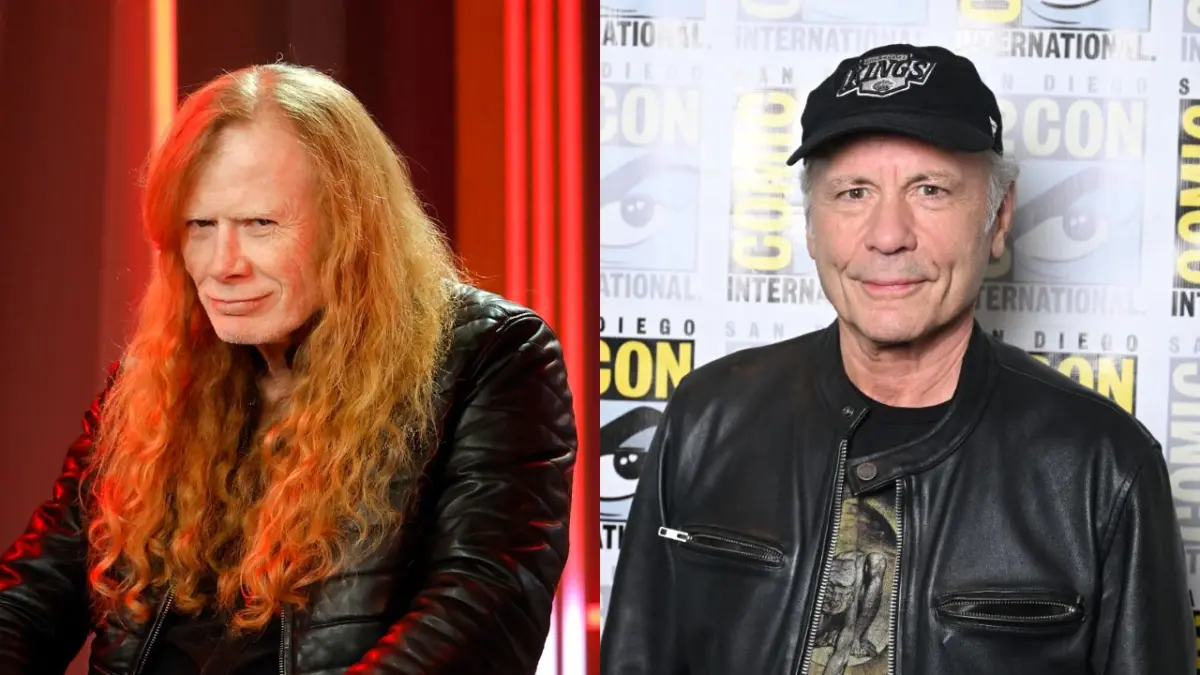
In the high-stakes, physically demanding world of heavy metal, few obstacles are as formidable as a diagnosis that threatens a vocalist’s primary instrument: their voice. For Dave Mustaine, the legendary founder, guitarist, and frontman of thrash metal pioneers Megadeth, a February 2019 diagnosis of throat cancer presented an existential crisis that went beyond his career—it threatened his life. However, amid the medical uncertainty and grueling treatments, Mustaine found crucial support in an unexpected fraternity of rock icons, chief among them Iron Maiden frontman Bruce Dickinson.
Dickinson, who had navigated his own high-profile battle with throat cancer five years prior, provided Mustaine with more than just sympathetic platitudes. He delivered actionable, battle-tested advice derived from direct experience. In an exclusive revelation detailing his forthcoming memoir, In My Darkest Hour (published via Constable), Mustaine shared how Dickinson’s pragmatic guidance helped anchor him during his darkest months.
This interaction highlights a broader, often unexamined truth within the hard rock ecosystem: beneath the fierce rivalries and theatrical personas lies a resilient network of peer support. Mustaine’s subsequent full remission in October 2019, followed by a triumphant return to recording and touring, underscores the impact of community, practical mindset, and modern medical intervention in helping heavy metal’s elder statesmen navigate life-threatening health crises.
Detailed Chronology: From Diagnosis to Remission
[Dec 2014] Dickinson diagnosed with HPV-related throat cancer
    │
[May 2015] Dickinson declared cancer-free after chemoradiation
    │
[Feb 2019] Mustaine diagnosed with squamous cell carcinoma (throat cancer)
    │
[Jun 2019] Mustaine publicly announces diagnosis & pauses Megadeth tour
    │
[Jul-Sep 2019] Mustaine undergoes 51 radiation & 9 chemotherapy treatments
    │
[Oct 2019] Mustaine declared 100% cancer-free by oncology team
    │
[Jan 2020] Megadeth returns to live touring in Europe
Bruce Dickinson’s 2014–2015 Precedent
To understand the significance of Dickinson’s guidance, one must examine his own battle half a decade earlier. In December 2014, during a routine medical checkup following the completion of Iron Maiden’s album The Book of Souls, doctors discovered two tumors on the back of Dickinson’s tongue. The diagnosis—squamous cell carcinoma driven by human papillomavirus (HPV)—required immediate, intensive treatment.
Dickinson underwent nine weeks of chemotherapy alongside seven weeks of targeted radiation therapy. The position of the tumor placed his vocal cords directly in the path of medical radiation, posing severe risks of scar tissue formation, permanent dry mouth (xerostomia), and structural damage to his larynx. By May 2015, Dickinson’s medical team pronounced him officially clear of cancer. His vocal rehabilitation was intensive, requiring months of physical therapy before he successfully captained Iron Maiden’s customized Boeing 747, Ed Force One, on a massive 2016 world tour.
Dave Mustaine’s 2019 Odyssey
In February 2019, during routine dental and medical examinations, Dave Mustaine received a strikingly similar diagnosis of localized throat cancer. Recognizing the long road ahead, Mustaine initially kept the news within a close-knit circle of family, bandmates, and medical experts while formulating a comprehensive treatment plan.
In June 2019, Mustaine went public with his condition. The announcement necessitated the cancellation of most of Megadeth’s scheduled 2019 concert commitments, including their inaugural Megacruise event.
Mustaine’s medical regimen was aggressive:
- Radiation Therapy: 51 targeted radiation sessions administered over several months.
- Chemotherapy: 9 cycles of systemic chemotherapy designed to eradicate micro-metastases.
Throughout the ordeal, Mustaine maintained a rigorous focus on recovery. By October 2019, following post-treatment scans and scope examinations, doctors declared Mustaine 100% cancer-free. Remarkably, less than four months after finishing treatment, Mustaine was back on stage in Europe alongside Five Finger Death Punch, demonstrating a level of vocal and physical recovery that surprised even his physicians.
Supporting Context & Industry Metrics
The Vocalist’s Dilemma: Cancer and the Human Instrument
Throat and neck cancers present unique psychological and physical threats to professional singers. Radiation therapy to the head and neck regions can cause irreversible damage to delicate mucosal linings, salivary glands, and vocal fold musculature.
| Medical Challenge | Vocal & Physical Impact | Management Strategy |
|---|---|---|
| Mucositis | Severe inflammation making swallowing and speaking extremely painful | Specialized pain management, tailored nutritional support |
| Xerostomia | Loss of saliva production, impairing vocal lubrication and resonance | Hydration protocols, salivary substitutes, humidification |
| Vocal Cord Fibrosis | Stiffness in vocal folds, reducing vocal range and endurance | Dedicated speech therapy, gradual vocal re-conditioning |
| Systemic Fatigue | Exhaustion from combined radiation and chemotherapy | Structured rest cycles, curated physical therapy regimens |
Both Dickinson and Mustaine faced the real possibility that even if they survived, their capability to perform at elite levels—delivering the piercing operatic highs of Iron Maiden or the rapid-fire rasp of Megadeth—might be permanently compromised.
The Broader Metal Ecosystem Support Network
Mustaine’s public announcement triggered an outpouring of support from across the rock and metal landscape, bridging historical rivalries and generational divides.
                  ┌────────────────────────┐
                  │ Dave Mustaine          │
                  │ (Megadeth Diagnosis)   │
                  └───────────┬────────────┘
                              │
     ┌────────────────────────┼────────────────────────┐
     ▼                        ▼                        ▼
┌─────────┐              ┌─────────┐              ┌─────────┐
│ Bruce   │              │ James   │              │ Ozzy &  │
│Dickinson│              │Hetfield │              │ Sharon  │
│(Maiden) │              │(Metallica)             │Osbourne │
└────┬────┘              └─────────┘              └─────────┘
     │ Advice & Practical Guidance
     ▼
┌──────────────────────────────────────────────────┐
│ Mustaine: "I needed hope, and he gave me it."    │
└──────────────────────────────────────────────────┘
Among those who reached out were:
- James Hetfield: Co-founder of Metallica and Mustaine’s former bandmate. Despite decades of complex media dynamics following Mustaine’s 1983 departure from Metallica, Hetfield reached out directly to offer personal support.
- Ozzy and Sharon Osbourne: Heavy metal icons who have navigated their own extensive health battles, including Sharon’s victory over colon cancer in the early 2000s.
- Paul Stanley: KISS rhythm guitarist and vocalist, who extended support from one rock veteran to another.
Mustaine placed these messages in a grounded, philosophical perspective:
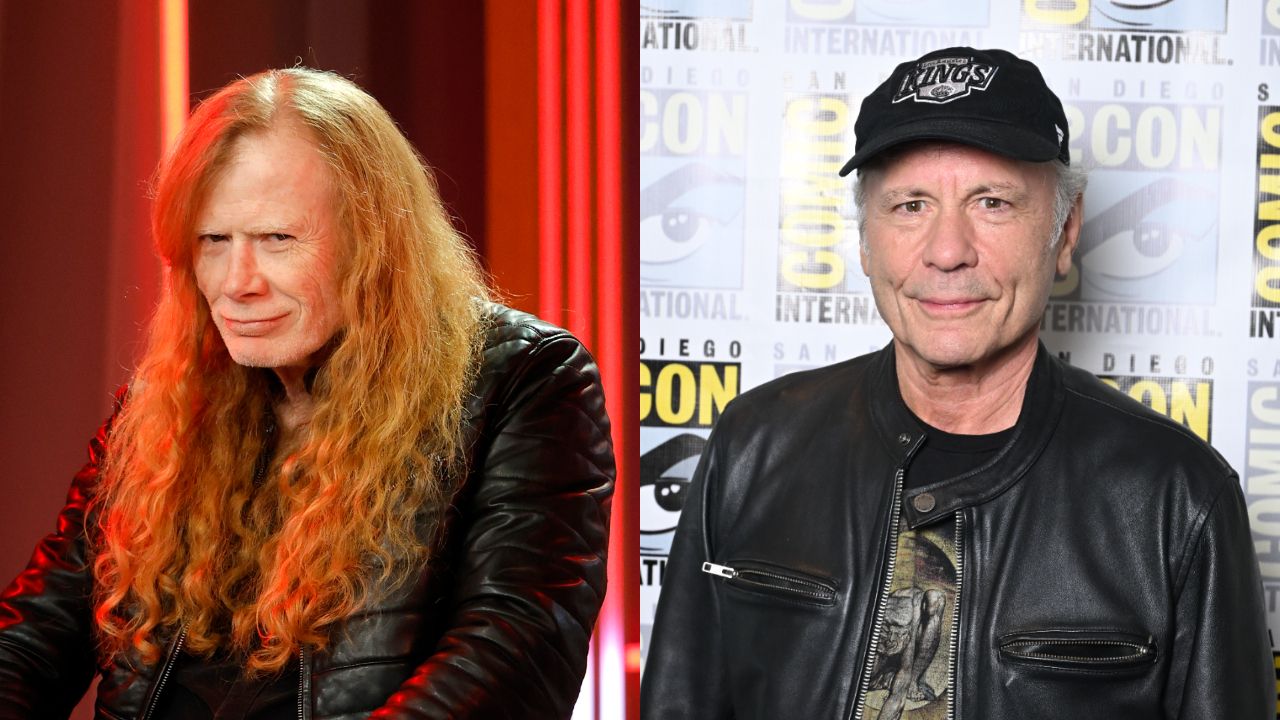
"It wasn’t any more significant than the other people who gave their support to me. I’ve always looked at that stuff like one beggar giving another beggar a crust of bread. But I appreciate it, because I know how our time is measured out, and to take the time to stop and do something like that means a lot."
Official Statements and Practical Wisdom
Dickinson’s Advice: Pragmatism Over Platitudes
When speaking with Metal Hammer, Mustaine emphasized the tangible impact of receiving guidance from someone who had directly experienced head and neck cancer treatment, rather than relying solely on standard emotional support.
"Bruce had some fantastic stuff to say as a cancer survivor," Mustaine explained. "There’s a big difference between someone saying, ‘You’re in my thoughts and prayers’, versus somebody who goes into detail about his treatment and tells you about the outcome. I needed hope, and he gave me it."
The core advice offered by Dickinson focused on environmental control and mental resilience during treatment:
The Dickinson Prescription for Recovery:
"Surround yourself with good people… make sure you’re spending time with people who are upbeat and positive."
Dickinson urged Mustaine to eliminate negative inputs, manage stress rigorously, and build an environment focused entirely on cellular and psychological healing.
Mustaine’s Reflections in In My Darkest Hour
Mustaine details this health battle extensively in his book, In My Darkest Hour, published via Constable. The book explores not only the technical realities of his medical regimen, but also the internal shifts in perspective that occurred while facing his own mortality.
Mustaine noted that his decision to make his diagnosis public early on was driven by a need for transparency with his fan base and support structure:
"To let the people who are my support system know," Mustaine stated, acknowledging that millions of fans worldwide provided a positive energy loop that helped sustain his morale during chemotherapy sessions.
Future Outlook: Resilience, Legacy, and Metal’s Second Wind
Megadeth’s Post-Cancer Era
Mustaine’s complete recovery ushered in one of the most productive phases of Megadeth’s late-career history. Following his remission, the band returned to the studio to finish their sixteenth studio album, The Sick, the Dying… and the Dead! (2022).
The album earned critical acclaim and commercial success, entering the US Billboard 200 at No. 3—the band’s highest charting position in the United States since 1992’s Countdown to Extinction. Critics specifically noted that Mustaine’s vocal delivery remained crisp, aggressive, and intact, standing as a testament to effective modern oncology and disciplined vocal rehabilitation.
Post-Remission Milestones (Megadeth):
├─ Oct 2019: Declared 100% Cancer-Free
├─ Jan 2020: Resumption of World Tours
├─ Sep 2022: Release of 'The Sick, the Dying... and the Dead!' (#3 Billboard 200)
└─ Present: Global Headlining Stadium & Festival Tours
The Enduring Strength of Heavy Metal’s Elder Statesmen
The shared experiences of Dave Mustaine, Bruce Dickinson, and their peers highlight a broader trend in rock music. As the foundational figures of thrash metal and the New Wave of British Heavy Metal (NWOBHM) enter their sixties and seventies, the community has adapted to support its pioneers through significant health challenges.
Rather than fragmenting under pressure, the heavy metal community has demonstrated a notable capacity for solidarity. The pragmatic advice shared between Bruce Dickinson and Dave Mustaine reflects a pragmatic brotherhood—one where shared survival strategies ensure that heavy metal’s foundational voices continue to perform worldwide.