Executive Overview
In the fast-paced ecosystem of modern music production, the humble pair of studio headphones remains an irreplaceable cornerstone. Whether an engineer is surgically carving out EQ frequencies in a densely packed mix, a vocalist is tracking raw takes in the booth, or a producer is referencing a master on the go, the accuracy of audio playback dictates the quality of the final product. Recognizing the vital role that precise monitoring plays in the creative process, Guitar Center has launched a major hardware event, offering up to 25% off some of the industry’s most acclaimed studio and monitor headphones.
This curated promotion highlights heavyweight brands synonymous with audio fidelity—specifically Sony, Beyerdynamic, and AIAIAI. Among the standout reductions is a rare discount on the critically acclaimed Sony MDR-MV1, a pair of open-back reference cans that previously earned a rare and coveted 10/10 rating for their startling clarity and spatial depth. Alongside them, budget-conscious producers and mobile creators can secure deals on workhorse closed-back monitors like the Beyerdynamic DT 270 Pro and the highly customizable, modular AIAIAI TMA-2 Studio.
For engineers looking to upgrade their monitoring chain or creators seeking a reliable mobile reference tool, this sale arrives at an opportune moment. This report provides an in-depth breakdown of the discounted hardware, analyzes the engineering principles that make these headphones industry favorites, and contextualizes what these price drops mean for the broader pro-audio retail landscape.
Detailed Chronology & Event Breakdown
The pro-audio retail market experiences cyclical fluctuations, often tied to major trade shows, seasonal production surges, and manufacturer inventory shifts. Mid-tier and high-end studio monitoring hardware rarely sees aggressive price slashing unless prompted by strategic promotional windows. Guitar Center’s latest hardware event marks a significant push into making high-end spatial and analytical listening tools more accessible to independent creators, project studio owners, and bedroom producers.
The unfolding of the promotion highlights three distinct tiers of studio monitoring:
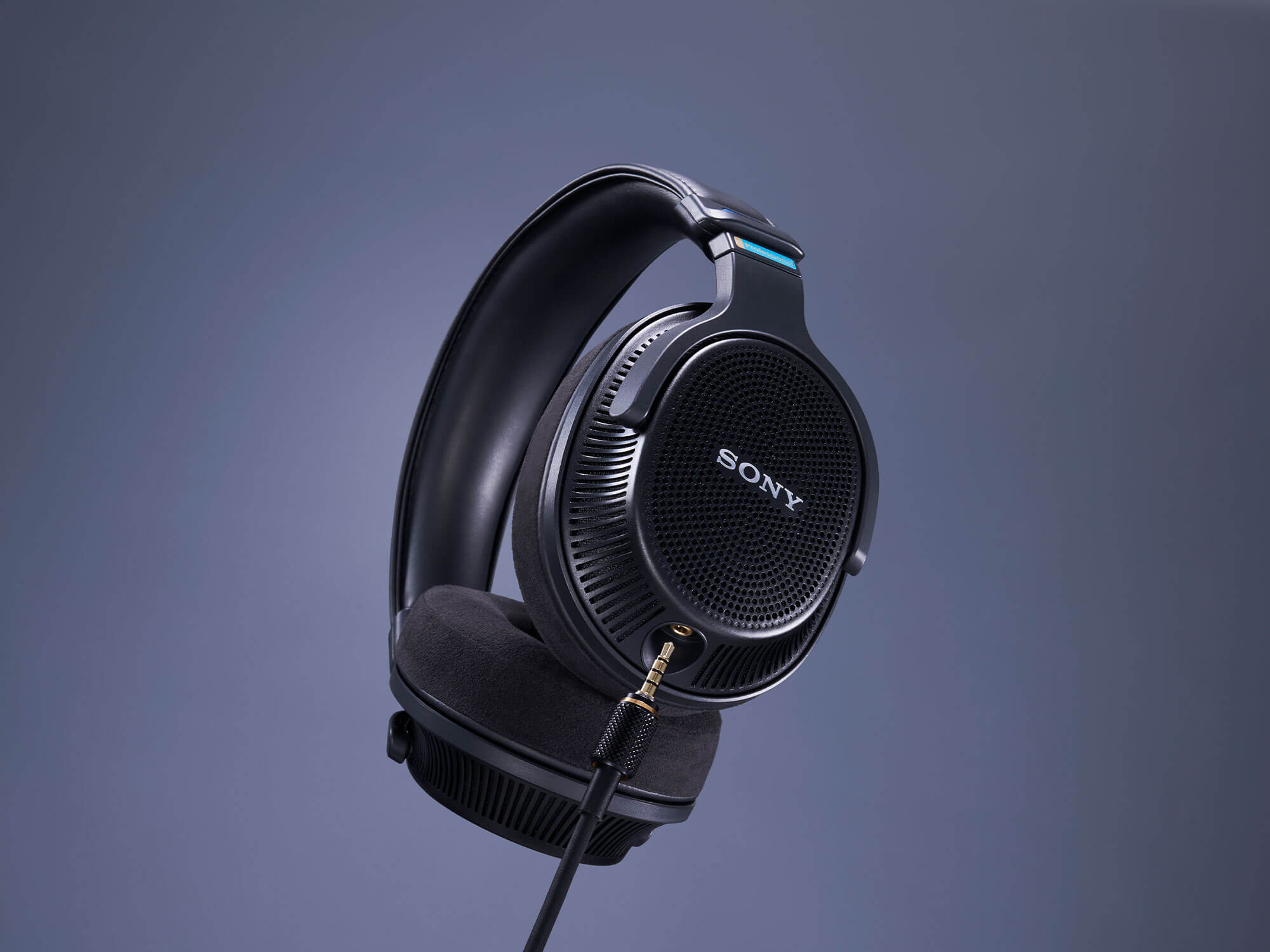
- The Flagship Reference Tier (Sony MDR-MV1): Initially introduced to critical acclaim for spatial audio mixing and immersive formats like Sony’s 360 Reality Audio, the MDR-MV1 has slowly cemented its place as a go-to tool for high-end mixing engineers. Historically guarded against steep discounting due to high demand and specialized acoustic engineering, the headphones have seen a price drop to $339.99 (down from $418), representing a savings of nearly 20%.
- The Practical Tracking Tier (Beyerdynamic DT 270 Pro): Positioned squarely in the sweet spot between professional performance and consumer accessibility, the DT 270 Pro has become a staple for mobile tracking and foundational project studio monitoring. Retailers have adjusted pricing to $129.99, shaving $20 off the standard $149.99 MSRP.
- The Modular Creator Tier (AIAIAI TMA-2 Studio): Recognizing the shift toward hybrid, on-the-go workflows, AIAIAI’s modular ecosystem has gained immense traction. The TMA-2 Studio variant, traditionally priced at $199, has been marked down to $149, offering a clean $50 saving for creators who prioritize minimalist aesthetics alongside reliable acoustic performance.
These promotions are currently live through Guitar Center’s digital storefront, with regional availability primarily tailored to US-based consumers, though international buyers are increasingly seeing localized counterpart deals across European and Asian distribution networks.

Supporting Context & Metrics: Analyzing the Hardware
To understand why this specific sale commands attention from professional engineers, one must examine the acoustic engineering, design philosophy, and performance metrics of the discounted models.
Sony MDR-MV1: The Spatial and Analytical Heavyweight
At the apex of the sale is the Sony MDR-MV1. Designed from the ground up for modern spatial audio mixing and high-resolution stereo production, these open-back headphones have redefined what engineers can expect from dynamic drivers in a comfortable, lightweight chassis.
- Acoustic Design: Open-back architecture allows for a wide, natural soundstage that mimics the cross-feed experience of near-field studio monitors rather than the "in-your-head" sensation typical of closed-back cans.
- Performance Metrics: Featuring specially designed drivers capable of an ultra-wide frequency bandwidth, the MDR-MV1 excels at transient response.
- Critical Reception: In exhaustive real-world testing, reviewers highlighted the headphones’ "startling clarity." Unlike hyper-analytical reference monitors that can induce listening fatigue through harsh high-end boosts, the MDR-MV1 achieves a forensic level of detail separation while retaining a deeply musical presentation.
While their open-back nature makes them prone to sound leakage—rendering them less ideal for vocal tracking where bleed into sensitive microphones is a hazard—they are peerless when it comes to the critical phases of mixing, spatial positioning, and mastering.
Beyerdynamic DT 270 Pro: The Reliable Workhorse
For those requiring isolation alongside sonic accuracy, the Beyerdynamic DT 270 Pro bridges the gap between traditional studio monitors and modern, low-impedance interface compatibility.
- Impedance and Versatility: Boasting a low 45-ohm impedance paired with a broad 5Hz–24kHz frequency response, these headphones liberate the user from heavy, dedicated headphone amplifiers. They translate translation accuracy effortlessly whether plugged into a high-end rack-mounted interface, a USB-C laptop dongle, or a mobile tablet.
- Sonic Signature: The closed-back design provides robust passive noise isolation. Listeners are greeted with clear, unexaggerated highs, articulate midranges that lay bare vocal fundamental frequencies, and a tightly controlled, punchy bass response that avoids the bloated low-end coloring common in consumer-grade headphones.
AIAIAI TMA-2 Studio: Modular Minimalism
AIAIAI has long championed sustainability, longevity, and personalization through its modular hardware architecture. The TMA-2 Studio is no exception.
- Design Philosophy: Built with a sleek, minimalist Scandinavian aesthetic, the TMA-2 Studio avoids the bulky, industrial look of traditional control room gear. Every component—from the ear cushions and headband to the speaker units and cables—is fully interchangeable. If a cable frays or an ear pad wears down years from now, the user replaces only that specific part rather than discarding the entire unit.
- Acoustic Profile: Tuned specifically for music creation, the bio-cellulose diaphragm speaker units deliver crisp high frequencies and a defined low-end, ensuring producers can accurately judge kick and bass interactions without acoustic anomalies clouding their judgment.
Official Statements and Industry Perspective
While hardware manufacturers rarely comment directly on transient retail promotions, industry sentiment surrounding these specific models reflects a broader shift in how audio production is approached in the 2020s.
Pro-audio consultants and studio designers note that the boundary between professional control rooms and home project studios has dissolved. With a massive influx of independent producers mixing multi-platinum records on laptops and headphones, manufacturers have had to elevate the engineering standards of portable monitoring gear.
In previously published critical evaluations, leading mixing engineers praised the democratization of spatial audio tools. As immersive formats like Dolby Atmos and Sony 360 Reality Audio move from niche cinematic experiments into standard commercial delivery requirements, the demand for open-back headphones capable of rendering precise three-dimensional soundstages has skyrocketed. Hardware iterations like the Sony MDR-MV1 are widely viewed by industry insiders as benchmark investments for producers looking to future-proof their mixing rigs without breaking the bank.
Similarly, modular designs championed by brands like AIAIAI reflect a growing corporate and consumer consciousness regarding e-waste and hardware longevity. In an era where tech products are frequently rendered obsolete by planned obsolescence, modularity provides an economic and ecological safety net for working musicians.
Future Outlook: The Evolution of Studio Monitoring
As the pro-audio landscape continues to evolve, several key trends are set to define the next generation of studio headphones:
- The Rise of Immersive Audio Normalization: As streaming platforms universally adopt spatial audio delivery pipelines, the tools used to monitor these mixes must evolve. Open-back reference headphones that excel at depth perception and phase accuracy will increasingly supplant traditional stereo-only monitoring setups, particularly for mobile and hybrid engineers.
- Impedance Agnosticism: The modern producer works everywhere—on airplanes, in hotel rooms, at coffee shops, and in acoustically treated control rooms. Future headphone iterations will increasingly favor low-impedance, high-sensitivity designs that deliver reference-grade flat frequency responses directly from bus-powered interfaces and mobile devices, eliminating the need for cumbersome external headphone amps.
- Sustainable Hardware Ecosystems: With environmental regulations tightening and consumer preferences shifting toward durable goods, the modular design philosophy pioneered by companies like AIAIAI is likely to transition from an alternative niche to an industry baseline. Brands that fail to offer replaceable parts, recyclable chassis materials, and repairable components may find themselves losing ground to eco-conscious creators.
For now, sales events like the one currently running at Guitar Center serve as an accessible entry point for creators eager to upgrade their sonic toolkits. By lowering the financial barrier to entry for top-tier analytical gear, these promotions empower a new generation of engineers and artists to hear their work with uncompromising clarity—ensuring that what leaves the studio translates accurately to the world outside.