Executive Overview
On August 17, 2026, London’s prestigious Smith Square Hall played host to a striking and unconventional interpretation of Wolfgang Amadeus Mozart’s classic opera, Così fan tutte. Presented by the adventurous Scherzo Ensemble, this performance—billed as an "essential cut"—distilled the psychological complexity and musical architecture of Da Ponte and Mozart’s 1790 masterwork into a streamlined, fast-paced theatrical experience. Conductor Matthew O’Keeffe led a lithe, nimble instrumental complement of nine players, while director Bobbie-Jean Henning helmed a production that leaned heavily into comedy, physical theater, and a modern-dress aesthetic.
Originally previewed earlier in July at the Longhope Opera festival in Hampshire, this iteration of the production was mounted in support of Hammersley Homes. Despite encountering last-minute cast adjustments that necessitated mid-season replacements for the roles of Dorabella, Ferrando, and Guglielmo, the ensemble maintained a remarkably cohesive artistic vision. Anchored by the commanding, opera seria-infused vocalism of Korean soprano Soyeon Shin as Fiordiligi, the production traded traditional recitatives for a spoken English narrative.
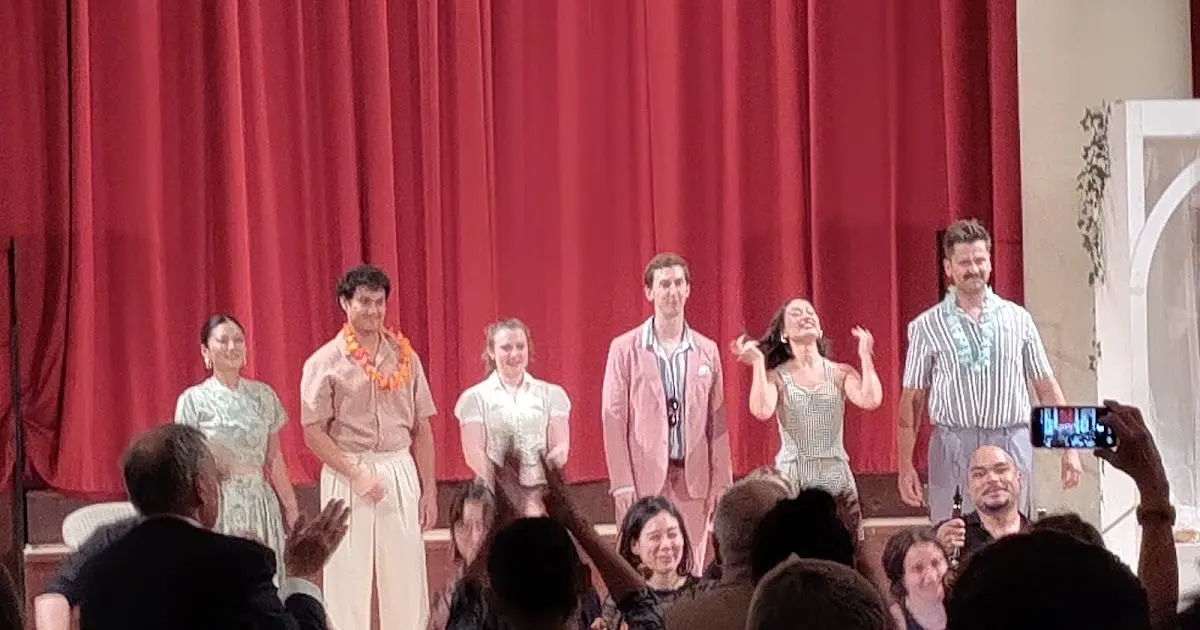
While purists may have balked at the absence of Mozart’s sung dialogue, the resulting show offered a high-energy, youthfully charged theatricality. Supported by a talented emerging cast—including Aina Magnell, Max Robbins, Samuel Pantcheff, Michal Karski, and Anna Gregg—the evening proved to be a compelling study in how contemporary chamber opera can successfully reinvent canonical repertoire for modern audiences without sacrificing musical integrity.
Detailed Chronology and Production Genesis
From Hampshire to the Capital: The Journey of an "Essential Cut"
The trajectory of the Scherzo Ensemble’s 2026 Così fan tutte began in the rolling Hampshire hills at the Longhope Opera festival in early July. There, Matthew O’Keeffe and his creative collaborators introduced a fully realized version of the Mozart-Da Ponte classic to critical acclaim. The design was conceived to maximize intimacy and dramatic immediacy, relying on a modular set centered around sliding and repositionable screens designed by Anna Dell Bradford.
However, the path of live opera is rarely without turbulence. By the time the production reached Sinfonia Smith Square on August 17, 2026, structural adjustments had transformed the work. Aimed at a tighter theatrical footprint and benefiting charity, the team opted for "the essential cut"—a structural pruning that excised traditional secco recitatives entirely. Compounding these artistic choices were late-breaking personnel changes: the London cast featured three new principal artists stepping into the roles of Dorabella, Ferrando, and Guglielmo.
The August 17 Performance: A Night of Bold Theatrical Gambits
As the lights dimmed at Smith Square Hall, the audience was immediately confronted with Henning’s unorthodox framing device. Rather than bridging musical numbers with Mozart’s original recitative text, the production substituted a spoken narrative delivered by a character positioned as a random audience member. This narrative voice assumed a sharply comedic, self-aware tone, guiding the spectators through the labyrinth of the betrothal swap devised by Don Alfonso.

While the spoken commentary successfully bridged narrative gaps for newcomers, its expansive runtime occasionally tested the patience of seasoned opera-goers, occasionally overstaying its welcome. Yet, once the musical numbers began, any structural reservations dissolved under the strength of the execution. O’Keeffe commanded his nine-piece instrumental ensemble (five strings and four wind) with brisk, athletic tempos. The heat of a warm August evening in London brought unique acoustic challenges, but the orchestral texture remained remarkably clean, bright, and forward-moving.
Supporting Context and Metrics
Cast Breakdown and Musical Analysis
| Role | Performer | Vocal Fach / Character Notes |
|---|---|---|
| Fiordiligi | Soyeon Shin | Dramatic Soprano; anchored the performance with opera seria gravity and vocal splendor. |
| Dorabella | Aina Magnell | Mezzo-Soprano; warm, vibrant tone blending seamlessly with Shin. |
| Ferrando | Max Robbins | Tenor; suave tone, agile phrasing in "Un’aura amorosa." |
| Guglielmo | Samuel Pantcheff | Baritone; robust, swaggering physical presence and charming delivery. |
| Despina | Anna Gregg | Soprano; feisty, independent, anchoring the comedy with vibrant vocal character. |
| Don Alfonso | Michal Karski | Bass-Baritone; youthful, Machiavellian ringmaster driving the plot. |
Soyeon Shin’s Fiordiligi: The Anchor of Gravity
While the production as a whole leaned into lighthearted physical comedy, Korean soprano Soyeon Shin provided an essential counterweight through her deeply serious, highly stylized musicianship. Approaching Fiordiligi’s music with the weight of an opera seria heroine, Shin infused her dual arias with staggering technical precision and emotional resonance. Her execution of "Come scoglio" was so fierce and commanding that it invited immediate speculation regarding her suitability for heavier Mozartian and early-Verdi roles—specifically Vitellia in La clemenza di Tito.
Yet Shin was not confined to stone-faced solemnity. In ensemble numbers, she collaborated seamlessly with Aina Magnell’s Dorabella. Magnell, possessing a voice characterized by a warm, vibrant core and a silver-bright edge, formed an electric chemistry with Shin. Together, they embodied modern young women caught in an absurd philosophical experiment, making their eventual emotional compromises all the more poignant.
The Suave Lovers: Robbins and Pantcheff
Max Robbins (Ferrando) and Samuel Pantcheff (Guglielmo) brought starkly contrasting energies to their roles as the testing fiances. Robbins sang with an undeniable vocal elegance, rendering Act One’s "Un’aura amorosa" with a lovely, honeyed tone. In Act Two, while his vocalism remained stylish, the dramatic framing required a lighter emotional touch, leaving some audience members wishing for a deeper psychological exploration of the character’s heartbreak.
Conversely, Samuel Pantcheff—building on his acclaimed work with English Touring Opera (The Gondoliers)—portrayed Guglielmo as a swaggering, physically audacious presence. Pantcheff and Robbins threw themselves into the physical comedy of the staging, utilizing exaggerated costumes and deliberately dubious facial hair for their disguises.
Gregg’s Despina and Karski’s Don Alfonso
Anna Gregg approached the chambermaid Despina not as a passive servant, but as a fiercely independent operator. Rejecting traditional subservience, Gregg delivered her arias with vivid characterization. Her portrayals of the visiting doctor and notary were broad, highly stylized caricatures that leaned heavily into the comic register, though her idiosyncratic comedic vocal inflections required a brief period of audience adjustment.

Michal Karski presented an unusually youthful Don Alfonso. Rather than portraying the cynical philosopher as an aged, weary cynic, Karski played him as a sharp-witted youth genuinely amused by the psychological manipulation he had engineered. Without the connective tissue of recitatives, the usual latent romantic or adversarial tension between Alfonso and Despina was somewhat muted, yet Karski’s magnetic stage presence successfully carried the narrative forward.
Official Statements and Artistic Vision
Speaking on the conceptual framework of the production, director Bobbie-Jean Henning defended the integration of physical choreography into Mozartian ensembles—a relatively rare sight in traditional opera houses. "When you strip an opera down to its absolute thematic bones," Henning noted during pre-production discussions, "you must find physical languages that compensate for the lost text. Così fan tutte is fundamentally about the instability of human identity and romantic fidelity. By introducing stylized movement into the ensemble numbers, we externalize the internal chaos of these young lovers."
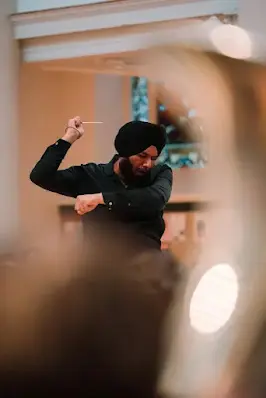
Conductor Matthew O’Keeffe emphasized the logistical and artistic challenges of touring a chamber reduction. "Working with an ensemble of nine players forces an absolute transparency," O’Keeffe stated. "There is no orchestral cushion to hide behind. Every articulation, every dynamic shift is exposed. Our goal with the Scherzo Ensemble has always been to bring maximum vitality and youth-driven urgency to the score, proving that Mozart’s theatrical instincts remain as sharp today as they were in 1790."
Future Outlook
The success of the Scherzo Ensemble’s Così fan tutte at Smith Square Hall signals a vital trend in contemporary British chamber opera: the willingness to experiment with structural compression to make canonical works more accessible, mobile, and theatrically immediate. By pairing rigorous vocal preparation with daring directorial choices—such as the spoken comedic narrator and choreographed ensemble sequences—the company has carved out a distinct niche within the summer opera circuit.
Looking ahead, the collaboration between Matthew O’Keeffe, Bobbie-Jean Henning, and the roster of rising talent championed by the Scherzo Ensemble points toward an exciting future. As young artists like Soyeon Shin and Samuel Pantcheff continue to transition from regional showcases to major national stages, productions of this caliber demonstrate that the future of opera lies not in the uncritical replication of historic staging traditions, but in bold, lean, and intellectually daring reinterpretations. Further tour dates and future operatic ventures for the Scherzo Ensemble are anticipated for the 2027 season, promising continued innovation in the presentation of classical masterworks.